At a glance
Many road accidents involve minors. What is their liability, and what prevention measures should be put in place?
Every year in Belgium, thousands of minors actively take part in traffic, whether on foot or using individual modes of transport such as a bicycle, an electric scooter or a moped. This growing presence comes with a real risk of accidents, with significant legal and financial consequences. Our article looks at the key figures, risky behaviours, legal liability depending on age, and the prevention measures to adopt.
Minors and road accidents
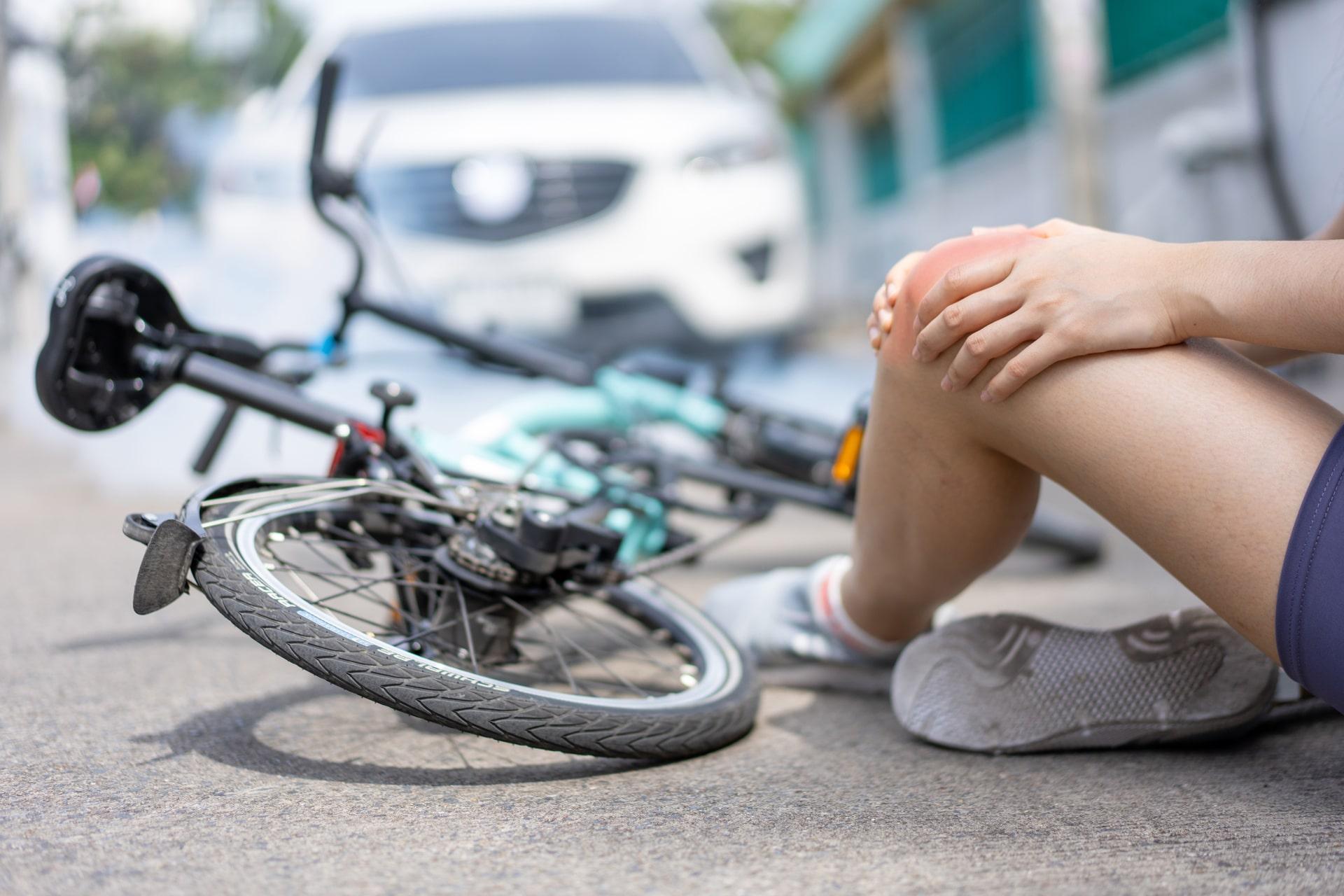
All minors take part in traffic. They do so on foot, but also by bicycle, electric scooter, moped or light motorbike. Like adults, they can unfortunately cause an accident. This raises the question: who is liable for the damage caused?
Under Belgian law, the minor's age at the time of the accident is a key factor in establishing liability. But behaviour and how well the vehicle is maintained also play an important role in preventing damage.
In this article, our blogger Alain Dierckx answers the most frequently asked questions on this topic.
How many minors are involved in road accidents?
In 2023, one in ten road accident casualties was a minor aged 15 to 19. There are differences depending on region and gender. In Brussels, the figures were higher than in other regions, and two-thirds of victims were boys.
Which mode of transport do minors use the most?
Minors mainly get around in the following ways:
- On foot
- As a passenger in a car
- By public transport
- Four out of ten frequently use a non-electric bicycle.
- One in five young people occasionally uses an electric scooter, but fewer than 5% use one regularly.
Which mode of transport is involved in accidents?
- A moped (31.2%)
- A bicycle (26.7%)
- On foot (9.3%)
- An electric scooter (5.1%)
What behaviour do minors consider acceptable in traffic?
- Cycling without a helmet (71.9%)
- Walking in the street under the influence of alcohol (48.6%)
- Two people on one electric scooter (25%)
NB: All the figures above come from a study carried out by the road safety institute VIAS.
How is the behaviour of vulnerable road users perceived in traffic?
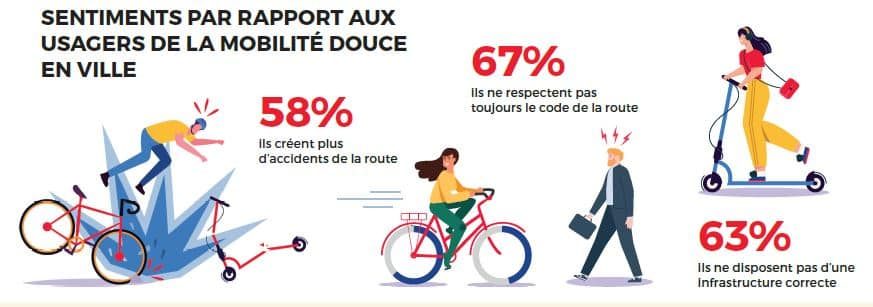
According to Redion's 2025 Mobility Survey, 67% of road users believe that light-mobility users don't follow traffic rules, and 58% believe they cause more accidents.
How can the number of minors involved in road accidents be reduced?
The Federal Road Safety Plan includes training and awareness-raising for young people on traffic matters. Several stakeholders are involved: parents, of course, but also schools, sports clubs and youth movements. Social media is also a useful platform for spreading this message.
Who is liable for damage caused by a minor?
Since 2025, everyone who "holds parental authority" is liable for damage caused by minors under their responsibility. Besides parents, this therefore also includes foster families, adoptive parents and legal guardians.
Does liability vary depending on the minor's age?
Minors under twelve cannot be held personally liable. Those who "hold parental authority" are therefore always liable.
Minors over twelve also cannot be held personally liable, but parents can provide evidence that the damage isn't due to their own fault.
Minors over sixteen can be prosecuted for traffic offences as if they were adults.
Can a minor face criminal prosecution?
Traffic offences committed by minors under sixteen are handled by the youth prosecutor's office. In the event of a serious offence, the minor can be summoned to appear before the youth court.
Offences committed by a minor aged sixteen to eighteen are handled by the police prosecutor's office. An out-of-court settlement may be offered, or the prosecutor's office may refer the case to the police court.
How can those holding parental authority get insured?
Those holding parental authority have every reason to take out family insurance, as compensation amounts can be high. This insurance covers material and bodily damage caused to third parties.
Legal protection insurance is also an option, and can help recover damages.
Cycle assistance is also useful: it steps in not only in the event of a bodily injury accident, but also when the vehicle can no longer be used on public roads due to a breakdown or accident. At Redion, you can take out Bike cycle assistance. Cycle assistance is also included in the Light, Smart, Sport and Vip annual contracts.
Why is vehicle maintenance important?
Finally, good vehicle maintenance is essential for extending its lifespan and avoiding accidents caused by a technical fault.
Here are a few tips for maintaining a bicycle, electric scooter, scooter or moped:
- Remove all dirt after riding in bad weather
- Regularly check the tyres and their pressure
- Check that the brakes are working properly
- Check that the front and rear lights are working correctly
- For vehicles fitted with a battery: - Don't charge the battery to 100%, but to a maximum of 80% - Don't let the battery run completely flat - Keep the battery at around 30% if it won't be used for a long period
- For bicycles: regularly lubricate the chain with oil
- Keep the vehicle in a dry, secure place