At a glance
Want to take up paragliding? Thomas de Dorlodot gives some good tips for learning to fly...
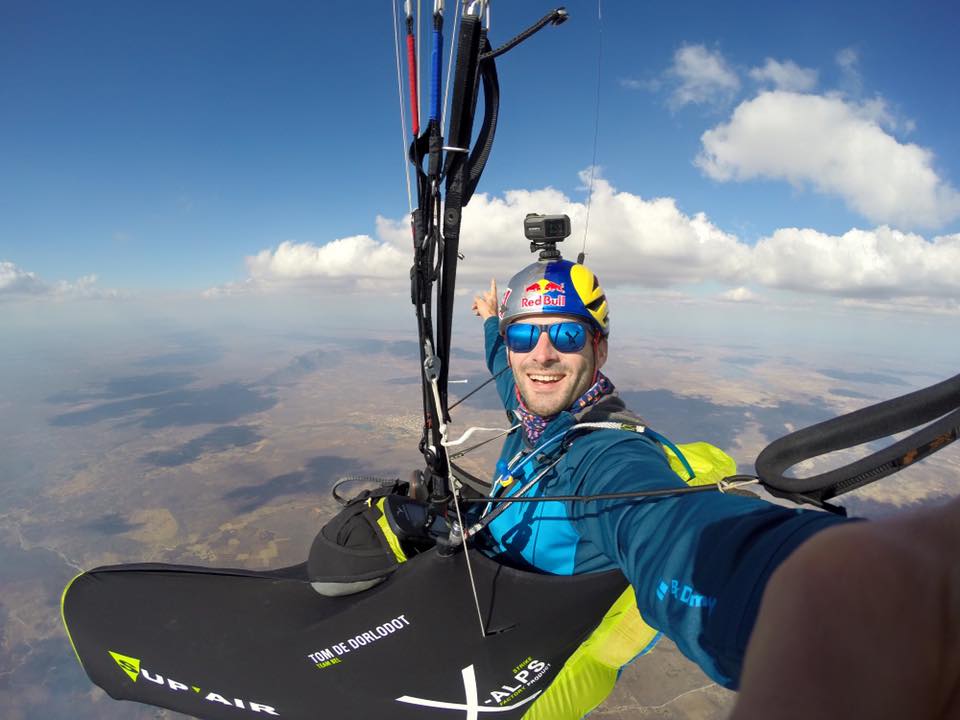
Renowned adventurer and paraglider Tom de Dorlodot tells us about his passion for paragliding and gives some useful tips for anyone who wants to take up this sport and take to the skies.
Learning to fly?
© Thomas de Dorlodot
The title of this article might seem a bit ambiguous! "Fly". Yet that's exactly how most people put it when they ask me about the best way to get started in paragliding: "Tom, how do you learn to fly?"
"Where do you start? How, and with whom? Is it dangerous? What equipment should I choose? How much does it cost? Do you need to be a seasoned athlete, or is it open to everyone?"
For me, it's always a real pleasure to share my passion and to give as much information as possible so that everyone has the chance to try this unusual sport.
Your first paragliding flight
A tandem flight
© Thomas de Dorlodot
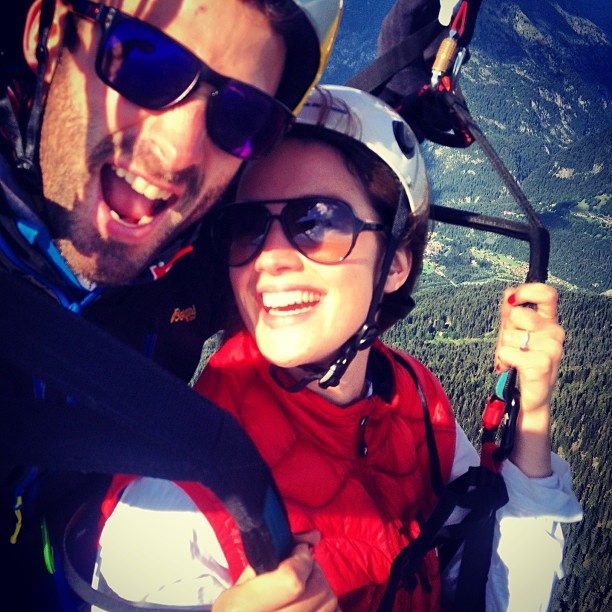
First of all, before signing up for a full course, I'd recommend doing a first tandem flight. Paragliding is one of the few sports you can "try" without any prior experience whatsoever. To do so, nothing could be simpler: just book a tandem flight. You'll fly with a professional and won't have to worry about a thing. Just enjoy it! A few steps are enough and you'll be up in the air, sitting comfortably in your harness with your feet dangling.
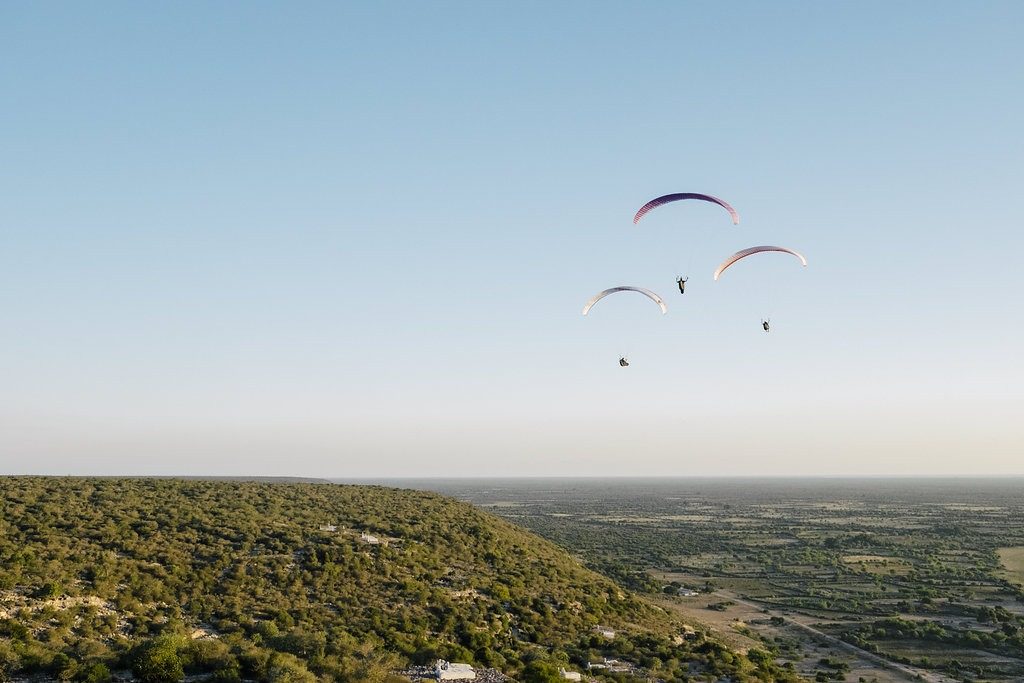
In paragliding, you don't "throw yourself" off a cliff, you don't "jump" into thin air… You first inflate your wing gently and take off after a few steps. It's a genuinely different approach. You take flight.
It's fairly easy, and a tandem flight really involves very little risk. For anyone who suffers from vertigo, know that it disappears automatically as soon as you're no longer in physical contact with the ground! So that's no reason to deny yourself the pleasure of flying!
Flight duration
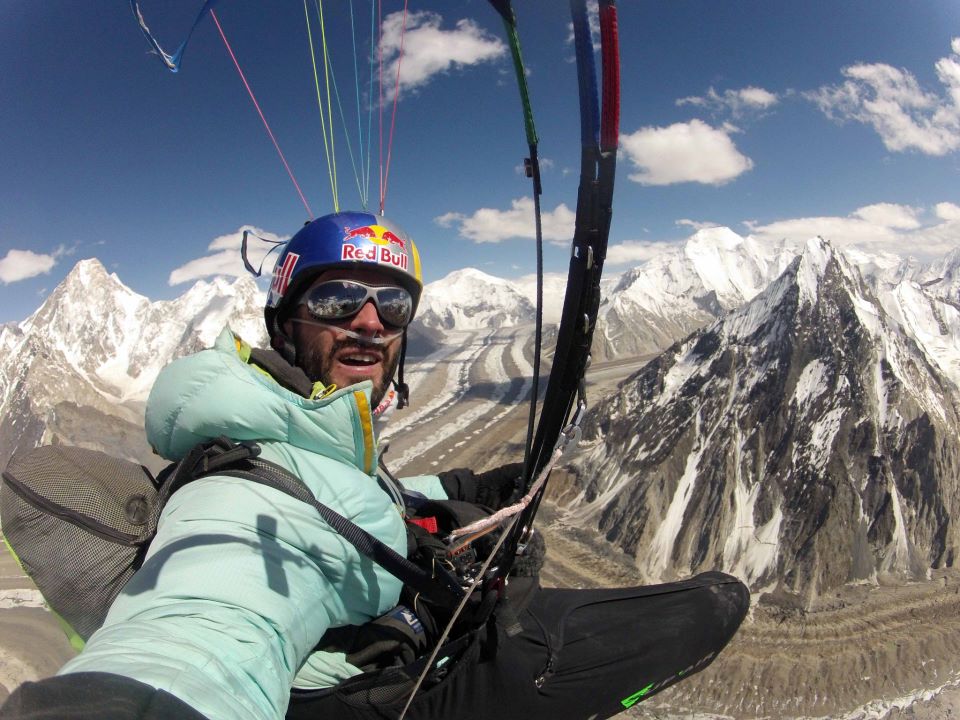
Generally, a tandem flight lasts 15 to 20 minutes. But it's also possible to request the "long flight" option and stay in the air longer by riding thermal updrafts to gain altitude (weather permitting). The pilot manages the wing. Usually, things go pretty smoothly, and they might even hand you the controls for a few minutes. A tandem flight always leaves an unforgettable memory. For thrill-seekers, just say so, and the pilot can even perform a few aerobatic manoeuvres. Conversely, if you're more of a contemplative type, ask for a calm flight to enjoy the view. There's really something for everyone! And it's accessible to almost anyone, from young people to the not-so-young.
© Thomas de Dorlodot
Is it expensive?
In terms of price, it's actually quite affordable… A tandem flight generally costs between €75 and €150, depending on the location and the duration of the flight. If you look online, you'll find schools all over the Alps. Personally, I think Chamonix, in France, is a pretty great spot for a first experience. The view over Mont Blanc and its glaciers is fantastic… The school "Les Ailes du Mont Blanc" is really excellent. You might even be lucky enough to fly with Sandie Cochepain, a really lovely paragliding World Champion! http://www.lesailesdumontblanc.com/
An introductory course
And if, like me, you fall head over heels for the sport straight away and want to get into it, nothing could be simpler! All you need to do is sign up for an introductory course. I'd strongly advise against trying to teach yourself, say with a friend who improvises as a paragliding instructor. Teaching is a real profession, and the learning phase should be taken seriously, at a school with genuine, certified instructors. Paragliding isn't a dangerous sport, but it does carry risks.
© Nicolas Assael
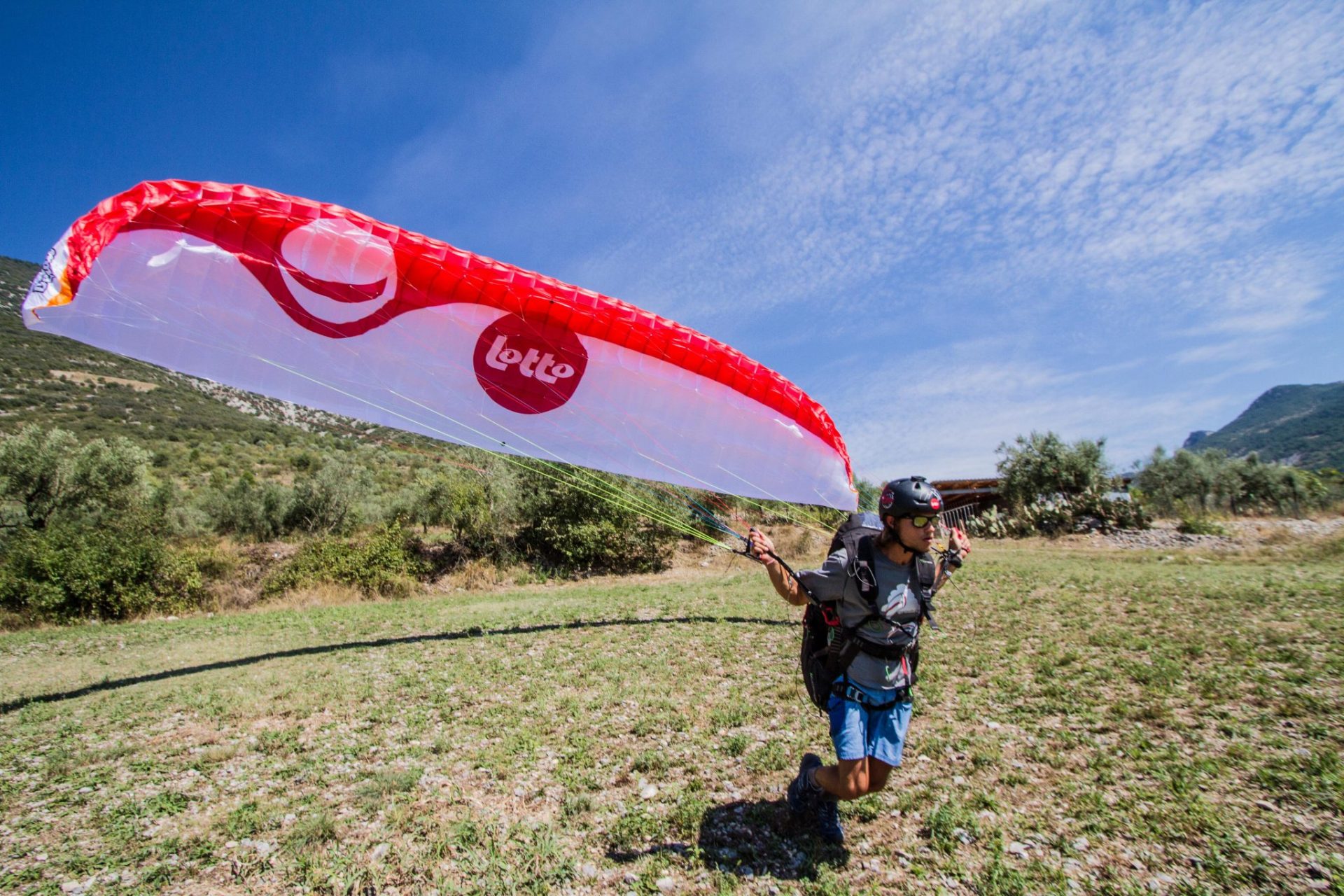
Every school has its own teaching method. The introductory course always starts with a few days of slope training. This involves practising on the ground, inflating and controlling the wing. Little by little, you can make small jumps on a slope to get a feel for take-off and learn to manage the brakes on landing… Then, after learning the basics of theory and doing a tandem flight to get a bit used to the sensations of flying, you'll be able to do your first solo flight, ideally in calm conditions. You'll be well briefed and guided, from take-off to landing, by an experienced instructor, via a radio link.
Paragliding schools
Never hesitate to mention that you're a friend of mine when you contact one paragliding school or another. It's a fairly small world, a real community. And there, as everywhere else, the old saying holds true: "friends of my friends…".
© Thomas de Dorlodot
In French-speaking Belgium, there are several schools. I particularly like Foud'l, based in the Godinne area. They run slope training and theory sessions on weekends, followed by your first flights during a course in the Alps. Here's their website: http://fou-d-l.be/ You can contact Jean Yves by email at: voler@voler.be or by phone on +32 474 55 59 61. The atmosphere on their courses is always pretty great.
In Flanders, there's also Kris Claessens' school. He's super talented and really friendly. His school also has a very good reputation. And they're really professional. You'll find all the information here: http://www.ikarus.be/
Abroad: if you want to start straight away abroad, I always recommend the school Les passagers du Vent in Annecy. The setting is magical and Vincent's team is very talented. Allow at least four days on site. Here's the school's website: https://www.lespassagersduvent.com/
The cost of a course
© Thomas de Dorlodot
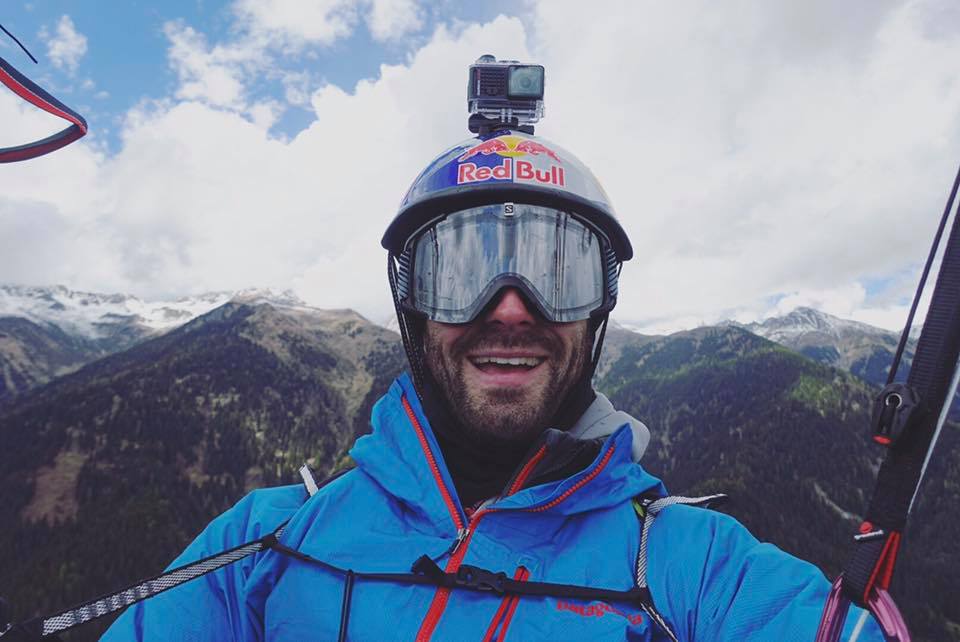
Paragliding is a more accessible sport than you might think. It's certainly the cheapest air sport out there. For an introductory course, budget around €500. It's really a lovely project to share as a couple or with friends. Schools often have good recommendations for local accommodation, and you can usually stay at a nearby campsite for a very reasonable price.
A few tips for a successful course
- wear high boots to protect your ankles;
- bring sun cream;
- bring a good pair of glasses to protect you from the sun as well as the wind during the flight;
- remember to bring warmer clothes and a pair of gloves… it's cooler at altitude!
And if, after the course, you want to keep going, the schools will be able to advise you on buying the right equipment and on the coaching you'll still need before reaching full independence.
Happy flying! And as I like to say: "blue skies & soft landings"!
Tom
Questions and answers
What are the risks of paragliding?
The weather. If you don't read it correctly, it can be risky. Hence the importance of being well guided or well trained to understand these factors and fly in safe conditions. It's also risky if you don't have the right equipment (make sure you have a beginner's wing when you start out in paragliding, for example). Paradoxically, paragliding is riskier the closer you stay to the ground… When you're high up in the air, situations are easier to manage.
Is paragliding not advisable for certain people?
Yes. For people who may be prone to heart problems, for example. In principle, you should have a check-up with your doctor before taking up this sport (as with many other sports).
Is there an age limit?
It's recommended not to start before age 16. As for the upper limit, I'd say the main thing is to listen to your body. You need to be able to run and absorb your own body weight in order to ensure a safe landing.
Do you need a licence?
© Thomas de Dorlodot
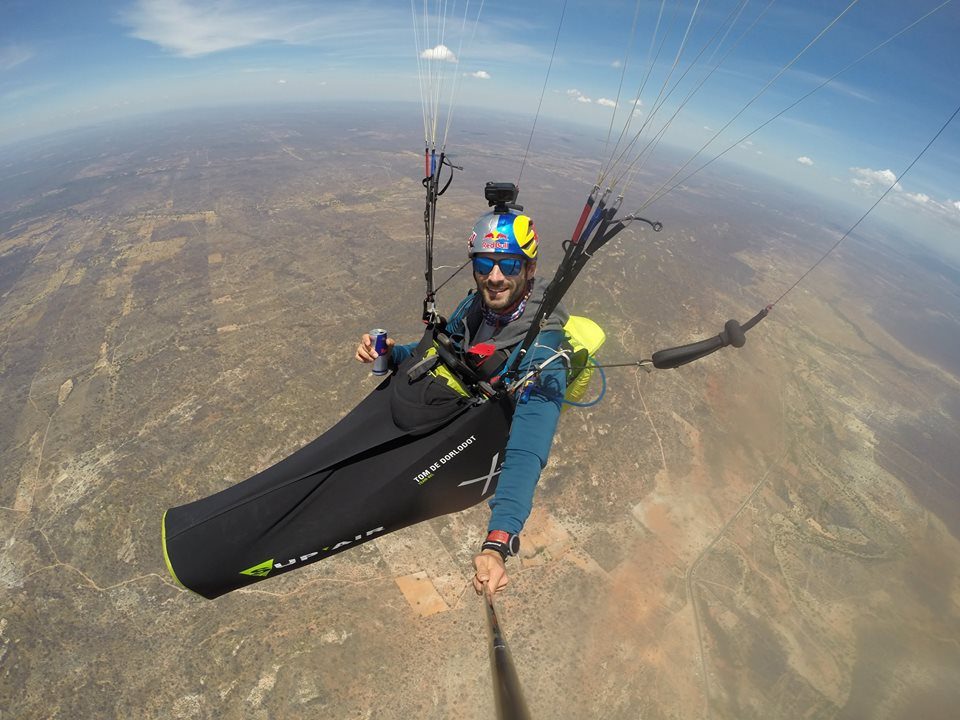
No, not if you're supervised and practising paragliding with an instructor, within a school. To practise paragliding independently, it's important to be insured, which generally goes hand in hand with joining a federation (validated by a theory and practical exam).
Can you paraglide anywhere?
No. There are, for example, areas that are off-limits and can't be flown over. This is the case, for example, for airports or military bases. It's always best to plan ahead and check with the local authorities.
Follow Thomas de Dorlodot on his Facebook page, on his website or via Searchprojects.net
Also read Tom's articles in the "Travel and adventure" series
© Cover photo: John Staples