At a glance
Do you know the Isle of Skye in Scotland? Yannick and Charlotte from the site "Soms ook heimwee" went there and give you their list of 7 must-do things.
Charlotte is one of the writers of the website « Soms ook heimwee ». There she publishes travel stories aimed at convincing eternally indecisive travellers to finally set off.
« Soms ook heimwee » (literally « Sometimes homesick too ») is a visual travel blog that tries to persuade people who are rather « scared » of setting off to discover original or unknown destinations, through inspiring travel stories.
Are you still hesitating to go too? 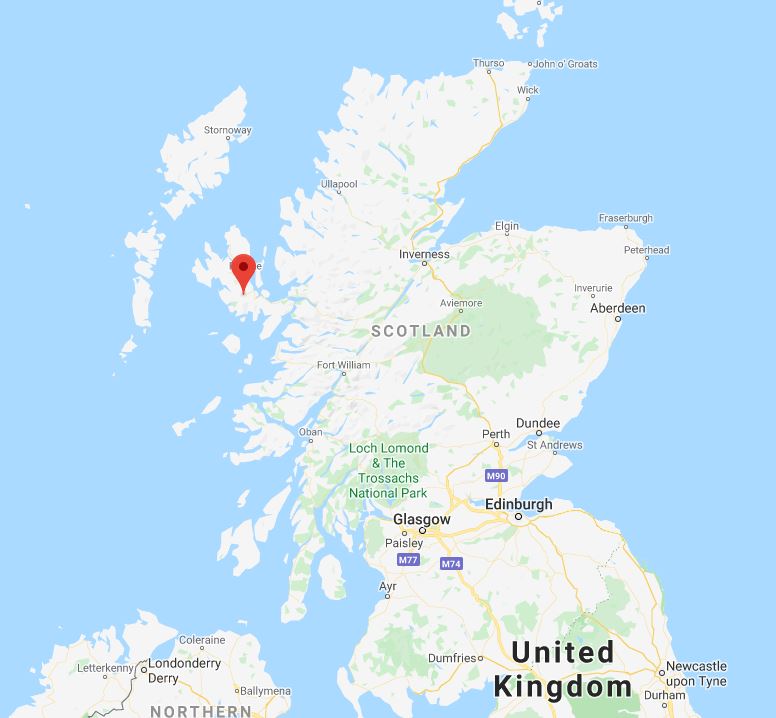
The Isle of Skye: a must-see island in Scotland
Rough Guides rightly declared in 2017 that Scotland was the most beautiful country in the world. This region is a travel destination at the top of many travellers' lists. There, you can visit cities such as Edinburgh and Glasgow, discover the wild nature of the Highlands, and stroll along magnificent coastlines.
One of the most famous spots is the Isle of Skye, a medium-sized island in north-west Scotland. There, you'll find beautiful beaches and rocky cliffs, green landscapes dotted with sheep and Highland cattle, and you can enjoy wonderful walks. The island is easy to reach, as it's connected to the mainland by a large bridge. You can therefore easily get there by car without having to take a ferry.
We visited the island in winter and give you a few good ideas.
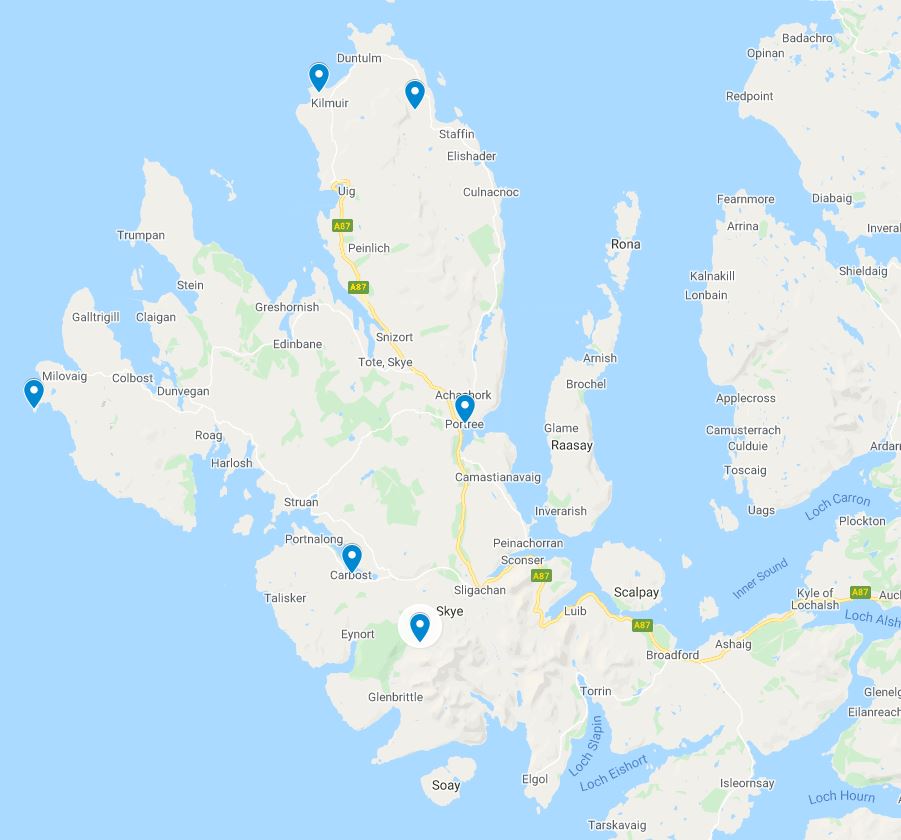
7 things to do (in winter) on the Isle of Skye
[ ](/upload/blog/2020/02/Places-to-see-Isle-of-Skye.jpg)
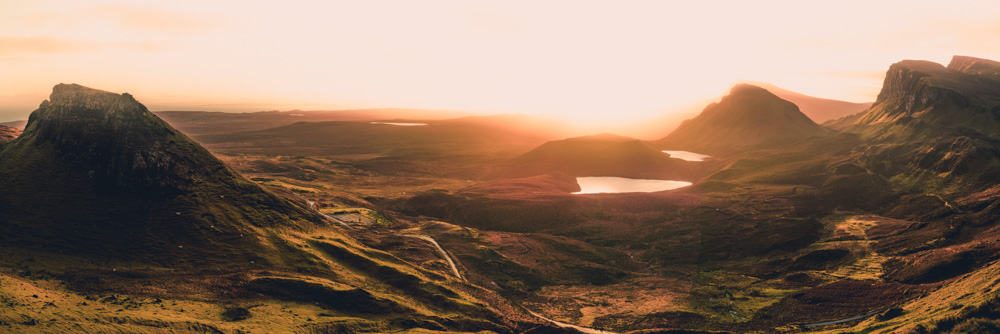
1. The Quiraing hike at sunrise
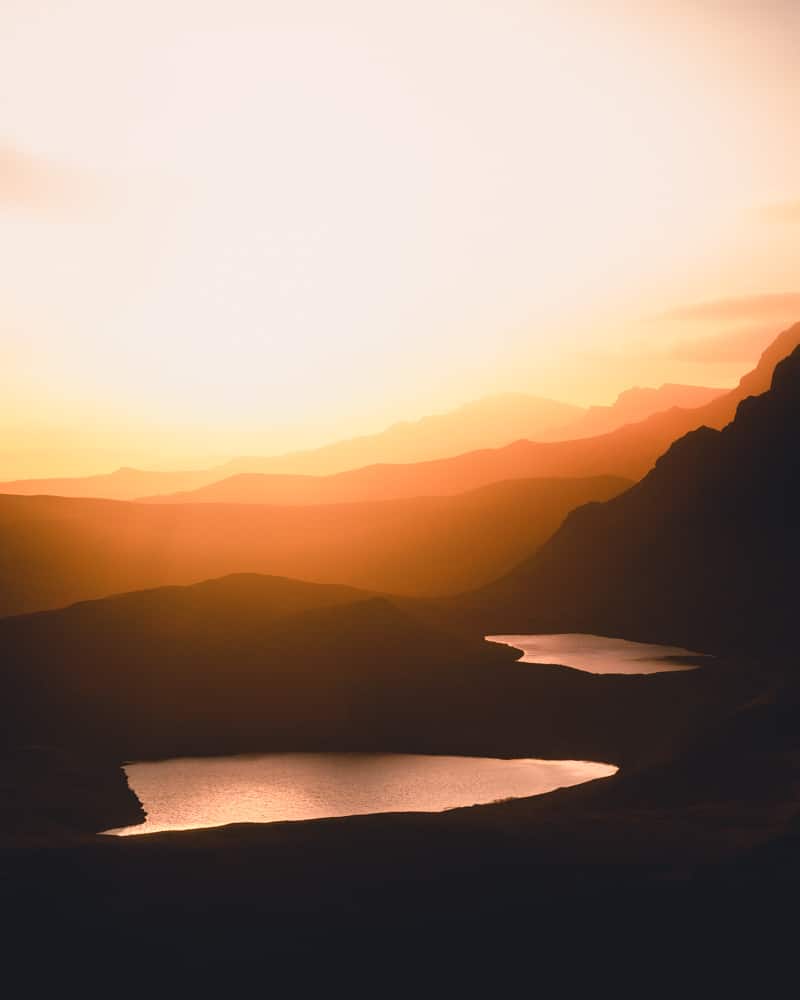
Quiraing
One of the most beautiful walks you can do is the Quiraing hike, half an hour's drive from Portree. This hike is around 7 km long and can therefore easily be covered in 2.5 hours. It's a loop that takes you along winding paths up to a vast plateau, offering ever more stunning views. An ideal walk at sunrise, as the golden morning light is phenomenal!
2. Whisky tasting at Talisker
© Jacek Dylag – https://unsplash.com
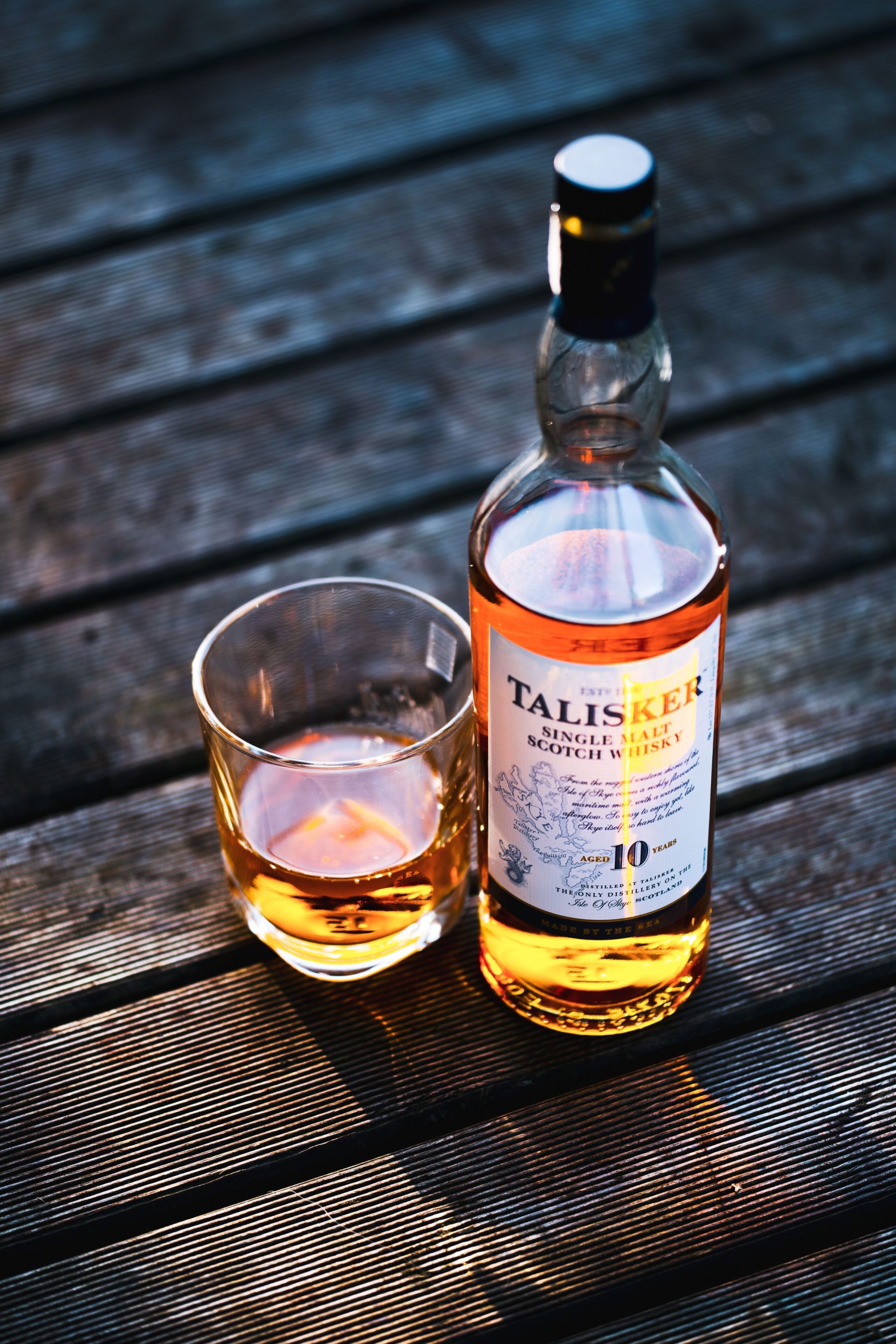
Say Scotland, and you automatically think of whisky. Your family and friends who stayed home will no doubt beg you to bring back a large bottle of that amber drink. So don't forget to stop off at a distillery.
One of the most famous whiskies comes from Carbost on the Isle of Skye, Talisker whisky. There, you can take a guided tour, followed by a tasting, at the island's oldest working distillery.
In winter, the Talisker distillery is open every day from 10am to 4.30pm, and on Sundays from 10.30am to 4.30pm.
3. Admiring the Northern Lights
Scotland probably isn't the first destination that comes to mind when you think of the Northern Lights. Yet the latitude of the north of Scotland is the same as that of Alaska or Norway. Autumn and winter are the periods when you have the best chance of admiring this magical light dancing across the sky. Head to the northern tip of the Isle of Skye, wrap yourself in a warm blanket and cross your fingers for the show to begin!
Handy tip: in the hamlet of Bornisketaig, there's a small jetty where the Northern Lights are most often spotted.
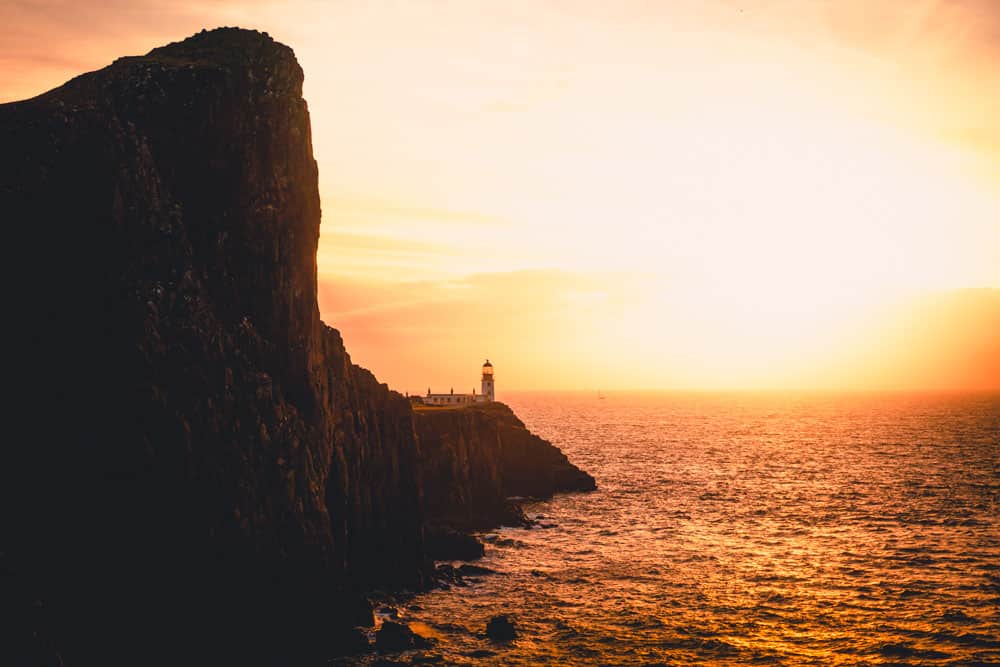
4. Taking a deep breath at Neist Point
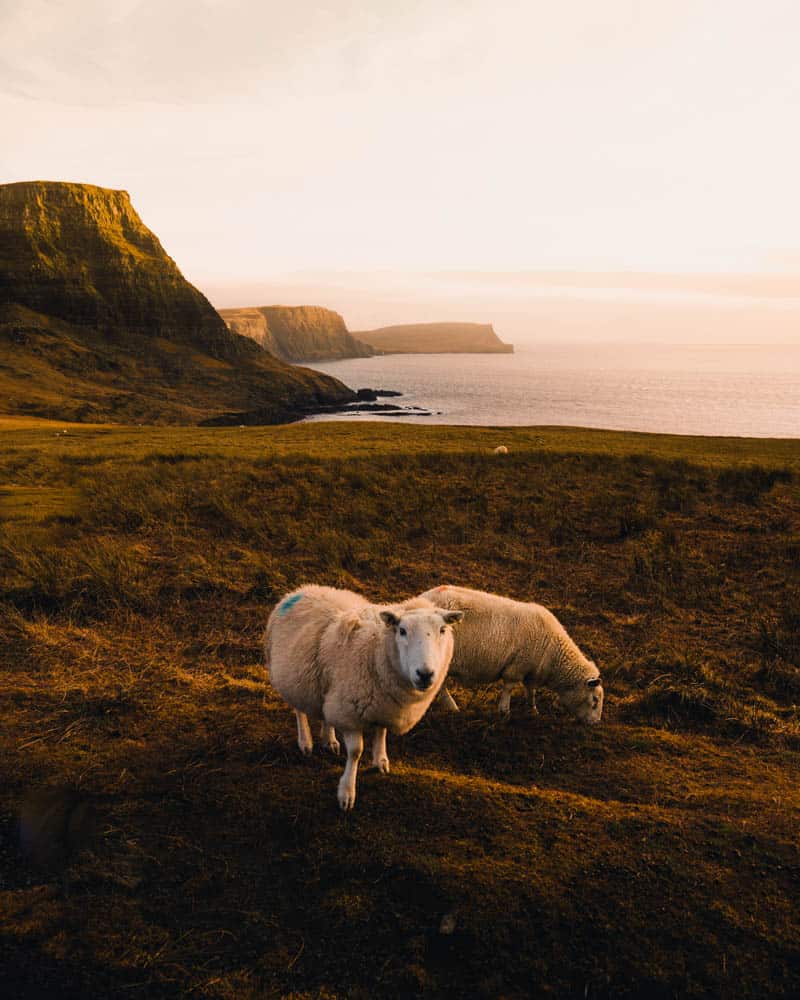
Neist Point
The Isle of Skye is certainly just as well endowed with magnificent cliffs as Ireland or the Faroe Islands. Head to Neist Point, on the island's west coast. A picturesque lighthouse seems to point towards the end of the world. If you're feeling brave, you can climb the cliff there, or simply walk up and enjoy the view.
5. Eating "fish & chips" in Portree
The largest town on the Isle of Skye is Portree. There, you'll find shops, a supermarket and numerous pubs where you can sit down for a meal. Portree is a small, welcoming harbour town with colourful houses. On the quays, alongside the moored boats, you'll find stalls selling the local speciality, "fish & chips". Delicious!
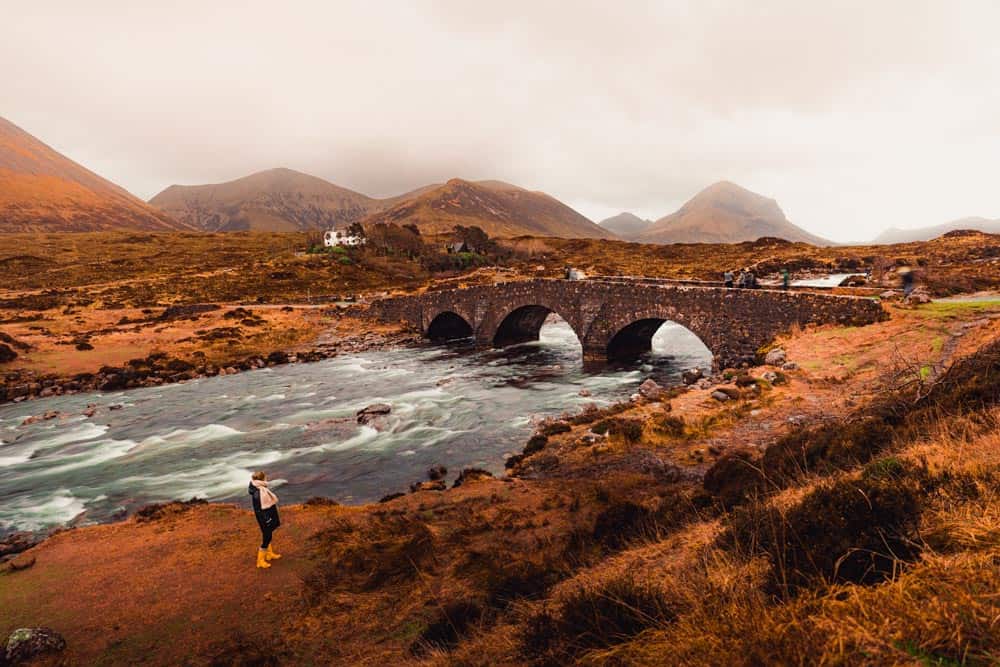
6. Magical walks at the Fairy Pools
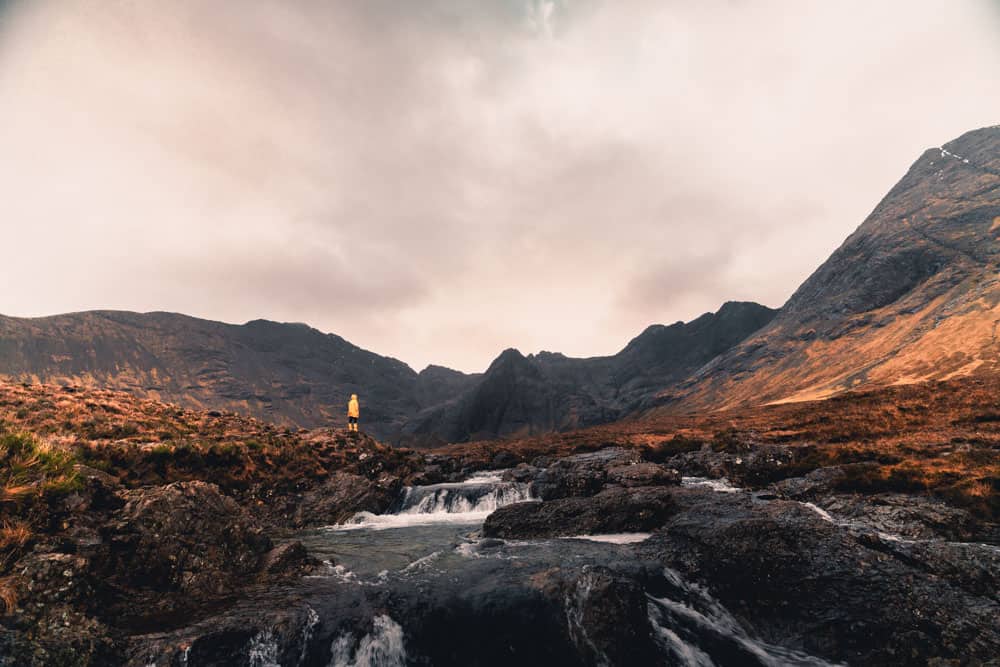
Fairy Pools
It really looks as though a fairy has transformed a wild mountain stream into small pools and picturesque waterfalls, all in enchanting shades of blue and green. The walk along the Fairy Pools is neither too long nor too tiring, and follows the same path back. It's not just an ideal spot for walking, as brave swimmers also dare to jump in for a more than refreshing dip!
7. Taking selfies with the #hectorhighlandcoos
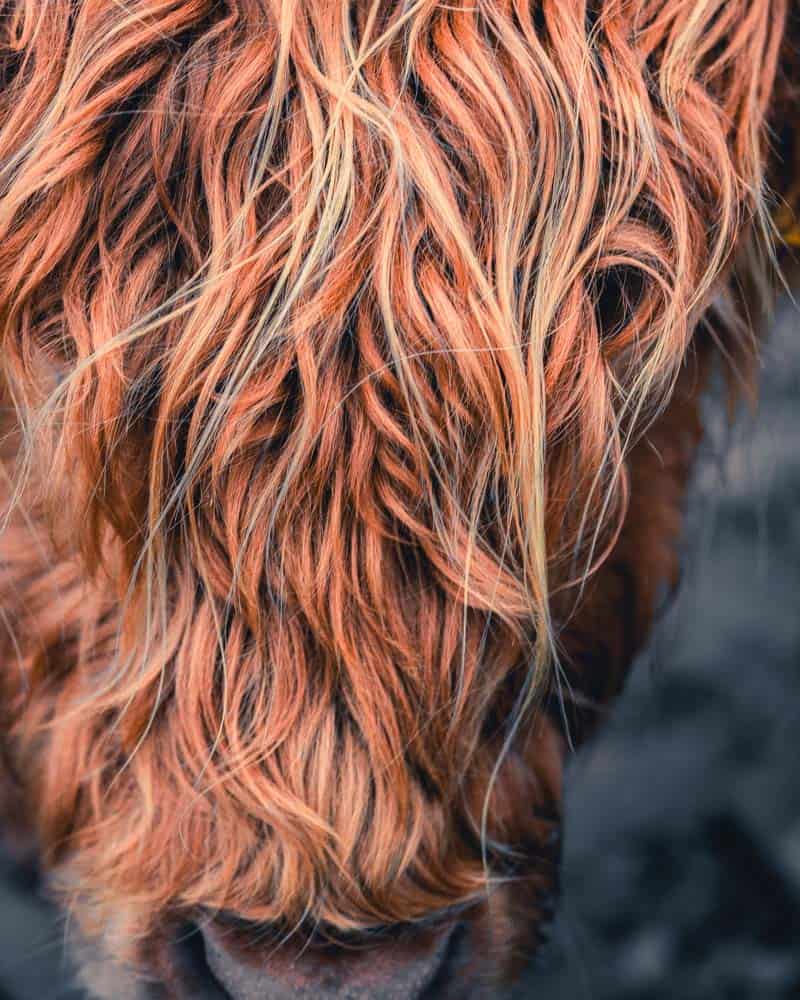
The Highland cow
The digital generation would certainly be tempted to nickname this fluffy animal the "Instagram cow". It's easy to see why. Both cuddly and dangerous, with their beautiful reddish coats and pointed horns, these Highland cattle make outstanding subjects for original photos. What's more, they're gentle animals that love coming to sniff you along their fence.
One, two, three, selfie!
Useful information about Scotland
How to get to Scotland?
If you'd rather travel without a tour bus, and therefore without hordes of tourists, you'll definitely need a car to reach the most beautiful spots. Scotland can be visited by bus or train, but of course the most beautiful places aren't usually near a big city.
From Belgium, you have two options for getting to Scotland: by plane or by ferry.
If you choose the ferry, you can cross the sea with your own car. That way, you won't have to worry about waiting times at the airport or luggage restrictions and checks (at least as long as the UK doesn't change travel formalities too much following Brexit). Ferries depart from Zeebrugge, Rotterdam or Amsterdam, and you'll arrive in England after a night spent in a comfortable cabin with a view over the North Sea.
Bookings are made on the Direct Ferries website.
Flying is a faster option and the easiest way to reach Edinburgh. Flights depart daily from Zaventem or Charleroi. If you go with a low-cost airline, you'll find return tickets from €30. Don't forget you'll need to rent a car once there. During peak season, such as the Christmas holidays, it's best to book in advance.
Driving on the left
As everywhere in the UK, on the Isle of Skye you drive on the left. But there's no need to be afraid of it, as you'll quickly get used to it.
Read the article "Driving on the left abroad" on this subject
Scotland's climate
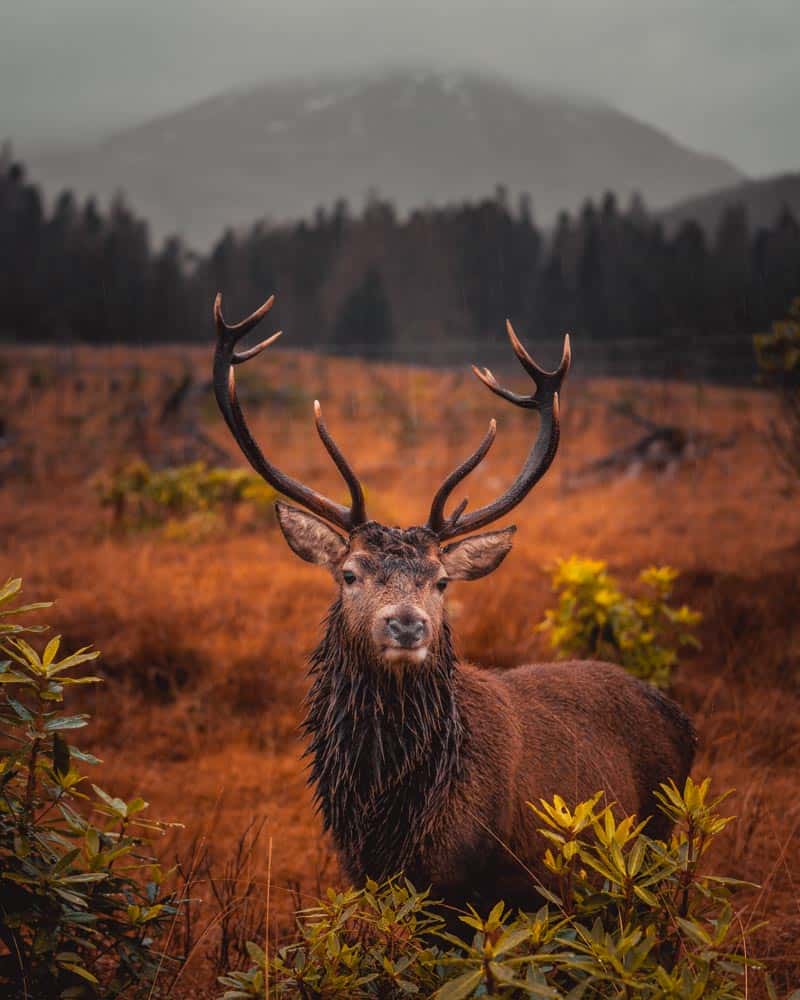
Scotland is surrounded by oceans and seas and therefore enjoys a maritime climate. It rains around two hundred and fifty days a year! Not like the monsoon rains found, for example, in Asia, but rather continuous hours of drizzle or light rain. In winter, it can also snow heavily.
But at other times, the steady south-westerly wind clears away the clouds and the sun spreads its golden rays over the vast meadows and mountainous plains. Scotland is therefore not a "sun and beach" type destination, but an ideal destination in any season of the year for a road trip, exploring the countryside, wild lakes, (haunted) castles and historic towns.
Even in winter, you can enjoy a wonderful trip across Scotland, with the Isle of Skye as its highlight. On the island, the tourist season is never really quiet, but if you go outside the summer months, you'll have a more pleasant and peaceful trip.
Rain gear
A saying from Nordic countries goes: "There's no such thing as bad weather, only bad clothing". Pack suitable clothing when you're getting your bags ready. Think of a raincoat and several layers of clothing to keep warm. Boots are essential, as in rainy weather, many walks cross meadows that turn into marshland.
Also read "Travelling to a cold country"
Camping
Camping in Scotland? "They likey!". You can camp almost anywhere, but by the book: leave nothing behind (except your footprints), take nothing away with you (except your memories). Don't forget your tent and winter sleeping bag for a genuine outdoor experience in cold weather.
The currency: pound sterling
Scotland is part of the United Kingdom, so the currency used there is the pound sterling. You can pay with a Maestro or credit card almost everywhere, even in the smallest pubs. Having a bit of cash on hand can be useful for paying for, say, parking at the island's tourist spots.
Good insurance
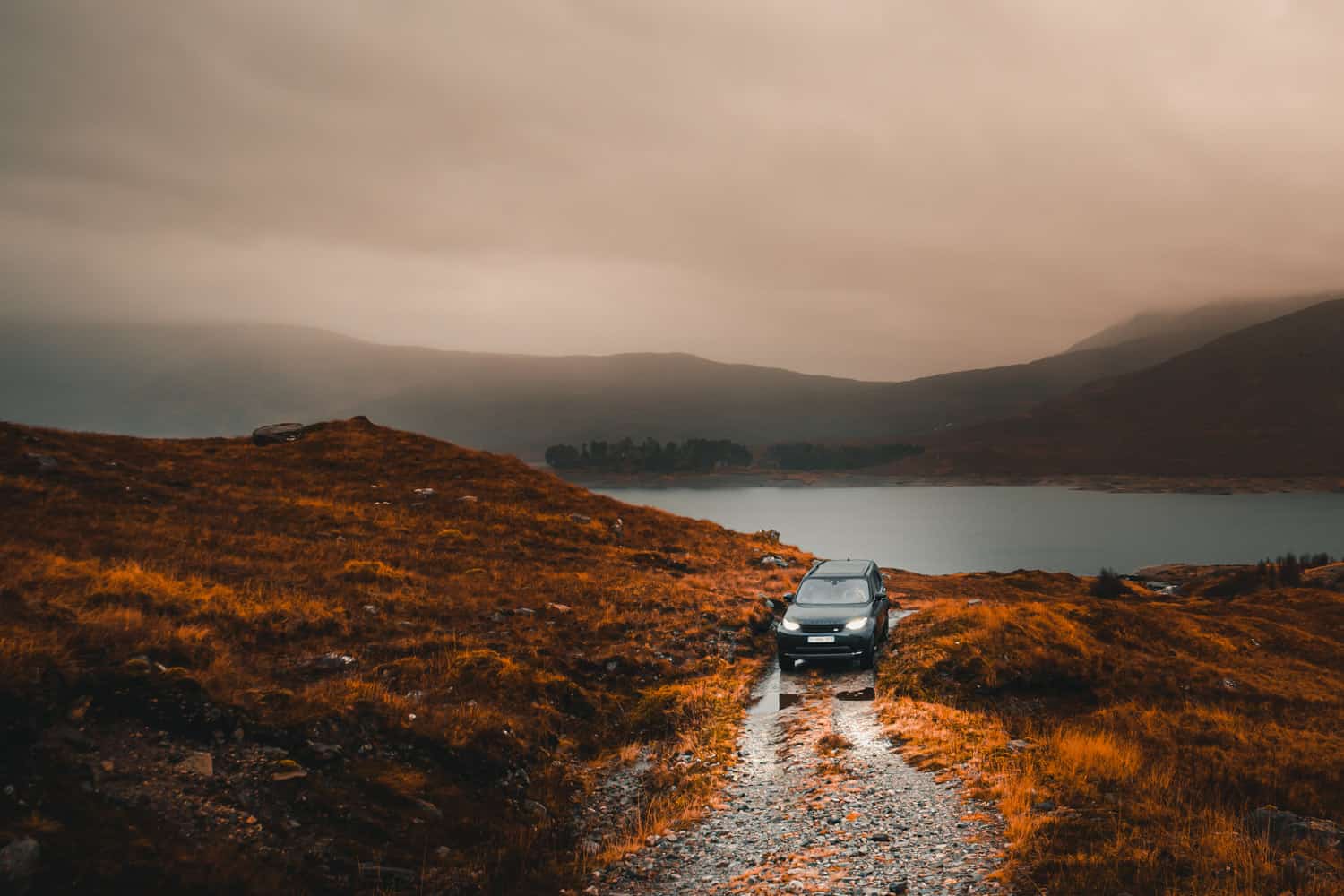
Whether you go there by your own car or a rental car, make sure you're properly insured. The further you venture into the depths of the Scottish countryside, the more challenging the roads become, i.e. narrow, muddy roads in bad weather. An accident happens faster than you'd think, especially in an unfamiliar environment.
The writers of "Soms ook heimwee"
Yannick and Charlotte travel the world, sometimes together and sometimes alone. They photograph and recount their journeys on their travel blog « Soms ook heimwee ». Him, you might meet taking magnificent photos at the top of a mountain. Her, she prefers scuba diving in search of whales.
Their favourite activity? Camping in wild forests, taking long car trips with no set route, and above all: encouraging you to do the same! Their travel adventures and stories aim to convince the undecided to make their wildest travel dreams come true.
Visit their website by clicking here.
Photos: Unless otherwise stated © Yannick De Pauw - "Soms ook heimwee"