At a glance
How should you go about properly hand-washing a car or an (electric) bike? What should you absolutely avoid doing?
It's probably not everyone's favourite activity, but it's really necessary. Washing your car or your (electric) bike is important to keep the bodywork in good condition (car) or to ensure it works properly (bike).
What's the best way to go about it if you decide to wash your vehicle by hand?
What should you absolutely avoid doing?
Our blogger Alain Dierckx gives us his tips.
Why wash your car or bike regularly?
Not cleaning a car or an (electric) bike means running the risk of damaging it. A car's paintwork, for example, suffers a lot from bird droppings, insects, weather conditions, tree resin, road salt, and so on. If you don't regularly remove this stubborn grime, the lifespan and resale value of your vehicle will be affected. What's more, number plates and front and rear lights must remain clean and visible at all times.
How should you properly wash your car or bike?
A preliminary note: if hand-washing isn't for you, you can of course always go to an automatic wash station or a car wash. In that case, however, you'll need to factor in a cost that can add up if you go regularly.
So here are a few tips for those who decide to wash their vehicle (bike or car) themselves, the proper way:
If you own an electric bike, first of all, it's best to remove the battery and the display or – if you can't do otherwise – to cover them up. You can briefly clean these parts with a dry cloth once you've cleaned the rest.
If your vehicle is very dirty, spray off the biggest bits of dirt using a garden hose. Use rainwater if you can (it's economical and eco-friendly).
For an electric bike, using a high-pressure washer is risky, as it can damage the paintwork and force dirt into sensitive parts of the bike. What's more, you risk washing away the grease that's there precisely to stop water and dirt getting into the bearings.
If you decide to use a high-pressure washer anyway, always keep a distance of at least 20 centimetres and angle the jet at 45 degrees. As with rinsing using a garden hose, it's best to use rainwater.
Use two buckets of water. Fill the first bucket with a mixture of car shampoo and warm water. Fill the second bucket with plain lukewarm water only.
Don't use a sponge, but a microfibre wash mitt. Dirt and dust can build up in a sponge and cause tiny scratches when rubbed over the vehicle. Always wash from top to bottom, and finish the job with a rinse to remove all the soap and dirt.
After rinsing, it's important to dry all surfaces as quickly as possible to avoid water marks. Dry everything using a microfibre drying towel or a chamois leather.
How do you clean a car's windows?
Mix a washing-up liquid, cleaning vinegar or a specific glass cleaner with lukewarm water. Wash the windows with a clean sponge. Choose a good-quality squeegee and make S-shaped movements to avoid streaks.
What should you watch out for when washing?
Avoid all-purpose detergent or washing-up liquid, as these products can damage your paintwork's protective coating. A detergent containing citric acid is ideal for cleaning grease, but it also strips important oils from the paintwork.
With electric bikes, stay away from the brake pads, brake discs and wheel hubs, as these are areas where the grease needs to be preserved.
Under what conditions should you (or shouldn't you) wash your vehicle?
Don't wash your vehicle in direct sunlight, as the car's metal panels retain heat, causing it to dry too quickly. In fact, the best time to wash your vehicle is right after a rain shower, as the rainwater will have pre-washed the vehicle and the dirt will come off more easily.
It's also very useful to wash the car regularly in winter. Grit salt and snow stick to your vehicle and can damage it.
Watch out, don't wash your car in freezing weather! The water will freeze immediately on the windows and bodywork. So opt for a safe wash somewhere with above-freezing temperatures, or at a car wash.
Tips for properly washing your car
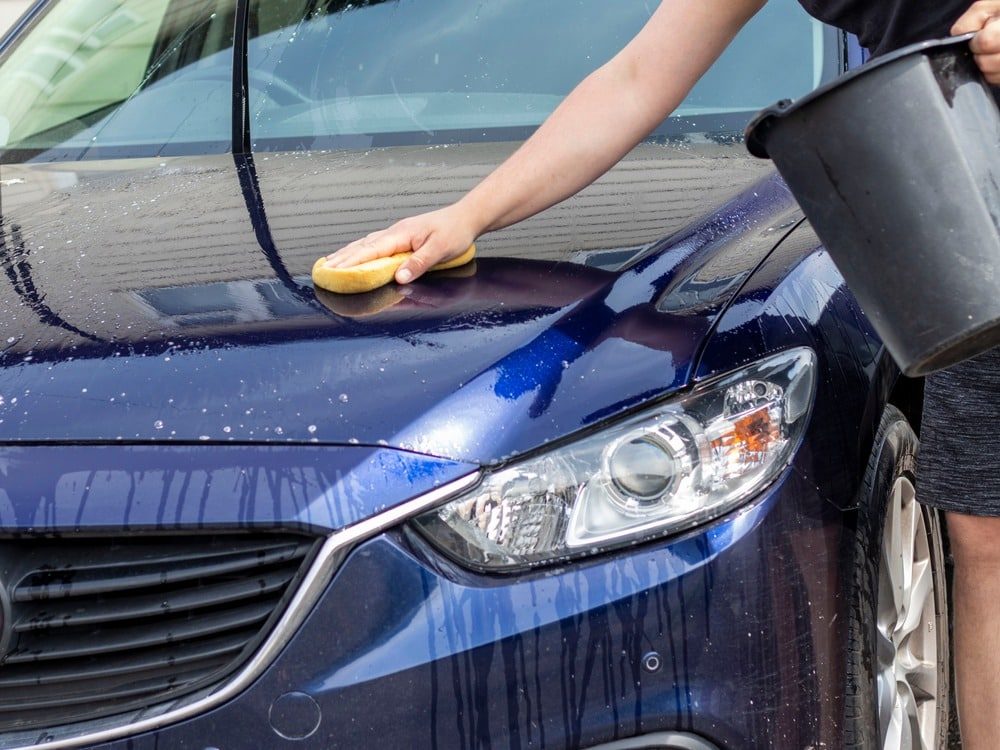 - A wax shampoo reduces how well dirt sticks.
- Put a damp cloth or a piece of wet paper towel on bird droppings. After a few minutes, you'll be able to remove them more easily. Don't use a sharp object or an abrasive sponge to remove droppings, as this would scratch the bodywork.
- Microfibre cloths can be used for the interior and exterior.
- It's not enough to just rinse your wash mitt under the tap once you're done. Put it in the washing machine.
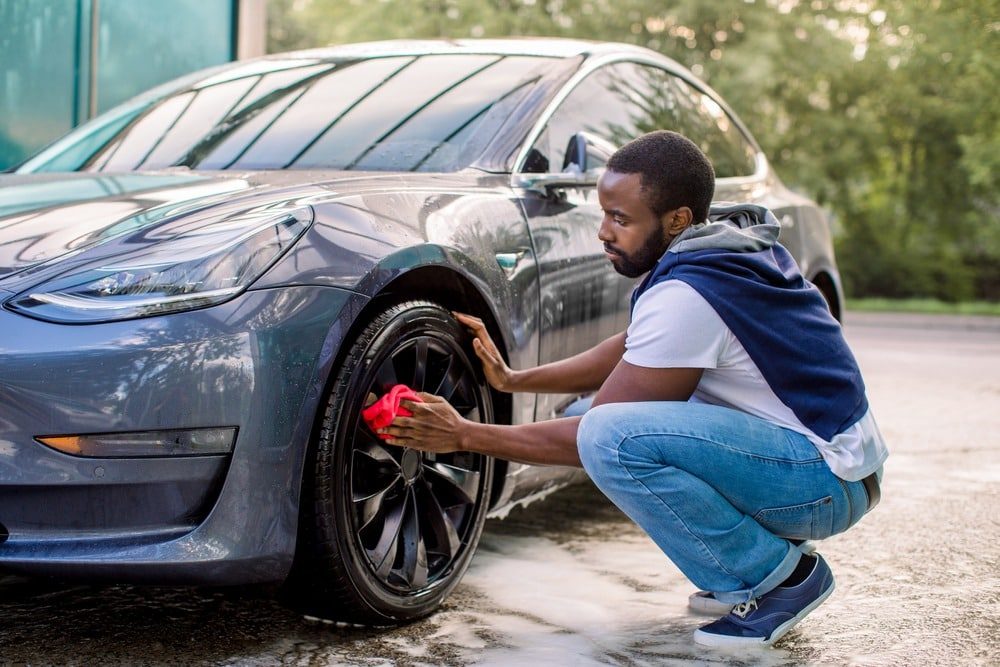
- Buy a special wheel cleaner and use a separate cloth. It's best to clean the wheels last.
- Clean the wiper blades with water containing a little white vinegar. Use a cloth to rub the mixture onto your wiper blades.
- Make the most of your cleaning session to top up the windscreen washer fluid reservoir.
Tips for washing your electric bike
- Clean your electric bike's wheels from the hub to the rim and rinse them thoroughly with clean water.
- To reach the corners of the electric bike's frame, use a small sponge or a sponge cut in half.
- After cleaning the electric bike, don't forget to lubricate the chain.
- Let the electric bike's battery contact points dry before putting the battery back.
- Read the article "Maintaining your bike"
Final tips
- If Sahara dust settles on your vehicle, don't use a sponge to remove it, as this could create scratches. The only way to wash it off is to use plenty of water.
- Check your local council's rules on washing cars, as some councils ban washing vehicles on public roads. During long dry spells, washing your vehicle (with drinking water) may also be banned.