At a glance
Have you heard of bikepacking? It's a combination of hiking and cycle touring. Here's what you need...
Have you ever heard of bikepacking? It's a combination of hiking and cycle touring. In other words, it's about adventurous cycling trips with overnight stays outdoors. In this article, our blogger Alain Dierckx gives us some explanations and tips on the subject.
What is "bikepacking"?
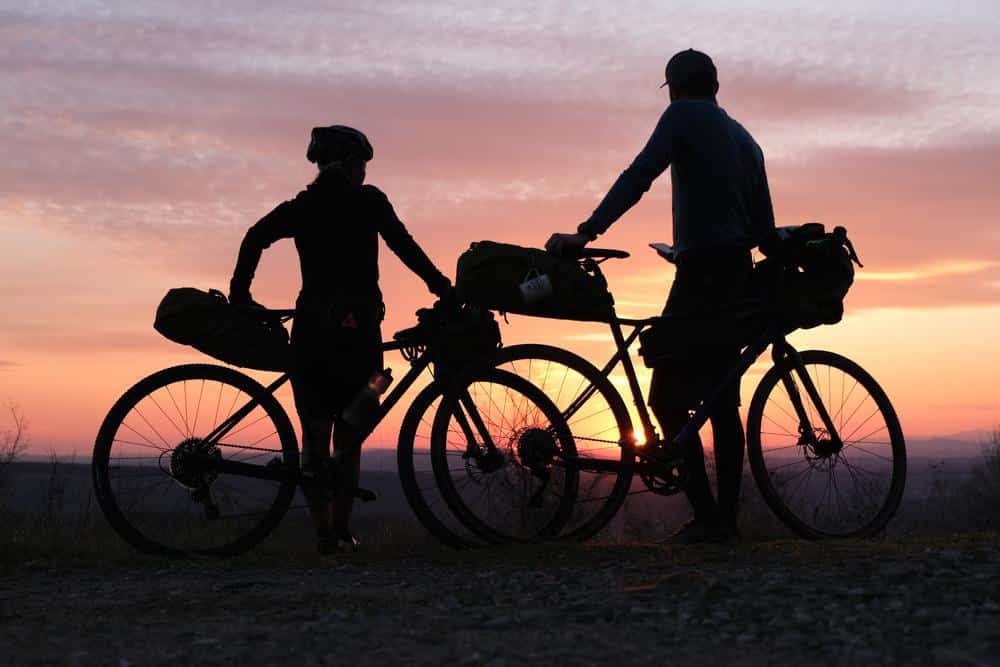
Bikepacking is a form of cycle touring lasting at least one night, during which you carry the bare minimum you need on your bike thanks to compact, lightweight bags designed specifically for this purpose. The concept of bikepacking lets you cover your routes with as little luggage and equipment as possible. Specially designed bags and cases, fitted to the right type of bike, make life much easier for you.
These trips let you discover magnificent places in complete freedom and with minimal effort. The sleeping bag, tent, sleeping mat, cooking utensils... everything has its place on your bike.
Where can you find bikepacking routes?
More than 300 (free) routes are available worldwide, adding up to a total length of around 130,000 kilometres, spread across 50 countries!
In Europe, 112 routes are available. On this website, you'll find a list of bikepacking routes in Europe. If you only want to ride in the Benelux, take a look here or here.
How do you choose the right bikepacking route?
Bikepacking routes can be very different from one another. Make your choice based on the parameters listed below. Whether you can bring your children along on your route will also depend on these criteria.
The country and region
Take into account the journey needed to reach the start and end points of the route.
The local weather and climate also play a role, as they will determine what you take with you on your trip.
The length of the route
The length of routes is generally expressed in terms of the number of days spent on the road. The most common routes involve one night, a weekend or a week. For the lucky ones who have more time, routes lasting a month, or even several months, have also been mapped out.
The road surface: paved, unpaved (sand, gravel, etc.) or a combination of both
The choice of surface you'll be riding on is very important. Always choose your route based on the type of bike you have. It's clear that comfort decreases and difficulty increases when the surface is rougher. But in that case, the trip is naturally more of an adventure.
The type of bike
- Are you taking a cycling trip on paved roads and carrying a lot of luggage? In that case, it's best to opt for a trekking bike, a sturdy, comfortable and stable bike on which classic travel bags and panniers are usually fitted.
- Does your route include both paved and unpaved roads? In that case, it's best to opt for an adventure bike. These can handle both types of surface and can be fitted with either light or heavy luggage.
- Finally, if you only ride on unpaved terrain, you can choose a gravel bike or a mountain bike. Both types of bike can be fitted with a lightweight bag.
The cost of these bikes can be high (from €350 up to more than €5,000). One piece of advice: do your first (short) route on your "old bike" to get an idea of what you need.
Which luggage racks should you choose?
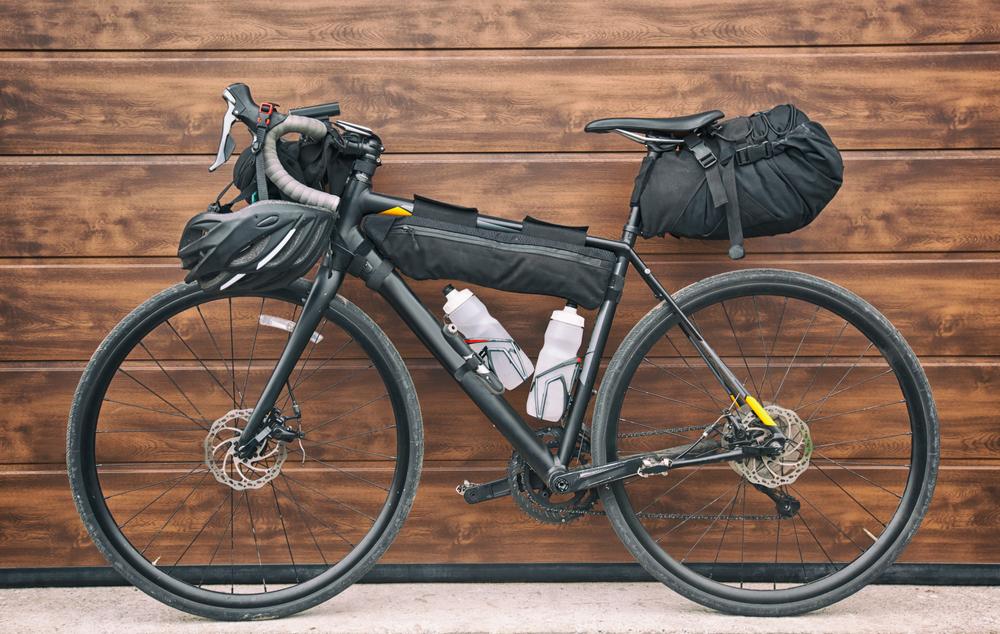 There are many types of bags or panniers for bikes, in all shapes, sizes, weights and colours.
The size of the storage bag depends on what you want to bring. Sizes range from less than a litre to 25 litres or more. Prices vary depending on size and brand and generally range between 50 and 200 euros. It's best to combine large and small bags.
Panniers can be attached to different places on your bike. For example, you can place them on or under the frame, under the saddle, on or in front of the handlebars, and even on the fork. The weight and contents of the bag depend on the location chosen.
- In a saddle bag, which attaches to the seat post, you can store small items such as cutlery, for example, as these bags are generally smaller.
- In a frame bag, which sits on the top or bottom of your frame, you can store longer items, such as tent pegs, for example.
- In handlebar bags, you'll preferably place items you need or might need more often, such as a repair kit for your bike.
Of course, you can also opt for a backpack. In that case, it's not a traditional backpack, but a lightweight backpack specially designed for cycling. These are generally the bags with the largest capacity.
One good piece of advice: only buy expensive bags after doing your first cycling trip. You can also rent equipment for your first trip (for example from A.S. Adventure).
What clothing should you choose for bikepacking?
Here too, the possibilities are endless.
A good bike helmet is essential (see our previous article on the subject). But the choice of clothing will obviously also depend on the weather conditions at your destination.
A great example is Scotland, where you can experience four seasons in a single day, and where it's useful to have suitable clothing. Bear in mind that you also need to be able to store spare clothes, so keep some free space in your bags for that. Gloves, cycling glasses, overshoes, and a waterproof jacket and trousers will come in handy. Prices vary from one brand to another depending on quality and waterproofing.
And now, off on your adventure!