At a glance
How do you choose a good bicycle helmet? What types of helmets are there? How can you find the right size?
Every year, traffic unfortunately still claims too many victims in Belgium. Cyclists are among them. They are sometimes seriously injured in falls caused by third parties or by poor road infrastructure. Suitable cycling gear is therefore essential, and choosing a good helmet is very important.
Our blogger Alain Dierckx explains what you need to know about bicycle helmets.
Is a bicycle helmet mandatory?
Wearing a bicycle helmet is not mandatory in Belgium, except in sports competitions and for cyclists riding speed pedelecs.
However, wearing a bicycle helmet is always strongly recommended to avoid injuries in the event of a fall.
Whatever the type or model, every bicycle helmet must carry the CE mark and comply with European standard EN 1078 (for adults) or standard EN 1080 (for children).
The different types of bicycle helmets
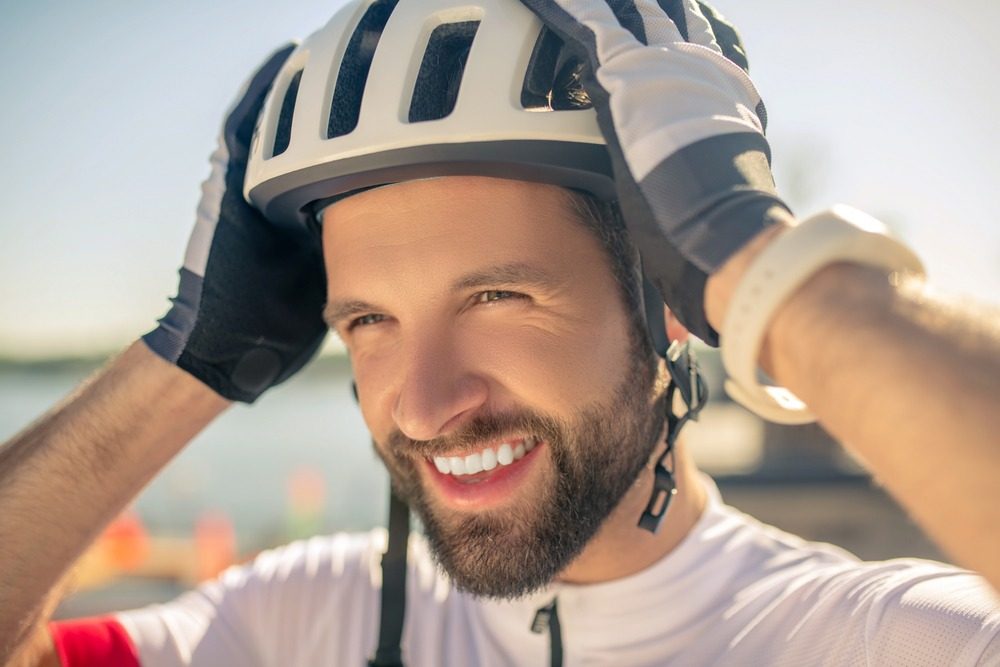
For recreational cyclists and commuters, an "ordinary" bicycle helmet will do the job. This type of helmet costs between €50 and €100.
However, if you ride far more kilometres than average and at higher speeds, it's better to choose a light and aerodynamic model, specially designed for "pro" cyclists or touring cyclists. The base price of these helmets is around €90 but can quickly rise above €200, depending on the brand, the model chosen and the options desired.
Fans of mountain biking or downhill racing should choose a model specially designed for their activity. These bicycle helmets offer greater protection at the back than ordinary helmets. The visor, which is usually adjustable, protects against tree branches that might get in the way. The price of these helmets is comparable to that of racing bike helmets.
There are also special models for speed pedelec riders. These are usually fitted with a sun visor and a visor that, according to legal requirements, must protect the temples and the back of the head. They comply with the EN 1078 standard. Bicycle helmets for cyclists who ride speed pedelecs are more expensive and generally cost more than €200.
Some helmets are equipped with Bluetooth technology, allowing you to make calls and connect to a smartphone app. But be careful: using Bluetooth must never come at the expense of safety. You must always be able to hear traffic noise and other road users.
Bicycle helmets for children
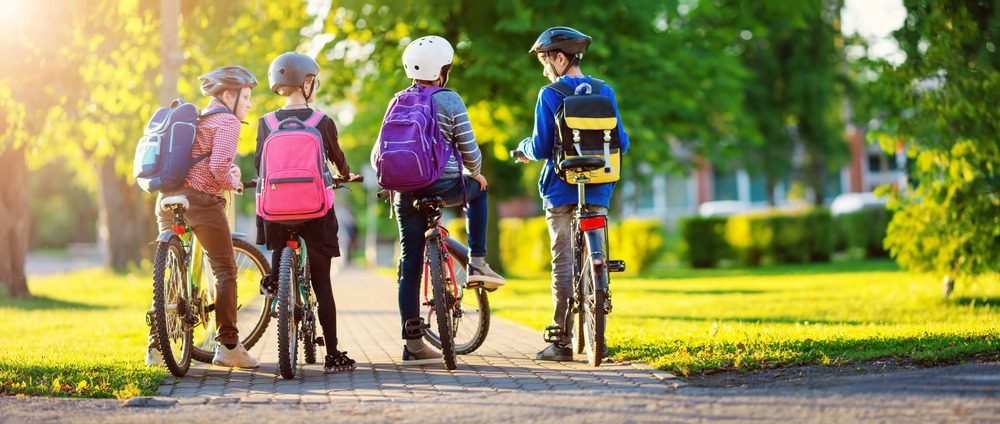 For children, a distinction is made between bicycle helmets for beginners (fitted with a hard outer shell, a little heavier) and helmets for more "experienced" young cyclists (made of a soft and very light outer shell).
Children may be reluctant to wear a bicycle helmet. It's therefore important that the fit on their head is perfect. If it isn't, your child will probably be reluctant to wear it. A particular colour or decoration can encourage your child to wear a helmet.
Also, it's obvious that you need to keep up with your child's growth and replace their helmet as they grow.
A children's bicycle helmet costs between €30 and €70.
A bit of terminology
Bicycle helmets are made of hard plastic (usually polyethylene) on the outside and of foam or polystyrene (usually polycarbonate) on the inside.
When buying one, you may come across unfamiliar terms such as In-mold, ABS/Hardshell and MIPS. What do they actually mean?
In-mold is a lightweight, simple construction that protects you from surface impacts, but doesn't resist the possible penetration of sharp objects.
ABS/hard shell is a sturdier, heavier construction, with fewer ventilation holes, that offers good protection against impacts and sharp objects.
Finally, MIPS (Multi-directional Impact Protection System) is a special safety system. It's an extra layer of protection between the shell and the helmet's inner lining that rotates slightly in the event of a fall, and can thus help prevent brain trauma and neck injuries.
How to properly fit a bicycle helmet on your head
Measure the circumference of your head 2.5 cm above your eyebrows to determine your bicycle helmet size. Then check the size guides you'll find in shops (or online) on the helmet's product page, so you buy the one that matches your build.
Do you wear glasses? Make sure to wear them when trying on the helmet in the shop.
Put the helmet on your head, loosen the strap (the chin strap) and tilt your head forward. If the helmet doesn't move or fall off, it fits well.
Bicycle helmet maintenance
The outside of the helmet can be cleaned with water and washing-up liquid. It's best not to use chemical cleaning products, as they can damage the helmet.
Clean the inside of your helmet and the straps with a damp cloth. If you bought a bicycle helmet with a removable liner, you can clean the liner with water and possibly a mild soap. Some brands allow you to wash certain parts in a washing machine. Check the helmet's washing instructions if there are any.
Never leave your helmet in the sun, as the outer shell can get damaged. Store it in a dry place, away from light.
A few tips
- Choose a brightly coloured bicycle helmet. It will increase your visibility on the road. Reflective stickers can also be useful.
- Opt for a bicycle helmet with an adjustable sizing system if you plan to wear a hat under your helmet in winter.
- Do not wear a second-hand helmet. Always buy a new bicycle helmet to make sure it has no defects caused by an accident or an impact.
- Replace your helmet at least every five years (and more often for children), or after it has been subjected to an impact from a fall or an accident.
- If you cycle in the dark, choose a bicycle helmet with built-in outdoor lighting (a small LED light).
- A bicycle helmet with ventilation openings protected by a net will keep insects from getting in.
- Choose a bicycle helmet whose straps you can adjust with one hand, it's safer.
- To avoid having your helmet stolen, carry it in your bike bag or lock it to your bike with an anti-theft device. Or even better: take it with you when you leave your bike.
Want to be well protected while cycling? Then discover Redion's Bike assistance.