At a glance
Is it worth installing a home charging station if you're switching to an electric vehicle? How do you go about it? What should you watch out for?
Are you considering buying an electric car?
If so, you'll need to regularly recharge your battery using a public or private charging station.
In this article, our blogger Alain Dierckx gives us some information about installing and using a private charging point.
Are charging stations essential?
Charging an electric vehicle's battery from a standard wall socket (an ordinary power outlet) at home isn't a good idea: not only is it risky, but charging also takes a very long time. That's why installing and using a charging station is strongly recommended.
As the name suggests, a charging station is a pillar or a wall-mounted unit (a "wallbox") fitted with one or more special sockets connected to the electrical grid.
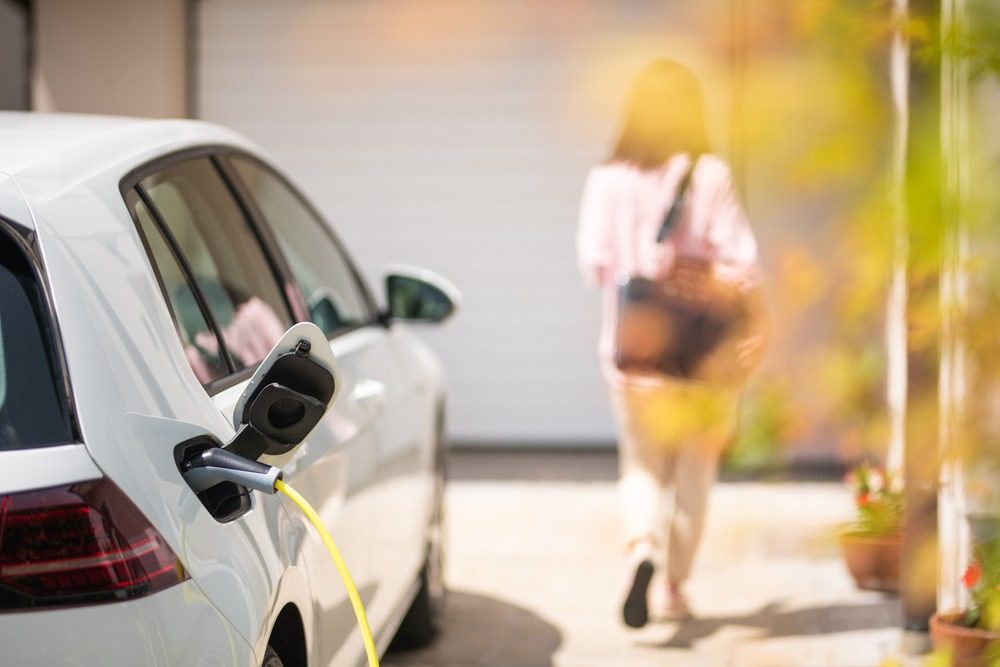
To charge a car's battery, you need to connect your car to the station using the charging cable provided by the manufacturer. Charging stops automatically once the battery is back to full capacity. These stations or "charging points" can be installed indoors, outdoors, or designed for mixed use.
What types of charging stations are there?
You can choose between a charging point fixed to the ground (a pillar) or a wall-mounted unit (a "wallbox").
In terms of power output, there are two types of installations.
Single-phase charging stations run on 230 volts and are sufficient for charging a plug-in hybrid car.
Three-phase charging stations are three times more powerful and therefore charge your car's battery much faster.
For the most recent cars fitted with an electric motor, a three-phase charging station is recommended.
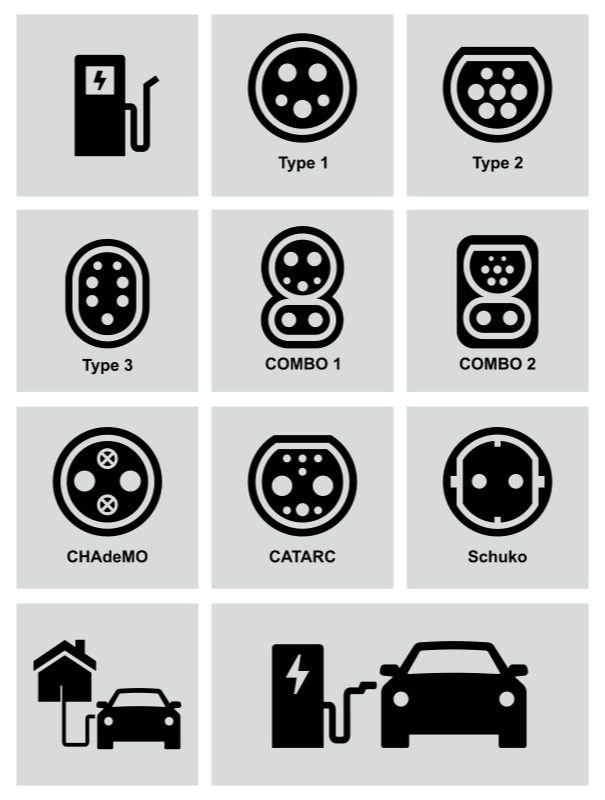 As for connectors (the plugs built into the charging stations), they vary depending on the standard used.
- Type 1 connectors follow an American and Japanese standard and are therefore compatible with cars from those makes.
- Type 2 connectors follow the European standard and are therefore intended for electric cars from European car manufacturers. Type 2 is the most commonly used in Belgium.
- Type 3 connectors are mainly found at charging stations in France and Italy.
How much does it cost to buy and use a private charging station?
You can buy a charging point from around €500, but there are also models that cost €1,500. On top of this price come installation costs, since the installer needs to adapt your meter. Also factor in additional costs, such as your pavement possibly needing to be dug up to connect your home. Finally, it's mandatory to have your charging point inspected after installation by an approved specialist, which will cost you at least €100.
Charging points can be connected to solar panels (if you have them). In that case, the electricity needed to charge the battery won't be drawn from the grid as long as you're generating enough yourself.
Even without solar panels, charging at home will always be more cost-effective than charging at a public charging point or station, since the price of electricity at home remains significantly cheaper. Charging the battery at a charging station costs between €3 and €5 per hundred kilometres travelled. Much cheaper than driving on petrol or diesel.
The authorities want to encourage the switch to electric cars and are offering a tax reduction for individuals who want to install a smart charging station at home.
What is a smart charging station?
This type of station takes into account your household's overall electricity use. It will therefore give priority to other appliances plugged in at a given time (dishwasher, washing machine, oven, etc.) and will charge the car's battery more slowly at those times. This helps avoid overloading the home's electrical grid. A smart charging station can also be controlled remotely (via an app).
How long does it take to charge your vehicle at home?
The time needed for a full charge of an electric car battery depends on the type of charging station you've chosen and the size of your car's battery. The maximum charging speed of most current electric cars is 11kWh. So you can easily work out the charging time yourself using the formula: battery capacity / charging speed. In practical terms, this means you should expect a charging time of around four hours for a car fitted with a 42 kWh battery, and eight hours for an 82 kWh battery.
What if you don't have room at home for a charging point?
If, for example, you live in an apartment and/or don't have your own garage or private driveway, you can apply free of charge for a public charging station in your residential neighbourhood. This request is only possible for private individuals who have ordered or bought an electric car. In this case, there must be no public charging station within 500 metres of your home.
For residents of a Walloon municipality, get in touch via the phone number listed on the SPW Mobility Portal by clicking here. In Brussels, you can send your request to Charge Brussels, and in Flanders to Fluvius.
Another option is to buy a shared charging point with other owners and install it in a nearby car park. The system will distribute the available power among the charging stations, taking into account the number of cars plugged in and the settings you've agreed on together.
Note also that legislation aims to make installing charging stations mandatory in all new residential buildings.
10 tips about electric charging stations
- Think ahead and choose a charging station powerful enough to charge a fully electric car, even if for now you're only driving a hybrid.
- Before buying a charging station, check whether you're with the most cost-effective energy supplier.
- Choose the right cable length for your home setup.
- If you have a digital meter, opt for a smart system that optimises charging speed. See the website of Sibelga (Brussels), Ores (Wallonia) or Fluvius (Flanders) for this.
- Choose a smart charging station with features that make it easier to use, such as online monitoring, scheduled charging, etc.
- Charge your car's battery before or after the "household peak" (between 5pm and 9pm).
- Limit the use of household appliances that consume electricity while your car is charging.
- Make sure you have good protection against overheating and overload.
- Choose a wallbox with a fixed cable to avoid having to pull the cable out of your car's boot.
- If you wish, you can let other people use your charging point for a small fee. Home charging stations installed by certain companies such as Coolblue offer this service.
See our other articles about electric cars by clicking here.