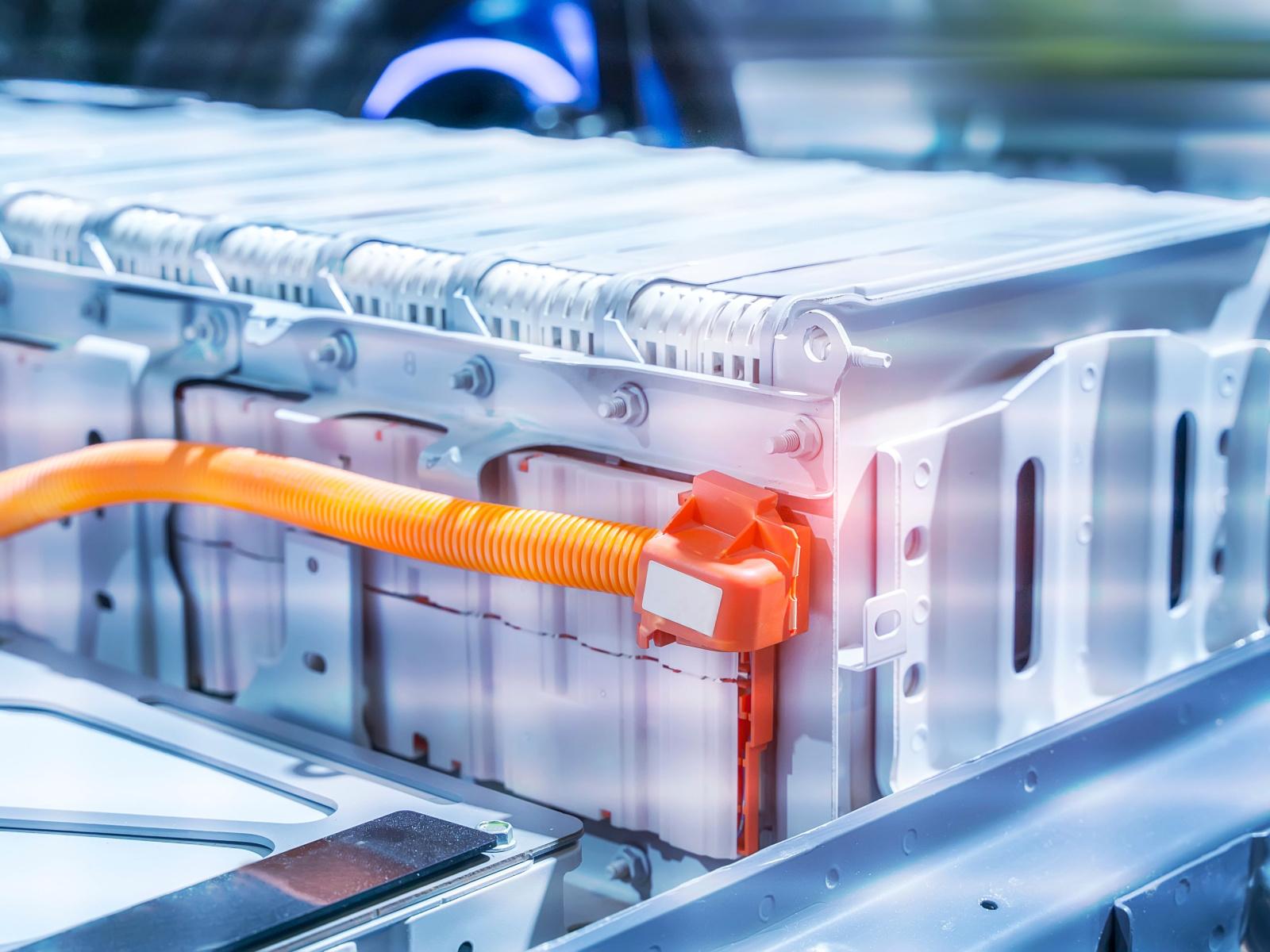
At a glance
How should you efficiently charge the battery of an electric car or electric bike? What should you watch out for?
What is the real lifespan of an electric car or electric bike battery? How should you charge the battery of such a vehicle to get the best capacity and extend its lifespan?
Our blogger Alain Dierckx shares the results of his research.
Increasingly electric mobility
The electrification of our mobility is in full swing and is reaching impressive proportions. Just think of bikes, scooters, motorbikes and, of course, electric cars. Buses, trucks and even planes are, or will increasingly be, powered by electricity. All these modes of transport have one thing in common: a battery. The goal is therefore to keep this battery working for as long as possible and to charge it efficiently.
What is a battery?
Put simply, and according to Wikipedia, a battery is a device made up of several electrochemical cells that provide electricity by converting stored chemical energy into electrical energy.
There are two types of batteries: non-rechargeable batteries and rechargeable batteries. In this article, we'll only focus on rechargeable batteries.
What is the lifespan of a battery?
A battery's lifespan depends on the conditions in which it's stored, how it's used, and how many times it's charged and recharged. Its lifespan is expressed in months or years, or in number of charge cycles.
Electric bike batteries
An electric bike battery has a lifespan of around five years if it's charged and stored normally. Under normal circumstances, an electric bike battery can be recharged up to 2,000 times.
Beyond this number of charges, you can either replace your battery or have it "refurbished". This means only the cells inside are replaced while the outer casing is kept, which is a cheaper option than buying a new battery.
Electric car batteries
Almost all electric cars use a specific type of battery, namely the lithium-ion battery, which has a longer lifespan and is therefore more "eco-friendly".
A study carried out among Tesla drivers found that almost all batteries retained more than 90% of their original capacity after 250,000 kilometres.
This excellent result shouldn't be generalised, and doesn't apply, for example, to the batteries of older electric cars.
Most car manufacturers today guarantee that battery capacity won't drop below 70% during the first eight years or the first 160,000 kilometres. Be aware, however, that high or very low outdoor temperatures and prolonged driving in extreme conditions (such as mountainous areas) will reduce your battery's lifespan.
How do you properly charge an electric bike battery?
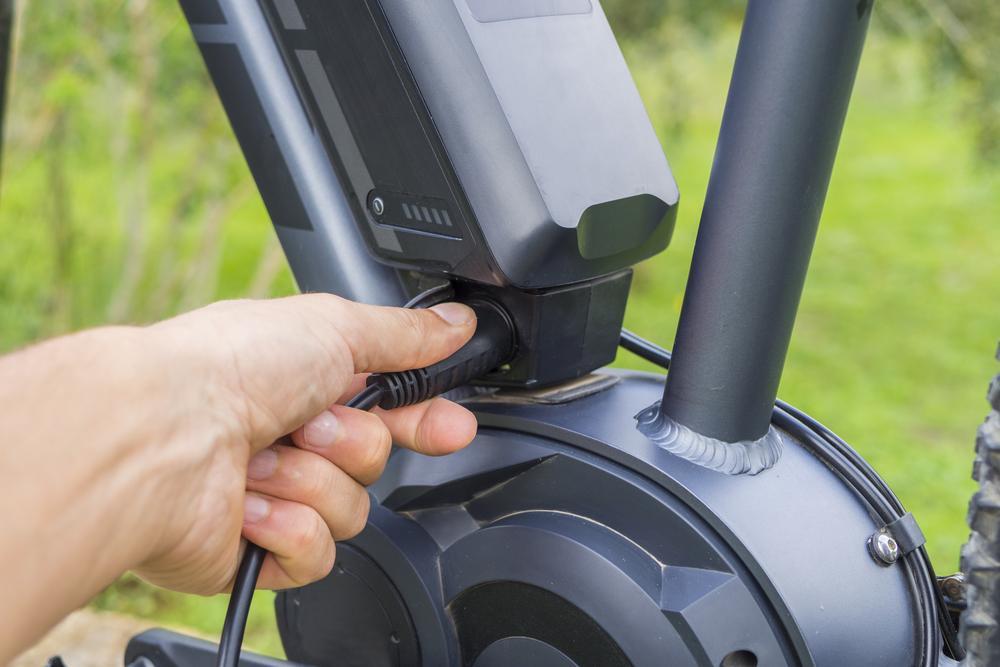 Charge the battery at least once a month.
It's recommended to let the battery run down as much as possible (without fully draining it). If you don't, the same percentage of cells won't be activated, they become "lazy" and no longer deliver maximum performance.
Never ride until your battery is completely empty. You risk a "deep discharge", meaning some cells will be permanently discharged and will never be rechargeable again.
Stay alert while charging the battery and avoid overheating.
How do you properly charge an electric car battery?
The rule is: the more slowly you charge, the more you'll extend your battery's lifespan.
It's best to stop charging at 80%, since the time remaining to reach 100% will be much longer than the time it took you to reach 80%. What's more, a fully charged battery will no longer have room to store the energy created by "regenerative braking" (if this system is available).
How long does it take to charge a battery to 80%?
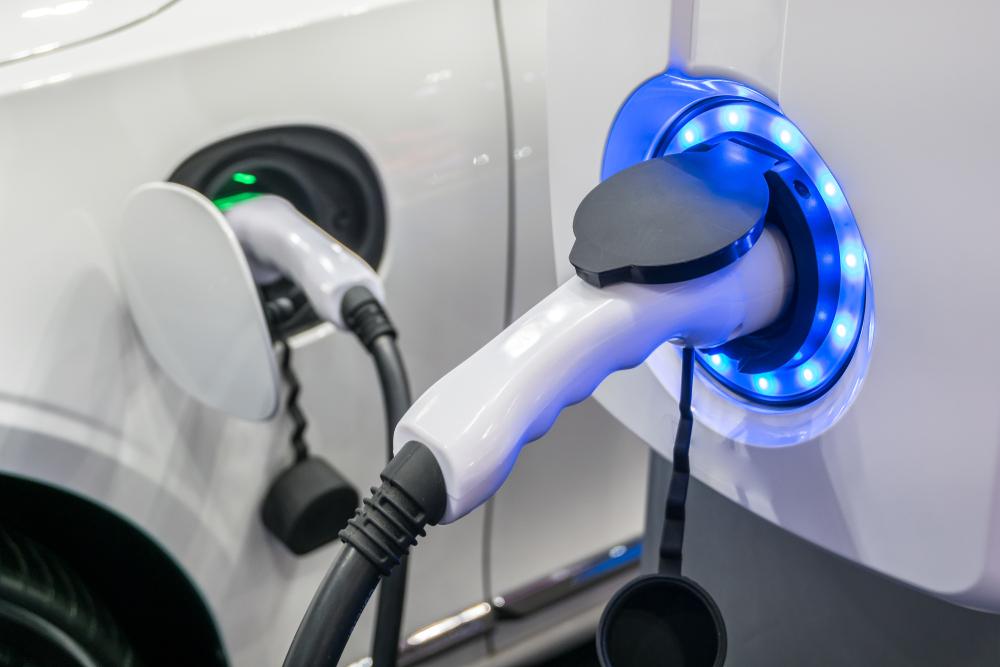 Charging time varies a great deal depending on the charging infrastructure available and the electric car model.
Standard socket: between 9h30 and 47h30
Boosted socket: between 6h15 and 31h
7kWh wallbox: between 3h and 14h15
22kWh wallbox: between 1h15 and 5h
How much does a new battery cost?
An electric bike battery costs between €200 and €2,900 depending on the bike model.
For electric cars, the price has dropped a lot in recent years thanks to technological progress. Today, it fluctuates around €100 per kWh. For an average 70 kWh battery, this comes to a price of around €7,000.
How far can you travel on a full battery?
With a fully charged electric bike battery, you're playing it safe if you count on around 70% of the range shown on your display. For an electric car, this equates to two-thirds of the range according to the official WLTP standards.
Note: WLTP stands for Worldwide Harmonised Light Vehicle Test Procedure, and reflects the number of kilometres achievable based on a consumption test that all new electric cars are subjected to.
A few tips
- Choose a battery pack that can heat up or cool down depending on the outdoor temperature, as this has a positive effect on charging.
- A larger or more powerful battery offers a greater range. Check your car's or bike's technical specifications to find out the maximum capacity you can achieve.
- A car or bike parked in a dry place at room temperature will extend the battery's lifespan.
- Keep your battery at 40% capacity if you're not using it for long periods.
- Avoid sudden acceleration or braking, as they cause localised overheating inside your battery.
- Alternate fast charging with normal charging, since fast charging causes high temperatures due to the high voltage.
- Don't drive too fast, as high speed negatively affects battery range.
- Use a timer to charge your battery up to a certain percentage (80%).
Also read:
- Breakdown assistance for electric cars
- Using a home charging point
- The benefits of electric bikes