At a glance
What are the main advantages of an electric bike or a pedelec, and what should you watch out for when buying and maintaining one?
What are the main advantages of an electric bike, and what should you watch out for when buying and maintaining one? Our blogger Alain Dierckx gives us a few tips.
Did you know electric bikes have been around since the 19th century? But it wasn't until the late 20th century that sales figures started to rise sharply, mainly thanks to technological innovations in batteries. From the 2000s onwards, enthusiasm for this mode of transport grew even further. According to Wikipedia, sales of Chinese-brand units went from seven million in 2004 to eighteen million just two years later!
Why ride an electric bike?
For people who have trouble walking or who are in less good physical shape, the electric bike is an ideal solution for covering long distances. Gusts of wind and uphill climbs are no longer obstacles. The electric bike is also an eco-friendly alternative to the car, which emits CO2. If you use a (electric) bike for commuting, you're also often entitled to a cycling allowance or a subsidy.
The battery
The distance you can cover depends on the battery's capacity. A fully charged, lightweight battery in good condition (200 watt-hour capacity) lets you travel around 25 kilometres. However, all sorts of factors can shorten this distance: wind, the weight of the rider and any bags or loads, the speed you ride at, etc.
The e-bike or electric bicycle
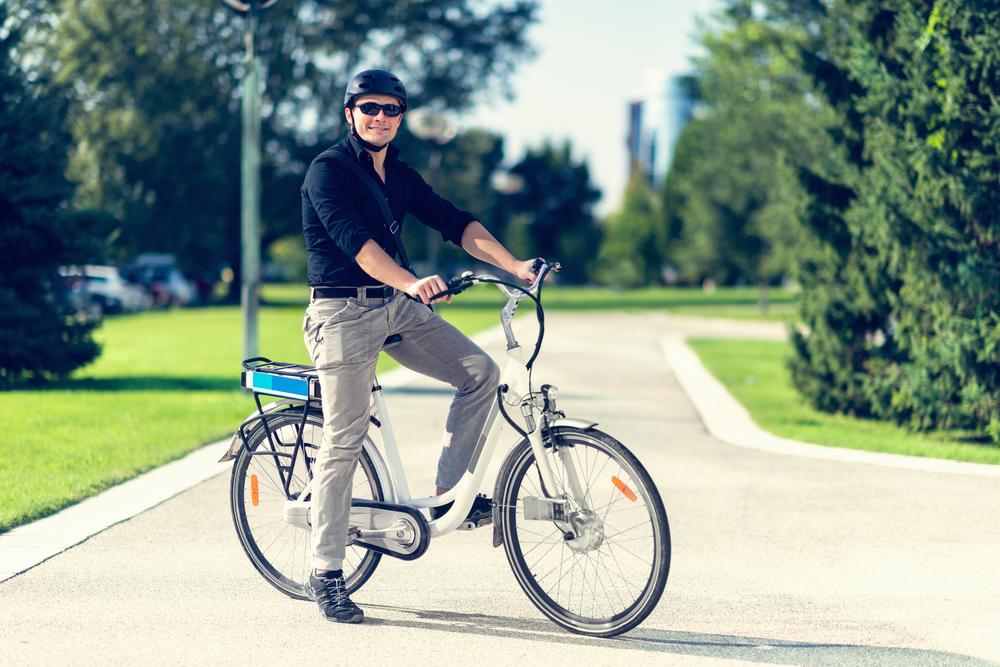
Electric bikes, or e-bikes, are essentially electric versions of 'ordinary' bikes such as city bikes, mountain bikes, folding bikes, etc. Nearly all types of bikes are now available in "pedal-assist" versions. Even tandems! One small advantage: an e-bike can be switched on without you having to pedal. The maximum speed is limited to 25 km/h. Beyond that speed, pedal assistance automatically decreases. As for cost, nowadays you can buy an e-bike from around €1,000. Prices vary widely depending on the bike's power and can be up to three times as much.
Electric bike riders must follow the same traffic rules as regular cyclists.
The pedelec
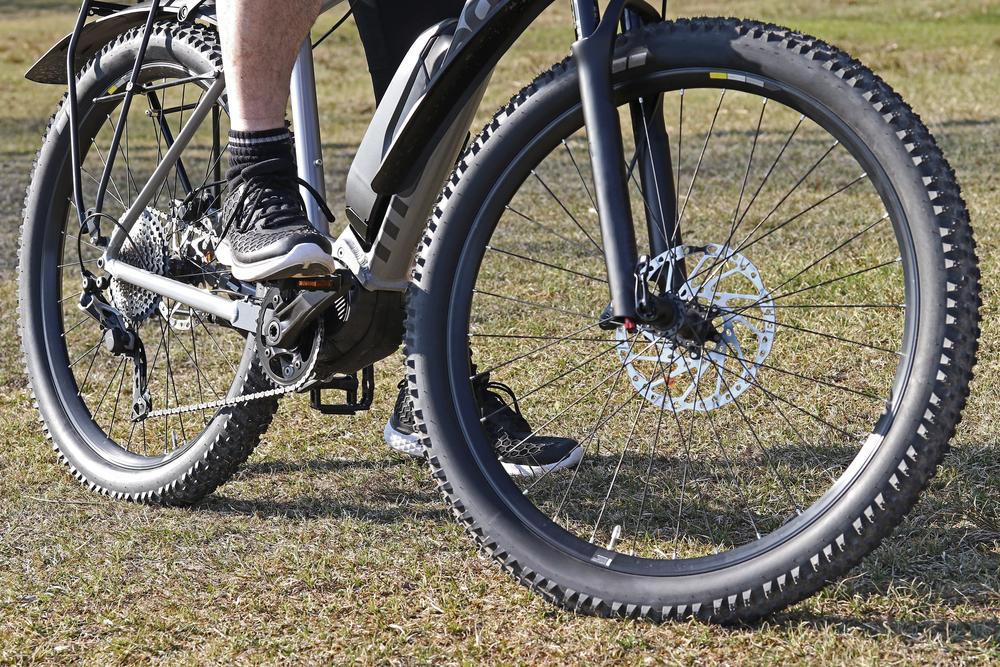
A (speed) pedelec lets you reach higher speeds, up to 45 km/h. A driving licence and moped insurance are therefore required, as are a helmet and a licence plate. Unlike an e-bike, this type of bike won't move unless you pedal. A pedelec is particularly useful for quickly covering long distances, for example when commuting to work. Its purchase price also varies widely (from €2,500 to €9,500).
Users of (speed) pedelecs must follow the same traffic rules as users of class B mopeds.
Are electric bikes "dangerous"?
The rise of electric bikes on the roads has led to a significant increase in the number of serious accidents. The consequences of an accident involving an electric bike are also more serious than those of an accident with a regular bicycle. There are several reasons for this. On average, users are older and more physically vulnerable. In addition, they overestimate their reflexes and underestimate the speed of their electric bike, which can make them lose control more easily. Finally, other road users often underestimate the speed of electric bikes, which increases the risk of collision. So be careful!
12 tips for buying and maintaining an electric bike
- Choose the battery power based on your needs (long daily distances, short trips, hills and descents, etc.).
- Wear a helmet, even on a regular electric bike.
- Try out the bike you want to buy beforehand, ideally somewhere quiet.
- Don't blindly trust the maximum range quoted by sellers. It's usually measured under ideal conditions and doesn't always match reality.
- If you regularly carry moderately heavy or heavy loads, opt for a 'cargo bike' style electric bike.
- Make sure your tyres are always properly inflated to minimise resistance while riding.
- Don't forget that an electric bike is much heavier than a regular bike. If the battery runs out along the way, you'll need to pedal hard to get it moving again and/or to continue on your way.
- Don't store the battery somewhere too cold, avoid getting it wet, and avoid letting it fully discharge. Only use the charger supplied with the bike you bought and follow the safety advice when charging. Watch out for overheating!
- Given the purchase price of this type of bike, theft insurance is recommended.
- Don't want to invest a large sum right away? Then consider buying a second-hand electric bike.
- Are you taking your electric bike out in winter conditions? Then read the following tips.
- Want quick help or assistance if something goes wrong on the road? Discover BIKE, Redion's bicycle assistance service, valid from your home, in Belgium and in neighbouring countries.