At a glance
Do you ride a (electric) bike during the winter months? What should you watch out for with your bike and with yourself?
Are you one of the brave souls who ride a (electric) bike during the winter months?
What should you watch out for with your bike and with yourself?
Here are a few good tips.
Your bike
1. A bike in good working order
Remember to have your bike serviced regularly, lubricate the chain and check your brakes (a coating or anti-freeze spray applied to the brake cables can help stop them from freezing).
- Clean your bike regularly, especially after riding in difficult weather conditions. Nothing is more stressful than having your bike break down in the middle of winter, in bad weather, on the side of the road!
- Check every part of the bike and don't forget the lights.
- Wipe your bike down with a cloth after use if you've ridden on a road that's been gritted.
- Lubricate the chain regularly.
- Make sure the rims of the bike (where they come into contact with the brake pads) aren't greasy or wet. This would stop you from braking properly.
- Also make sure the lock on your padlock isn't frozen.
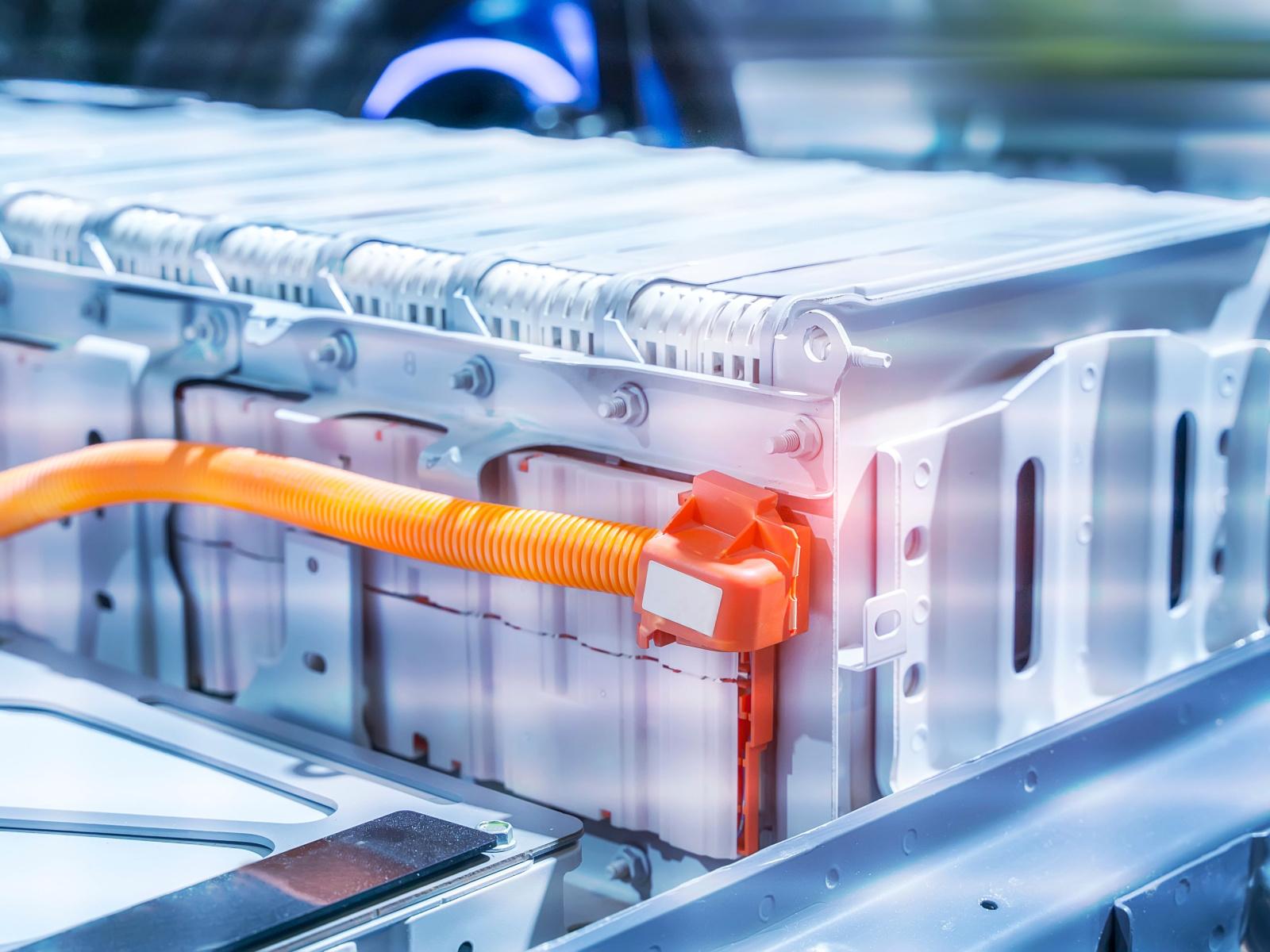
For electric bikes: have the battery checked. Store and charge your electric bike's battery somewhere dry and mild (protected from frost). Don't let the battery fully discharge.
2. The tyres
If you have all-season tyres, make sure they aren't worn. You can also choose to fit winter tyres (with narrower grooves so snow doesn't stick to them).
Make sure they're properly inflated, but not over-inflated (which would reduce the tyre's contact surface with the ground).
For information: weather conditions (rain, snow, ice) affect how well the tyre grips the road. This will not only impact your handling, but also your braking distance (winter tyres have a significantly shorter braking distance than summer tyres).
3. The lights
Obviously, you need to be able to see the road clearly (especially if it's poorly lit), but you also need to be seen. Having your lights working properly is therefore essential. There are different types of lights depending on their power and beam. For instance, you'll need a light that illuminates the road more widely (to the sides) if you're on roads or paths with little or no lighting.
But seeing the road clearly isn't enough: add a light or an extra device (e.g. a small flashing light) to make yourself noticeable to other road users. Stick reflective strips on your bike.
Do the same with your clothing (a wristband or belt with flashing lights) and wear reflective clothing.
You (the cyclist)
4. Your clothing
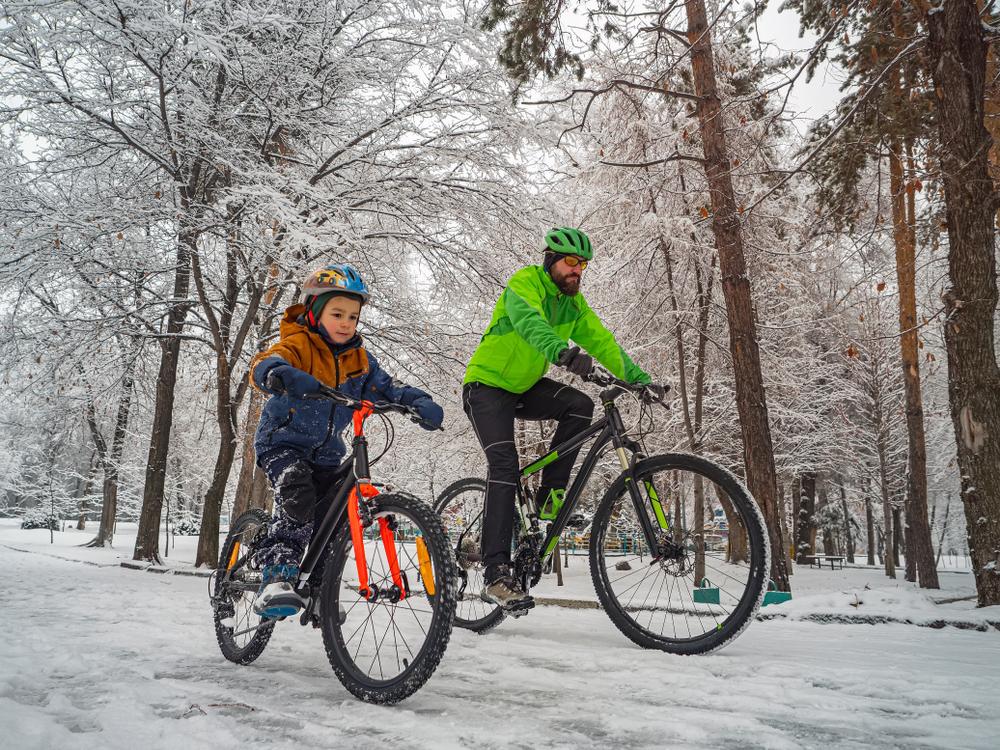
Wear warm (and dry!) clothes and good winter shoes. Don't forget to protect your head (a hat and helmet), your neck (a scarf or buff) and your hands (gloves). As explained above, it's essential to wear something that lets you be seen in traffic (fluorescent). Don't forget that the weather can change quickly and that night falls early.
5. The weather
Be careful in snowy or icy conditions: if you're not used to cycling in these weather conditions, don't push your luck. It's better to try to find an alternative means of transport or postpone your trip.
6. Being able to put your foot down
Make sure you can easily put your foot down if you slip or lose your balance. So check that your saddle is at the right height. Also watch out for any loads (in your pannier rack or on your back) that could throw you off balance.
7. Passable roads or paths
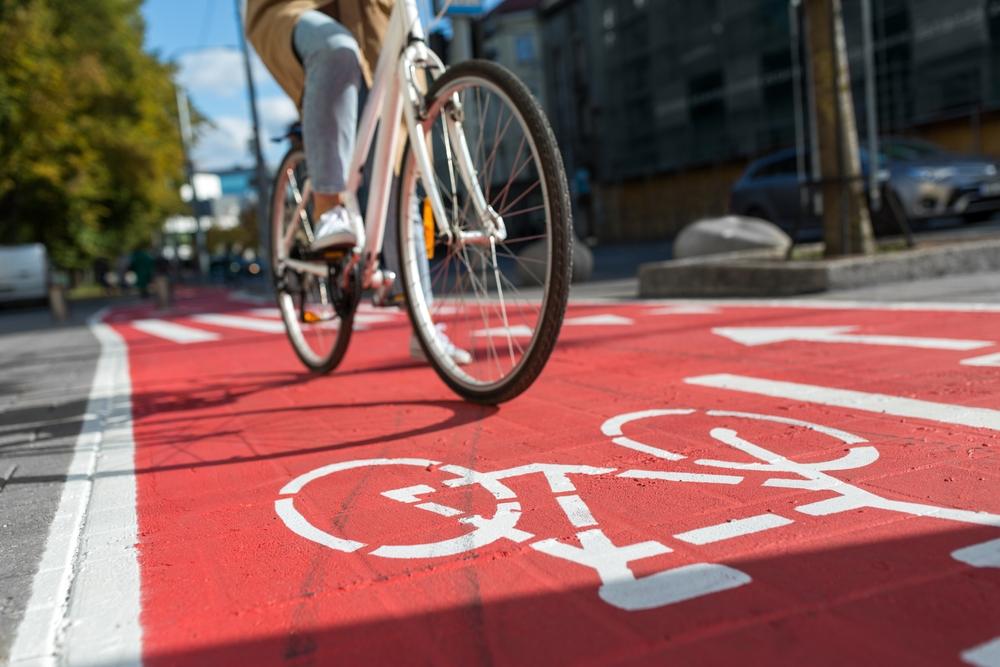
Cycle paths or the edges of roads can be dangerous in frosty or snowy weather. Favour routes where the roads are clear. Be especially careful when riding alongside cars along the edge of the road. Stay alert and anticipate danger.
8. Good assistance cover
A bike breakdown or accident is unfortunately always possible. Remember to get properly insured so you can be helped quickly. Redion's Bike insurance guarantees you good assistance in Belgium and neighbouring countries.
Among other things, it covers:
- roadside assistance, transporting the immobilised vehicle to the policyholder's home, to their destination or to a repair shop;
- taking care of stranded riders;
- a replacement bike or a mobility budget in case of immobilisation;
- covering medical expenses abroad, repatriation and bringing insured persons back home;
- an emergency return home if a loved one is hospitalised;
- a ride home if you're unable to ride;
- legal advice assistance
Find all the details of this assistance product by clicking here.