At a glance
Discover the essentials for a hassle-free bike trip with our practical guide: choosing a route, gear, safety and insurance.
Travelling by bike offers a unique sense of freedom, but requires careful preparation to avoid unpleasant surprises. Discover our concrete tips for anticipating and handling the most common mishaps.
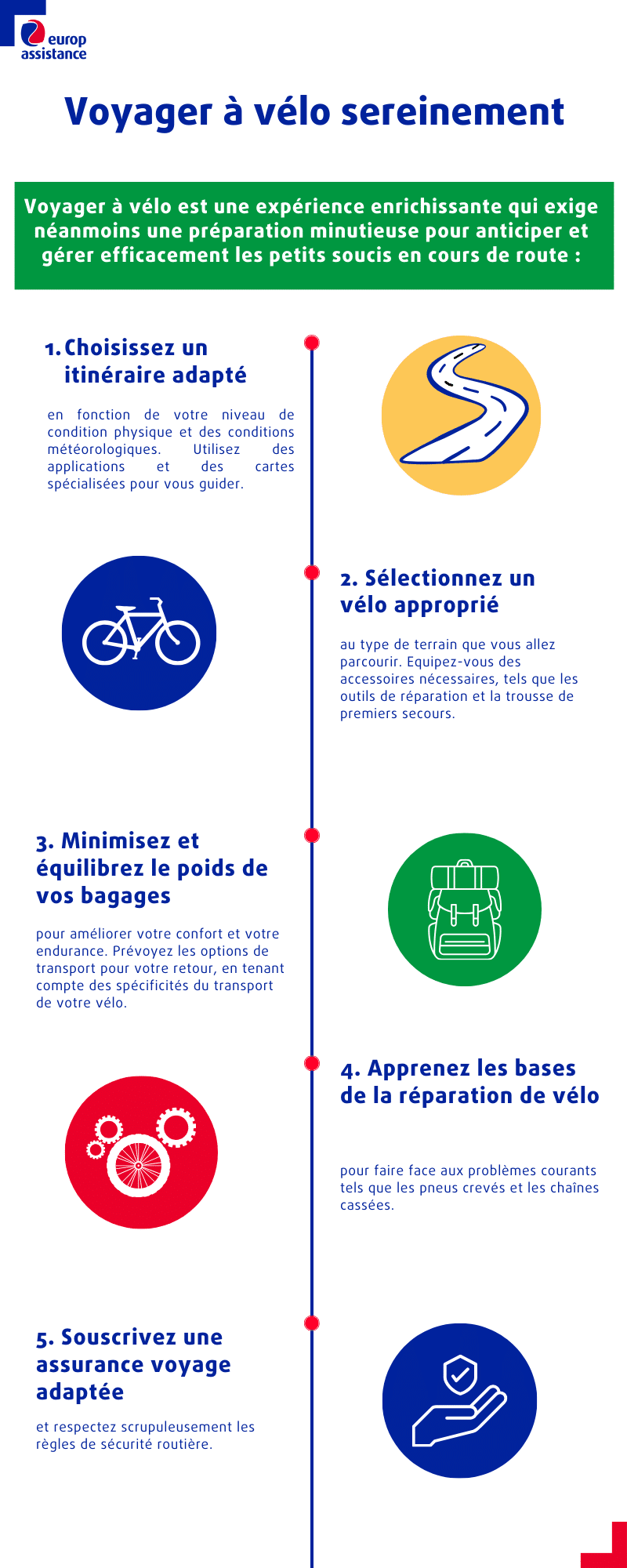
1. Choosing your type of bike:
Selecting the right type of bike is the first step before setting off. Your bike needs to be suited to the type of terrain you'll encounter:
● Road bike: Ideal for long distances on asphalt, light and fast, perfect for paved paths and tarmac roads.
● MTB (mountain bike): Designed for rough terrain such as forest tracks and mountain trails, with suspension and sturdy tyres for better grip.
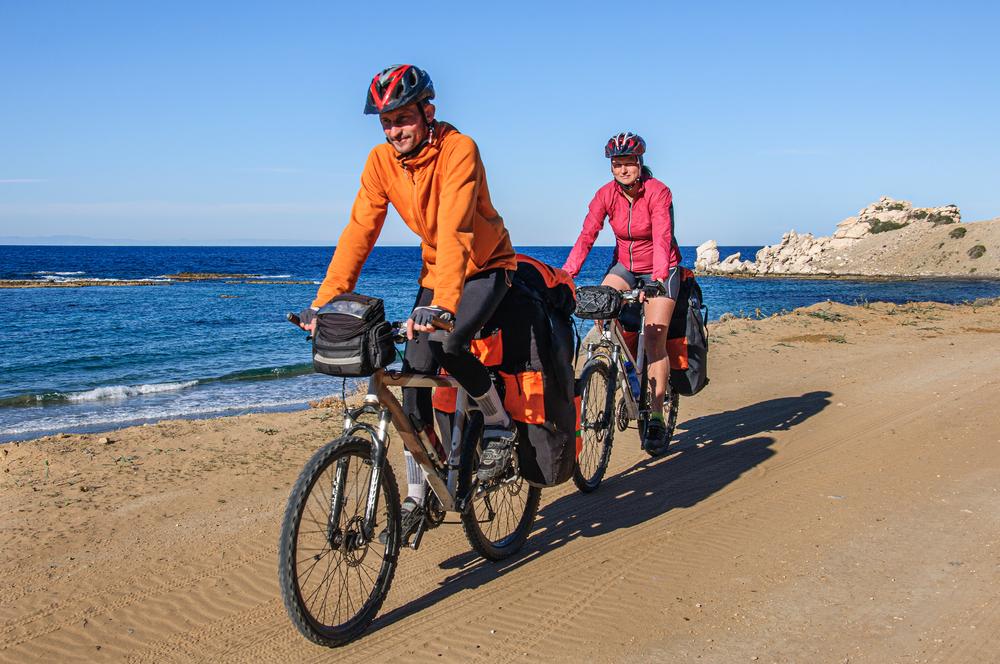
● Touring or trekking bike: Sturdy, fitted with multiple racks to carry your belongings over long periods, and comfortable for mixed routes (roads and unpaved paths).
● Electric bike: To gain speed and save your energy, an electric bike will let you cover greater distances.
Good to know: Make sure to test the bike before setting off to get familiar with its features and adjust anything necessary, particularly the saddle and handlebars.
2. Choosing your route:
Choosing your route mainly depends on three factors: your personal preferences, your physical fitness and the forecast weather conditions. For an informed choice, use specialised apps or maps dedicated to bike touring, which will show you available routes based on difficulty and type of scenery (mountains, forests, coastal paths).
Also remember to check the weather forecast to avoid roads that might be affected by bad weather.
3. Choosing the right gear:
Adequate gear is essential to ensure your safety and comfort on a bike trip. Here's a list of must-haves to bring along:
● Repair tools: A repair kit is crucial. It should include at least puncture patches, a bike pump, tyre levers, and a multi-tool with Allen keys. Also bring a spare inner tube and a small bottle of chain oil. Not sure how to fix a bike? Tutorial videos exist to learn the basics and know what to do if the need arises.
● A first-aid kit: Prepare a kit containing bandages, disinfectant, adhesive dressings, and basic medication such as painkillers and anti-inflammatories. Don't forget any specific prescriptions, such as allergy medication.
● A helmet: Wearing a helmet is essential to protect your head in case of a fall. Choose a well-fitted, comfortable, certified model. Read the article "Choosing a good bike helmet" on this topic.
● Suitable clothing: Depending on the climate, plan for breathable technical clothing to stay dry and regulate your temperature. For the cold, think layers you can stack, a waterproof jacket and gloves. In case of strong sun exposure, a hat and protective long sleeves are recommended.
On top of that, consider using sunglasses to protect your eyes, and adequate lighting if you plan to ride early in the morning or late in the evening.
4. Managing your luggage and the outbound/return journey:
When travelling by bike, it's crucial to minimise and balance the weight of your luggage to make riding easier and avoid fatigue. To do this:
● Use bike panniers that attach to the front and rear racks. Distribute the weight evenly on both sides of the bike to maintain good stability.
● Place heavy items at the bottom to lower the centre of gravity.
● Pack essential items such as tools, the first-aid kit and rain gear where they're easily accessible.
For the journey to and from your cycling starting point, you have several options depending on your destination:
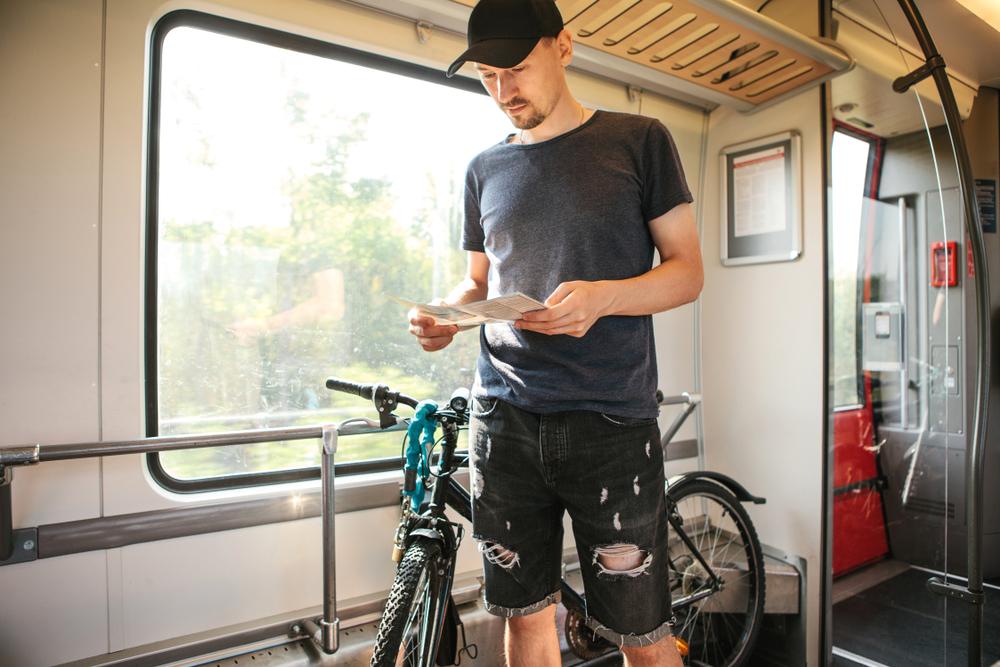
● Train: Many trains offer the option of carrying bikes. Book in advance to guarantee a spot in the bike carriage. Check the specific policies of rail companies regarding bikes. Read the article "Travelling by train with your bike" on this topic.
● Plane: For international or long-distance trips, flying may be necessary. Most airlines require bikes to be packed in a bike box or a specific bag. Remove the pedals, turn the handlebars parallel to the frame and slightly deflate the tyres before packing it.
● Car: If you choose to return by car, you can use a bike rack attached to the roof or the back of the vehicle. Make sure the rack is properly secured and that your bike can't come loose during the journey.
Good to know: To pack and protect your bike, use cushioning materials such as bubble wrap or blankets to wrap around the frame and sensitive parts. Focus on areas prone to impact, such as the derailleur and wheels. Secure the padding with sturdy tape to prevent any movement during transport.
5. Common physical issues:
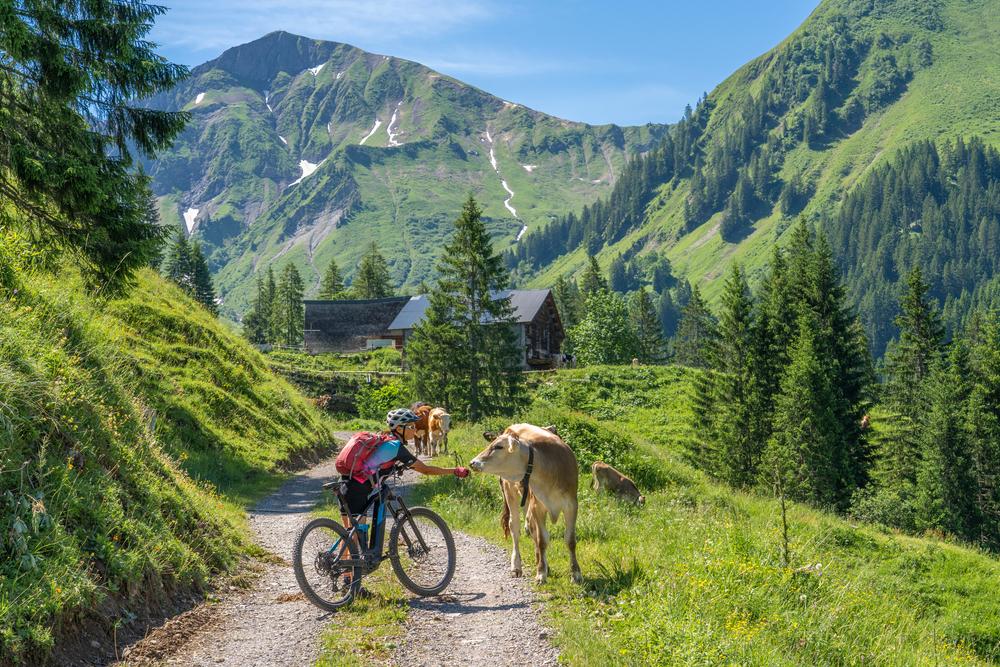 Travelling by bike can cause various aches and injuries, the most common being lower back pain, knee tendinitis, and skin irritation. Falls can also cause scrapes and bruises.
To prevent these problems:
- Make sure you have a bike properly fitted to your size. The right riding position reduces the risk of back and knee pain.
- Wear suitable cycling clothing and use a comfortable saddle to avoid irritation. Proper warming up and adequate hydration are also essential to avoid cramps and muscle injuries.
- If you feel pain, adjust your pace and take regular breaks. Apply cold compresses to inflamed areas to reduce inflammation and pain. In case of a fall, clean wounds with disinfectant and apply a dressing. If the pain persists or gets worse, it's crucial to see a doctor when you get back, or sooner if necessary.
Good to know: Planning to cycle long distances? Set up a progressive training schedule and vary the weather conditions to get your body used to it. This preparation will help ensure you complete your challenge safely.
6. Handling mechanical issues along the way:
On the road, cyclists may run into various mechanical problems. The most common include flat tyres, broken chains, and brake or derailleur issues. Being prepared and knowing how to carry out basic repairs can make the difference between a minor hold-up and a serious setback.
● A flat tyre: Always carry a repair kit including patches, glue, and a pump. Learning how to change an inner tube is essential.
● A broken chain: Specific tools are needed to fit and remove bike chains and cassettes: chain pin tools, a chain breaker and link pliers. Knowing how to fix a link or replace a chain will let you continue on your way without waiting for outside help.
● Brakes and derailleur: Regularly check the condition and adjustment of your brakes and derailleur. Having basic skills to adjust brakes and realign a derailleur can save you from a tricky situation.
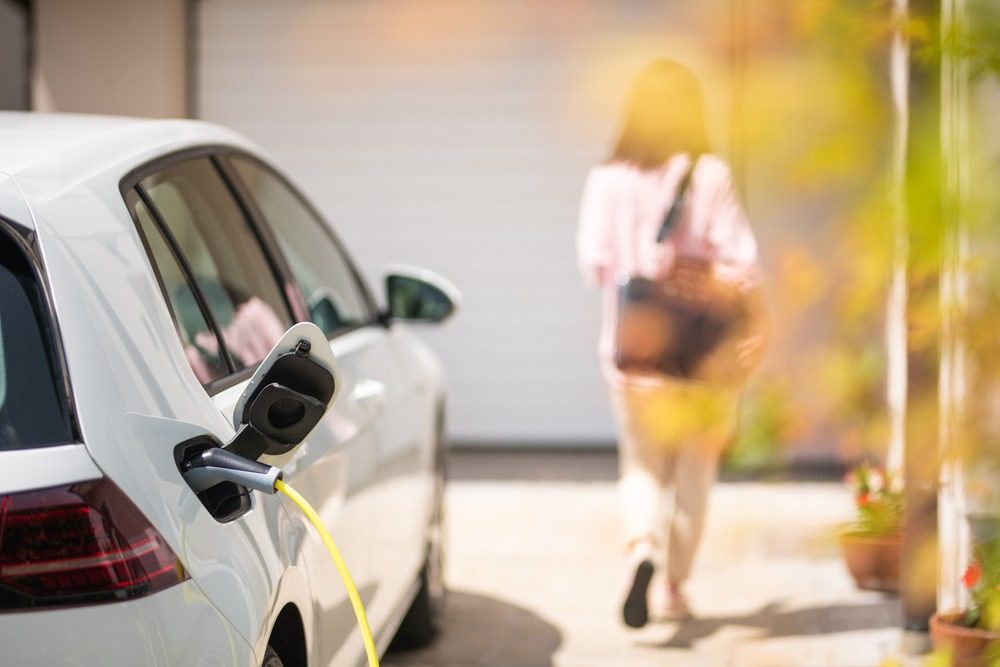
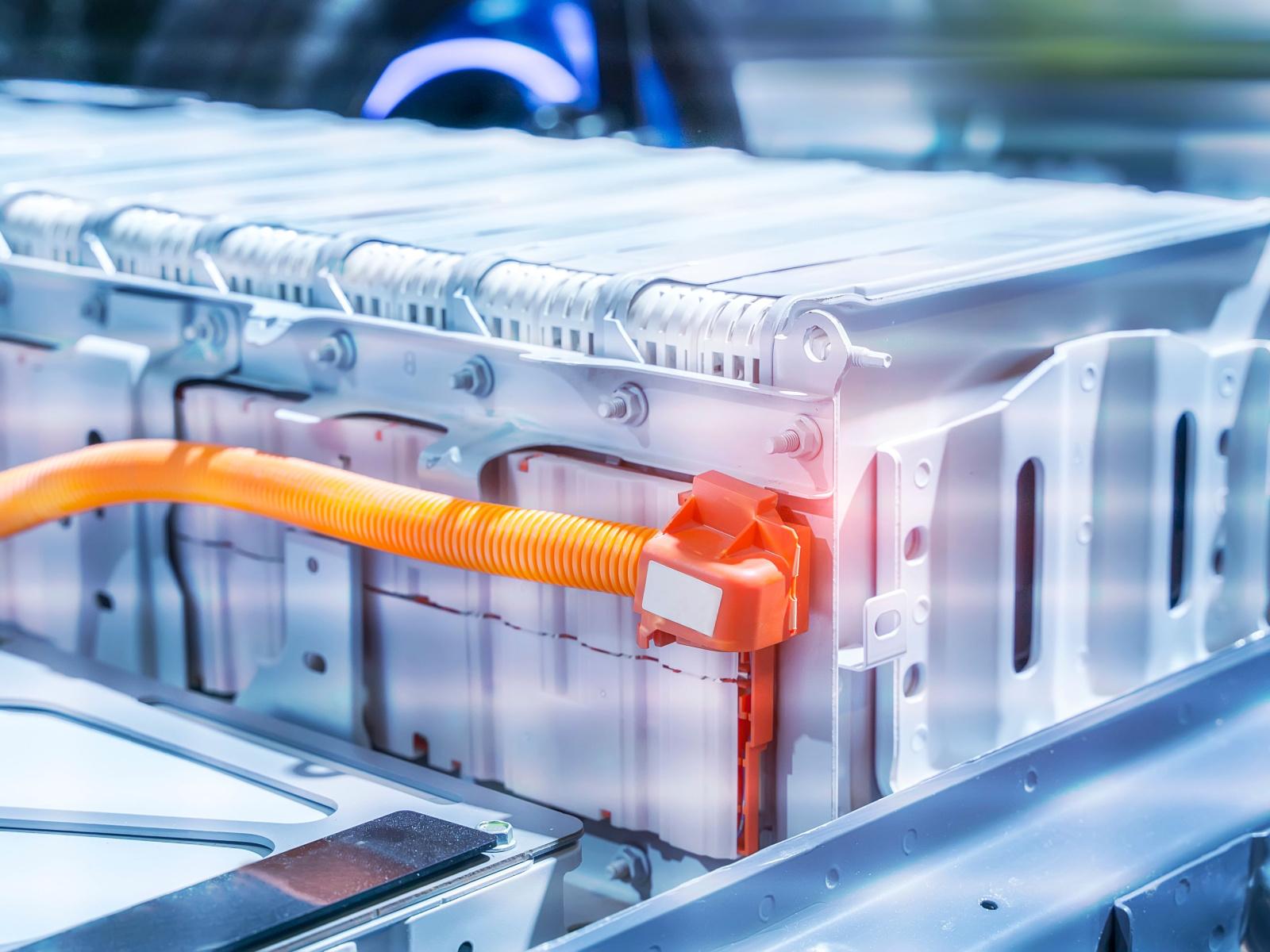
For electric bikes, the challenges include managing the battery and charging. Make sure your battery is fully charged before setting off and plan your stages based on available charging points. Keep in mind that cold weather and mountainous routes can reduce your battery's range.
7. Safety and insurance:
When travelling by bike, safety should be your absolute priority. Here are some essential tips to stay safe and properly insured:
Taking out travel insurance
Before setting off, it's crucial to take out travel insurance suited to the specifics of bike travel. This insurance can cover accidents, health issues, damage to or theft of your bike, as well as any repatriation costs. Make sure your policy specifically covers cycling activities and check the details regarding exclusions and coverage limits.
Redion covers bike breakdowns under various assistance plans such as Bike insurance, Drive insurance, Motorbike insurance and annual insurance. These various plans cover you either only in Belgium, or abroad as well.
Our safety tips on the road
● Wearing a helmet: A helmet is essential to protect your head in case of a fall. Make sure it's properly fitted and meets current safety standards.
● Following the highway code: Like any road user, follow traffic signals, road signs and the specific rules of each country or region. Be especially careful at intersections, when changing lanes, and around the blind spots of vehicles, particularly trucks and caravans.
● Visibility: Wear reflective clothing and use lights on your bike, especially if you're riding early in the morning, late in the evening or in bad weather.
If your bike is stolen
● Report the theft immediately to the local police and get a police report, which is needed for any insurance claim.
● Inform your insurer as soon as possible to start the compensation process.
● Use sturdy locks to secure your bike whenever you leave it unattended, and choose safe places to park it.
These precautions will help you minimise risks and make the most of your cycling adventure.