At a glance
Prepare your trip to South Africa with our comprehensive guide covering entry requirements, safety, health, climate, budget and practical travel tips.
SOUTH AFRICA
Capital: Pretoria (administrative), Cape Town (legislative), Bloemfontein (judicial)
Languages: Besides Afrikaans and English, several other languages are officially recognised in South Africa: Zulu, Xhosa, Ndebele, Northern Sotho, Sotho, Swati, Tsonga, Tswana and Venda.
Currency: the South African Rand. Exchange rate: 1 ZAR = ± 0.06 EUR
South Africa Tourism Board: southafrica.net
Did you know? In summer, there is no time difference between South Africa and Belgium. In winter, it is one hour ahead there.
Travel documents and customs formalities in South Africa
To enter the country, you need a visa and a passport with at least 2 blank pages and a validity of at least 30 days from your departure date. For trips of up to 90 days, the tourist visa is issued on arrival at the border. If your trip lasts longer than 90 days, you must apply at the consulate. There is no restriction on importing foreign currency into South Africa. However, there are restrictions on exporting local currency (rand), gold and valuables, and you must have specific authorisation.
For more information on customs formalities in South Africa, see the following website (SARS).
The healthcare system in South Africa
In South Africa, public hospitals are not always of optimal quality. This is why we recommend using private institutions, which are generally much more specialised and of good quality. However, private clinics in the country often require a substantial financial guarantee. So choose your insurance policy carefully to protect yourself from high medical costs.
A yellow fever vaccination is mandatory in South Africa if you are coming from a country where there is a risk of infection, especially if your stopover lasted more than 12 hours. A rabies vaccination is recommended if, during your trip, you might come into contact with infected animals (e.g. dogs, bats…).
 Regardless of the length of your stay, the following vaccinations are recommended for South Africa: vaccination against diphtheria, tetanus and polio, measles and hepatitis A. If you stay in South Africa for more than 3 months, it is recommended to be vaccinated against hepatitis B, rabies and, in some cases, tuberculosis.
For more information on vaccinations, see the website of the Institute of Tropical Medicine at https://www.itg.be/F/conseils-de-voyages.
Safety in South Africa
Beware of crime, particularly in urban areas. Always stay alert. We recommend staying at well-known hotel chains located in safe areas. Avoid wearing valuables such as jewellery, and keep your personal belongings and travel documents in secure places, such as your hotel safe.
Before leaving, check the latest travel advice for South Africa on the website of the Belgian Federal Public Service Foreign Affairs.
It is recommended to register your trip to South Africa on Travellers Online. This way, the Federal Public Service Foreign Affairs can contact you should an emergency situation arise.
Which travel insurance should I choose for a trip to South Africa?
At Redion, you can take out either temporary or annual travel insurance.
All travel insurance policies include the following benefits:
- Reimbursement of medical expenses
- Organisation and support for your repatriation and that of your travel companions if necessary
- Early return in the event of hospitalisation or death of a relative in Belgium
- Assistance in case of lost documents
If you only travel abroad once a year, temporary travel insurance may be useful. If you travel several times a year, annual travel insurance will be the more advantageous option.
Climate and religion
Given the very high summer temperatures in South Africa, the best time to visit the country is spring or winter.
In South Africa, Christianity is the most widespread religion, with a majority of Protestants and a minority of Catholics. About a third of the population practises traditional and animist rites; there are also large Hindu and Muslim communities.
 South African cuisine
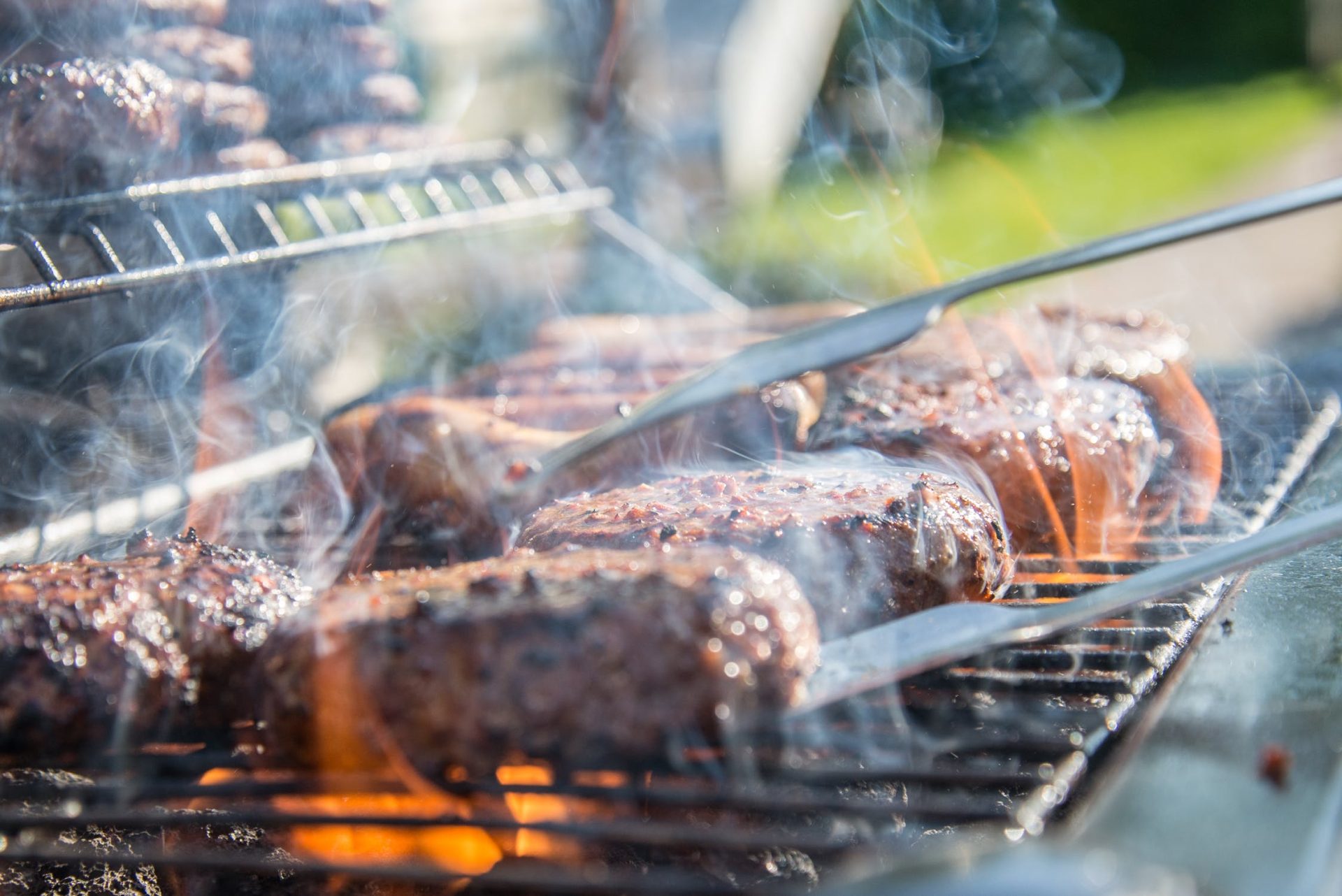
Among the culinary specialities not to be missed are certain meats that you will rarely find in Belgium, the most unique being warthog, kudu (antelope) and crocodile meat. To discover local specialities, it's a good idea to take part in a "braai", a typically South African social event held around the barbecue.
Breakfast has clearly British influences and generally consists of scrambled eggs, sausages and toast with marmalade. Various breakfast cereals with milk or yoghurt are also widely eaten. There are also so-called "boerewors" sausages and other cooked meat dishes such as "bredies" and "sosaties".