At a glance
Do you dream of trekking on the other side of the world? Why not New Zealand? Tom draws up the checklist of the perfect hiker.
Adventurer and paraglider Tom de Dorlodot travelled to New Zealand's South Island for a three-week trek in the mountains. He tells us about his adventure in "Middle Earth" and gives his tips to help you best prepare your next big hike on the other side of the world.\
New Zealand: a trekking paradise
Why trek in New Zealand?
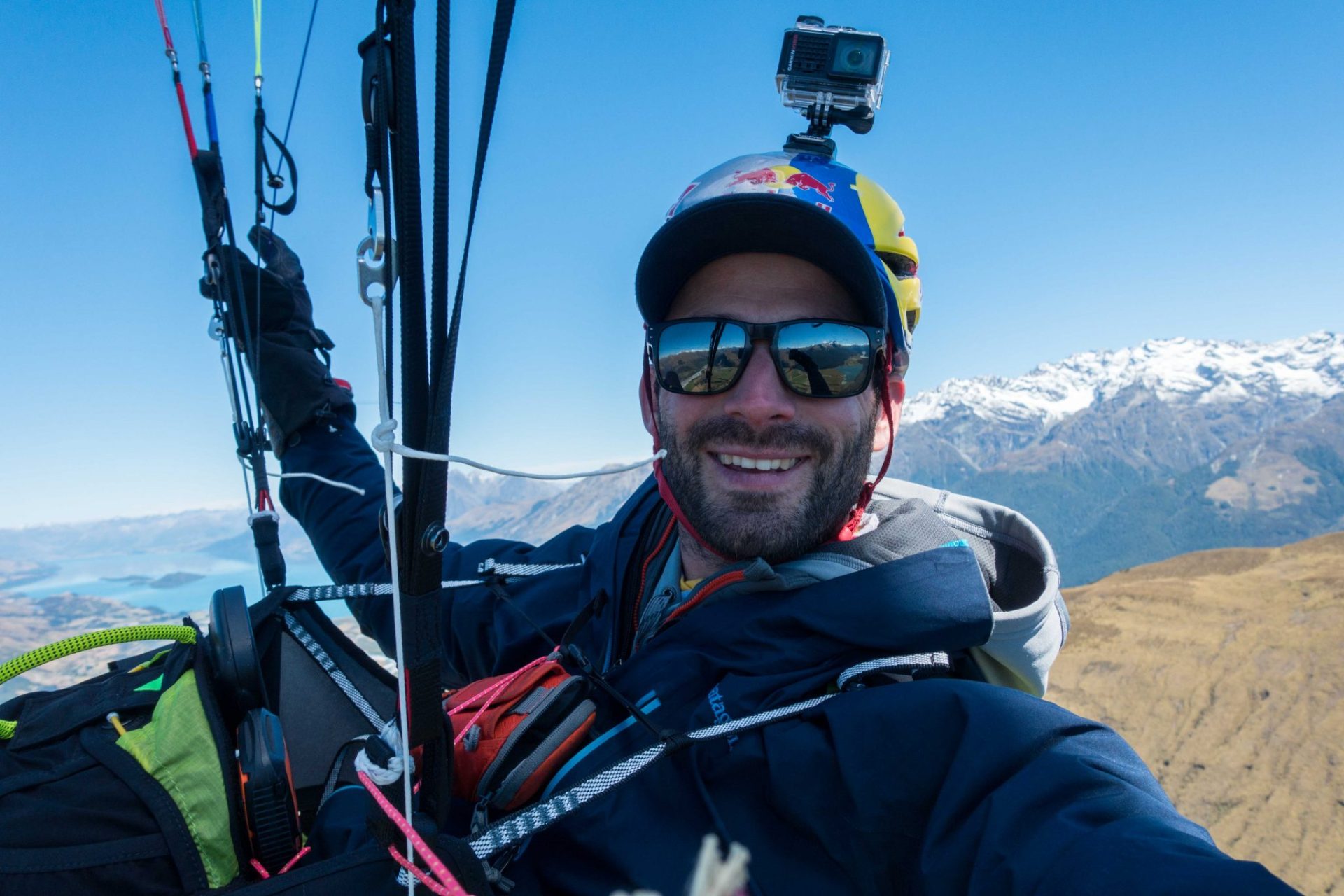 I had crossed the South Island four years earlier with my friend Ferdinand Van Schelven. We had taken more than three weeks to cover nearly 900 kilometres on foot and by paraglider. It was an incredible adventure, unsupported, from Mavora Lakes in the south all the way up to the small town of Nelson in the north. We carried our paragliders, or our paragliders carried us, on long flights over the mountains. On some days we covered more than 100 kilometres in flight, perched in the sky at over 3,000 metres. I had discovered a fantastic country, with breathtaking nature, and I was blown away by the infrastructure available to backpackers there. New Zealand is really tailor-made for trekking lovers. It's also a standout example when it comes to eco-tourism.
When I got back, I only had one thing on my mind: going back …
The preparation
Here I am at last in Queenstown after more than thirty hours of flying. Everything is in my bag: a paraglider, a pack raft (inflatable kayak) and all my trekking gear. My idea is to head off into the mountains on foot and let myself be carried by the wind when paragliding, with enough food reserves to last at least a week before having to head back to civilisation …
I have two days to get ready before setting off!
The DOC
My first move is to stop by the DOC (Department of Conservation). The DOC has offices pretty much all over the country. It's the ideal place to go for advice and information on the various treks you can do. They know the state of the trails well, the walking times, and can tell me whether the paths are passable or in poor condition (mud, landslides, flooding). Fallen trees or rivers in full spate can make the route very difficult, even dangerous or impossible. So it's strongly advised to always check your route carefully before setting off.
The huts
The South Island is dotted with trekking trails. There are so many that every valley is crossed by a marked path. Every ten kilometres or so, you'll find a welcoming "hut". Huts are a kind of shelter cabin. Inside, there are always a few beds, drinking water (here you can drink rain water or river water without too much worry), toilets, and sometimes even a wood stove to warm up. They're all marked on the maps and often serve as stopover points for trekkers. It's a great chance to meet adventurers from all four corners of the world.
To sleep there, you simply need to buy a ticket from the DOC for the modest sum of 3-4 NZD (2-3 €). In my case, I bought a seasonal pass for 90 NZD, which comes to roughly 60 €. In every hut there's a logbook where I can leave a trace. I write down my name, the date I passed through, the weather conditions and my next destination.
While I'm at the DOC office, I also take the opportunity to buy a paper map of the region I'm about to explore. Apps and GPS devices are fantastic tools, but as a precaution I always carry a map and compass as backup, because if something goes wrong with the technology, it can really help!
A few last purchases
I go shopping at the local store: gas canisters for cooking, plenty of freeze-dried food (the New Zealand brand BackCountry is excellent), dried fruit, sunscreen, toothpaste, batteries and an energy drink … I'm ready.
In the evening, I lay all my gear out on the ground and check that nothing is missing.
Expedition checklist
Here's my checklist for most of my expeditions of this kind:
- A paraglider;
- A good backpack, comfortable and sturdy;
- Waterproof bags (it's important to keep your things dry);
- A paper map (ideally laminated);
- A compass;
- A lighter;
- A gas stove and enough canisters;
- A pot (titanium ones are very light and always easy to use, unlike JetBoil-type stoves);
- Cutlery;
- A first-aid kit (including blister plasters);
- Sunscreen;
- Anti-chafing cream;
- Insect repellent;
- A basic toiletry kit;
- A water filter (it's always safer, it would be a shame to fall ill). The Sawyer brand makes filters that are light and very easy to use. You can also buy "micropur" tablets at a pharmacy, but the taste of chlorine isn't great … Above all, avoid drinking stagnant water and water near a high density of animals (sheep or cattle farms, etc.);
- Sunglasses. (Category 3 recommended);
- A Swiss army knife;
- A head torch;
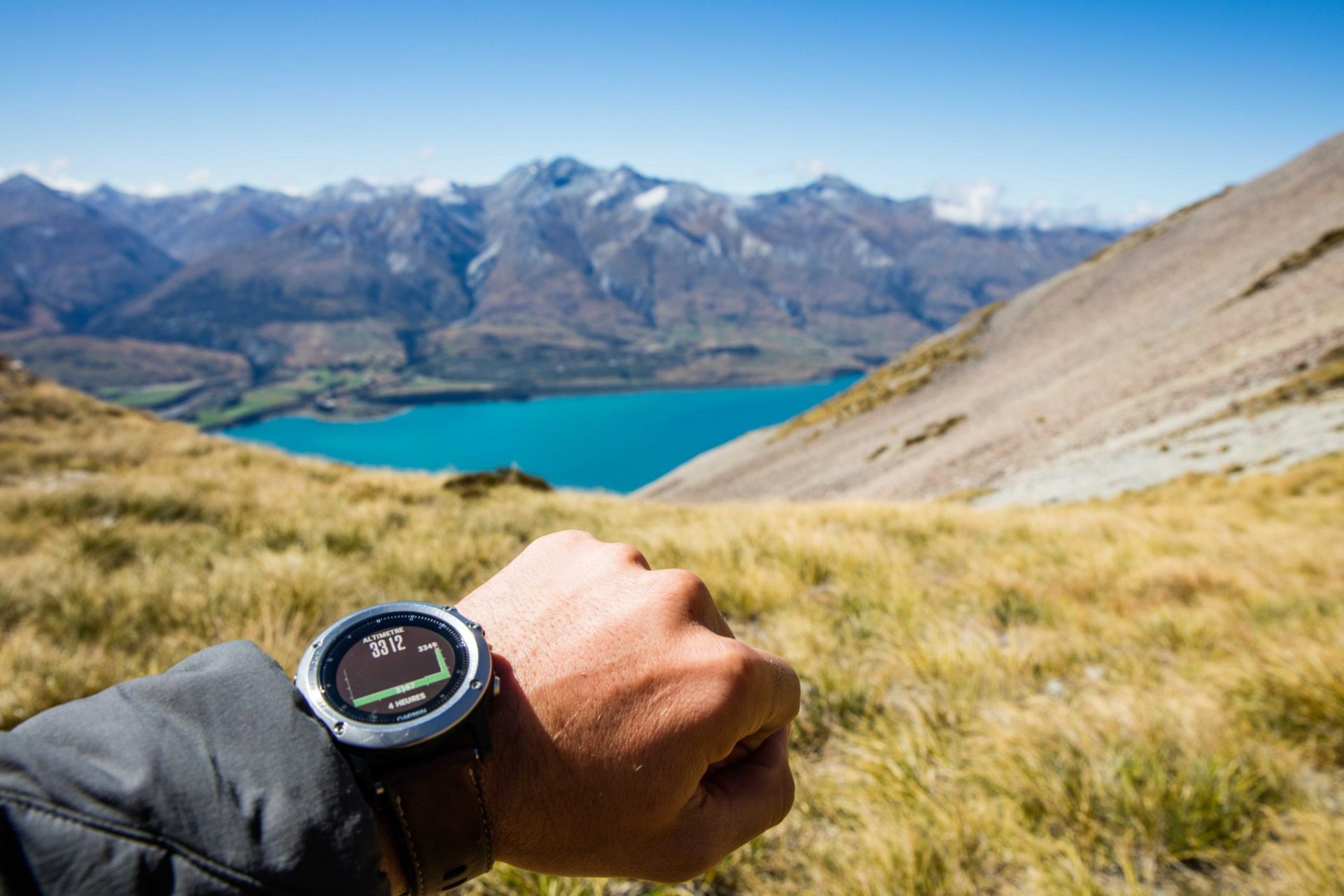
- A watch (which also doubles as a GPS – altimeter – compass);
- A mobile phone (I always save the local emergency number on it);
- Toilet paper;
- A camel bag (remember to stay well hydrated);
- A repair kit (needle, thread and tape);
- Eco-friendly soap for washing yourself and your clothes (this lets you bring fewer clothes and so travel lighter).
What clothing?
I favour clothes that dry quickly and I avoid cotton. Merino wool (which actually comes from New Zealand) is great because it doesn't hold odours and dries very fast. Personally, I take a good Gore-Tex jacket, a good fleece, a few t-shirts, underwear, socks, trousers and shorts. A good pair of walking shoes (avoid setting off with brand-new ones, ideally you should break them in before leaving). A good sleeping bag. As a precaution, allow yourself a margin of 5 to 10°. At night, temperatures in New Zealand are often close to 0°C, so I took a bag rated for -8° comfort.
GPS
There's no network in the mountains of the South Island. So I bring a GPS/satellite beacon. That way, my friends and family can follow my progress live on the web. You can easily rent a beacon from the DOC or buy one in a shop. The Garmin inReach SE model even lets you send and receive texts, trigger a distress call, and it includes navigation maps.
Fishing and dangerous animals
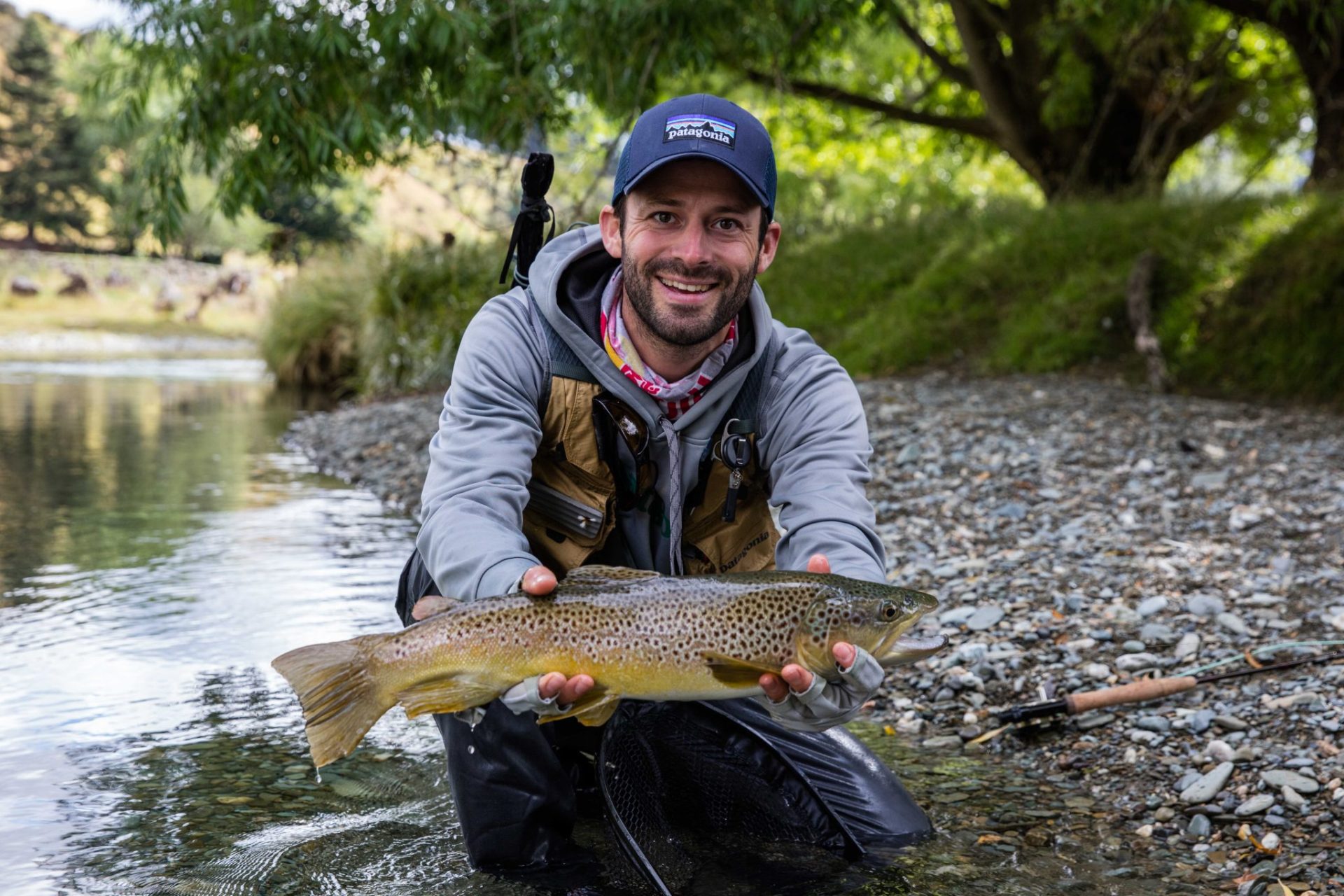 As an extra, I bring trekking poles (a valuable help) and also a Tenkara fishing rod. Here in New Zealand, it's quite easy to catch fish. It could help me get by if, unfortunately, I run short of food ;-)
So I got a fishing licence and looked into the regulations.
Fortunately, there are no dangerous animals in New Zealand. Australia, which isn't very far away, has plenty of them (snakes, spiders, alligators, and more).
I plot my route and let my family and friends know which path I'll be following and when I'll be back.
A "test run" and off we go!
For this first week I set off with Franck, a friend I met here four years ago. It's always better to have company. Plus, he knows the area well and is in great physical shape.
Generally, I do what I call a "test run": I go out for just two days to test my gear, see what I can improve, add, adjust … I come back, fix things up and then set off for real.
So here we are, ready to go. On the first day I deliberately hold back and I always start off calmly to gauge my physical condition and fine-tune my gear. I try to find the right rhythm. I get good nights' sleep and prepare good dinners for myself.
I make sure to reach the hut before nightfall. The path isn't always clear, and at night it's hard to spot the trail markers. Here, the sun sets around 9pm and rises around 7am.
Speaking of the sun, watch out: we're in the southern hemisphere, so it travels from east to north and then to west (back home it passes through the south). Keep that in mind if you're navigating by the sun!
;-)
A paradise for hikers
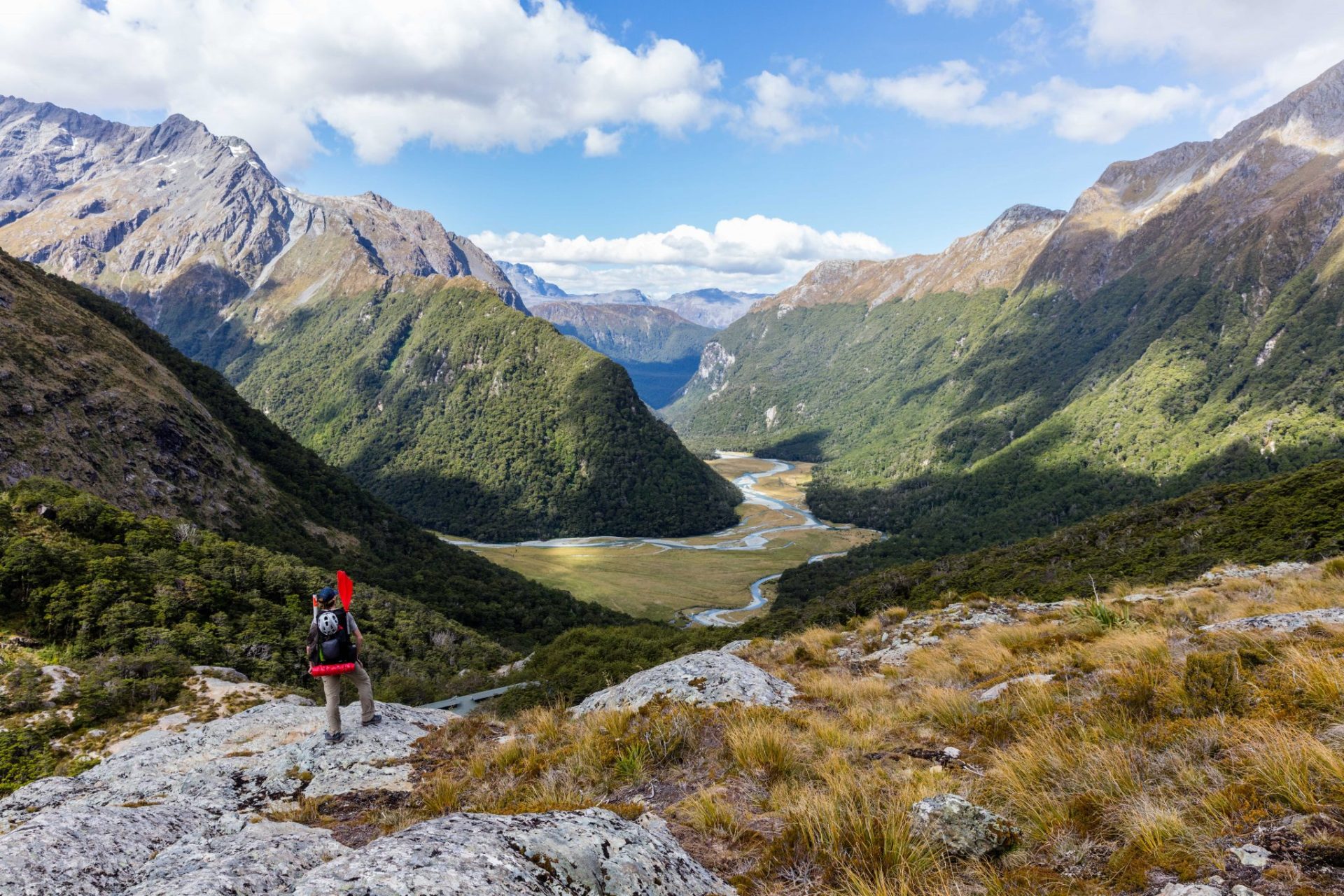
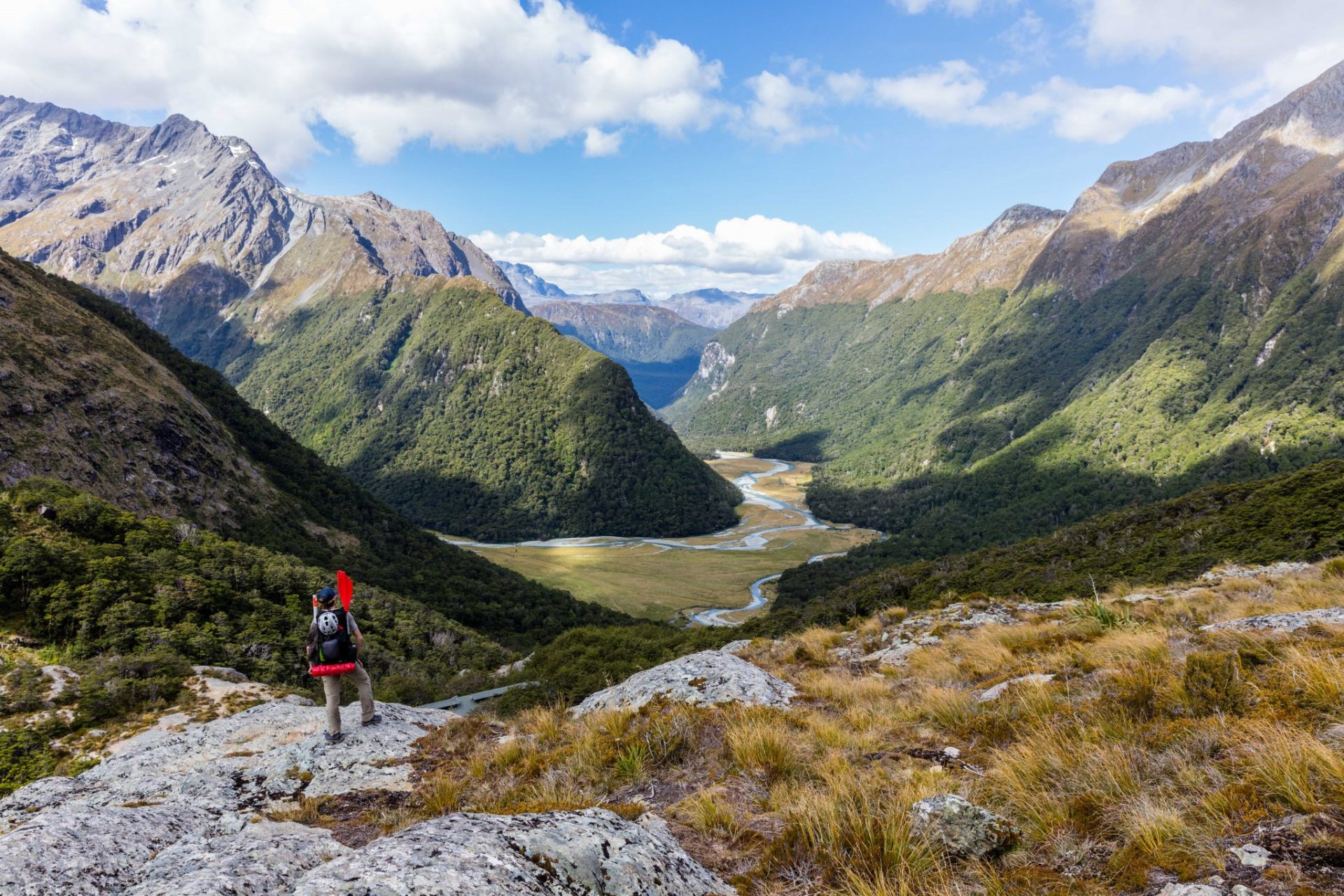
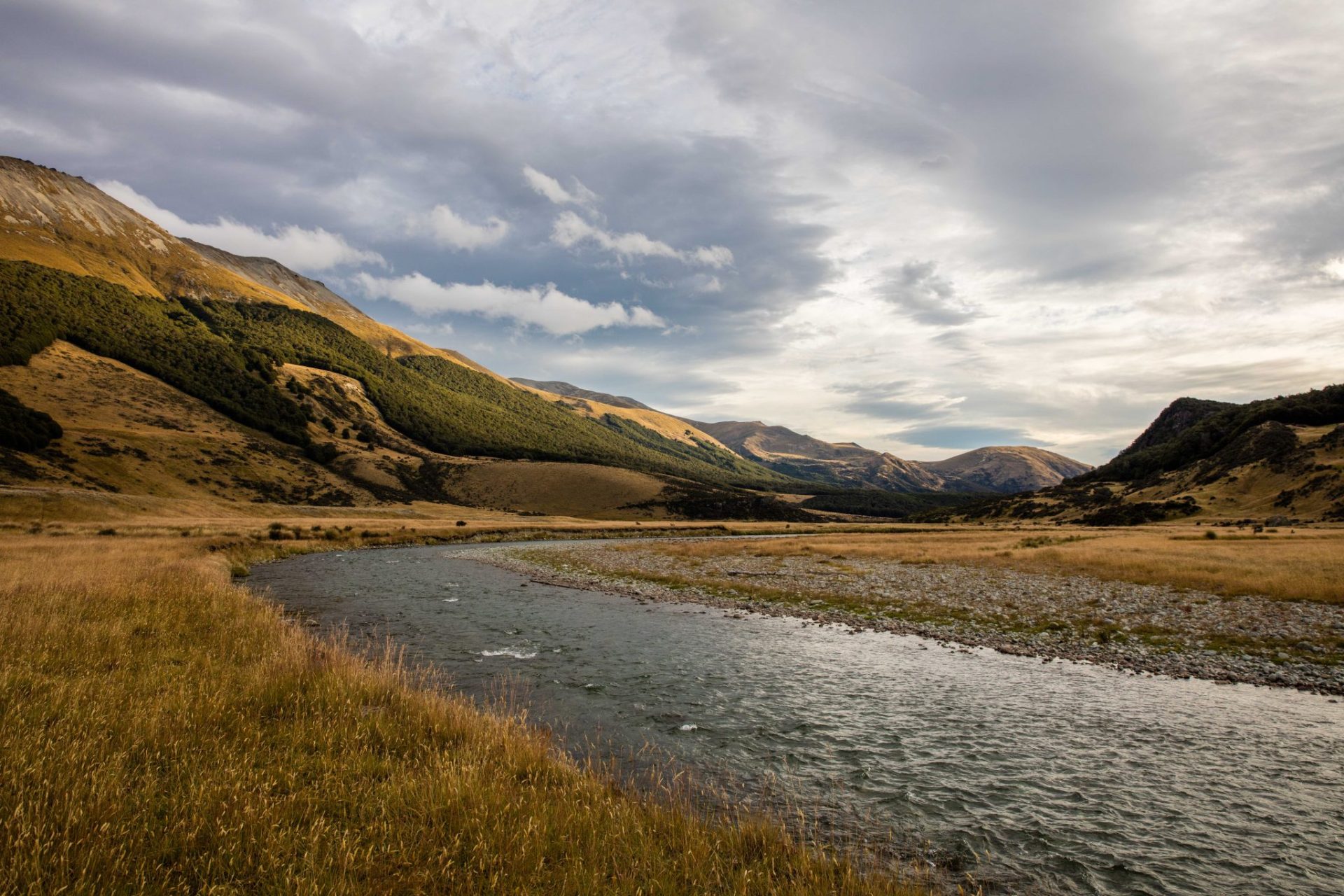
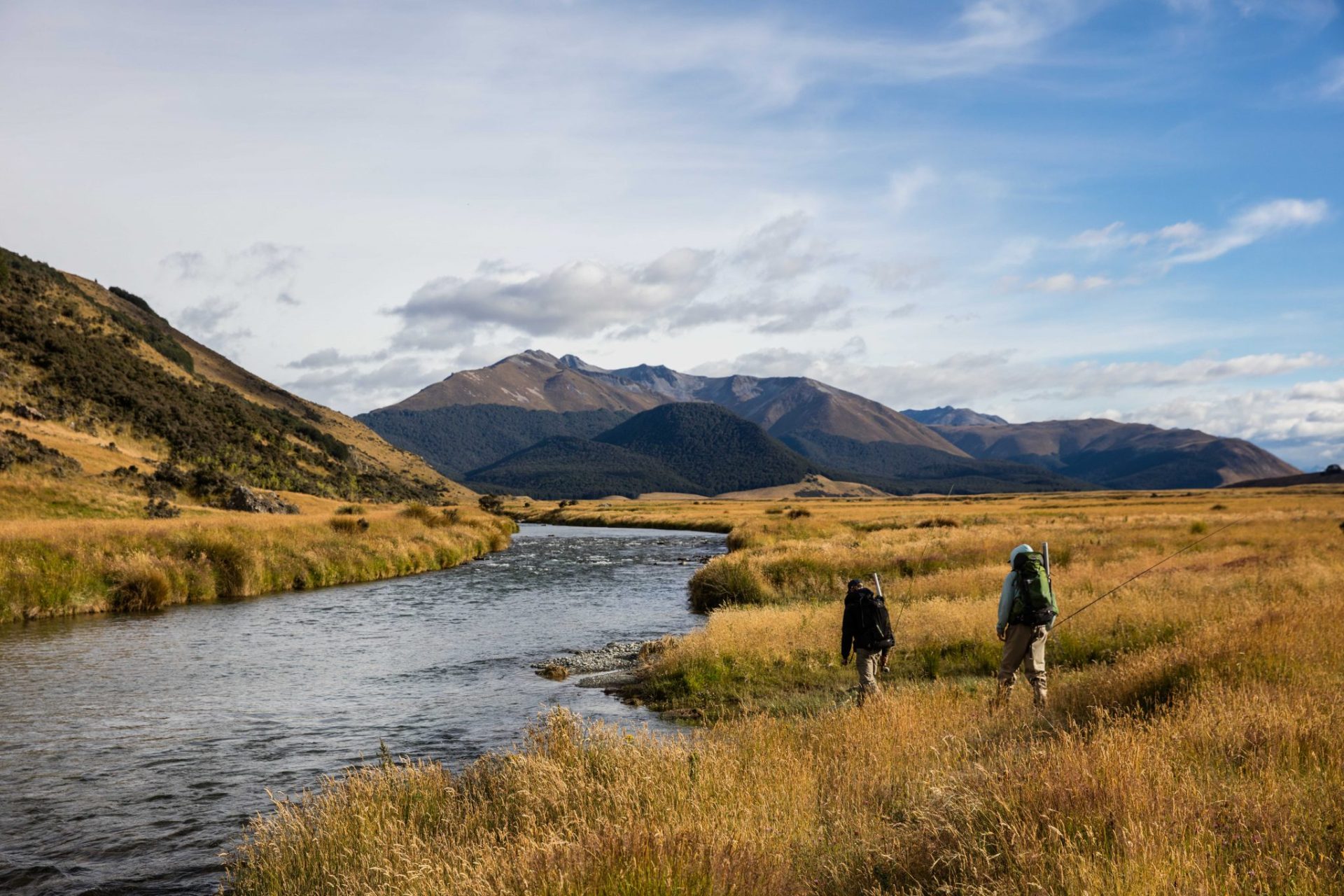
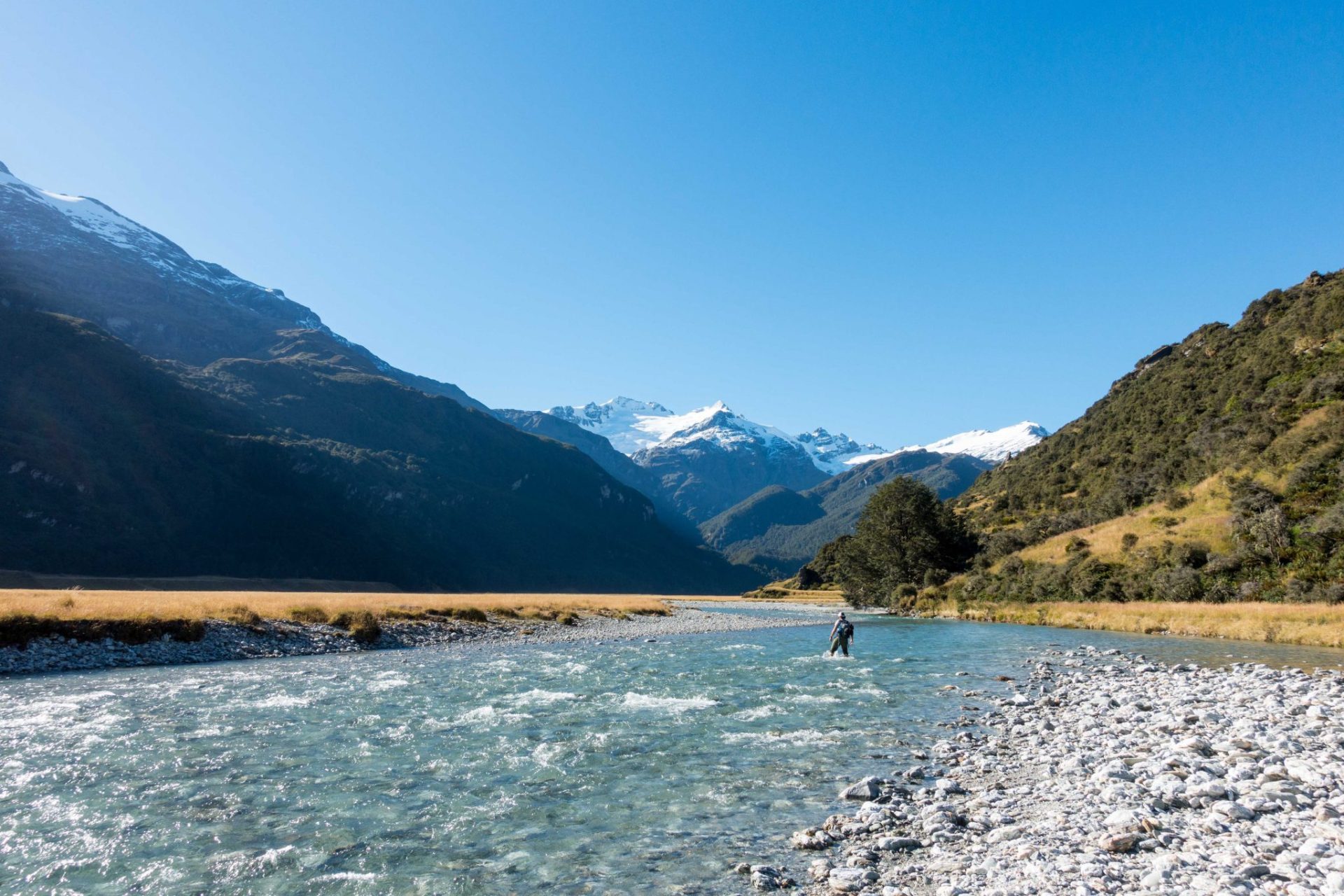
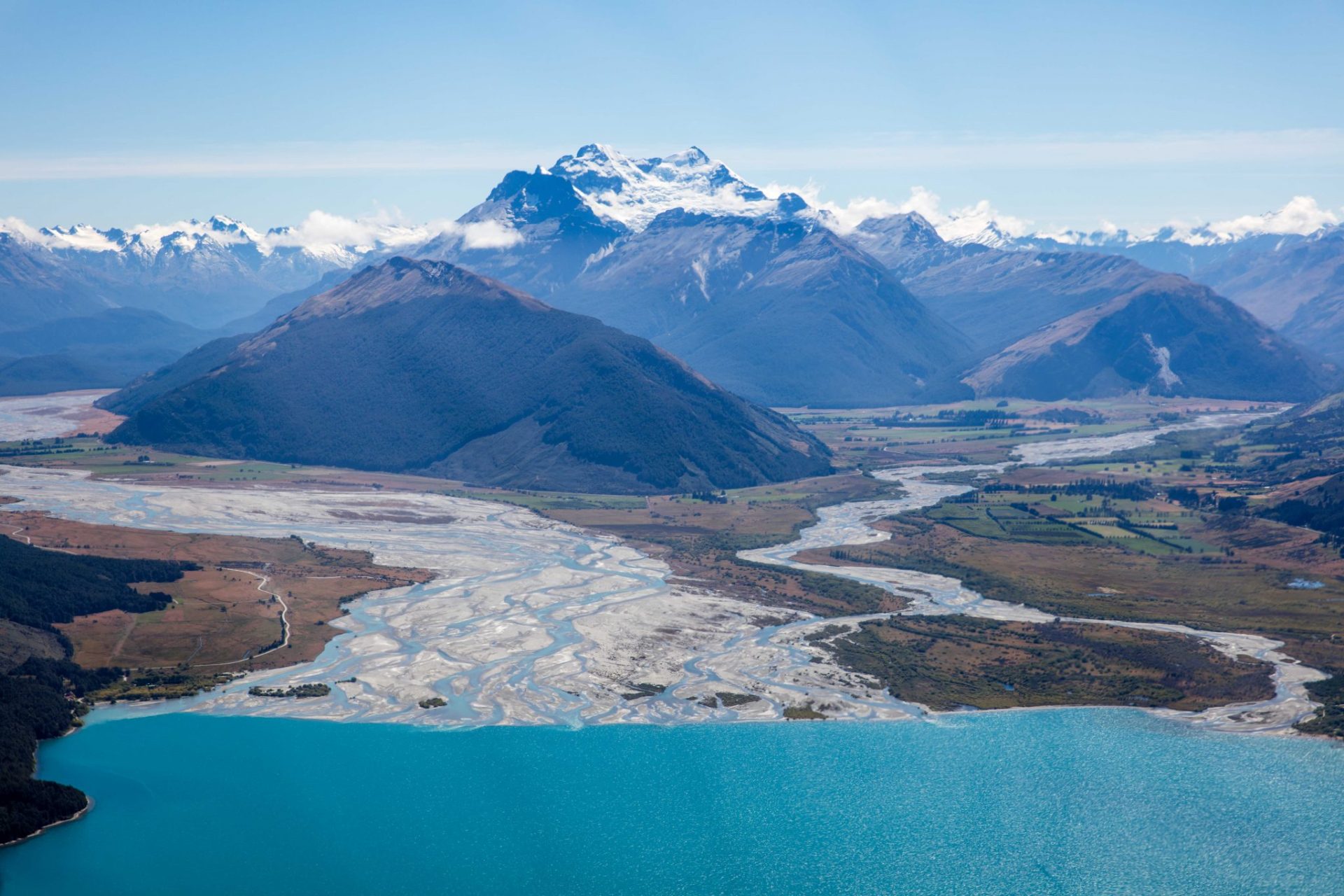
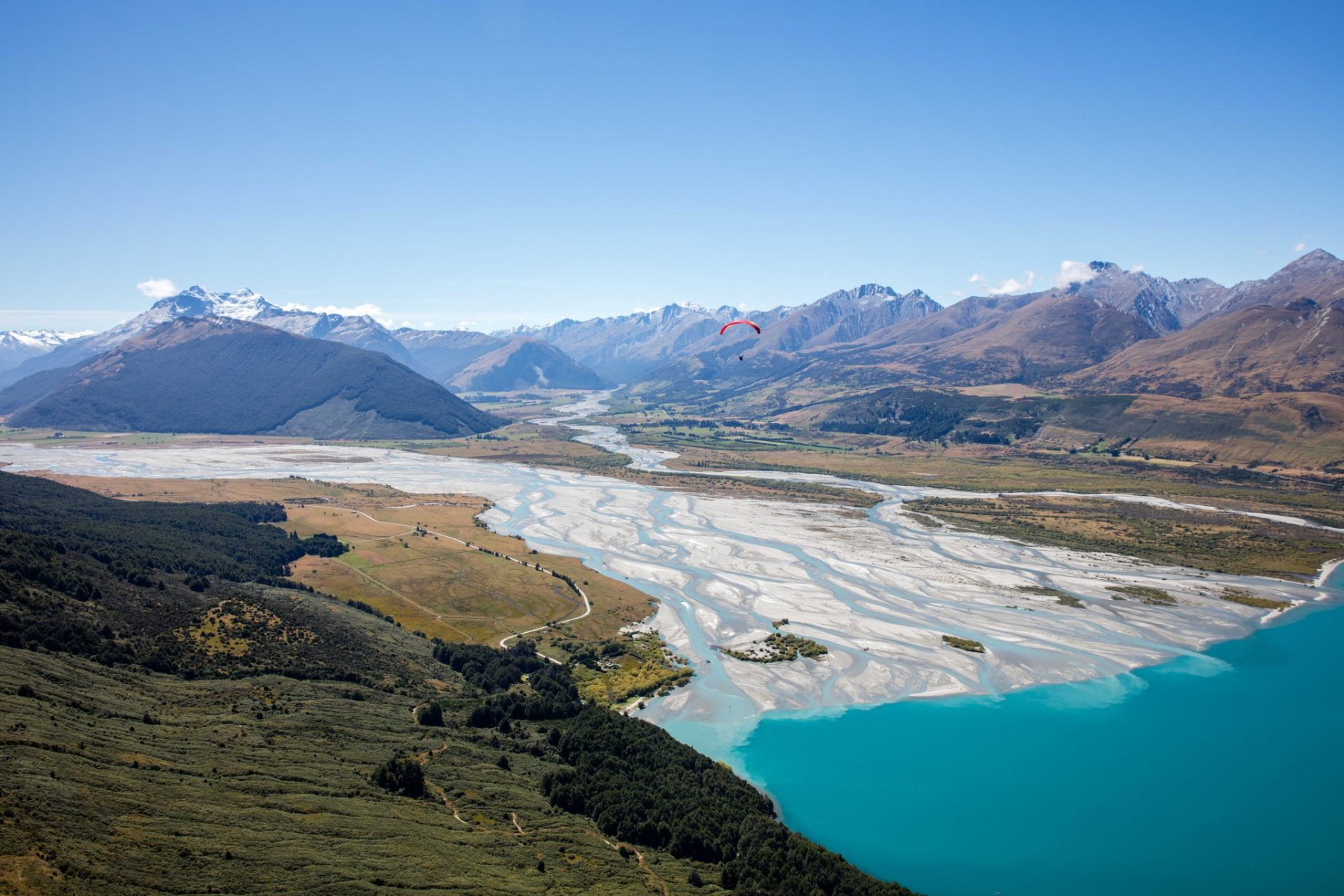
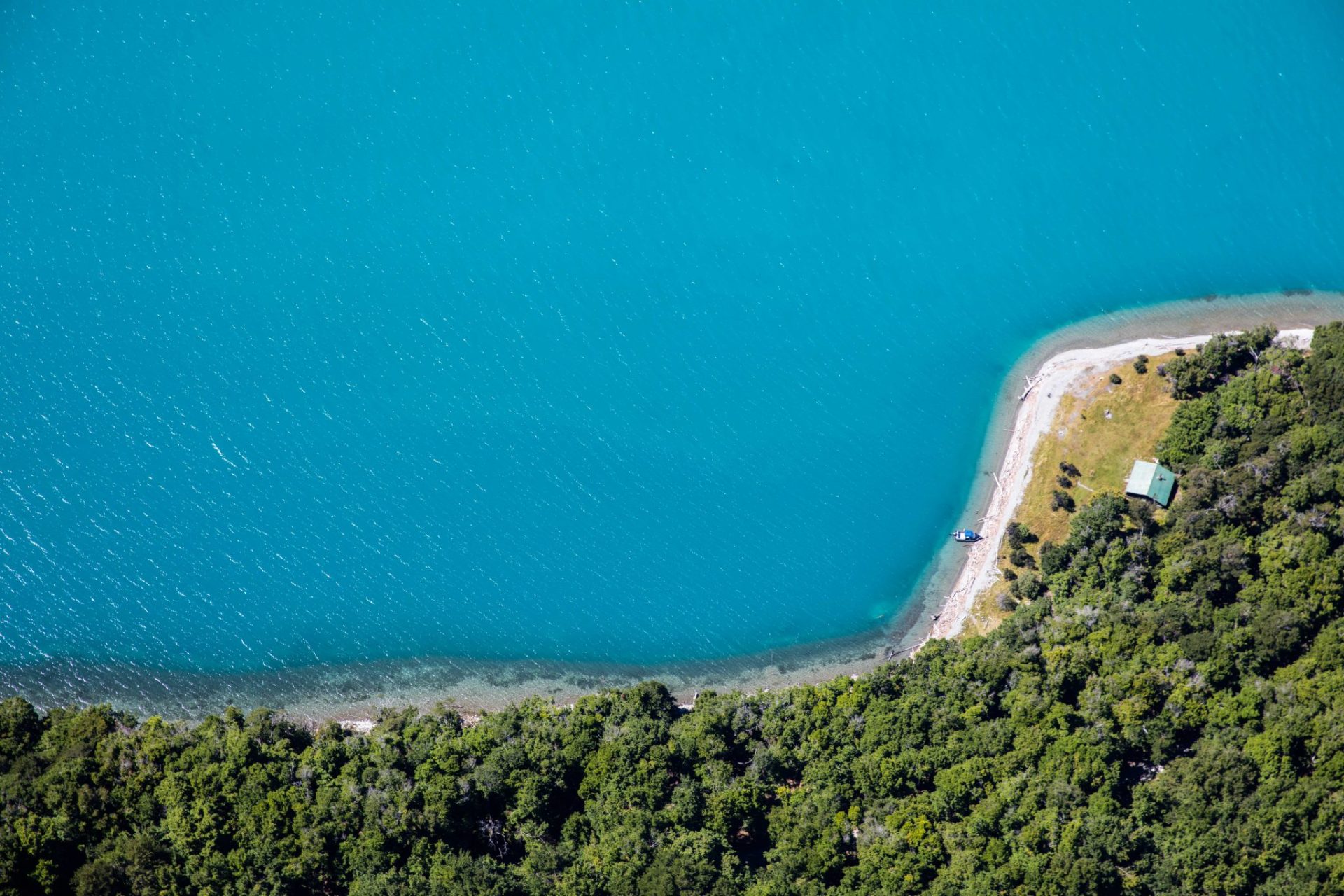
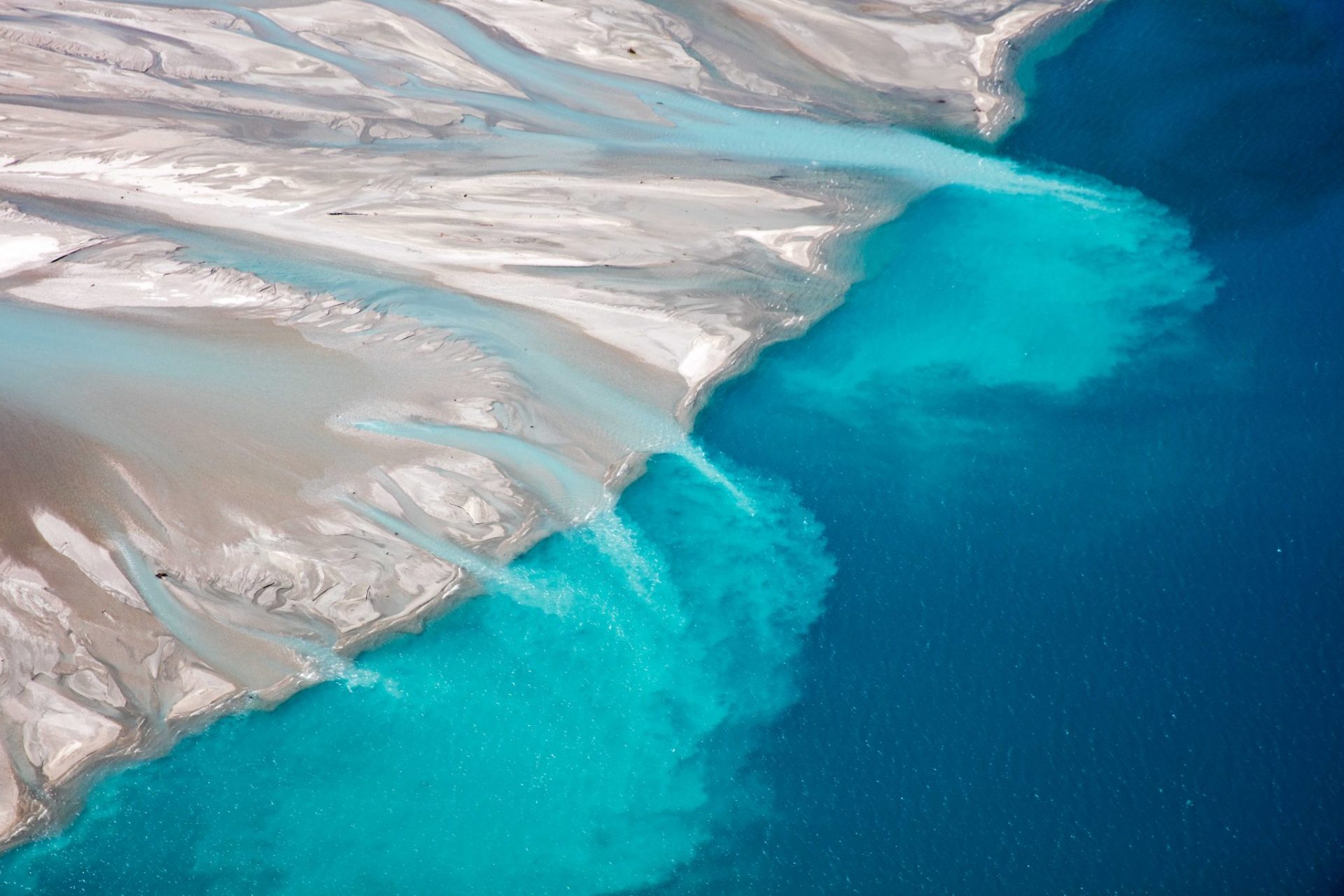
I spent three incredible weeks flying, walking, pack rafting, fly fishing… I discovered wonderful valleys and had some amazing encounters.
I highly recommend New Zealand in particular, and trekking in general. Even though it's on the other side of the world, this country is really worth it. Pack your bag and go explore! There are so many beautiful things to discover.
The proof: the photos attached to this article...
Blue skies and soft landings,
Tom.
The golden rules of trekking
- Let someone know your route.
- Bring enough supplies.
- Be well equipped.
- Don't overestimate your strength.
Tom de Dorlodot is a professional paraglider. He travels the world to feed his passion for wide open spaces. This globetrotter has travelled to more than 60 countries and regularly comes back with great stories and stunning images to share. He is the leader of the Search Projects team.