At a glance
How do you protect yourself when travelling in a risky country where safety isn't guaranteed? Here are Tom's tips.
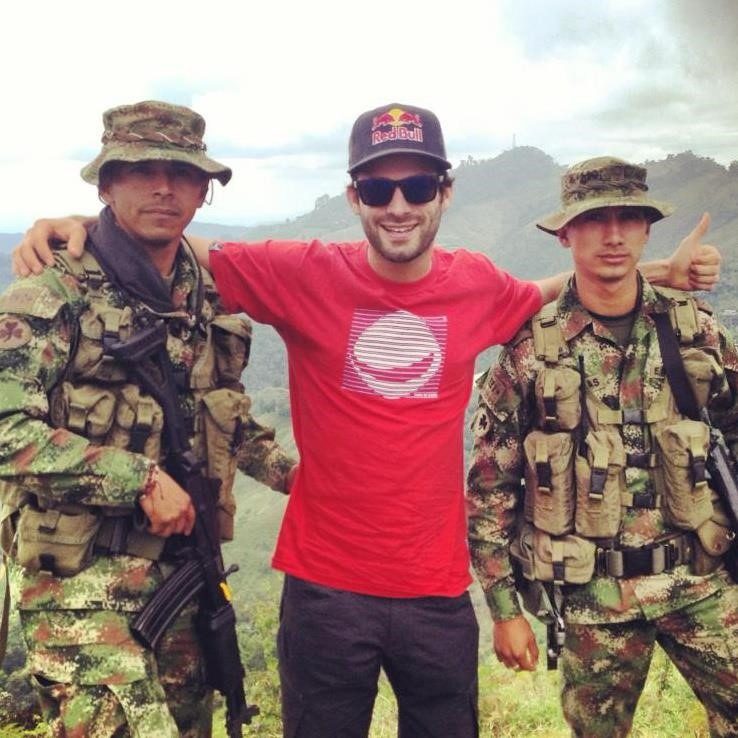
Adventurer and paraglider Tom de Dorlodot travels through countries all over the world. Among these destinations are countries considered risky or reputedly dangerous from a security point of view.
How does he prepare properly and avoid any problems with the local authorities or the population?
Here is his advice...
"I've had the chance to travel to more than 60 countries around the world. Some of them have a reputation for being safe, while others are considered dangerous or even off-limits …
People often ask me: ‘Tom, aren't you afraid to go to Pakistan, Sudan, or Colombia?’.
To be honest, I love these countries and I especially appreciate the hospitality of the locals, who always show extraordinary warmth.
The right reflexes and the right information
 When you adopt the right attitude, have the right reflexes and use common sense, you can generally get through without a problem and avoid a lot of trouble!
I've gone to explore the tribal areas on the border of Afghanistan, I've visited a friend in the favelas of São Paulo, I've flown over drug trafficker territory in Colombia and I've spent 15 hours on the road to Moyale in Kenya… Each time, I made sure to do my research and take precautions, and it always went very well.
Before leaving, I always look up the geopolitical situation of each country I'm going to travel through, along with any areas to avoid. The Belgian foreign affairs website is very thorough on this. You can check it by clicking here.
It's also useful to register on the foreign affairs ministry's Travellers Online website. This way, the Belgian authorities will know you're in the country concerned and can contact you if necessary.
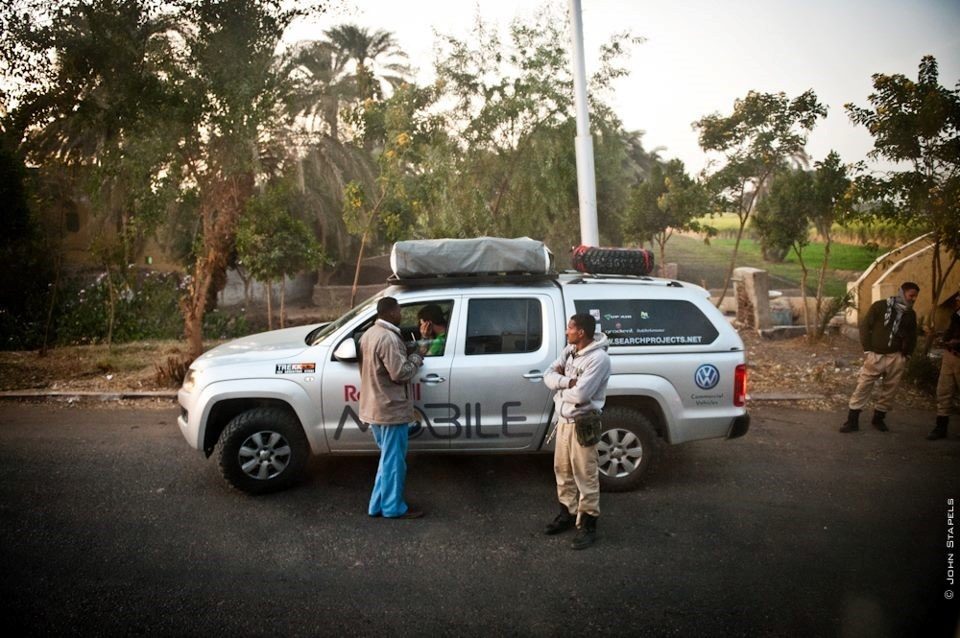
From experience, big cities are often more dangerous than small, isolated villages. But the best thing is still to talk to the locals. They know the "hot" neighbourhoods and they know what to do or not to do. For example, I was in Cairo with my team during the Arab Spring uprisings. Avoiding Tahrir Square was obvious, but otherwise everything seemed fairly calm and peaceful.
Basic tips to avoid trouble
 Here are a few tips to follow to avoid, as much as possible, problems with theft or assault:
- Be friendly and respectful towards local traditions;
- Always choose your taxi yourself;
- Avoid outward signs of wealth (expensive watches, jewellery, etc.);
- Try to pay in small notes;
- Stay alert and don't let yourself get drawn into plans that seem odd.
If you decide to go off the beaten track, do your research! I've once unfortunately landed in a minefield in Greece, and I've also mistakenly flown over a military base in Ethiopia … Each time, I had improvised a bit and hadn't studied the maps of the region carefully enough. I was arrested and was even mistaken for a spy! Needless to say, it wasn't easy to get out of that tight spot. It's always better to avoid this kind of situation.
The valuable numbers to keep on hand
Before leaving, you should always think of a few details. For example, I always save the important phone numbers.
a) In case of a medical issue: the numbers of the main hospitals in the region. You'll often find these in travel guides such as the Guide du Routard, Le Petit Futé or Lonely Planet. I write down the emergency numbers for the country I'm in. I also bring a number to reach my travel insurance company, along with my customer number.
b) In case of a problem with my bank card: I write down my bank's phone number somewhere, the number for Card Stop, and of course my card and bank account numbers.
c) In case of a legal or administrative hiccup: the number of the Belgian embassy in the country, the number of the consulate or the consular agent (which you can find on the foreign affairs website).
d) In case of a communication problem: the number of a friendly local who speaks English or French, and who could be a great help if you're having trouble understanding or being understood!
Being able to communicate
Generally, it's possible to buy a SIM card in the countries you visit. If you're heading to areas without network coverage, you can bring a satellite phone. But it's quite expensive if you're only buying one for occasional holiday use. A Belgian company rents satellite phones at a reasonable price: http://www.rent2connect.com/
You can also bring a beacon, such as a Garmin inReach for example, which besides working as a GPS, can also act as an emergency beacon and let you send and receive text messages with your loved ones.
Final tips
 I also always make a point of scanning my documents and emailing them to myself. That way I can easily access my documents (passport, visa, travel insurance, driving licence, health information (and vaccination record), plane tickets, hotel booking, …).
Hit the road and safe travels!
Blue skies and soft landings,
Tom."
Also read the articles in the "Travel and safety" series
Discover Tom's adventures and tips in the "Travel and adventures" series