At a glance
Our "Sixglobetruckers" continue their adventures in Siberia and Mongolia. Their trip is going to take longer than planned!
Our "Sixglobetruckers" continue their long journey through Siberia and Mongolia, where new adventures await them. Their trip may well end up taking longer than planned...
Entering Siberia
Crossing the Russian border from Kazakhstan, the change is fairly abrupt: we immediately find trees again, good roads, rain, well-stocked shops, a very good internet connection… We soon reach the crossing of the Ob, a huge Russian river, and approach Novosibirsk, now the country's 3rd largest city. With the rain and the 18°C of Siberia in August, we struggle for the first time to dry our laundry. So we fire up our wood stove again and spend a few days living among hanging clothes.
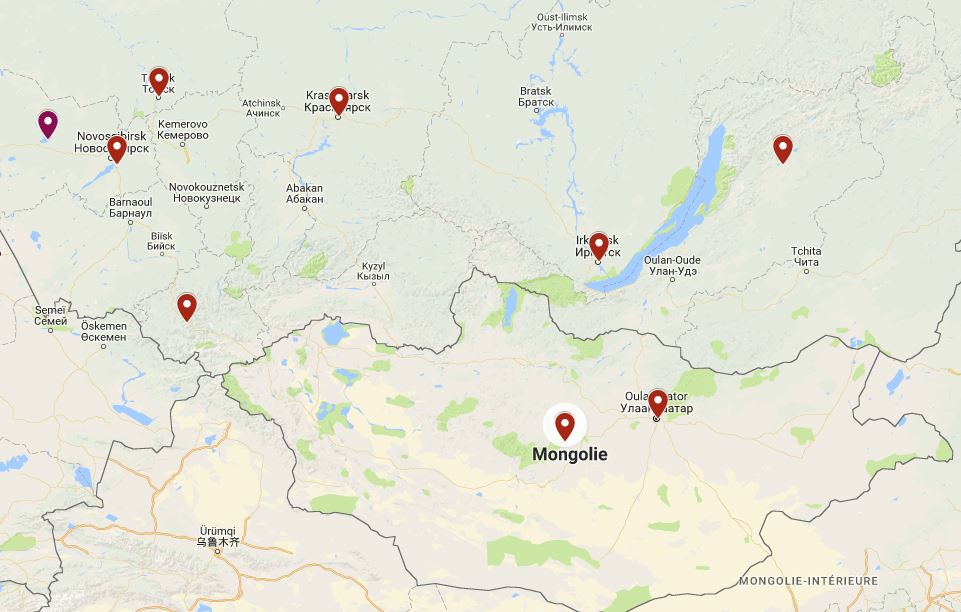
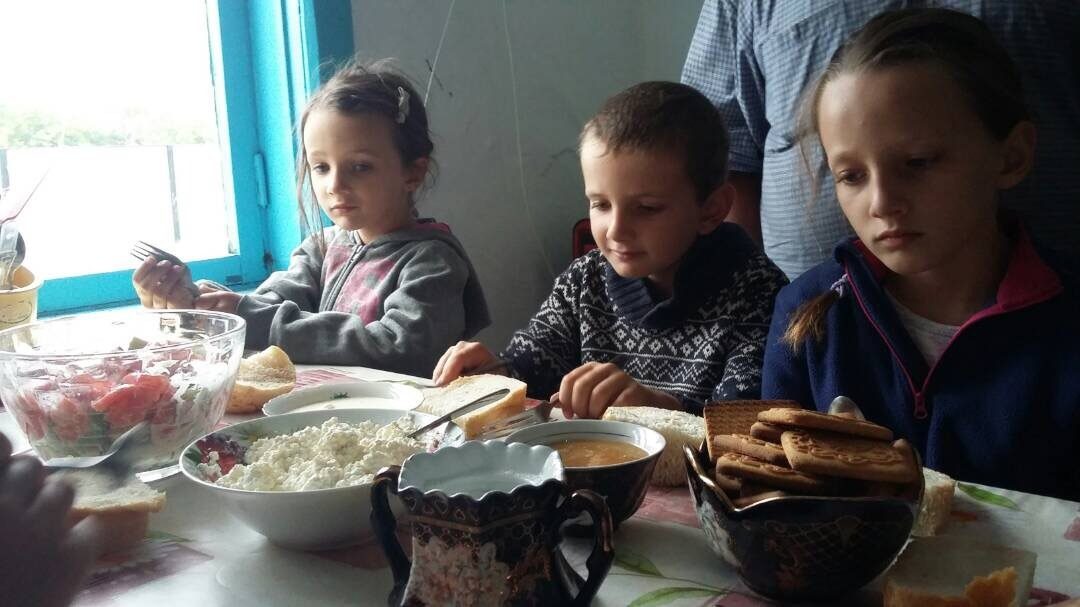
Drawn by the smell of one of our fires, Victor, a resident of Akademgorodok in the south of Novosibirsk, knocks on our door looking to meet us. He introduces us to his family, who practically adopted us for six days: they set their minds on giving our truck a makeover before our Mongolian crossing, convinced we were in just the right place for mechanical repairs! Indeed, the city is a major hub for mechanics and spare parts sellers serving all the trucks travelling from Moscow to Vladivostok. They introduced us to their friend Igor, who guided us through 5 garages! Speaking perfect English, they handled all the necessary translations and address searches so we could fix our heating (broken since Turkey), find at least one replacement shock absorber, change the ball joints, replace 2 broken leaf springs, do a major service, finally get a proper weld on our compressor, and reattach our exhaust pipe properly. While our Truck was at the garage, they first showed us around their own town, then Novosibirsk.
Akademgorodok
Akademgorodok is a very unusual town: it was created by the government in 1950 to relocate academics and researchers there. The aim was to offer them an "ideal town" where they could dedicate themselves to their research, far from Moscow and Saint Petersburg! The houses are built in a birch forest, and a reservoir was created on the Ob using a dam so that a beach appears at the end of the street. Everything is done on foot, everyone knows each other, and life there seems simple and healthy… The town still has the highest concentration of research institutes on a single street to this day…
Novosibirsk
We then also visited Novosibirsk: large Soviet-style buildings, the opera house, the circus with its bear trainers… and above all, one of the biggest stations on the Trans-Siberian Railway! Here we cross its route, which we followed for more than 2,000km, or 102 stops out of the 990 that make up the entire journey to the Pacific Ocean.
Victor then put us in touch with one of his friends, who guided us through the city of Tomsk… and then we headed for Krasnoyarsk, the city where Jules Verne's Michael Strogoff is held prisoner. We followed a lovely trail through the taiga to reach the Stolby, an unusual cluster of rock formations that tourists enjoy climbing.
Through countless birch and fir forests, the road is still long to reach Irkutsk, at the gates of Lake Baikal. There, we passed the 20,000 km mark since the start of the trip, and also took the opportunity to get through a lot of schoolwork.
Irkutsk
Irkutsk has a lot of charm: a lively city, pastel-coloured houses with wooden lace trim, golden or coloured onion-domed bell towers, and the Angara River flowing through the centre, on which one of the first icebreakers still floats! It's here that we find a tick on one of our backsides!
Beware of ticks!
Our original itinerary planned for us to only stay a few days in Russia before reaching Mongolia via the Altai. However, since we got a 30-day tourist visa instead of a simple transit visa, we changed our plans and decided to make the most of it by reaching Lake Baikal before entering Mongolia. This route through Siberia hadn't been planned in our pre-departure travel consultation… otherwise we would have got the vaccine against tick-borne encephalitis, which the region is infested with! Locals take the recommendations very seriously: they never set foot in tall grass, tuck their socks over their trousers, spray everything with a specific repellent, and check themselves daily. When they find a tick, they go to a "Tick-Borne Disease Prevention and Diagnosis Centre" to have it removed and analysed. If it's carrying encephalitis or Lyme disease, they then have a blood test and receive immediate treatment if needed. So we go through this whole process… and luckily our tick wasn't a carrier!
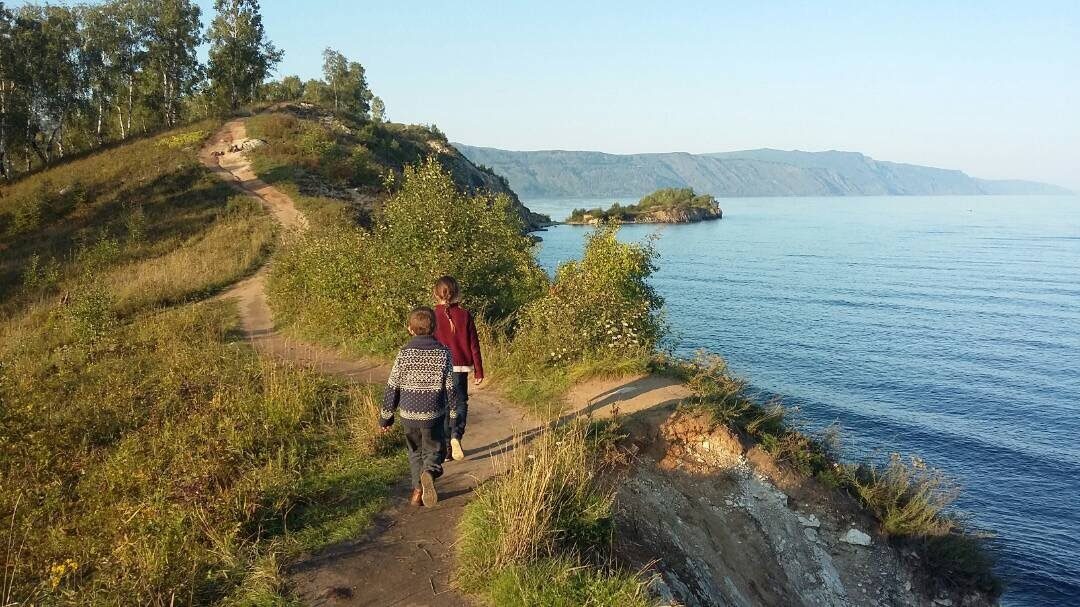
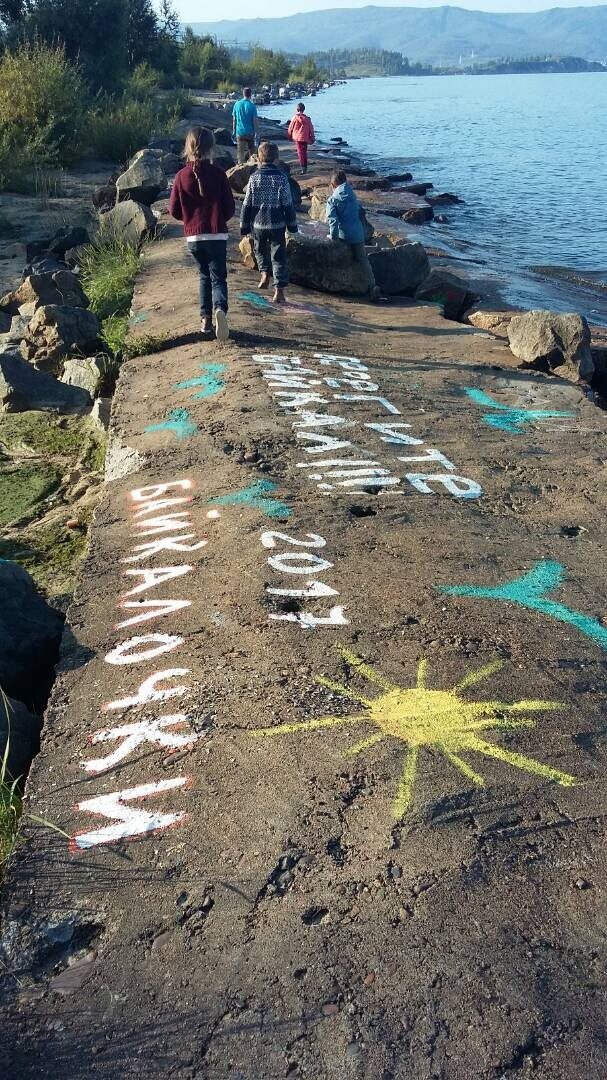
Knowing we're all in good health, we make another stop at an Iveco garage found by chance on the side of the motorway… they can't find the last remaining shock absorber that needs changing, but offer to repair the old one instead! So it's with a fully repaired truck that we reach the shores of Lake Baikal! It's especially impressive in winter when the water is frozen, but still proves gorgeous in summer: with the Trans-Siberian Railway running alongside it and tasting some Omul fish on its shores, we understand why so many Russians come here for their holidays.
Buryatia
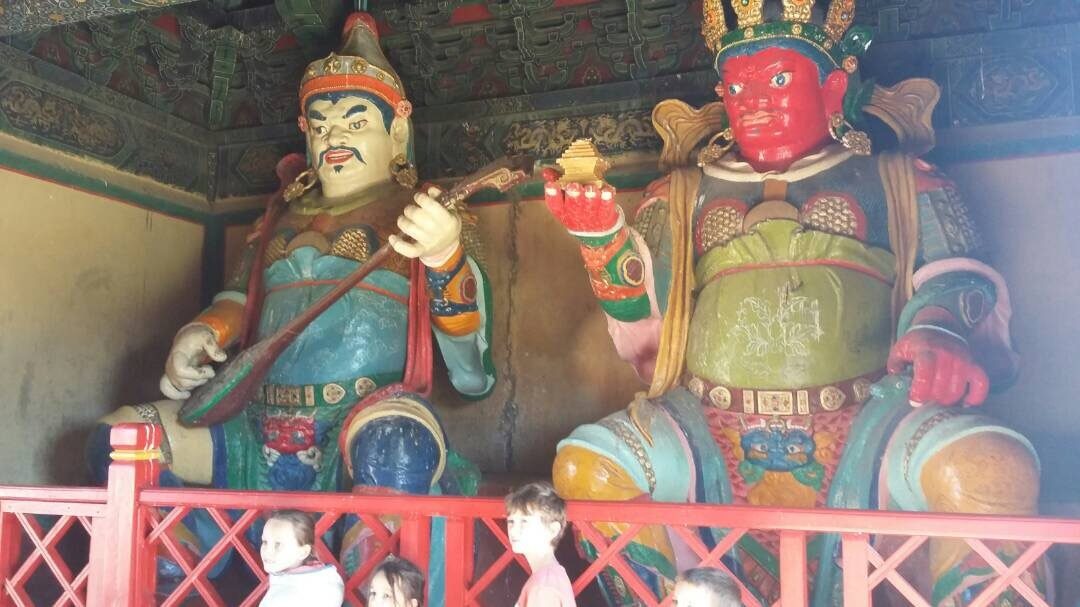
East of Lake Baikal lies the autonomous Republic of Buryatia, whose cultural identity is quite strong… already, faces start to change, become rounder, eyes narrow again, and Orthodox churches give way to Tibetan Lamaist temples. We were there for the start of the school year, on the day we visited a zoo featuring Siberian animals, including the snow leopard and the sable, two animals that have become rare and that Russians are working to protect. With one last water refill and one last big grocery run, we head for the Mongolian border on the very day our visa expires!
What we'll remember from Siberia is garages, friends we'll keep, birch trees, rain… and Lake Baikal, which we'll no doubt want to see again for longer!
On the road to Mongolia
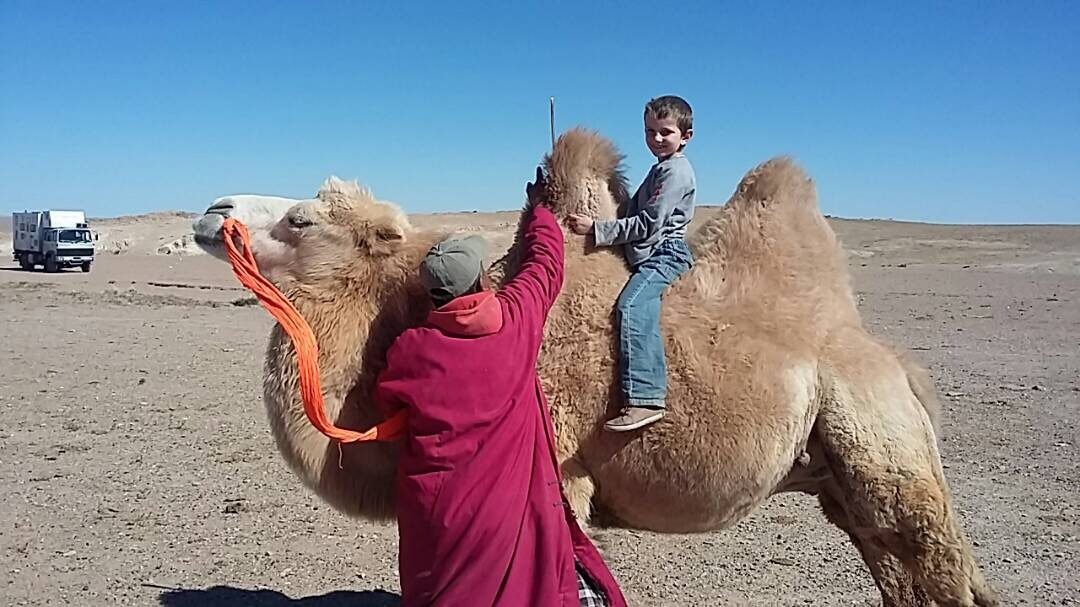
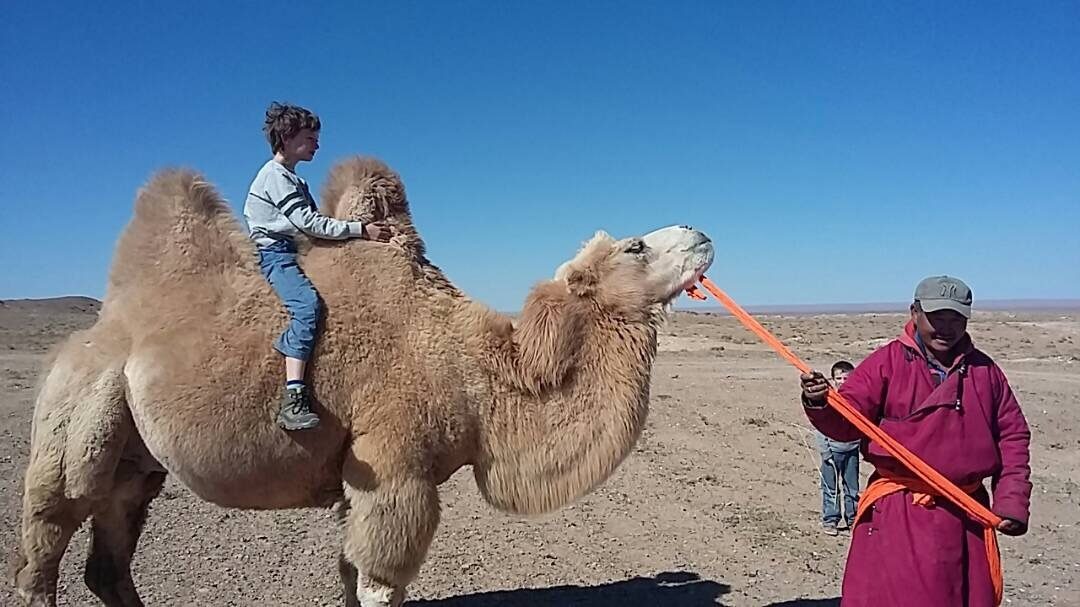
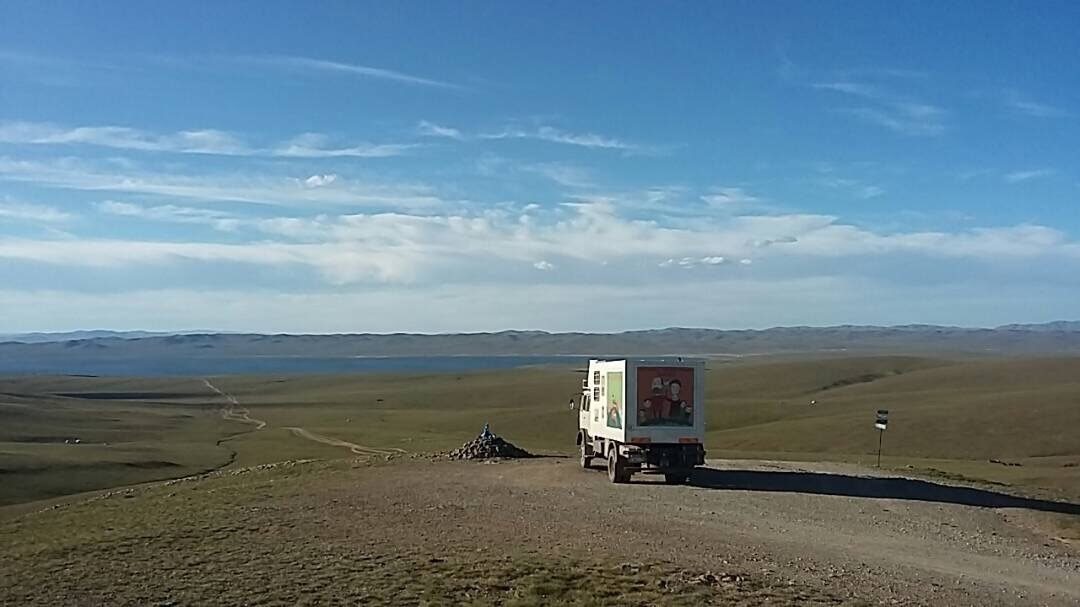
Once we've cleared customs formalities and filled in our "carnet de passage", we take out insurance and get a new SIM card at the border, as usual, and are soon back in a completely different landscape. The trees have disappeared… we find free-roaming horses, riders, yurts, camels, patchy internet coverage and very poor roads. Too used to Russia's good roads, we're not careful enough and end up stuck in a muddy track by the end of day 2. We were trying to reach a very remote monastery and didn't make it there before nightfall. So close to our goal, we kept driving, breaking our rule of never driving at night, and ended up completely stuck in the mud. Luckily, a Mongolian car came by, and the driver took the wheel of the Truck! He got us out of there on the 3rd attempt, and we thanked him with a Russian sausage from our precious supplies!
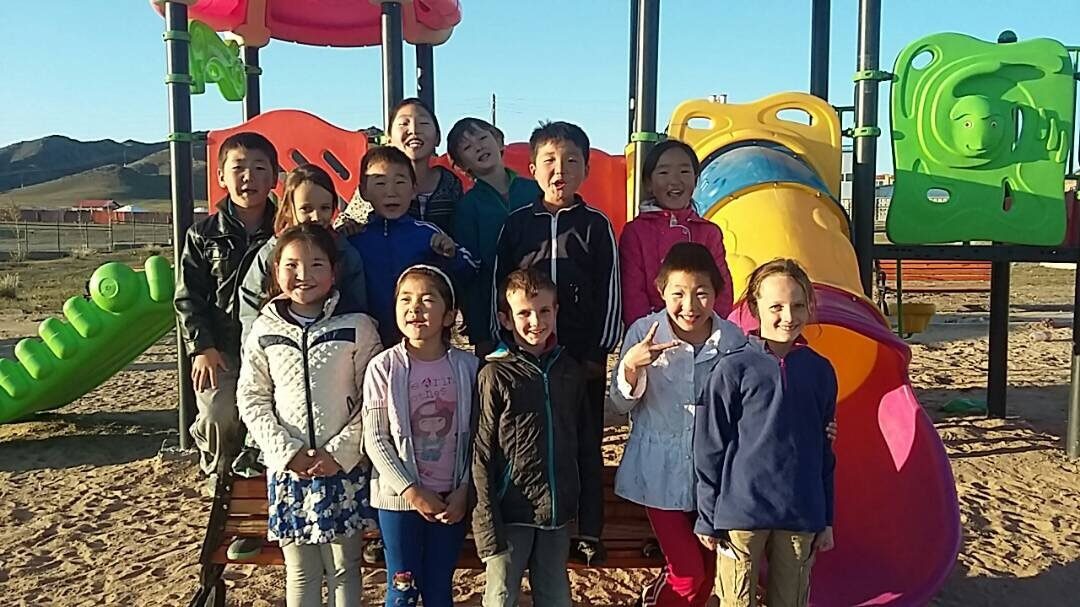
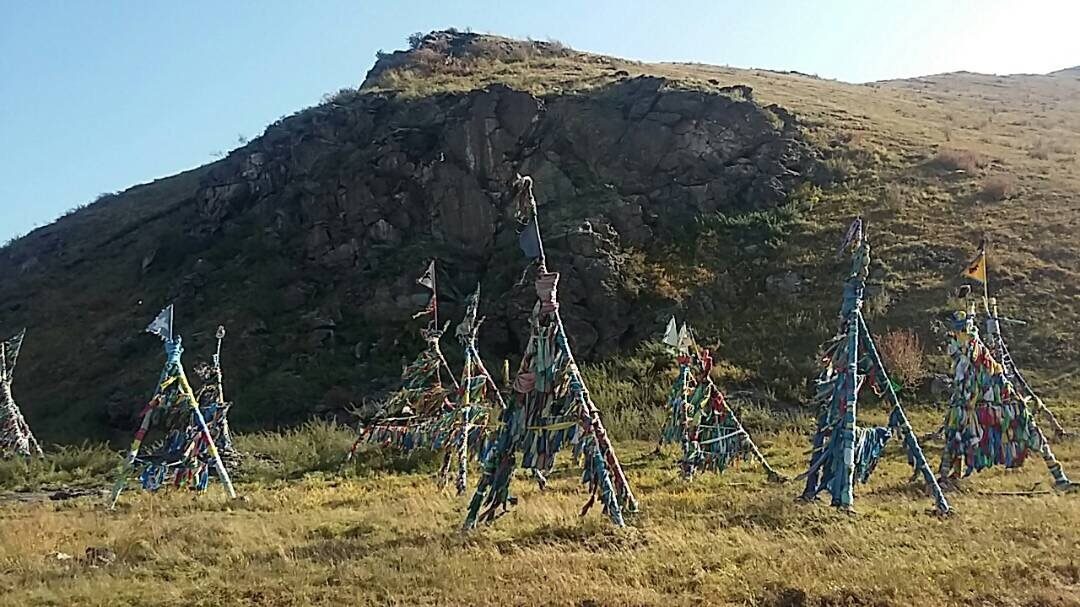
The hard-earned monastery gave us the feeling of Tintin in Tibet: built in 1724, it's one of the oldest still active in the country. We attended the morning chanted prayer… a really beautiful moment… and one of the monks opened up every temple for us! At the end of the visit, we also found another French family who had come all the way from Reims in a camper van! Parents and children were delighted to find playmates and French-speaking company… and, above all, to take the road back in convoy!
Ulaanbaatar
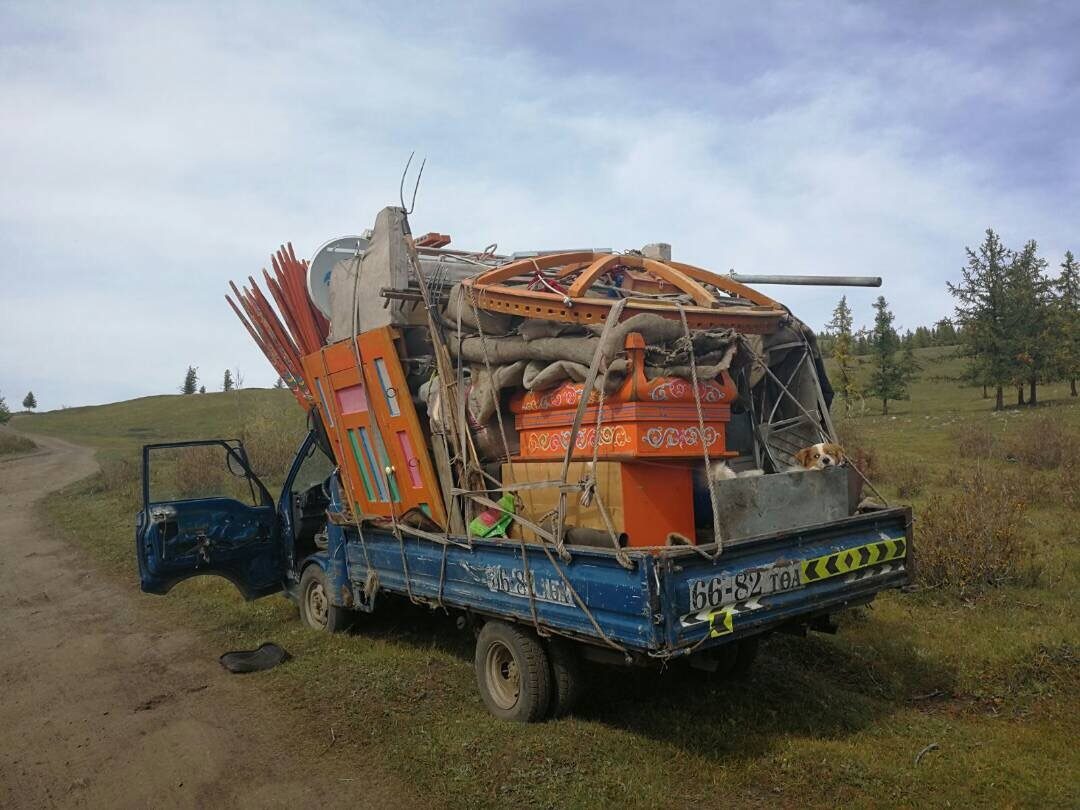
We then headed as quickly as possible to Ulaanbaatar to apply for our Chinese visas, which had become hard to obtain there. Along the way, we camp in the middle of a valley, not too far from a yurt, feeling a little uneasy about the impressive storm we were racing against… In the morning, our shepherd neighbours invite us for breakfast! We go there thrilled to enter a real, inhabited yurt for the first time: in Turkmenistan and Uzbekistan we'd only been in hotel or restaurant yurts… in Kyrgyzstan we'd been invited into tents. On the menu: salty tea and little parcels of sweet omelette with homemade doughnuts.
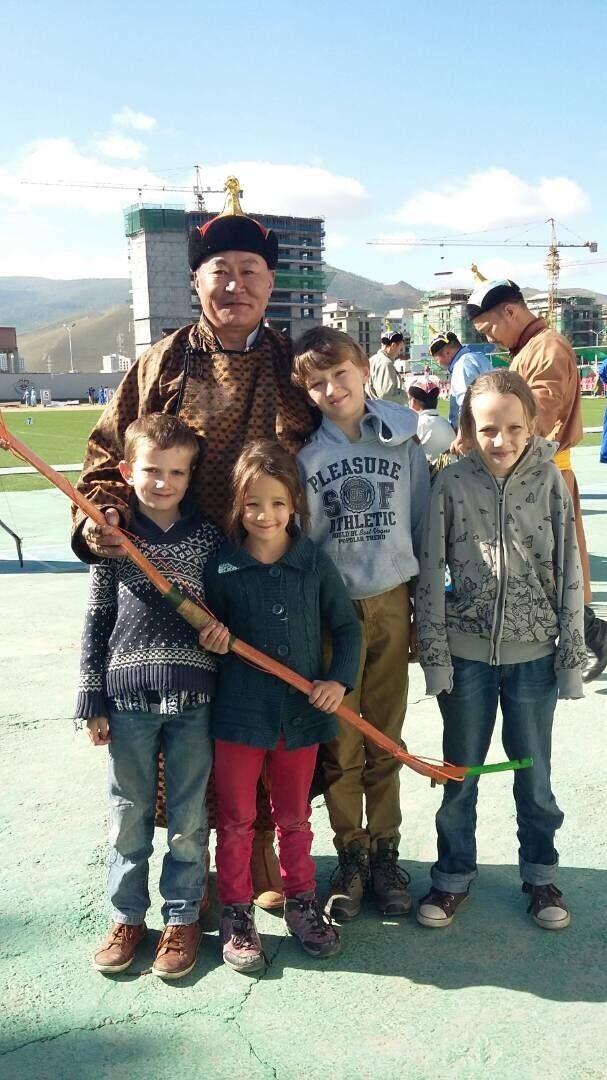
Conversation is basic; Mongolian is very difficult to learn, and although it's written in Cyrillic, the words have nothing in common with Russian. After more than a month, we've painfully managed to remember "Bayarlalaa" for thank you and "Sain baina uu" for hello! We're struck by how traditional the way of life remains, as well as the men's clothing, who still all wear the deel, a long wool coat crossed over the shoulder and fastened with two buttons, with a wide coloured belt added at the waist. Despite our presence, the lady of the yurt kept constantly stirring an enormous vat of milk boiling away on her stove with a ladle.
Visa trouble
Once in Ulaanbaatar, we tried to submit our documents for our Chinese visa application, but because of the Turkish stamps in our passports, everything was eventually handed back to us without any real explanation. We tried to resubmit our application a few days later with the honorary consul of Belgium, but without success, and the visa centre closed overnight to non-residents (the reason seems to be the big Communist Party congress, which takes place every year on different dates… the centres close to non-residents 2-3 weeks before this event). We eventually had to send our passports to a visa agency in Brussels and resign ourselves to waiting for the outcome.
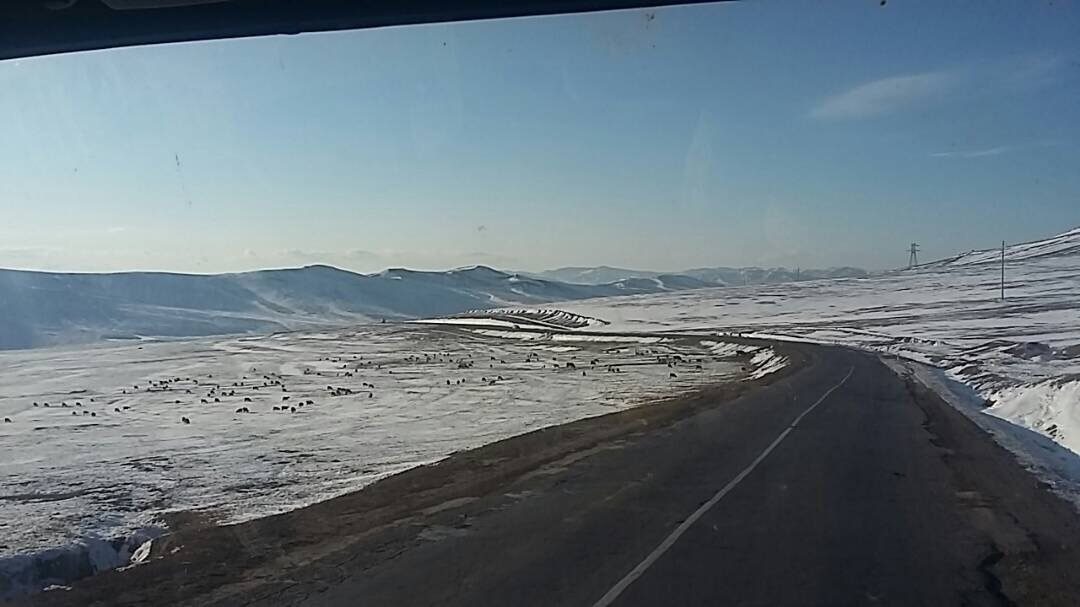
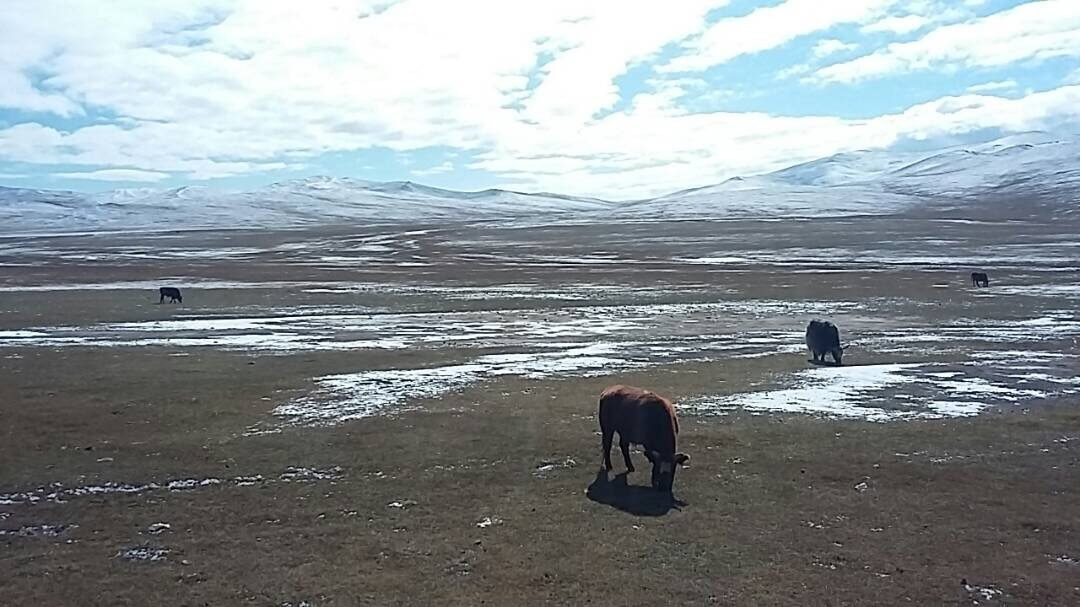
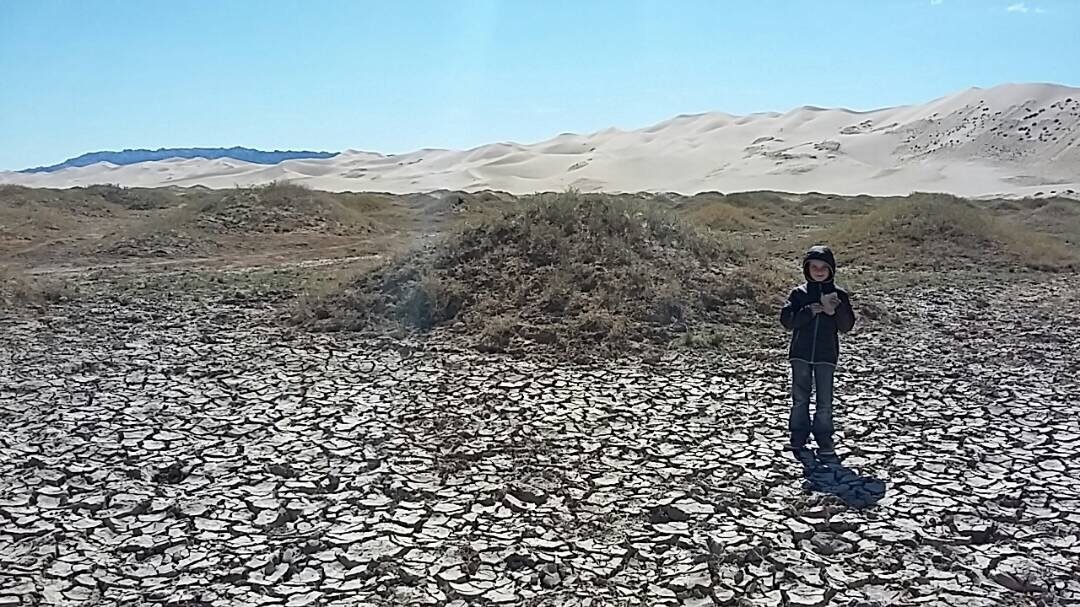
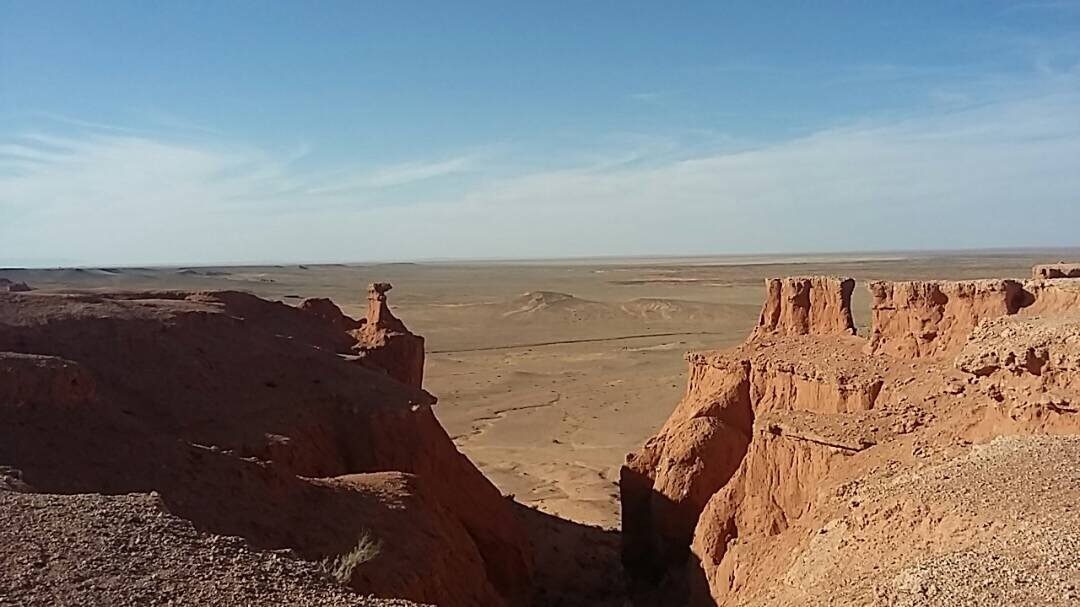
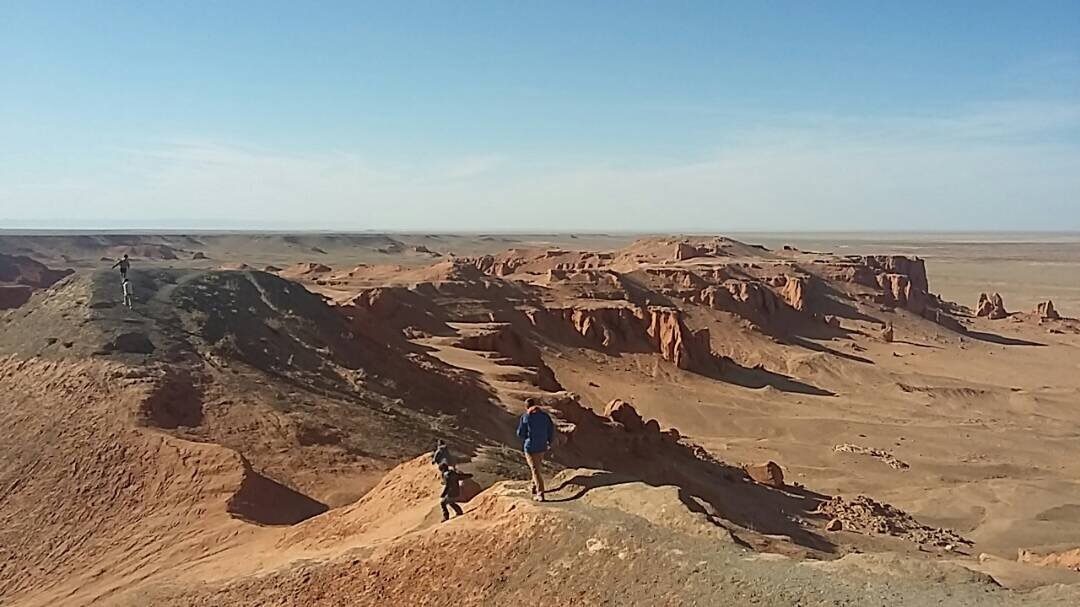
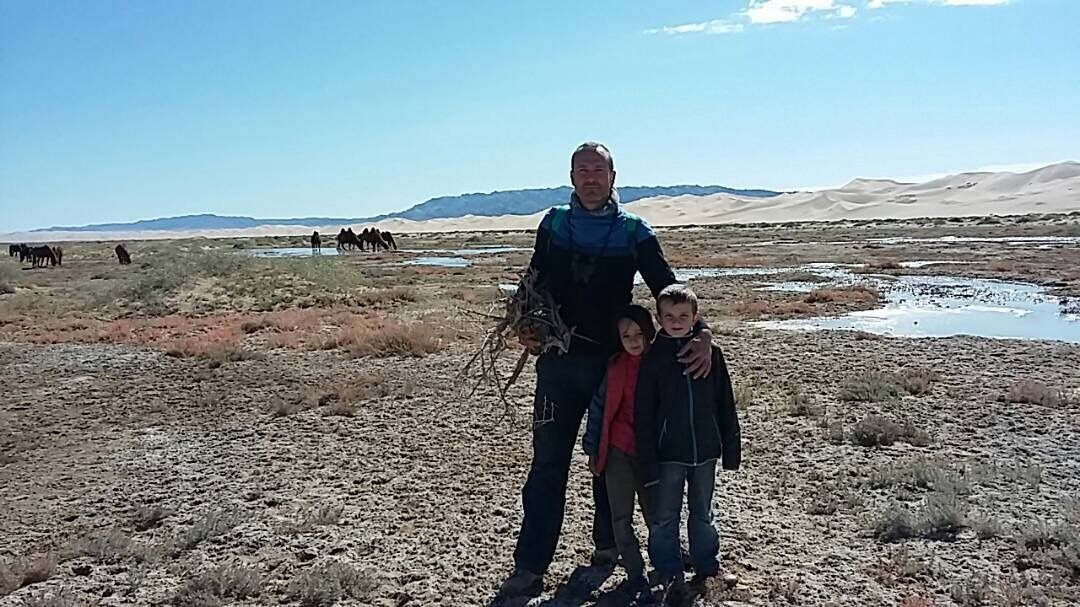
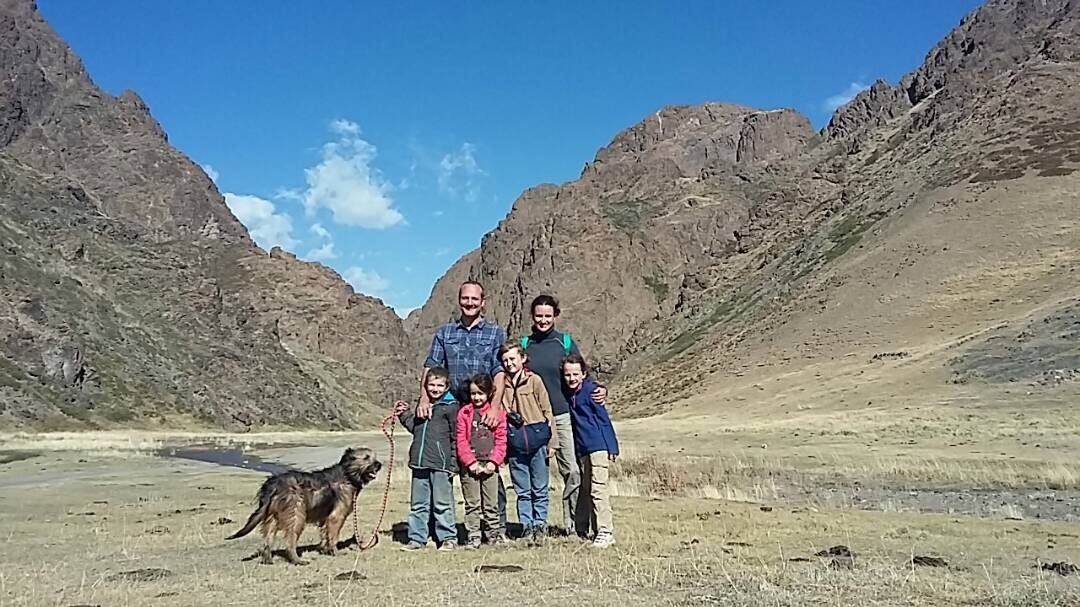
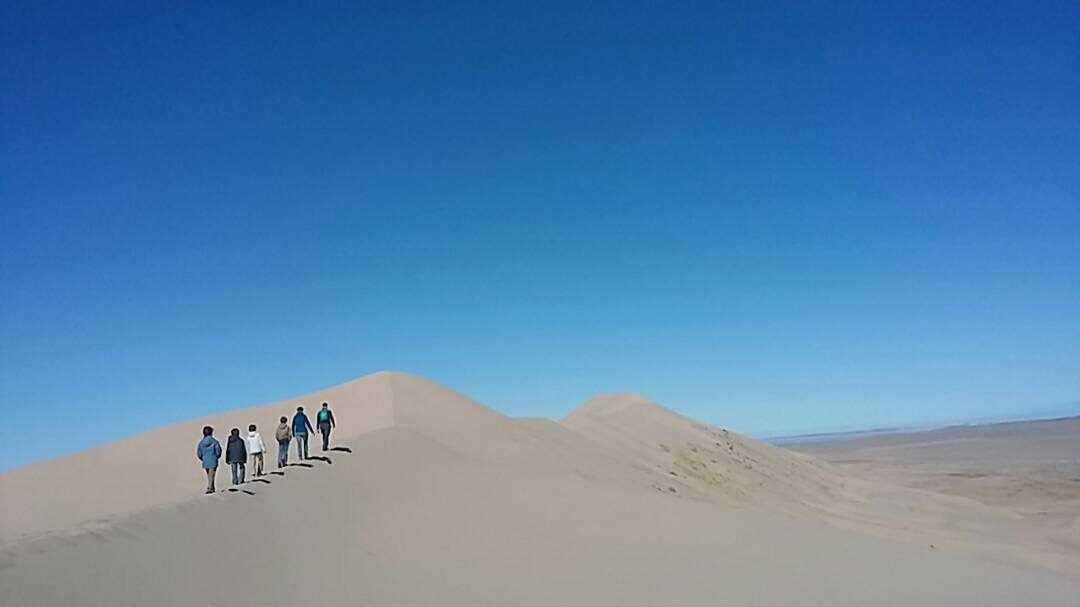
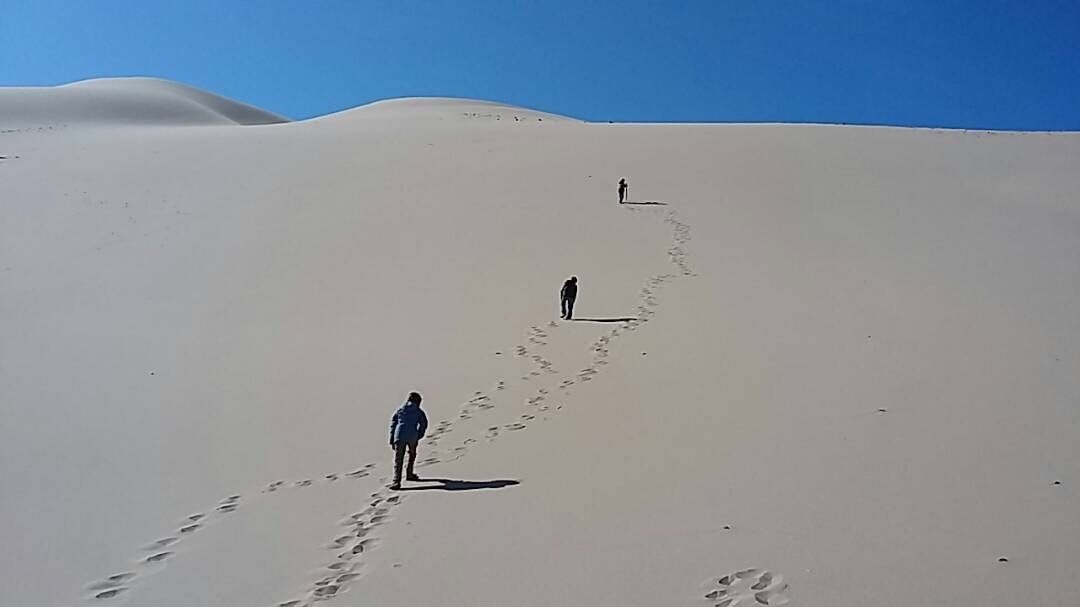
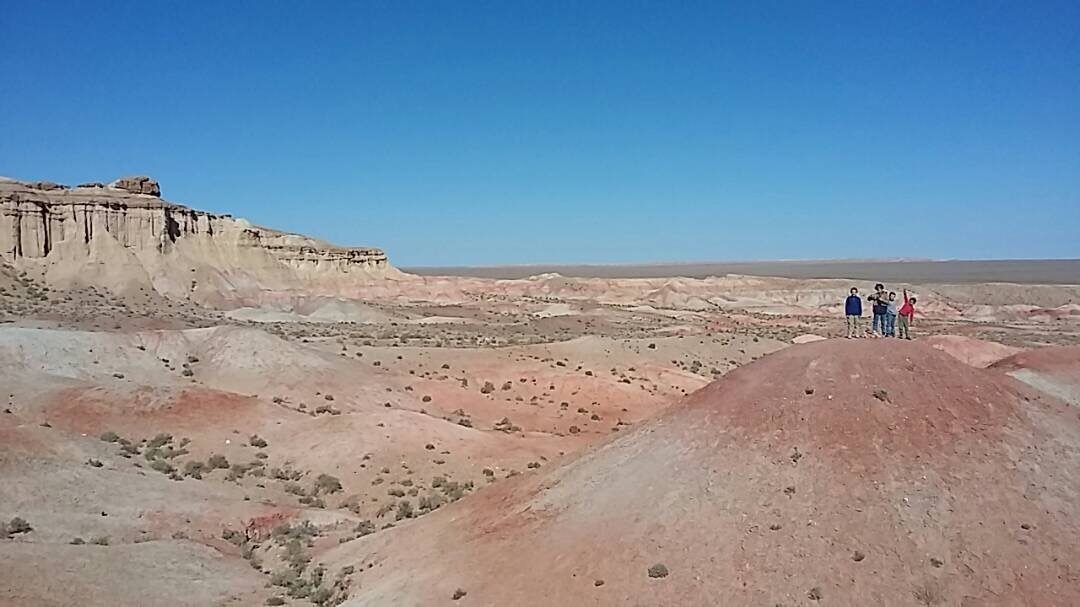
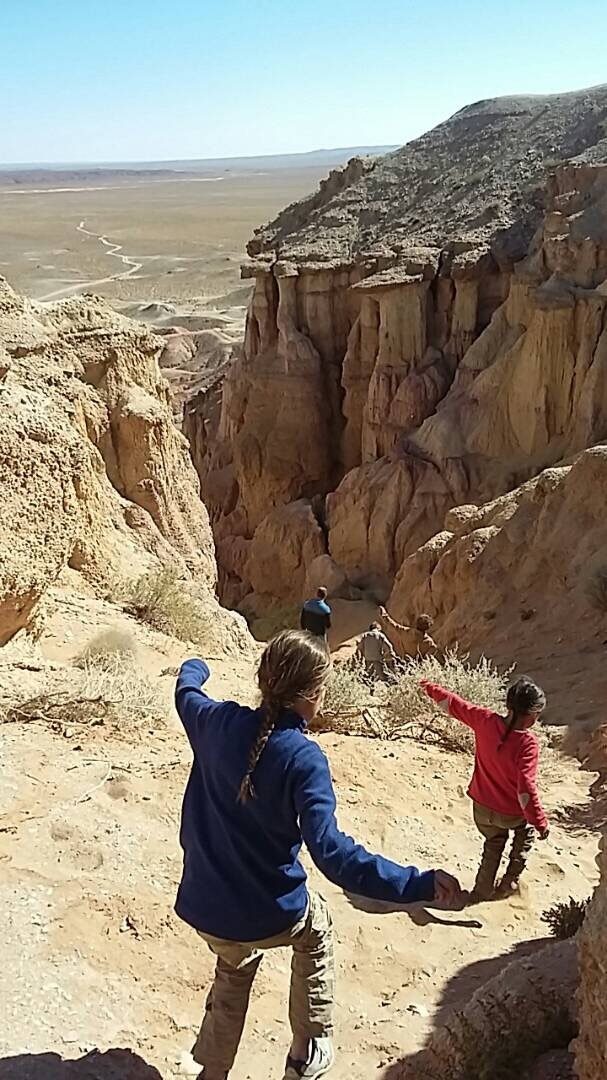
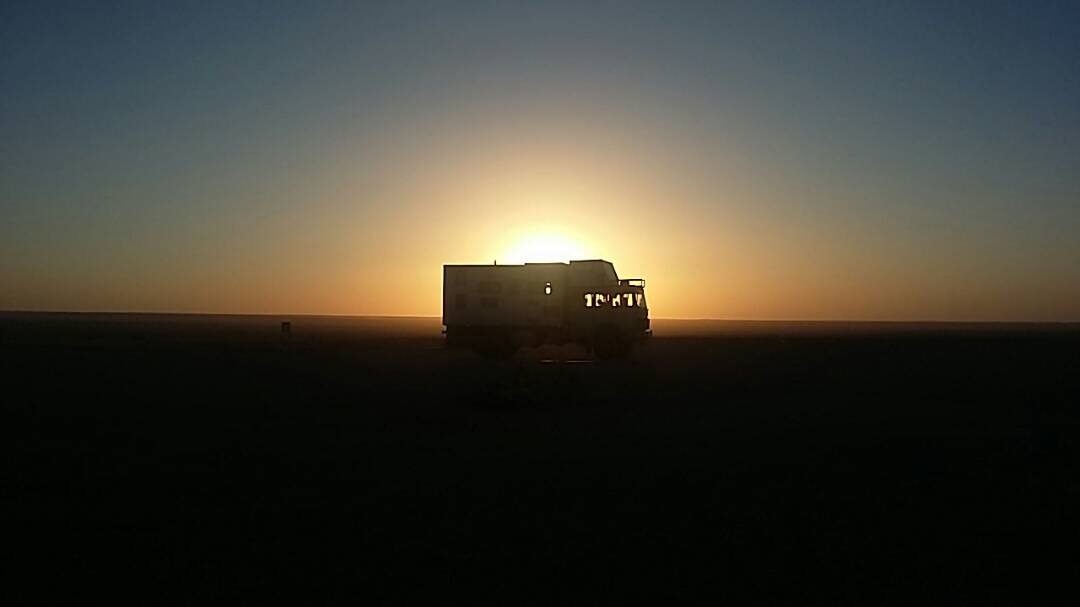
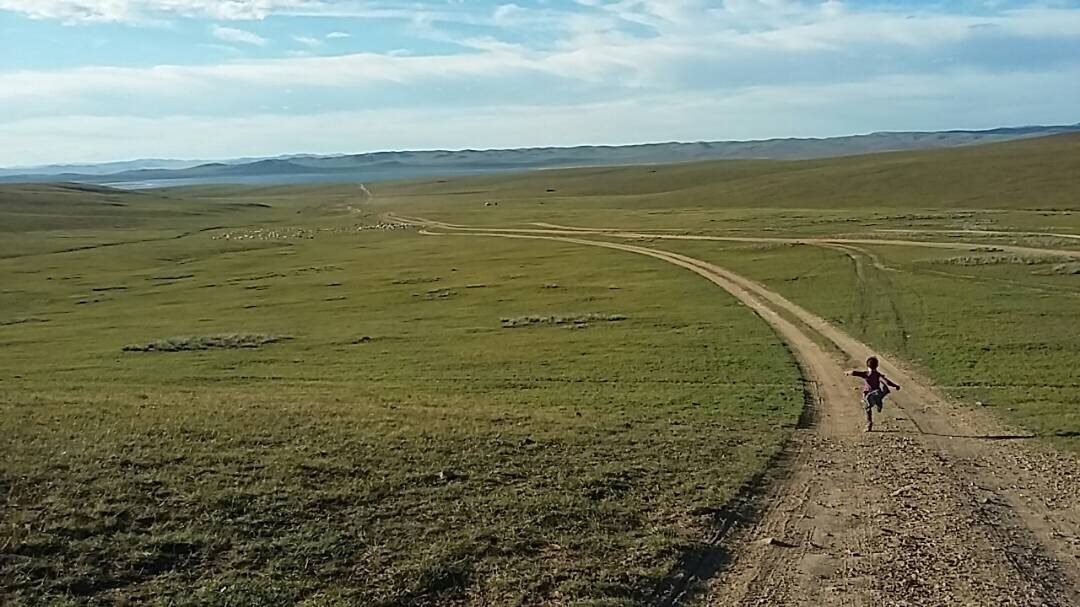
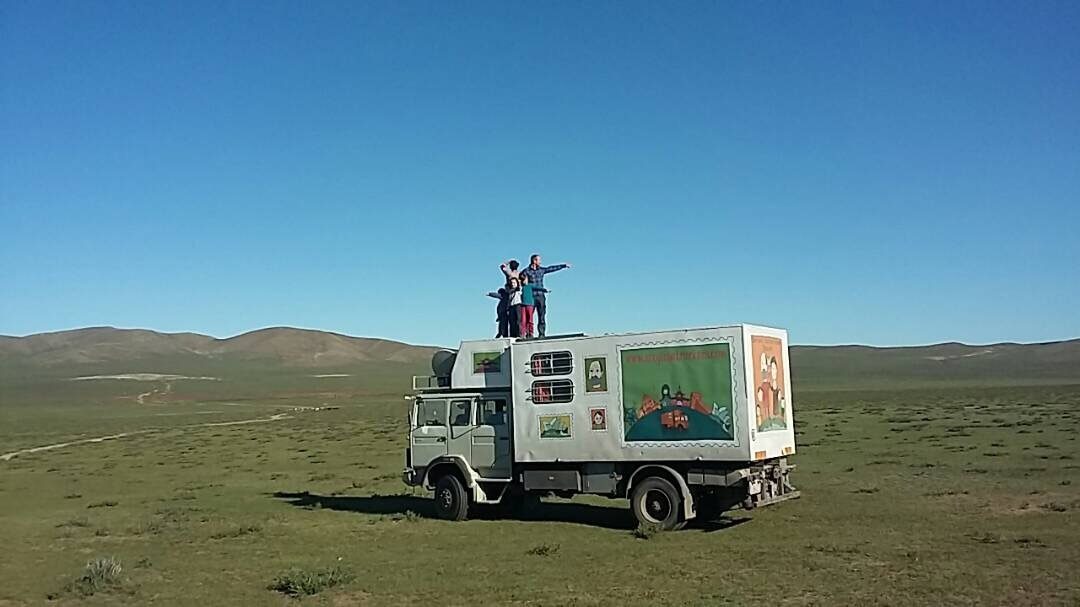
In the meantime, we welcomed one of our brothers as a guest for about ten days. Together we took a trip to the east of the country to see the largest equestrian statue in the world! That of Genghis Khan, a source of pride for Mongolians for having created the largest empire of all time. We also took a trip to the west of the country to see its former capital, Kharkhorin, home to the first Buddhist temple built in Mongolia and one of the most authentic markets around. Still left to discover: the south, with its legendary Gobi Desert! We weren't disappointed… dunes as far as the eye can see, canyons, glowing red cliffs… We made the most of the wild bivouacs this country has to offer, ideal for 4x4 travel and self-sufficiency! The scenery keeps unfolding and is absolutely stunning. With a population of 3 million (half of whom live in the capital), it's the least densely populated country in the world: no permanent buildings, no tarmac, no power lines, no fences, animals still graze freely among a few scattered yurts… this environment is truly unique.
Back in Ulaanbaatar, it's already much colder, and we come across the first snow! There's really no "in-between season" in Mongolia… within a few days we went from sandals to padded jackets. We're glad we had our heating repaired in time and had planned for sleeping bags rated for -10°C comfort! The capital is a stark contrast to the Mongolian countryside: it has all the comforts of a Western lifestyle. It has a few interesting museums, the country's largest temple with its giant golden statue, the palace of the former Khan, and above all the "black market", a huge market where you'll find wooden saddles, everything for a yurt, deels, Mongolian leather or felt boots, cashmere clothing… We also attended a tournament in one of the 3 great national disciplines: archery! During Naadam - Mongolia's national festival - this discipline is contested throughout the country at the same time as horse racing and wrestling. Finally, we attended a show showcasing Mongolian traditions, where we heard throat singing, the sound of various traditional instruments, saw customary and shamanic dances, as well as traditional costumes and a contortionist act.
Visa refusal, change of route!
Meanwhile, we kept following up on our Chinese visa matter: in Brussels, the visa centre no longer mentioned the Turkish stamps, but asked for a document that our Chinese agency couldn't provide us, swearing to us that this document didn't exist! We investigate, with the help of the Belgian consul in Beijing, and find the circular, countersigned by 5 Chinese ministries, stating that this document had no longer been required since 2015! Attaching it to our file wasn't enough… we were ultimately refused anyway. So we had to work out a major change of route, and get over the frustration of watching all the families in our China group, with whom we'd been preparing this crossing for a year, set off without us! Mongolia only borders two countries… if we don't leave via China, we have to leave via Russia, where we came from. We couldn't imagine doing the same journey in the other direction (Kazakhstan, Uzbekistan, Turkmenistan, Iran, shipping to Dubai, then shipping to Kuala Lumpur) to reach Australia, and prefer the appeal of something new: we're heading to Vladivostok to take a ferry to South Korea, then to Japan. From there we can ship to Australia! We're thrilled to discover these new countries, but what thrills us rather less is crossing Siberia in October, with sub-zero temperatures the whole way and no snow tyres!
"Customs attack"
Getting our passports back in Ulaanbaatar, we rush to urgently apply for Russian visas and raid the market for new yak-wool socks, camel-hair hats, lined boots, feather-trimmed anoraks, and yurt felt to roll out on the floor of our truck to insulate it! Kitted out like this, we drive to the border on the very last day our visa is valid! Parked right in front of the customs gate, waiting for it to open after the lunch break, we head into the camper to tidy a few things up and grab our papers… at that moment, Nicolas looks out the window and sees the truck starting to roll forward!! He'd forgotten the handbrake! He jumps out to run and stop it, but the customs barrier ends up being faster… we only moved forward 2 metres, but that was enough to put the barrier out of order for everyone after us… Result of the mishap: 4 hours spent on a "customs attack" report, a €35 fine, €95 for repairing the barrier… and a broken bone in Nicolas's foot, who leapt heroically to try and stop it! He fashioned himself a rigid sole, walks with a slight limp, doesn't feel pain as long as he doesn't move his toes, and above all… can still drive! After this final Mongolian adventure, here we are, ready to head back into Siberia!
To be continued...
Discover all the stories from the "Sixglobetruckers" on their website and in the "From Brussels to Sydney by truck" series