At a glance
Be careful if you enjoy walking or camping in damp woods or meadows: ticks could be waiting for you there!
Be careful if you enjoy walking or camping in damp woods or meadows: ticks could be waiting for you there!
Ticks: "biters" lying in ambush
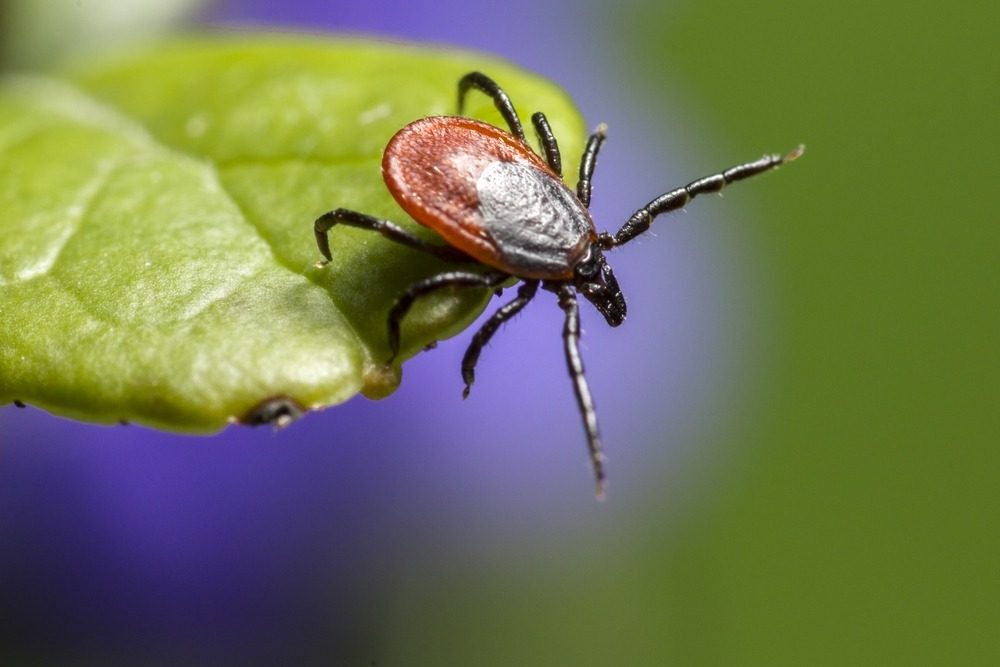
Ticks - of which there are more than 800 species worldwide! - are mites found in damp areas (woods, forests, meadows, bushes, etc.) in countries with a temperate climate. Here, they're particularly active from spring to autumn.
They perch on tall grass or branches and latch onto any warm-blooded animal that brushes past them (deer, fallow deer, hedgehogs, squirrels, field mice, birds, foxes, etc., but also cattle, sheep, horses, dogs, cats... and humans). They bite their host where the skin is thinnest in order to feed on their blood.
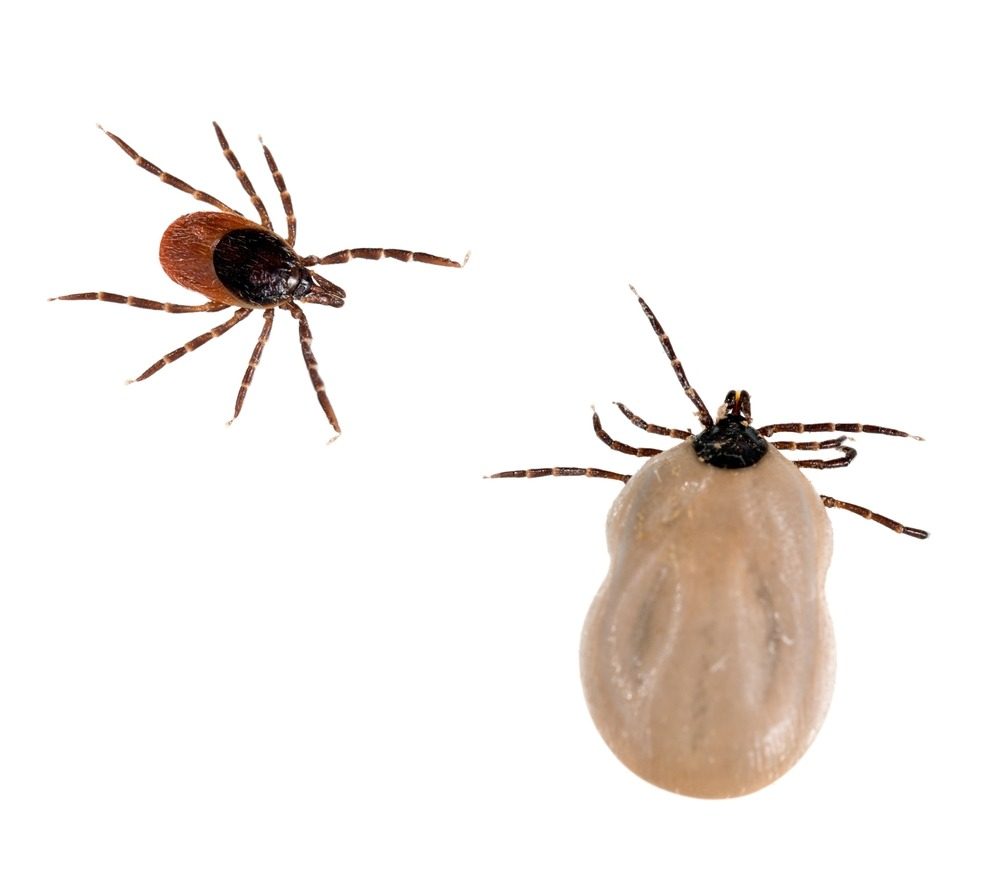
It's while attached to its host that a tick can inject a bacterium capable of causing Lyme disease. Once the tick has drunk enough blood, it detaches, drops to the ground and looks for a place to lay its eggs.
Ticks and Lyme disease
On its own, a tick bite isn't dangerous, but it becomes so when the tick is a disease carrier. The most widespread disease spread by ticks is Lyme disease (named after Lyme County in the USA). In Belgium, 1 to 3% of people who are bitten risk developing this disease. This figure is much higher (up to 10%) in countries where Lyme disease is more widespread.
The bacterium responsible for Lyme disease is present in the tick's gut. It's only through the intake of fresh blood that the bacterium starts to migrate from the tick to the infected person. As a result, the risk of infection is fairly low during the first 8 hours after the bite.
Symptoms: Lyme disease (borreliosis) can first cause a skin reaction (erythema). It can then cause flu-like symptoms (fever, headache, joint pain) and, in extreme cases, lead to neurological or cardiac problems, or to meningitis or encephalitis.
Another disease that can be transmitted by ticks is tick-borne encephalitis. This disease, which can lead to severe meningitis, is caused by a virus. You can protect yourself by getting vaccinated (1 month before departure). You'll find more information on tick-borne encephalitis in our article "Tick-borne encephalitis on the rise in Europe".
How can you protect yourself?
- When walking or hiking in forests, wear long clothing (covering your legs and arms) that closes properly. Tuck the bottom of your trousers into your socks. Wear closed shoes. Wear a hat (especially children).
- Stay on the trails and don't venture into bushes or tall grass.
- Avoid camping in a wooded area or one surrounded by tall grass.
- There are repellents and anti-tick insecticides available. However, these only offer temporary protection to the areas where they've been applied.
- Check yourself over after a long walk in at-risk areas (ticks prefer certain parts of the body, such as the armpits, scalp, behind the ears, the groin area, etc.). Also check your pet, if it went on the walk with you.
- Get in touch with your doctor about getting vaccinated against tick-borne encephalitis. Vaccination is recommended for a stay in a rural or wooded area below 1,500m in most countries of the northern hemisphere, from spring through to autumn (2 injections 1 month apart).
How do you remove a tick?
If you notice you've been bitten, don't panic: it's not certain that the tick in question is carrying a disease.
What's more, reacting quickly will often prevent the risk of illness.
- Use fine tweezers or a tick remover (available at pharmacies).
- Don't use ether, petrol or any other product to 'put the tick to sleep' or make it let go. This can have the opposite effect: the tick may 'vomit' the contents of its gut (and therefore the bacterium) into your body.
- Grip the tick as close to the skin as possible and pull it out vertically, making sure no part of the animal stays stuck in the skin. Then disinfect the wound.
- Monitor how the bite develops for around 1 month. If in doubt, see your doctor.
At-risk groups
Ticks are mainly active from June to October. Anyone working in woods or forests, as well as walkers, hunters, campers and other mushroom pickers or scouts on a hike, are at-risk groups.
Any pet venturing into at-risk areas can also get bitten.
A website listing at-risk areas in Belgium
There's a website where people who've been bitten by a tick can log the bite: https://tiquesnet.sciensano.be/
The Sciensano institute invites people who've been bitten by a tick to send them the tick free of charge by post so they can analyse it.
Also read: Tick-borne encephalitis on the rise in Europe
First published: 07/2015 - Updated: 06/2025