At a glance
How long does it take you to wash your hands? Are you using the right techniques? Which objects are the dirtiest?
How long does it take you to wash your hands?
Are you using the right technique? Which objects are the dirtiest?
Washing your hands: a basic and life-saving habit
Washing your hands is one of the most basic everyday habits. It is also a vital measure during epidemics (flu, coronavirus...) or when suffering from diaarrhoea.
Having clean hands is not only essential at home, but especially in public places (and therefore also while traveling), where you may come into contact with harmful germs.
However, according to studies and observations by hygiene specialists, very few people wash their hands properly. As a result, germs, bacteria, or viruses that could contaminate other people are not eliminated.
Even worse: 10% of people reportedly do not wash their hands after using the toilet!
And simply splashing a little water on your fingers or hands is not enough to make them clean...
Keep this in mind, even when traveling!
Here is how to wash your hands properly
To be effective, the procedure described below should last at least 20 to 30 seconds!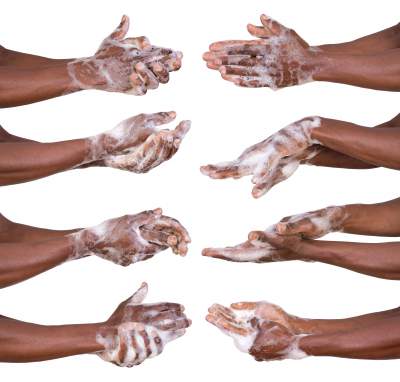
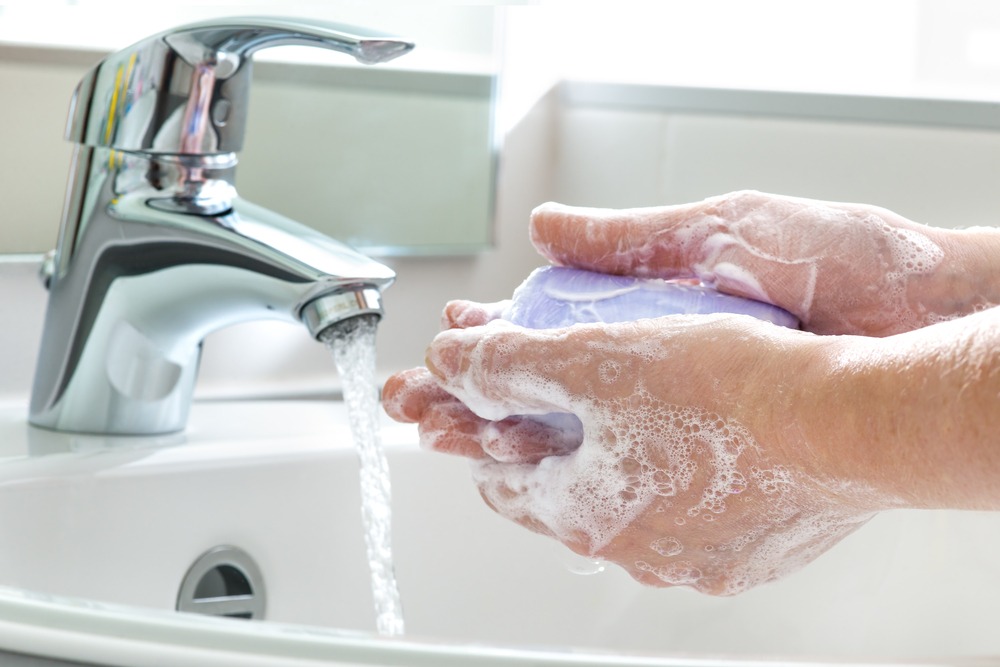
- First wet your hands completely (including your fingers)
- Use soap (bar soap or liquid soap) and work it into a good lather
- Rub the outside and inside of your hands and fingers vigorously, making sure not to forget the palms, thumbs, spaces between the fingers, and the creases of your hands. Ideally, this step should last 20 seconds. If you have long nails, do not forget to clean underneath them, as this is where most germs tend to hide!
- Dry your hands, preferably with a disposable towel
- Turn off the tap using a disposable towel and ... avoid touching contaminated surfaces with bare hands (doors, door handles, etc.) when leaving the area.
Note: if soap and water are not available, you can also use disinfectant wipes. Use them in the same way as when washing your hands with soap and water, making sure to wipe all parts of your fingers thoroughly. Dispose of the wipe after each use.
Good to know
- Germs can hide under rings and bands. Washing your hands without jewelry is therefore recommended.
- Regular soap (non-antibacterial soap) helps trap germs and wash them away with running water, but it does not necessarily kill them!
- Using dirty soap may increase the risk of contamination.
he best times to wash your hands
Wash your hands...
- whenever you notice or feel that your hands are dirty;
- after every visit to the toilet;
- before touching food, eating, drinking, preparing meals, or cooking;
- after handling waste or dirty products;
- after any contact with sick people;
- after any contact with animals;
- after blowing your nose or sneezing into your hands;
- after touching potentially dirty or contaminated objects.
The dirtiest objects
- Be careful with handrails in subways, buses, and trains, ticket machines, restaurant menus, remote controls, doors and elevators in public places, public toilets, bathrooms, and sinks, etc.
- Also be aware of shared office equipment (keyboards, mice, telephones, etc.) as well as smartphone and tablet screens!
Teach these rules to your young children and make sure you do not infect other people if you are ill (cold, flu, diarrhoea, ...).
First published: 08/2015 - Updated: 03/2020