At a glance
Nutraceuticals are "health products" that are becoming more and more common in our supermarkets. Do they really work? Are they truly useful for everyone?
"Health products" are multiplying on our supermarket shelves.
The food industry, with nutraceuticals, keeps growing this offering. But do they really have the expected effects on our health? Are they truly useful for everyone?
What is a nutraceutical?
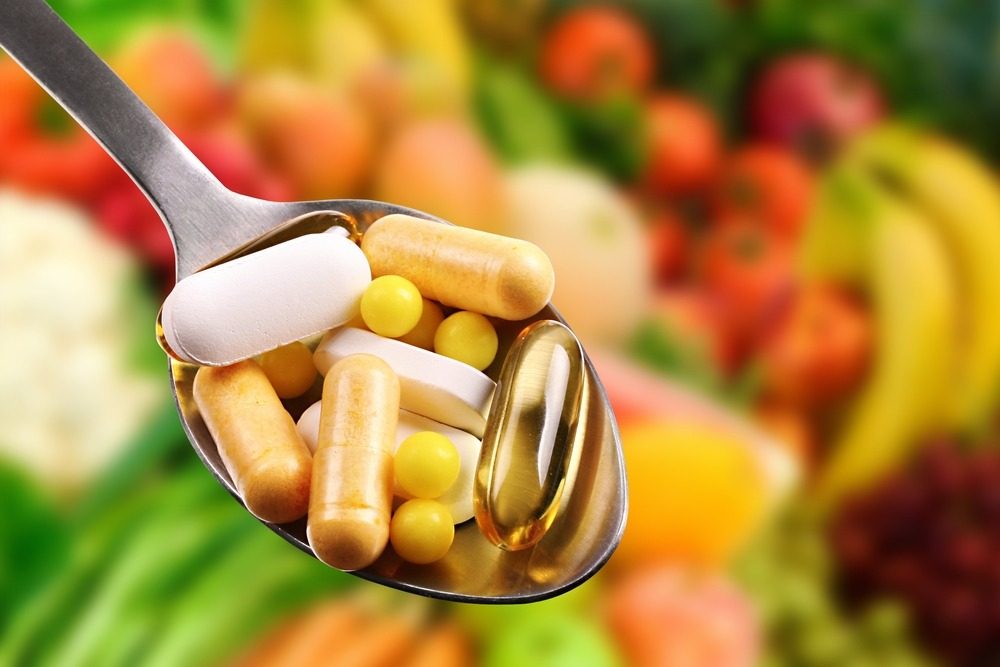
The word "nutraceutical" comes from blending the words nutrition and pharmaceutical. These are, in fact, functional foods: on top of their basic nutritional role, they provide biologically active components that can improve health and/or reduce the risk of disease. These components can be naturally present in the food or added to it.
This concept was invented in Japan in the 1980s. At the time, it had become crucial for Japanese scientists to improve the quality of life of an ageing population without increasing public health spending. So scientists turned their attention to diet and its effects on quality of life.
You're eating nutraceuticals without even knowing it!
Some natural foods are considered nutraceuticals. Indeed, everyday food products naturally have characteristics that improve health or reduce the risk of disease. So they're nutraceuticals too!
A few examples...
It's been scientifically proven that garlic helps improve blood circulation. Green tea has detoxifying properties. Cranberry juice reduces the risk of urinary tract infections. Fish is rich in Omega-3, which improves memory and artery health. And if you crave chocolate when you're feeling down, it's because cocoa beans help fight depressive symptoms... and the list goes on.
Nutraceuticals from the food industry
Industrial nutraceuticals are products that have been modified to improve their nutritional properties. You'll find them in every kind of traditional food product: yoghurts, drinks, margarines and more... Four methods of processing are generally used:
- Removing a component with negative effects, e.g. reducing salt content;
- Increasing the concentration of a natural component, e.g. calcium-enriched yoghurts;
- Adding an outside component, such as the phytosterols added to our margarines to lower bad cholesterol;
- Changing farming methods, e.g. adding fish oils to hens' feed to produce Omega-3-enriched eggs;
Are nutraceuticals dangerous?
There are no proven dangers or risks.
But according to some sources, eating nutraceuticals could alter the interaction of certain nutrients with the effect of medication (for example, increased calcium intake could reduce the effectiveness of certain treatments). What's more, developing a dependence on certain nutrients could cause a disruption to the system as soon as you stop consuming a nutraceutical that provides them.
Nutraceuticals are, above all, an interesting marketing angle for the food industry, and they help justify a higher price for these improved foods. Since the market is subject to rules and legislation that protect consumers, no health claim can be made without scientific proof. So what's promised on the label and in adverts is generally true.
If there's any real danger, it's mostly to be found on your receipt!
Do they actually work?
Industrial nutraceuticals appear to be particularly effective at reducing the risk of cardiovascular disease, digestive problems or bone issues. They may also improve immune function and help make up for certain deficiencies.
The groups who benefit most from nutraceuticals include, for example, vegetarians and vegans and others on specific diets, older people and/or newborns, pregnant women and athletes.
What about everyone else?
Generally speaking, a healthy and varied diet seems to be more than enough to provide the essential, specific nutrients your health needs. These nutrients and vitamins are naturally present in everyday foods.
Conclusion
Nutraceuticals aren't dangerous to eat. They offer benefits to different groups of people. Ideally, they should be consumed as part of a healthy, varied and balanced diet.