At a glance
Discover the new practice of bleisure travel, the combination of business travel and leisure travel.
Have you heard of "bleisure travel"? It's a booming trend. If you travel regularly for business, there's a good chance you've already practiced it.
We explain what this type of travel involves and why it's so popular.
What is "bleisure travel"?
The term comes from Business and Leisure and means combining work and leisure. Employees take the opportunity to spend extra holiday days at the destination of their business trip. This improves the balance between work and personal life.
Bleisure travel makes it possible to extend a business stay to include relaxing activities, whether that means exploring the destination, unwinding, or spending time with friends or family. This trend lets business travelers turn a work trip into an enriching, well-balanced experience, for example by discovering a new country or a new culture.
What are the benefits of bleisure travel?
- Reduced holiday costs: Most companies cover travel expenses. So most of the time, only the extra cost of the hotel stay falls to the employee.
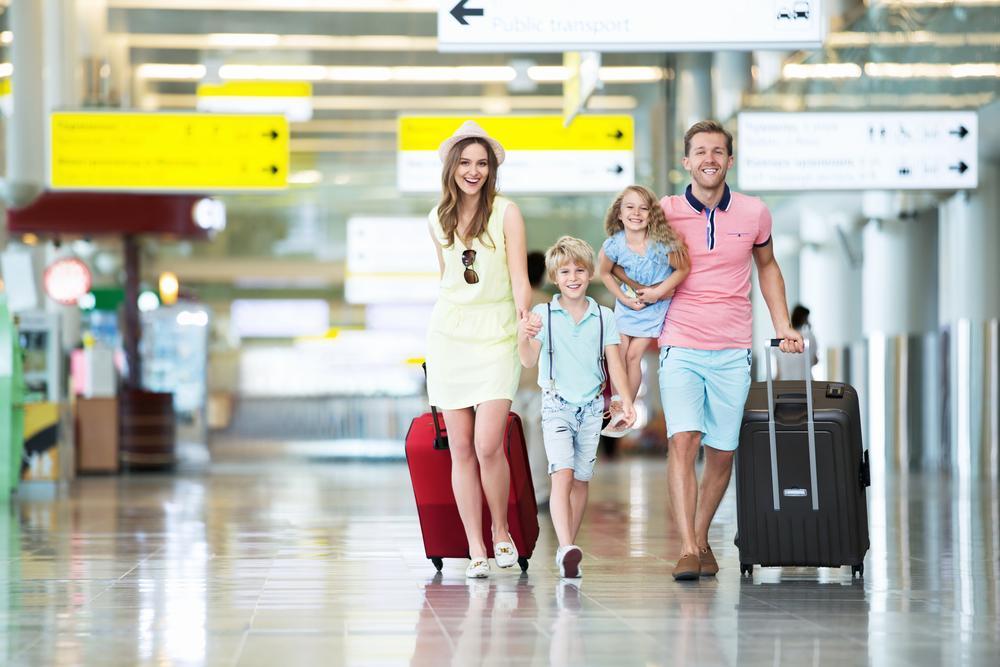
- Greater job satisfaction: Some companies allow, with approval, their employees to bring their family along on a business trip so they can enjoy their free time and the holiday that follows together. This helps employees reduce stress and improve their work-life balance.
- Time savings: By cutting out extra arrival and departure days, the traveler saves not only on leave days, but also valuable time.
- A smaller carbon footprint: Reducing the number of arrivals and departures also has a positive impact on the carbon footprint. Bleisure travel therefore helps limit harmful greenhouse gases.
Bleisure travel is becoming increasingly popular
Several factors are contributing to the growing popularity of bleisure travel:
- Work-life balance: With growing pressure to maintain a good balance between work and personal life, bleisure travel lets employees make the most of their time away from home.
- Flexibility and mobility: The rise of remote work and flexible schedules has made it easier for professionals to combine business and leisure.
- Personal enrichment: Discovering new cultures and destinations can have a positive impact on personal and professional well-being, boosting creativity and inspiration.
- Favorable company policies: More and more companies recognize the benefits of bleisure travel and are putting policies in place to support this practice.
Bleisure travel in a few figures
The website Travelperk, which specializes in business travel, has attempted to put figures on the growth of the bleisure travel phenomenon:
- Given its growing popularity, the global bleisure travel market is expected to grow by several hundred percent by 2033, reaching an equally fast-growing market value.
- Length of trips: Business travelers spend an average of 22 days a year traveling for work, with an average trip length of 3.8 days. Thanks to bleisure travel, they can combine business with pleasure and spend more time in the cities or countries where they travel for work and want to get to know better. Indeed, in 2023, 66% of business travelers reportedly extended a business trip for leisure reasons, and 14% did so on three or more trips.
- A generational phenomenon: around a third of business travelers from Generation Z and Millennials plan to add leisure time to their business trips in the coming years.
- A few popular destinations: it's no surprise that major "business" cities such as New York, Paris, and London are the most popular destinations for this type of stay.
Conclusion: Alongside another phenomenon known as "workation" (working before, during, or after the official holiday period spent with one's family at the holiday destination), bleisure travel is a new trend that the travel industry and assistance companies increasingly need to take into account in order to meet their customers' needs.