At a glance
Are you off skiing or snowboarding soon? What gear do you need? How should you prepare physically?
Are you off skiing or snowboarding soon? What gear do you need? How should you prepare physically?
Basic equipment
Getting properly ready to enjoy the snow starts with choosing suitable gear, carefully checked before skiing or snowboarding, including:
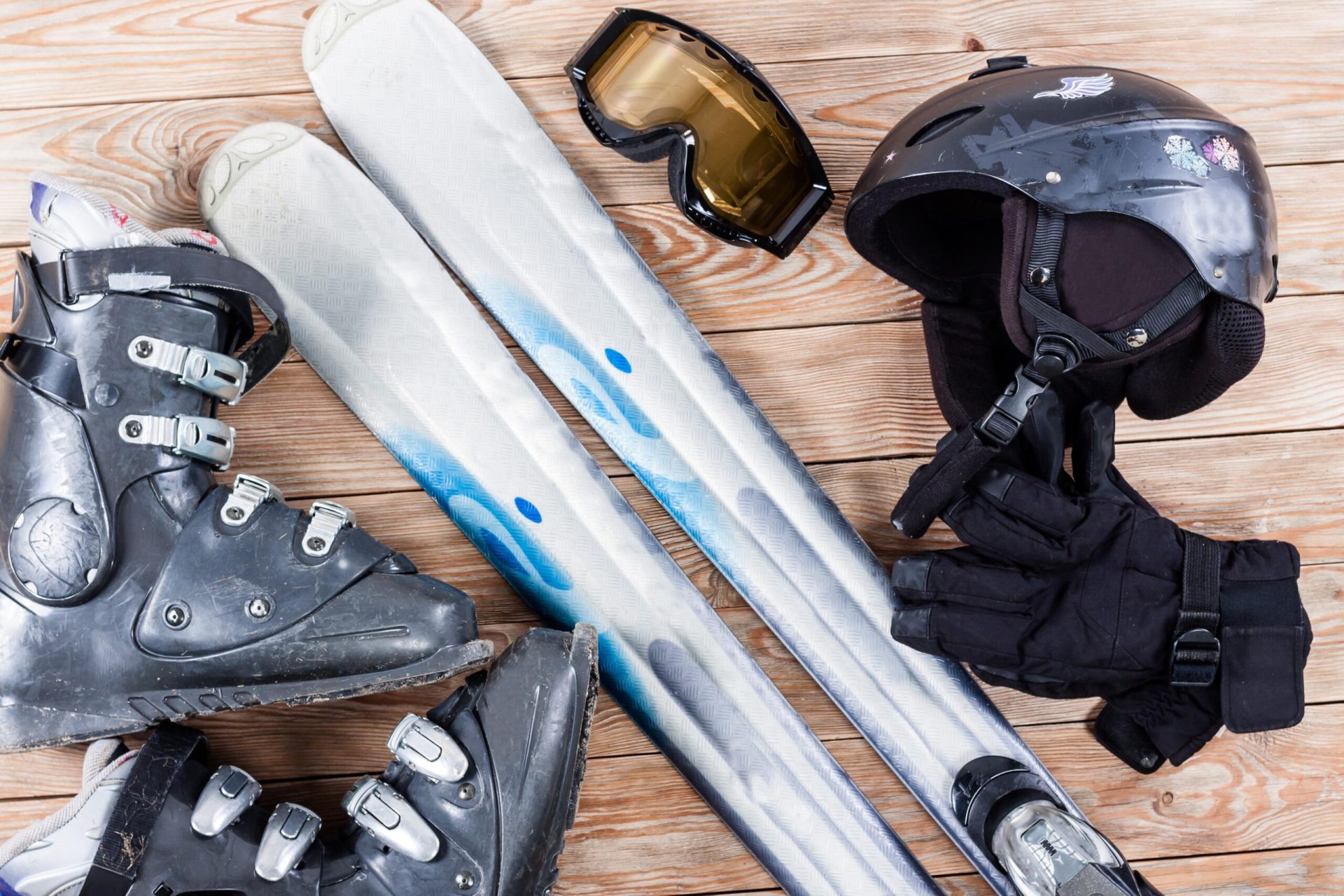 skiing or snowboarding gear (click here) suited to your height, level and skiing/snowboarding style, in good condition (from reliable sellers or rental shops) and properly adjusted. Note: have your ski bindings checked and adjusted by a professional before every season. This adjustment should be based on the ski boots you'll be wearing. A proper adjustment takes into account your height, weight, age and the way you ski (a "cautious" skier versus a more "aggressive" one).
- sturdy boots that fit your feet well
- warm clothing (several layers, click here)
- good ski goggles (click here) or sunglasses
- sun protection (click here) (cream, gel or spray) with a high UV rating
- a lip balm
- a good hat, winter gloves, a scarf, and so on
- an appropriate helmet (click here), compliant with European standard EN1077. Every year, medical assistance interventions on the slopes prove just how useful (not to say essential) wearing a helmet is. It can reduce the number of head injuries by a third! We therefore strongly recommend that children and teenagers always wear a helmet.
What physical preparation do you need?
Having good gear isn't enough. Physical preparation for skiers and snowboarders is just as essential.
We recommend preparing physically for at least three weeks before you leave. How and where?
- Fitness training: A good way to build your endurance is to sign up for fitness sessions, since a bit of jogging, walking or cycling two or three times a week before you leave isn't enough to prepare you for the demanding nature of skiing or snowboarding. Many gyms offer a specific winter sports preparation programme.
- Indoor skiing: Belgium has "indoor ski" slopes (covered slopes): a good way to brush up your reflexes and technique. Be careful not to limit your training to just one or two visits, but go regularly to prepare for the intense effort you'll need to put in on the mountain slopes. A few addresses: indoor skiing on real snow is available at Snow Valley (Peer), Ice Mountain (Comines), Snowworld (Terneuzen & Landgraaf), Aspen (Wilrijk)...
And once you're there...
- Once you arrive, stay careful on the slopes throughout your stay, follow the rules in force and don't overestimate your abilities.
- Altitude sickness: For some people, spending time at high altitude can also cause "altitude sickness", click here ("acute mountain sickness"), which shows up as extreme fatigue, a state of apathy, headaches and nausea. Any potential issues with adjusting to altitude therefore also need to be taken into account.
- Cautious skiers and snowboarders quickly become fearless: Assistance companies traditionally see more accidents on the slopes a few days after holidaymakers arrive. Many (inexperienced) skiers and snowboarders gain confidence and start taking more risks after a day or two of practice. This is also when (muscular) fatigue starts to set in. Also read: "2pm: the most dangerous time on the slopes".
Good physical preparation beforehand will help you limit the risks and enjoy yourself even more!
Also read our "Winter sports" feature
First published 10/2014 - Updated 12/2022