At a glance
Discover the most common diseases found in tropical countries and how to protect yourself against them.
Tropical countries attract many travelers for their climate, exotic nature, idyllic beaches, and their cultures and cuisine. However, these countries are often destinations where health risks exist, including tropical diseases caused by various pathogens such as viruses, bacteria, and parasites. Which regions carry health risks, what are the main symptoms of these diseases, and how can you protect yourself?
In this article, we give you some information about tropical diseases, so you can inform yourself, take your precautions, and travel well protected.
Areas at risk of tropical diseases
The tropics extend north and south of the equator and include countries such as Thailand, Indonesia, Vietnam, Brazil, and Kenya. Subtropical regions lie between the tropics and the warm temperate zone. They include certain countries in Asia as well as certain regions of Africa and Australia.
In this article, you'll find an overview of at-risk areas and the tropical diseases common there. But be careful: the areas where tropical diseases occur can change quickly, and new diseases or outbreaks can emerge at any time. So always check official sites before you leave, such as https://www.wanda.be/fr/ or the World Health Organization website.
The most common tropical diseases by geographic area
Africa
- Malaria
- Yellow fever
- African trypanosomiasis (sleeping sickness)
South America and Central America
- Malaria
- Dengue
- Zika virus disease
Southeast Asia
- Dengue
- Malaria
- Chikungunya fever
Certain parts of Oceania
- Dengue
- Zika virus disease
How are tropical diseases transmitted?
Tropical diseases are infectious diseases that occur mainly in tropical and subtropical regions. They are caused by various pathogens such as bacteria (e.g. typhoid fever), parasites (e.g. malaria), single-celled organisms (e.g. malaria), worms (e.g. bilharzia), and viruses (e.g. dengue).
Tropical diseases spread through disease vectors, such as insects (mosquitoes, flies, etc.) and/or are aided by climatic conditions and environmental factors. Poverty, lack of hygiene, lack of sanitation facilities, lack of access to drinking water, and limited healthcare also contribute to their spread.
The good news is that you can protect yourself against most tropical diseases. Vaccinations, medication, and appropriate behavior are effective measures to prevent infections caused by parasites, viruses, and bacteria.
The most common tropical diseases
There are more than 200 known infectious tropical diseases. Here are a few:
- Malaria: Malaria is transmitted by infected mosquitoes and occurs mainly in tropical and subtropical regions. Symptoms are similar to those of the flu: aching limbs and headaches, fever, sometimes diarrhea and vomiting. Find out more by clicking here.
- Dengue: The dengue virus is transmitted by mosquito bites and causes dengue fever. Symptoms include fever, muscle pain, and skin rashes. Find out more by clicking here.
- Zika virus: The Zika virus is usually transmitted by mosquitoes, more rarely through blood transfusion or sexual contact. It is particularly dangerous for pregnant women, as it can cause birth defects in newborns. Symptoms include fever, headaches and limb pain, a skin rash, and red eyes. Find out more by clicking here.
- Chikungunya: This viral disease is also transmitted by mosquito bites. Symptoms include fever, joint pain, skin rashes, and muscle pain.
- Yellow fever: Yellow fever is a serious viral infection, also transmitted by mosquitoes. Symptoms include fever, headaches, nausea, and muscle pain, often accompanied by conjunctivitis.
- Typhoid fever: Typhoid fever is a bacterial infection caused by contaminated water or food. Symptoms are high fever, headaches, abdominal pain, and diarrhea.
- Leishmaniasis: This parasitic disease is transmitted by the bite of sandflies. There are different forms of leishmaniasis, ranging from skin lesions to serious infestation of internal organs. Symptoms include fever, weight loss, vomiting, and diarrhea.
- Bilharzia (Schistosomiasis): This parasitic disease is transmitted by contact with contaminated fresh water. Symptoms include fever, coughing, abdominal pain, and blood in urine or stools.
- African trypanosomiasis (sleeping sickness): Sleeping sickness is transmitted by the tsetse fly, found mainly around rivers and marshes. Symptoms vary depending on the stage of the disease and include fever, weakness, headaches, serious damage to the nervous system, and sleep disorders.
Besides these diseases, also stay alert for diseases found all over the world, such as Japanese encephalitis, transmitted by ticks.
Typical symptoms of tropical diseases
Symptoms of tropical diseases vary depending on the disease. However, certain signs are typical warning signals, such as fever, headache, joint pain, muscle pain, nausea, vomiting, diarrhea, skin rashes...
For some tropical diseases, such as malaria, symptoms appear at regular intervals, while for others, they appear suddenly and severely. If you notice one or more symptoms and have stayed in an at-risk area, see a doctor immediately.
Watch the progression of the illness closely. Many tropical diseases only appear a few weeks, or even months, after infection. You may have left the tropics long ago and no longer associate the symptoms with your trip. Yet this information is particularly important for appropriate medical treatment.
What vaccinations exist against tropical diseases?
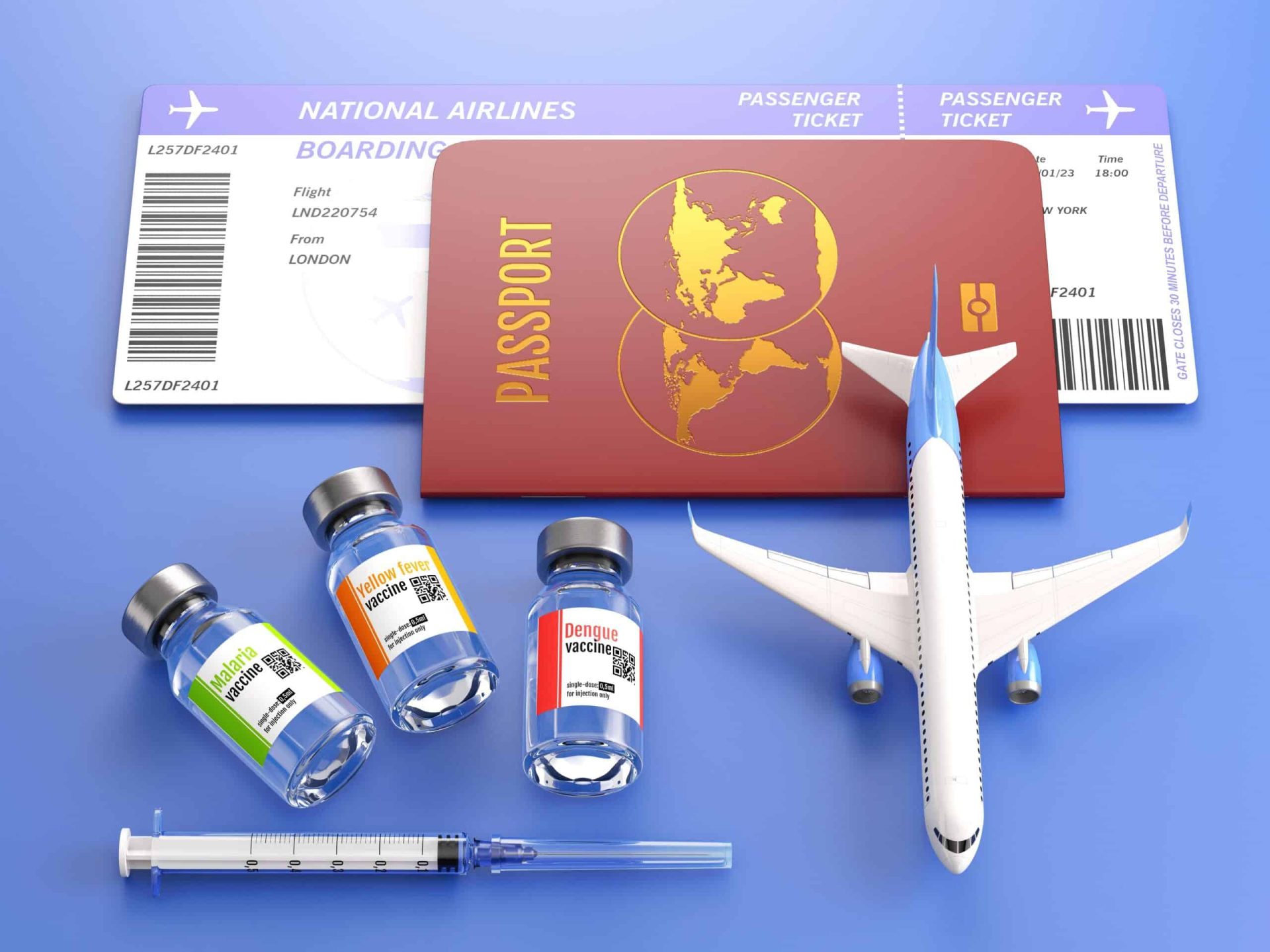
Vaccination is one of the most important measures against tropical diseases. The WHO and the Antwerp Institute of Tropical Medicine issue specific vaccination recommendations depending on the destination. Some tropical diseases cannot currently be prevented by vaccination, such as dengue or the Zika virus. In high-risk countries, it is therefore particularly important to protect yourself against mosquito bites.
Before heading to a tropical country, it's essential to get well informed and consult a doctor.
Also see our articles Travel and vaccinations: what are the requirements? and Vaccinations and side effects on this topic.
What vaccines against tropical diseases are available?
For this, check the website of the Institute of Tropical Medicine: https://www.wanda.be/fr/
Preventing tropical diseases with medication
Besides vaccinations and behavioral rules, it is sometimes possible to prevent tropical diseases with medication. This is the case, among others, for malaria. Consult your doctor about this.
Some precautionary measures against tropical diseases
Besides vaccination, it's important to protect yourself in other ways. Here are a few:
- Wear protective clothing: wear long-sleeved shirts, long trousers, and closed shoes. This will reduce the risk of infections transmitted by insect bites. Be careful, some mosquitoes can bite through very thin fabrics, and are particularly active at the end of the day or at night. Don't forget to also pack a few protective masks.
- Use insect repellent: Choose a high-quality insect repellent containing DEET (diethyltoluamide) or a product of similar effectiveness. Apply it generously to exposed skin to reduce the risk of mosquito bites.
- Cook your food: Many travelers suffer from gastrointestinal issues or diarrhea during long trips. The most common reason is eating raw or undercooked food. By peeling and cooking your food before eating it and avoiding raw food, you protect yourself against gastrointestinal illnesses and parasitic infections.
- Don't drink tap water: Clean drinking water is just as important as well-cooked food. So don't drink tap water, but buy bottled drinking water instead. It's also better to use clean, bottled water to brush your teeth. Make sure the water bottles you buy are properly sealed. Some vendors have been known to fill bottles with tap water. Also watch out for dishes prepared with unboiled water, such as ice cream or sorbets.
- Be careful with bodies of water: swimming in bodies of water can be risky, not only because of water quality but also because of the risk of unpleasant encounters with local wildlife.
- Use a mosquito net: Sleep under a mosquito net to avoid mosquito bites during the night. The net should be as large as possible, with mesh smaller than the smallest local mosquito. In areas at risk of yellow fever, dengue, or malaria, the World Health Organization (WHO) even recommends using treated mosquito nets.
- Keep doors and windows closed: Keep doors and windows closed for as long as possible to keep mosquitoes out of indoor spaces. This is especially important when you leave your accommodation or go to sleep.
Make sure you're well insured
If you fall ill during your trip, see a doctor or emergency services immediately. Also contact your assistance company as quickly as possible. Based on your medical file, your assistance provider can decide on the best procedure to treat you on site or to repatriate you.
Mandatory vaccinations may also be required for a repatriation and to obtain a "fit to fly" document.