At a glance
The Zika virus is present in countries in Latin America, Central America and the Caribbean.\ What is it? How can you protect yourself?
Since late 2015, the Zika virus has been resurging in countries in Latin America, Central America and the Caribbean.
The outbreak risks spreading to other parts of the world.
What is it? How can you protect yourself?
The Zika virus
The Zika virus was first identified in Africa (Uganda) in 1947, in the Zika forest. In the 2000s and 2010s, it was present in Oceania (Micronesia and French Polynesia). More recently, it has particularly affected countries in Latin America and Central America.
Spread by mosquitoes
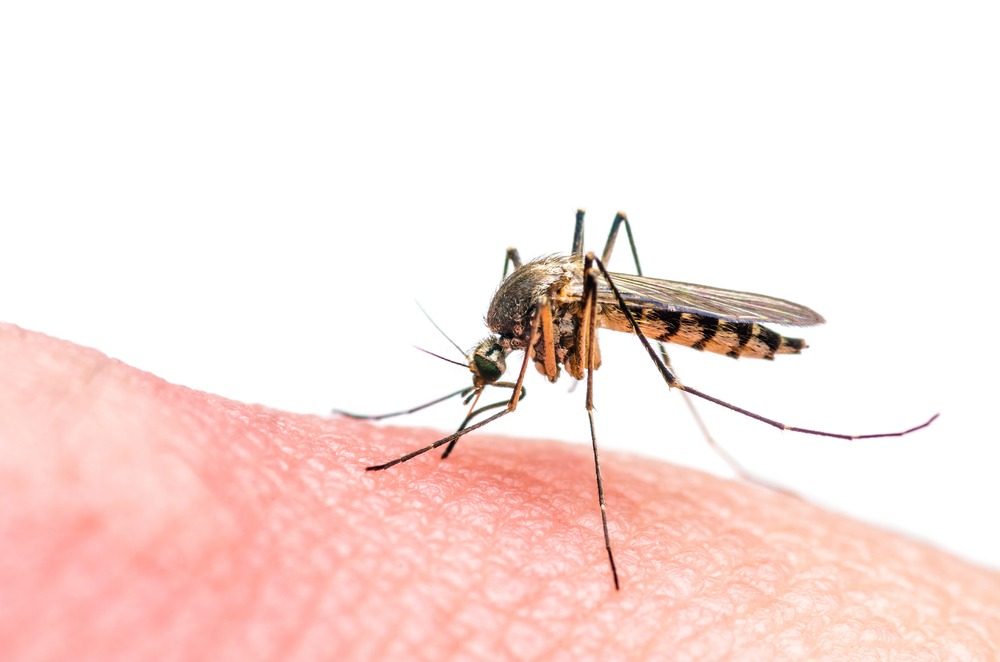
The virus is spread through the bite of mosquitoes of the Aedes genus (the same vector as dengue fever, chikungunya, yellow fever or malaria). Mosquitoes that carry the Zika virus are mainly active during the day (but also at dusk).
Symptoms
After 3 to 12 days, the infected person shows symptoms similar to the flu (headaches, fever, aches and joint or muscle pain) along with skin rashes (red spots on the body) and conjunctivitis (red eyes). In some cases, the infected person may have stomach pain and suffer from vomiting and diarrhoea. Other, more serious cases involve neurological problems.
Severity: in the vast majority of cases, the symptoms (treated like those of the flu) disappear after a few days. If you show the symptoms described above, see a doctor as soon as possible.
If the infected person is a pregnant woman, the virus can be passed on to the foetus and cause microcephaly (a skull malformation) in the baby.
Follow the spread of the virus
Planning to travel to an affected country?
The following links let you get the latest information on the spread of the virus:
- Centers for Disease Control and Prevention: http://www.cdc.gov/zika/geo/index.html
- Belgian Institute of Tropical Medicine:http://www.itg.be
Also see the infographic for travellers heading to the Olympic Games in Rio (summer 2016)
Also follow the news.
Destinations to avoid during pregnancy
Travel to at-risk areas or countries should therefore not be considered during pregnancy. If a trip absolutely cannot be avoided or postponed, we advise the person to consult their doctor or gynaecologist before travelling and after returning.
How can you protect yourself from Zika?
At present, there is no vaccine against the Zika virus. A vaccine is being developed, but will take several years to reach the market.
The virus is found, among other places, in the same endemic areas as dengue fever and chikungunya, diseases also transmitted by mosquitoes and presenting the same type of symptoms.
The best protection is therefore to avoid any mosquito bites:
- wear clothing that covers the body (long sleeves and long trousers) and avoid wearing dark colours or overly shiny clothes, as these attract insects. Also protect your ankles and feet.
- use a repellent product on any unprotected parts of the body. Ask your pharmacist for advice.
- if you're using a sun cream and a mosquito repellent, apply the sun lotion first, let it soak into the skin (20 to 30 min.), and then apply the repellent product.
- use mosquito nets to stop mosquitoes from entering homes, and place a mosquito net around the bed (close all openings and tuck the edges of the net under the mattress).
- you may want to use sprays or insecticides, but be careful not to make yourself unwell. Be aware that electrical devices, diffusers and ultrasonic emitters only have limited and temporary effectiveness. If you're travelling with children, ask your doctor (or pharmacist) which repellent products you can use.
Also read: Travel and vaccinations: what are the requirements?