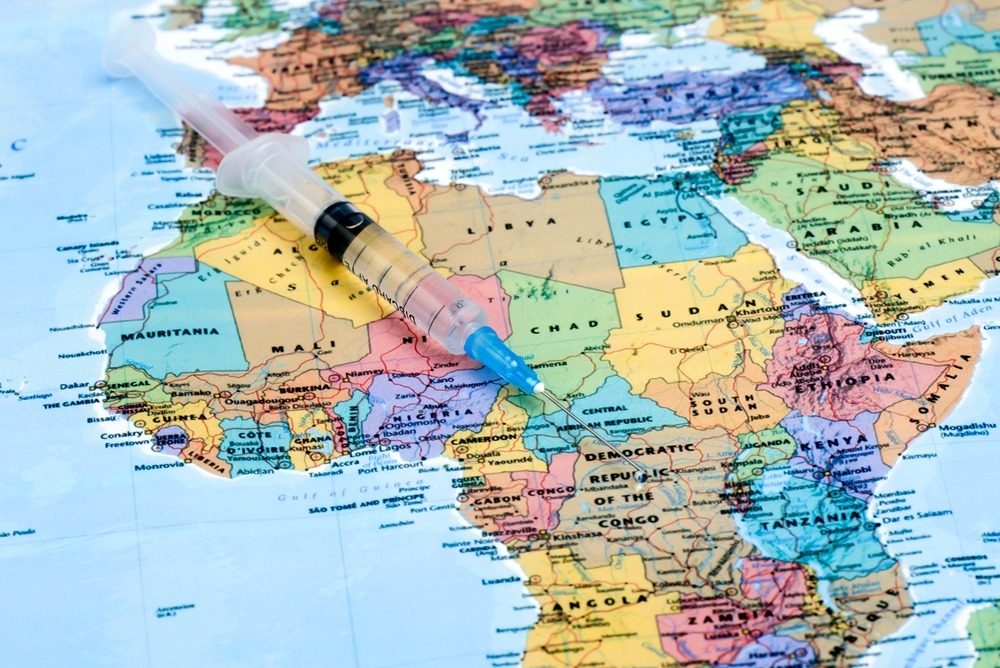
At a glance
What are the basic vaccinations? Which vaccinations are recommended or required for travellers? Where and how can you get vaccinated?
What diseases are we all vaccinated against (basic vaccinations)?
Which vaccinations are recommended or required for travellers?
Where and how can you get vaccinated?
Find the answers below.
Basic vaccinations
Basic vaccinations are the ones (in principle) given to every child in Belgium. These cover the following diseases: measles, mumps, rubella, polio, tetanus, diphtheria, whooping cough and hepatitis B (vaccine given since 1999).
Before travelling, it's worth checking whether a booster for any of these is needed.
Tetanus: vaccination against tetanus is essential for every traveller (and even for those who don't travel). A booster every 10 years is advisable.
Diphtheria is still present in some tropical or subtropical countries, as well as in some countries that used to be part of the USSR. Here too, a booster every 10 years is advisable.
Polio (poliomyelitis) exists in some countries in Africa and Asia. The first vaccination is valid for a period of 10 years; a second vaccination (booster) protects the traveller for the rest of their life.
In Belgium, the hepatitis B vaccine has been given to every child since 1999. This type of hepatitis can become chronic and is transmitted through contaminated blood (transfusion, surgical or dental care, needles, piercings or tattoos) or through sexual contact. If you're planning to travel off the beaten track (in Africa, Asia, Latin America), vaccination (or a booster) against hepatitis B is particularly recommended.
For measles, rubella and mumps: check whether you were vaccinated (for life) as a child. Get it sorted if you weren't.
Travel vaccinations
Hepatitis A: this type of hepatitis (jaundice) is caused by a viral infection that affects the liver, following the ingestion of contaminated food or drink. Vaccination is particularly recommended for trips to tropical or subtropical countries, even when travelling under good hygiene conditions.
Yellow fever is a very serious disease (haemorrhagic fever) found in certain regions of Africa and Latin America. Vaccination against yellow fever is mandatory (or — in some cases — strongly recommended) if you plan to travel to these areas. Most of the countries concerned will ask for proof of vaccination to enter or leave the country. Vaccines are given at approved vaccination centres.
Malaria is a parasitic disease transmitted by mosquitoes. It's present in a large number of tropical and subtropical countries. Travellers heading to these countries need to protect themselves by taking medication (see the article How can you avoid catching malaria?).
Rabies is a risk present in a very large number of countries. Preventive vaccination offers only limited protection. Above all, avoid any bite or scratch from animals (be careful if you want to pet an animal, even a domestic one!) and any contact with dead animals.
If you're bitten, disinfect the wound straight away and contact a doctor or go to hospital as quickly as possible.
Tick-borne encephalitis is transmitted from spring to autumn in wooded or forested areas. The risk is particularly high in Central and Eastern Europe and mainly affects those looking to go trekking or camping there. As the name suggests, the disease is transmitted by ticks.
Japanese encephalitis is a risk in certain regions of Southeast Asia and is transmitted by mosquitoes.
Dengue fever and chikungunya are diseases transmitted by mosquitoes. These diseases are found in various tropical countries. They cause bouts of fever, headaches and muscle and joint pain. No vaccine currently exists to prevent them. Good protection against mosquito bites is therefore essential.
The zika virus (transmitted by mosquitoes) has recently mainly affected countries in Latin America and Central America, but it was previously also observed in some countries in Africa and Oceania. Symptoms closely resemble those of flu (headaches, fever, aches and joint or muscle pain), along with skin rashes (red spots on the body) and conjunctivitis (red eyes). In some cases, the infected person may have stomach pain and suffer from vomiting and diarrhoea. Other, more serious cases involve neurological problems.
If the infected person is a pregnant woman, the virus can be passed on to the foetus and cause microcephaly (a malformation of the skull).
No vaccine currently exists to prevent it. Good protection against mosquito bites is therefore essential.
Other diseases, such as bilharzia, typhus and cholera, mainly concern trips to regions where hygiene conditions are very poor, or where the disease is latent or endemic. Consult your doctor.
Also be alert to any sexually transmitted disease and protect yourself during sexual intercourse.
Although generally mild, traveller's diarrhoea is an often temporary condition that affects a large majority of tourists and can be avoided with a few food and hygiene precautions.
Where can you get vaccinated?
Are you heading to a country at risk? See your doctor at least 1 month before you leave. They can tell you about the right vaccinations, preventive treatments and any contraindications. Your state of health, the type of trip, the areas visited and the length of stay will all be taken into account.
Approved vaccination centres can give you information and administer certain specific vaccines (including yellow fever).
Vaccination centres (or your own doctor, if they gave you the vaccine) will issue you with an International Certificate of Vaccination. You'll need to be able to show this document, along with your identity and travel documents, at customs in countries that require proof of vaccination.
Which vaccine for which country?
The Antwerp Institute of Tropical Medicine website can give you information by travel destination. The institute also has an app called Wanda, which lets travellers find out about and stay up to date on health and medical risks by country. You'll find the information here.
Tip: Note down in a notebook the vaccines you've been given and the date of each injection, and keep this document with your travel papers.
Also read:
- Vaccinations and side effects
- Requesting medical assistance from Redion
- The travel medicine kit
- Travelling with medication
.\