At a glance
Glasses or contact lenses need special attention when travelling. Here are a few tips.
If you wear glasses or contact lenses, you know how important they are in your daily life. When travelling, you need to make sure you're never without them.
Travelling with glasses or contact lenses
Eyes that are more easily irritated or dry
Be aware that the following contribute to eye irritation:
- air conditioning in the car, train or accommodation (e.g. in a hotel room);
- air conditioning and dry air in the aircraft cabin;
- regular contact with swimming pool water;
- contact with sea water;
- the dry air of high mountains;
- sweat coming into contact with the eyes (protect your eyes with a headband or a hat).
These situations, typical of a holiday, can cause eye irritation. So don't forget to use eye drops or eye solutions.
2 to 3% of the medical files opened during holidays by Redion are for eye problems.
Glasses and driving
- It goes without saying that it's not possible to drive without glasses or lenses if you don't have good eyesight. This applies in all circumstances, of course. It's therefore just as obvious that you should have spare glasses when you get behind the wheel. Driving without spare glasses within reach can even be penalised in many countries, such as Switzerland, Spain and Portugal. What's more, in the event of an accident caused by a driver who isn't wearing their glasses, their insurance company (civil liability) may hold it against them.
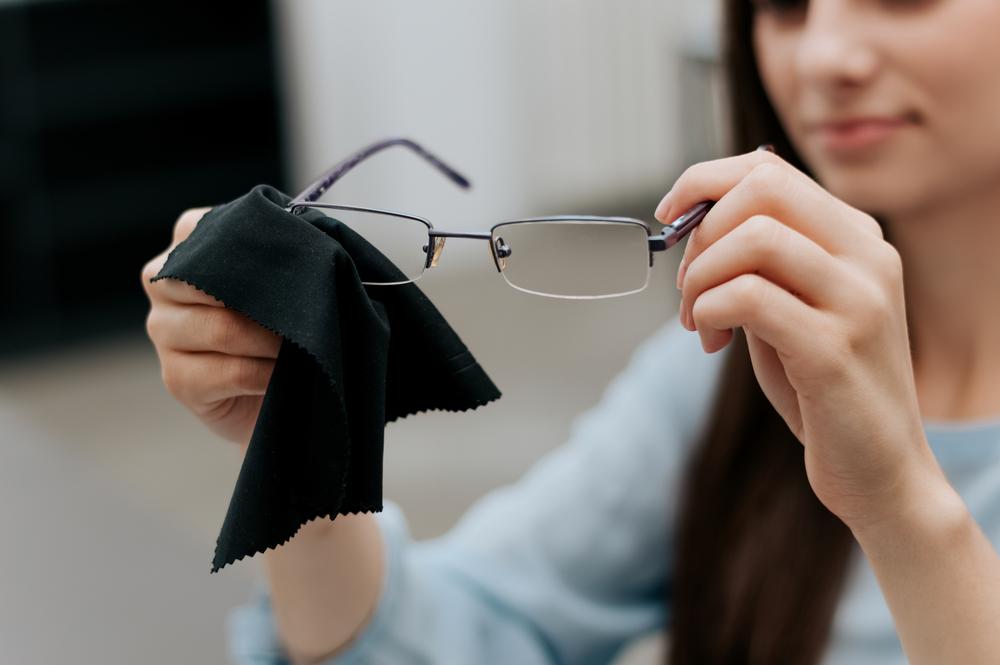
- Keep your glasses in a sturdy case and bring cleaning materials for your glasses.
- Watch out for strong sunlight. Wear sunglasses. They'll protect you when the sun is too strong or too low!
- Also be careful if you plan to drive at night when you're not used to driving in the dark or on unlit roads. Many night-time accidents are caused by the driver being dazzled by the headlights of an oncoming vehicle. Did you know there are night driving glasses, designed specifically for driving in the dark?
At your holiday destination:
- Wear glasses suited to the type of activity or sport you're doing there (e.g. sports glasses).
- Be careful not to scratch your lenses with grains of sand if you clean them on the beach.
Sunglasses
Don't just use any sunglasses. Make the right choice both for the type of lens and for the UV filter category.
Read our tips on this in the article "How to choose the right sunglasses?"
Sunglasses are all the more important if your holiday takes place by the sea or in a snowy area.
Contact lenses
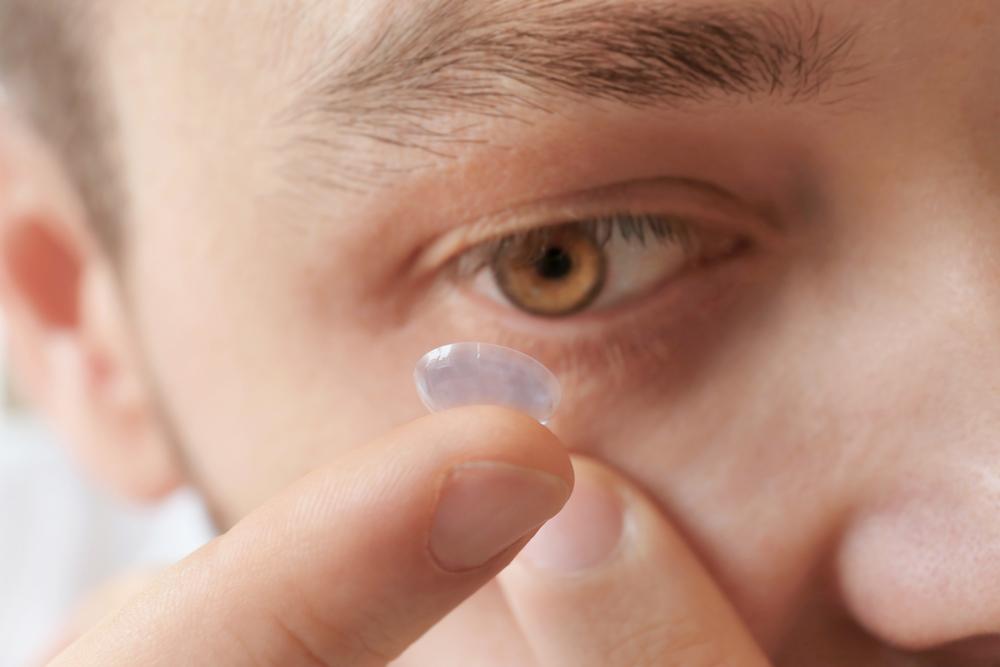 Do you wear contact lenses?
- Don't forget to bring a sufficient supply for the duration of your trip. If possible, favour daily lenses.
- Travelling to areas where there's a lot of dust in the air (such as certain desert regions) can be difficult if you wear lenses.
- If you plan to go swimming, choose glasses instead. You'll be able to remove them more easily before going into the water. If you swim with your glasses or contact lenses on, it's best to replace and/or clean them after swimming to minimise the effect of chlorine or bacteria. Wear swimming goggles to protect your eyes.
- Also make sure you have enough solution or eye care products for your contact lenses (but be careful: don't take more than 100 ml in your hand luggage if you're flying!). Preferably keep this liquid in an environment below 25°C. Don't leave it in a car in direct sunlight. Don't mix it with water.
- Sun cream and contact lenses: put your contact lenses in first and then apply sun cream. This will help you avoid getting sun cream particles on your lenses and causing eye irritation.
- Make sure you handle your contact lenses with clean, dry hands. Wash your hands beforehand with clean water. If you have any doubts about the quality of the water, choose bottled mineral water.
- Drivers who wear lenses are strongly advised to keep a pair of spare glasses within reach (in the vehicle).
Loss or theft of your glasses during your trip
Report it to the police if your glasses are stolen.
If you lose your glasses or they are stolen during your stay abroad and you don't have a spare pair, you can call on your travel assistance company. If you can't find a similar or equivalent pair locally and they're essential for the rest of your trip and prescribed by a practitioner, the assistance company will order them in Belgium and have them sent to you on site (any purchase cost is not covered).
Think of your children
Don't forget to bring spare glasses or lenses and all the necessary care equipment if your children need them. Follow the tips above, especially if your children spend their holidays at the pool or beach with frequent swims in the sea.
One last tip: scan the documents you received from your eye doctor and optician and save them in your email inbox. You'll then be able to find them more easily if you need to place an urgent order for new glasses or lenses at your holiday destination.