At a glance
The best way to guard against malaria is through prevention and protection. Here are 3 tips to avoid catching malaria.
Every year, a large number of travellers fall ill or die from malaria, an infectious disease also known as paludism. It's therefore very important to take the necessary steps to protect yourself.
Cause and symptoms of malaria
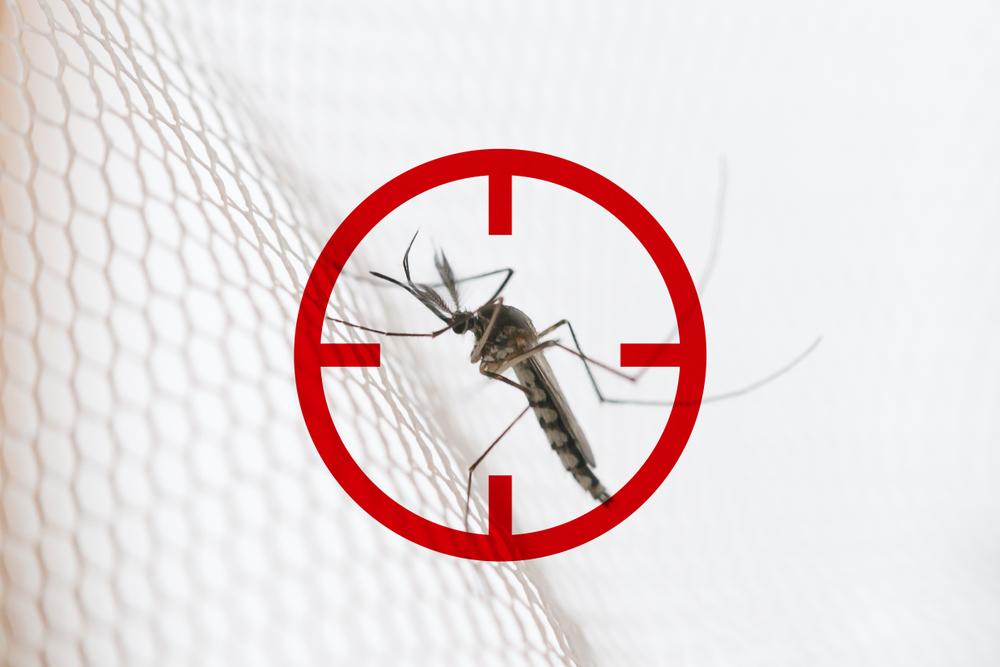
Malaria is transmitted by mosquito bites.
The first symptoms appear between 8 and 20 days after infection. They show up as a high fever accompanied by pain such as headaches and body aches, along with sometimes severe digestive problems (nausea, diarrhoea).
Other symptoms can appear, such as neurological disorders, jaundice, or impaired kidney function. Without effective treatment and medical follow-up, the disease can progress to a fatal outcome.
It's also not uncommon for symptoms to recur after several months or years if the treatment wasn't effective.
3 tips to protect yourself from malaria
1. Find out about the risk of malaria
Before your trip, find out about the risk of malaria in the country or countries you plan to visit. Good travel guides, the WHO, the Institute of Tropical Medicine and government portals are excellent sources of information on this. The following link can also help you locate endemic areas: Malaria.
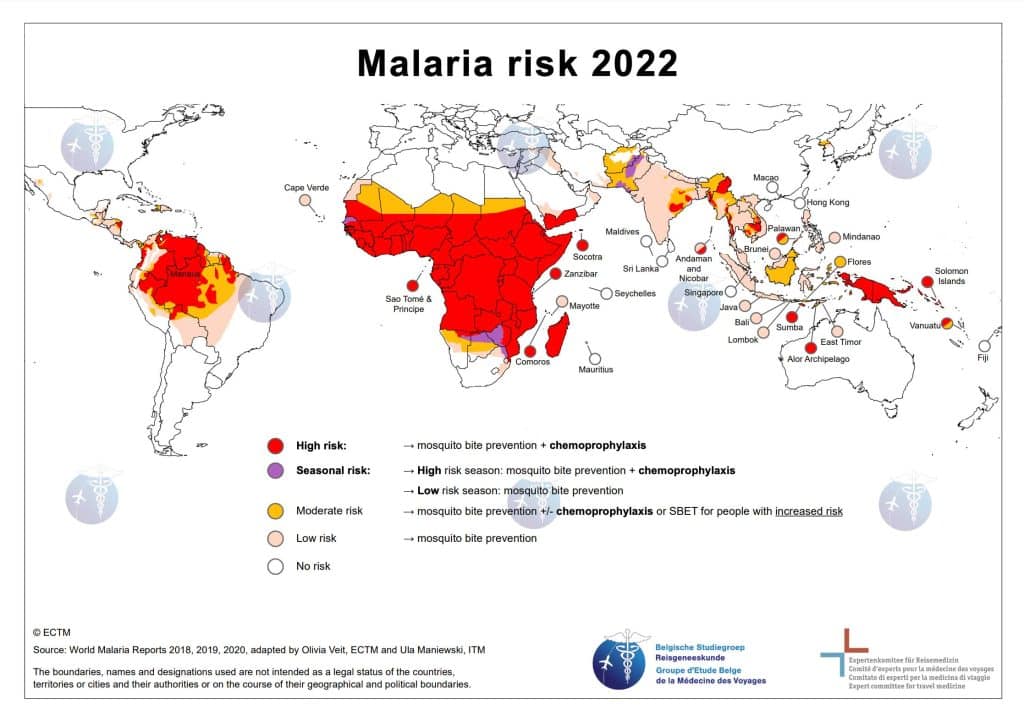
Source: wanda.be
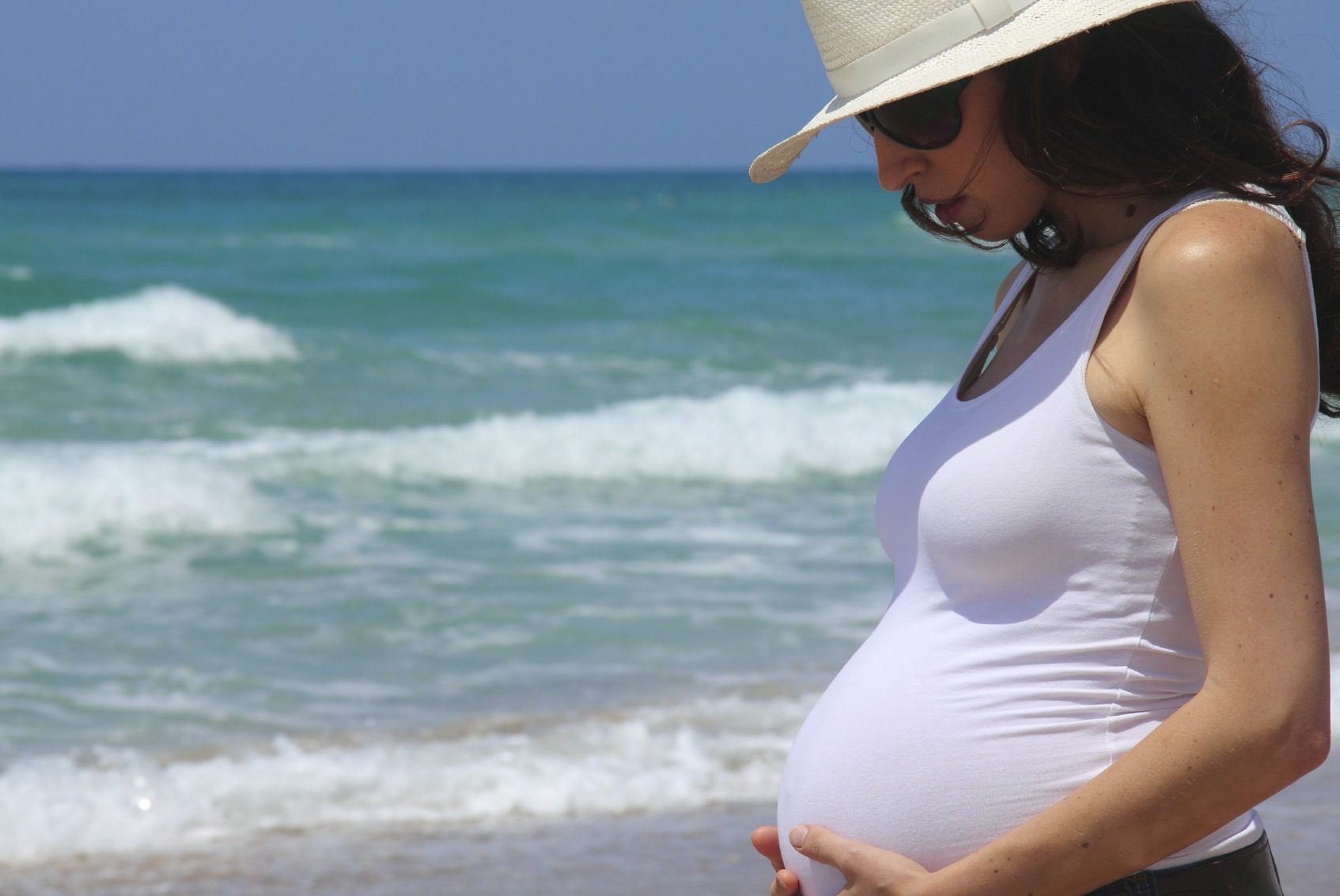
Gather all the information you need on the recommended measures and make an appointment with a doctor. Please note: these destinations carry a higher risk for people with weakened immune systems and pregnant women.
2. Follow an anti-malaria treatment
Medication to protect against malaria is only available on prescription.
So consult your doctor before you leave. They will prescribe you an anti-malaria treatment (chemoprophylaxis) suited to your destination as well as the length and type of trip you're planning. They will also take into account your tolerance to the treatment and any possible side effects. The prescribed treatment may also take into account the area you plan to travel to.
The most commonly used substances for malaria treatment are quinine, chloroquine, doxycycline, mefloquine or proguanil, and the best-known medications are Nivaquine ®, Malarone ®, Lariam ®, Paludrine ®, Savarine ®.
Anti-malaria treatment must begin before you leave (1 to 10 days depending on the medication prescribed) and must be continued for up to 4 weeks after you return. The dosage and frequency must be strictly followed.
Please note: if you have bouts of fever (even mild ones) in the months following your return, see a doctor as soon as possible. The possibility of a malaria attack remains.
A vaccine against malaria?
The WHO approved the world's first malaria vaccine on 6 October 2021. The organisation recommends that the vaccine first be rolled out on a large scale among African children in order to reduce malaria-related deaths in that region.
3. Protect yourself from mosquitoes
Avoiding malaria also means protecting yourself from mosquitoes. Once you're there:
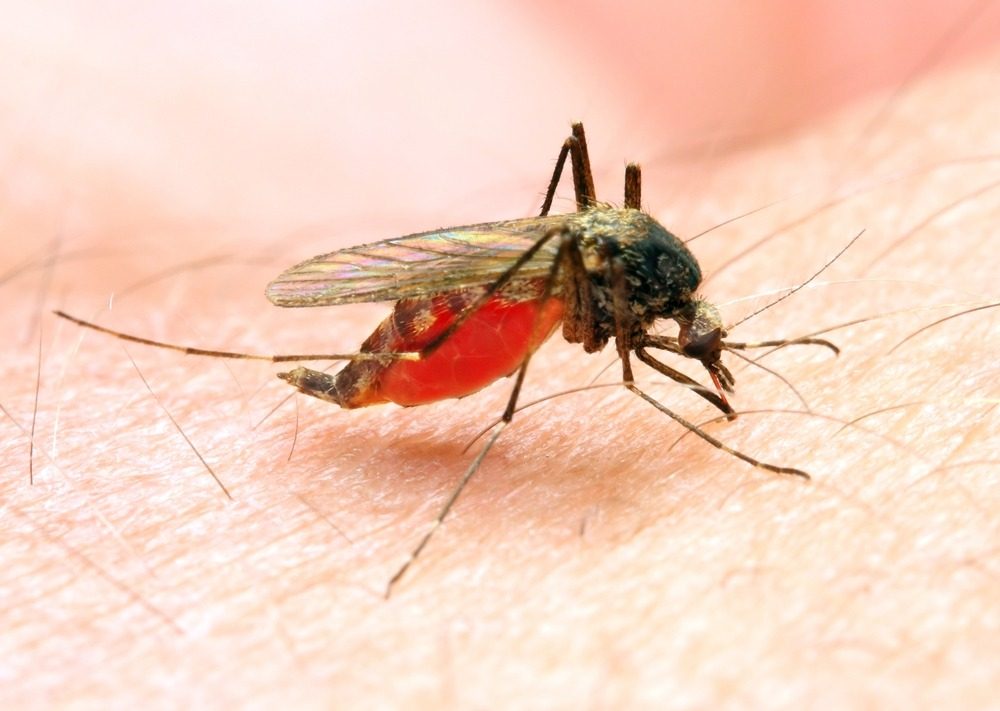 • avoid going out when mosquitoes are most active, i.e. from sunset to sunrise.
• wear clothing that covers your body (long sleeves and long trousers) and avoid wearing dark colours or overly shiny clothes, as these attract insects. Also protect your ankles and feet.
• use a repellent product on unprotected parts of the body. Ask your pharmacist for advice.
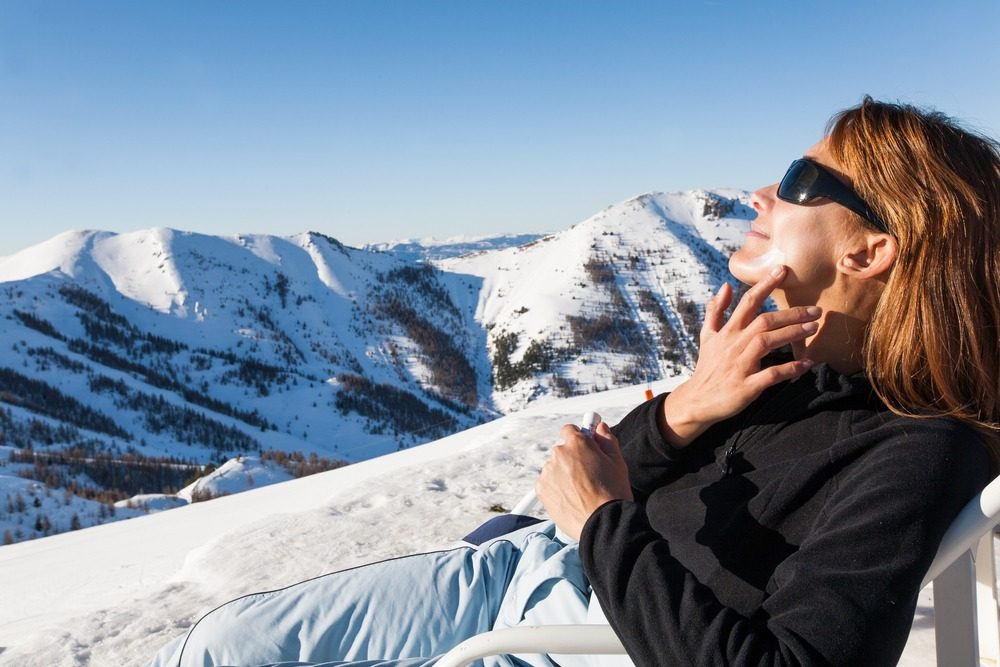
• if you use sun cream and a mosquito repellent, apply the sun lotion first, let it soak into the skin (20 to 30 minutes), and then apply the repellent product.
• use mosquito screens to stop mosquitoes getting into buildings, and hang a mosquito net around the bed (close all openings and tuck the ends of the net under the mattress).
• you can also use sprays or insecticides, but make sure they don't cause you discomfort. Be aware that electrical devices, diffusers and ultrasonic emitters only have limited and temporary effectiveness. If you're travelling with children, ask your doctor (or pharmacist) which repellent products you can use.
The number of medical assistance files opened by Redion for infection-related issues amounts to nearly 8% of all medical files. These files concern people of all ages.
Malaria deaths can and must be prevented
Many deaths caused by malaria could have been prevented and can be attributed to the following causes:
- insufficient awareness of the disease among travellers visiting affected areas, who therefore fail to protect themselves properly;
- delaying a medical visit after returning from a trip when the first symptoms appear (which are often mistaken for flu symptoms);
- a late diagnosis by the doctor, who attributes the symptoms to those of the flu.
It's therefore very important to travel well prepared and to contact a doctor immediately if malaria symptoms appear after returning from an infected area, informing them of the trip you took.
Also read:
- Travel and vaccinations: what are the requirements?
- Dengue fever and travel: risks and protection
First published: 03/2014 - Updated: 06/2023