At a glance
For a few years now, dengue fever has been on the rise in many regions of the world. What is this disease, and how can you protect yourself?
For a few years now, dengue fever has been on the rise in many regions of the world, claiming more and more victims every year among local populations and foreign tourists.
Indeed, during summer 2019 alone, Redion opened more than a dozen files for (suspected or confirmed) cases of dengue fever, notably in Cambodia, Laos, Sri Lanka, Vietnam and the Philippines.
What is it exactly? And how can you protect yourself?
The dengue virus
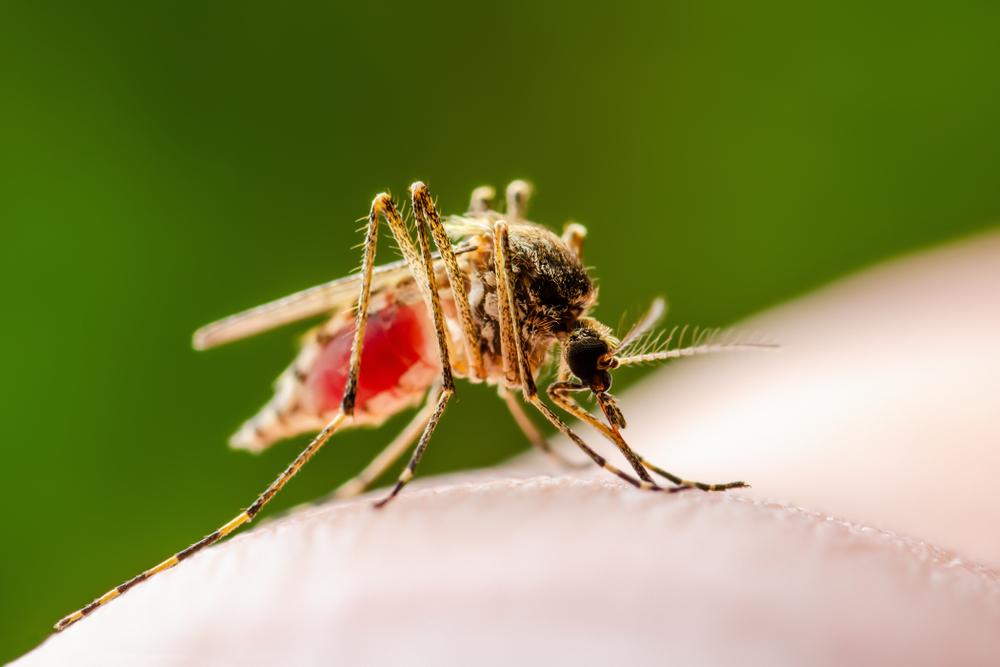
Dengue fever is a viral infection transmitted by the bite of mosquitoes of the Aedes genus. These (female) mosquitoes are also vectors for the chikungunya virus, yellow fever and Zika. They can also transmit malaria.
The highest-risk countries
Dengue fever mainly affects tropical countries. The mosquitoes that spread the disease breed more easily there under certain conditions, such as heavy rainfall, high temperatures and an urbanised environment.
Since the 2000s, the largest numbers of cases have been recorded on the Asian continent (including China, India, Malaysia…) and the American continent (including the USA, Central America, Brazil). In recent years, Pacific countries (including the Philippines) have seen a resurgence of the disease. The same goes for Burkina Faso. More recently, the WHO has considered that the risk of an outbreak of this disease could also affect certain European countries.
So it can be said that the disease can be caught in many regions on every continent.
As a general rule, dengue fever is the 2nd most commonly diagnosed cause of fever after malaria.
 Transmitted by mosquitoes
The mosquitoes that carry the dengue virus are mainly active during the day (but also at dawn and dusk). A single female mosquito can infect several people one after another.
These mosquitoes are highly resilient and adapt easily to any type of environment, even to temperatures that can drop below 0°C.
Symptoms of dengue fever
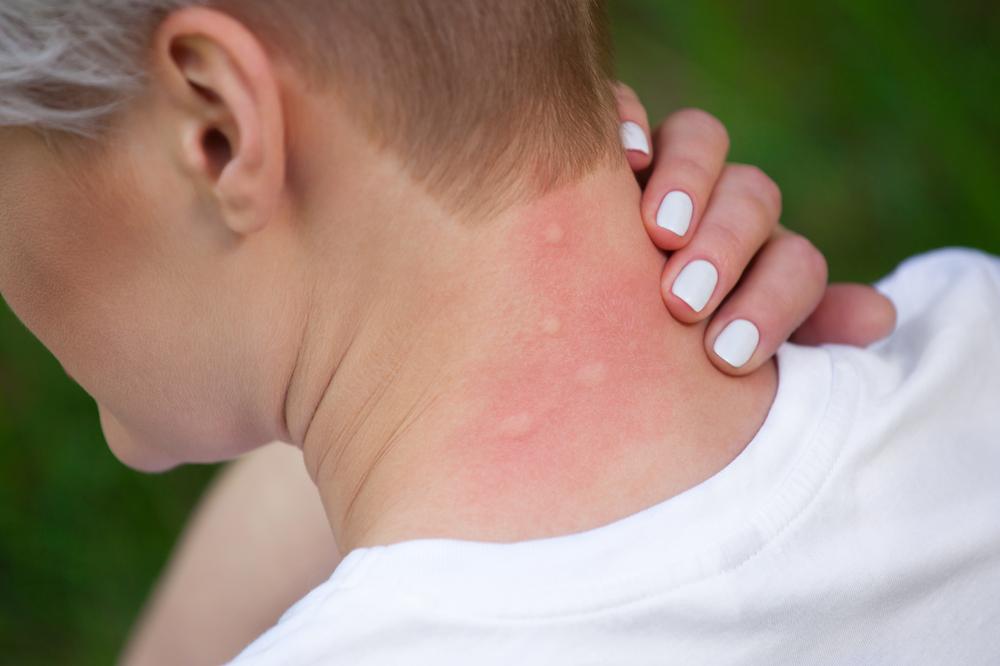
After 3 to 12 days, the affected person shows symptoms similar to those of the flu (headaches, fever (40°C), aches and pains in the joints or muscles), with or without a skin rash (red spots on the body) and conjunctivitis (red eyes). In some cases, the infected person may have stomach pain and suffer from vomiting and diarrhoea. Other, more serious cases cause neurological or haemorrhagic problems (haemorrhagic dengue). These symptoms usually last from 2 to 7 days.
Dengue fever is considered a serious illness requiring medical follow-up (often hospitalisation). The recorded deaths mainly affect the youngest children (mortality of ± 2.5% in this age group).
Treatment
In the vast majority of cases, the symptoms (treated like those of the flu) disappear after a few days. If you show the symptoms described above, see a doctor or medical centre as soon as possible, and then contact your assistance company without delay.
How to protect yourself?
At present, there's no specific treatment for the disease, even though researchers at KU Leuven announced in October 2021 that they were close to developing a medicine.
Protection therefore lies in prevention, in the form of vaccination and protective measures.
A first dengue vaccine was developed in 2015-2016. It's mainly given to at-risk populations in affected areas.
The best form of protection is to avoid mosquito bites altogether
- wear clothing that covers your body (long sleeves and long trousers) and avoid wearing dark colours or overly shiny clothes, as these attract insects. Also protect your ankles and feet.
- use an insect repellent on unprotected parts of the body. Ask your pharmacist for advice.
- if you use sunscreen and a mosquito repellent, apply the sunscreen first, let it sink into the skin (20 to 30 min.), and then apply the repellent.
- use mosquito nets to keep mosquitoes from entering your home, and put a mosquito net around the bed (close all openings and tuck the edges of the net under the mattress).
- possibly use sprays or insecticides, but be careful not to make yourself uncomfortable. Note that electrical devices, diffusers and ultrasonic emitters only have relative, temporary effectiveness. If you're travelling with children, ask your doctor (or pharmacist) which repellent products you can use.
Also read:
- Travel and vaccinations: what are the requirements?
- Malaria: how to avoid catching it?
Useful links:
- Belgian Institute of Tropical Medicine
- WHO