At a glance
The train is the most suitable means of transport for travelling while pregnant. But does that mean long car journeys are off limits?
Travelling by car during pregnancy isn't off limits, as long as the mother-to-be has no risk factors. That said, for comfort and convenience, it's best to favour long train journeys over endless car trips.
The train, more suitable for travelling while pregnant
The train is without doubt the most recommended means of transport during pregnancy. Less tiring than the car, it lets you relax during the journey, and get up and walk around from time to time (choose an aisle seat). Some trains even have seats reserved for pregnant women, giving them extra comfort.
Another advantage: pregnant women can often travel in first class with a second-class ticket during the last four months of their pregnancy. Check the website of the relevant rail company for more information.
If you're travelling alone during your pregnancy, the tricky part of taking the train is handling your luggage. If that's your case, avoid heavy, unnecessary luggage, as you may need to carry it from one platform to another. If you can't do without your entire wardrobe, arrange for someone to travel with you, or look into luggage transport services.
Finally, if you're taking a train journey with connections, make sure you have enough time between changes so you can switch platforms without too much stress.
Travelling while pregnant by car? In moderation!
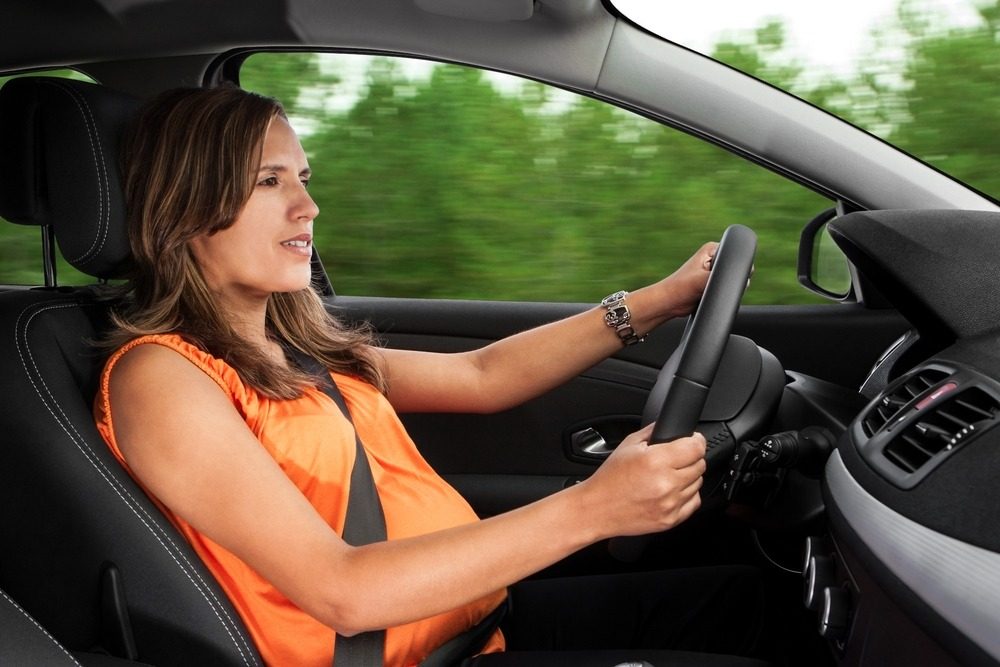
There are many downsides to the car for pregnant women: lack of space, discomfort, jolting... If you decide to travel by car anyway, here are a few tips to ensure more comfort and safety:
Take regular breaks, as car journeys can be very tiring;
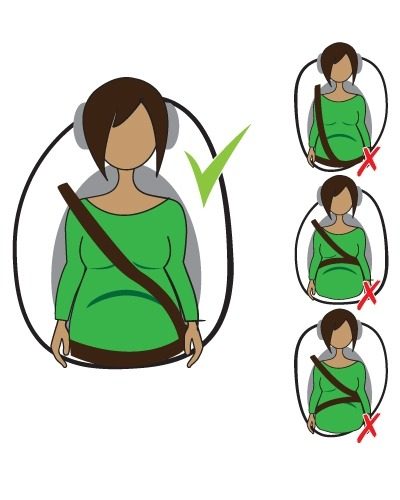
- Always wear your seatbelt. Being pregnant doesn't exempt you from this. On the contrary, the seatbelt protects both you and your baby. Wear the lap strap under your belly and the shoulder strap between your breasts;
- Sit in the back. This is where the safest seats in the car are (with the seatbelt buckled, of course). It's also where you'll have more room;
- Place a cushion behind your back. This will protect you from possible lower back pain;
- Always make sure you have a drink and some nutritious food with you, as well as anti-nausea medication;
- Wear loose, comfortable clothing and shoes;
- Don't disable the airbags;
- During the third trimester of your pregnancy, don't travel more than 100 km from home. Note that the closer you get to your due date, the more advisable it is to limit the distance from home;
- Avoid days of heavy traffic on the roads, as well as driving during heatwaves;
- If you're the driver, stop for a break as soon as you feel "uncomfortable". Pregnant women are more prone to severe fatigue or dizziness. So, as soon as you feel your alertness dropping, don't take any risks: stop and rest for a while.
- Keep a blanket in the car and make sure to bring your mobile phone (and its charger), with your loved ones' numbers saved in it. (Read on this topic: "ICE: In Case of Emergency").
First published: 06/2014 - Updated: 08/2021