At a glance
Off on a ski trip? Watch out for snow blindness! Here are a few tips to protect your eyes.
Off on a ski trip? Watch out for snow blindness!
What types of goggles are available on the market?
Here are a few useful tips to avoid damaging your eyes.
Why wear ski goggles in the mountains?
In the mountains, snow reflects light very strongly. Whether you're a skier, snowboarder or even just out for a walk, it's essential to protect your eyes with suitable equipment or sunglasses.
Snow reflects up to 80% of light rays, compared with 20% for the sea and 10% for sand. What's more, altitude amplifies light reflection: it increases by 10% for every 1,000 metres!
Children are the most vulnerable to light reflecting off snow: 75% of UV rays pass through the lens before the age of 10 (compared with 10% for adults). That's why it's very important to have them wear a mask or sunglasses suited to the mountains, and to make sure they don't take them off. For babies, make sure they wear glasses that absorb 100% of UV rays.
Snow blindness
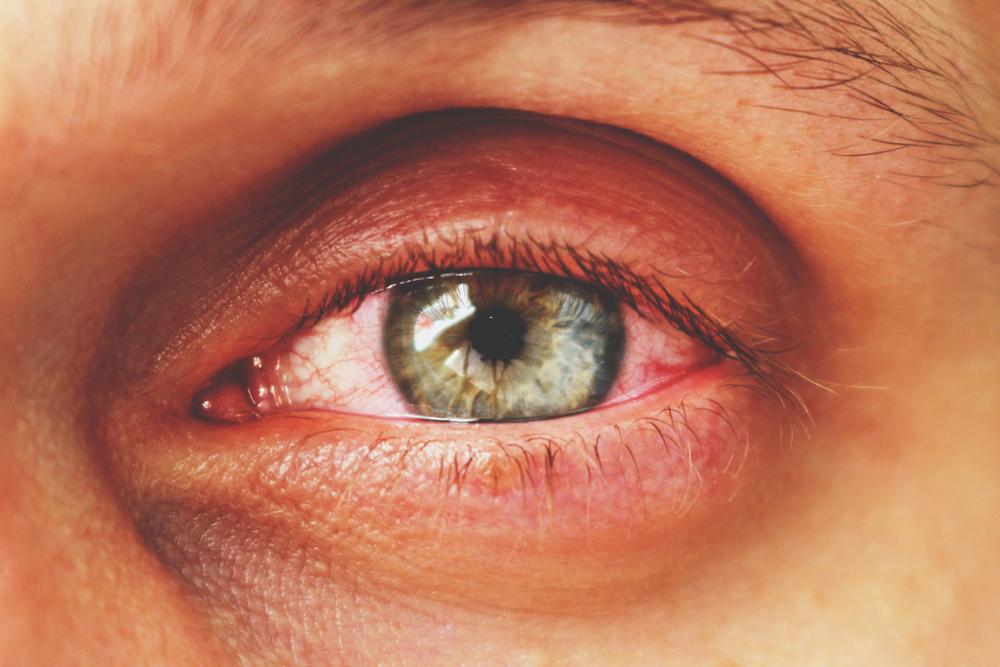 Snow blindness (inflammation of the eye) is a real risk for those who don't protect themselves. It can result from exposure to UV rays, even after just 30 minutes. It's characterised by a burning sensation, the feeling of having a grain of sand in your eye, red, watery eyes and hypersensitivity to light. Fortunately, snow blindness heals on its own within a few days. To ease the pain, you can use healing eye ointment (with vitamin A), aspirin, or occlusive dressings. It's also advisable to keep the person affected away from light for at least 24 hours.
Mask or ski goggles?
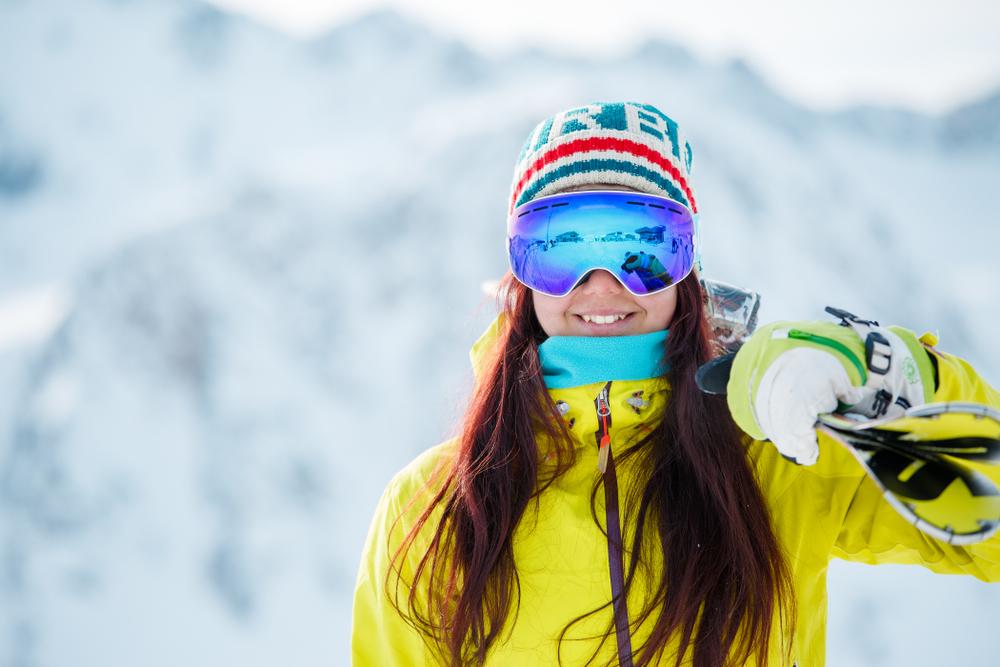
Either way, the most important thing is to have quality protection that covers your eyes well against UV rays. It's also a matter of personal choice and use. If you're a keen skier or snowboarder, it's best to choose a roomy ski mask or goggles. Their advantages? A better fit thanks to a removable elastic strap, and protection against flying snow. If you prefer walking or cross-country skiing, or simply strolling around your ski resort, you can also opt for sunglasses suited to the mountains, because even outside your sporting activities, it's essential to wear glasses that protect you from UV rays.
The features of good goggles or a good mask
- Level of protection: Goggles and masks should filter out more than 90% of UV radiation (CE category 3 or 4).
- Shape: Ski masks or sunglasses designed for the mountains are preferable to ordinary sunglasses because they have a curved shape. This way, your eyes are protected from light coming in from the sides.
- Sturdiness: It's better to buy unbreakable polycarbonate goggles to avoid any unpleasant surprises during your holiday.
Be careful, the colour of the lenses doesn't necessarily mean your eyes will be well protected!
- Yellow lenses barely capture sunlight and are only suitable for low-intensity light.
- Orange/red lenses absorb 20 to 56% of light and are suitable for low light.
- Pink/amber lenses absorb 57 to 81% of light and are suitable for moderate-intensity light.
- Brown/very dark mirrored lenses absorb 92 to 97% of light rays. It's therefore advisable to buy goggles or a ski mask with lenses in this shade.
What are the best ski masks?
- Double-lens masks: they have a layer of air between the two lenses, which prevents fogging.
- Photochromic ski masks: they change tint depending on the light, up to protection level 4, adapting to weather conditions. It's a very useful mask, but an expensive one (from around ±80 EUR).
- Cylindrical lens masks: the lenses are more rounded and the viewing angle is optimal, giving skiers a wider field of vision.
What should you do if you wear corrective lenses?
If you wear corrective glasses, you have a choice between two options: either wear your glasses under a ski mask, or use a mask designed for this purpose.
If you choose the first option, check that your glasses don't slip when you shake your head and that the mask isn't too tight. There are also masks designed to be worn over corrective glasses: OTG (Over The Glasses) masks.
Another option is to buy a ski mask adapted to your eyesight. This comes with a lens holder onto which your corrective lenses can be fitted. Some specialist opticians can supply you with a mask adapted to your eyesight, as well as masks without correction. Specialist sports shops also supply ski masks.
Other useful links:
- Off skiing soon? You'll find here a list summing up everything you need before you leave.
- If you prefer the sea to the mountains, it's also important to choose good sunglasses!
- One last tip: don't forget your sunscreen!