At a glance
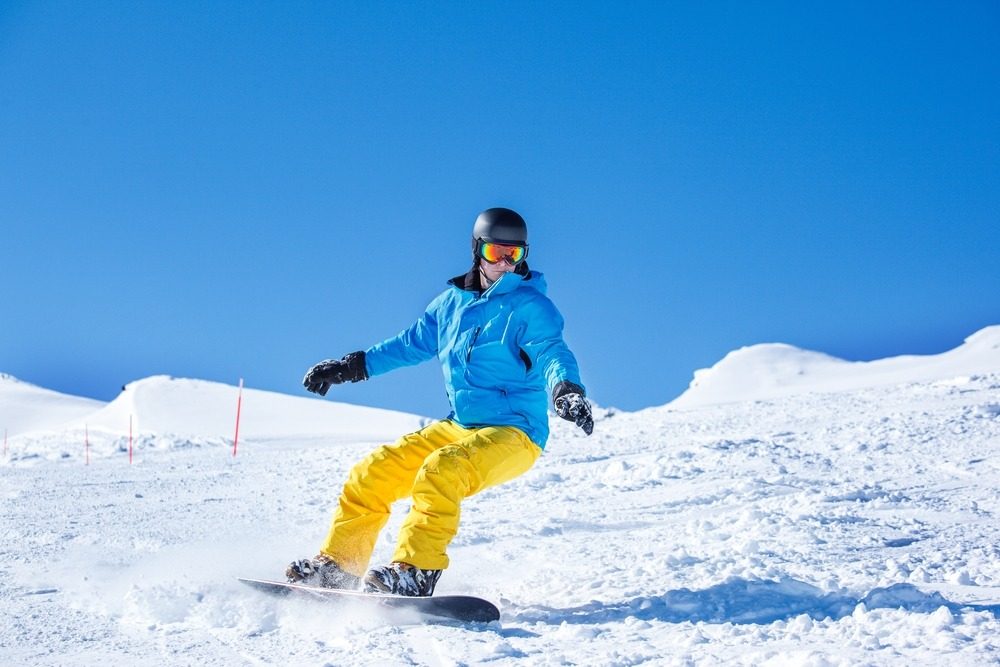
Do you snowboard? How can you prepare for the season and minimise your risk?
Are you a snowboarding addict?
How can you prepare for the season and minimise your risk?
Snowboarders
The majority are male, with an average age of 22.
More generally, snowboarding attracts a lot of enthusiasts aged over 10 to 20 and 20 to 30, mostly men, but increasingly women too.
From your thirties onwards, skiing (once again) becomes the more popular winter sport.
The risks of snowboarding
- Accident statistics show that snowboarding is 1.5 times riskier than alpine skiing.
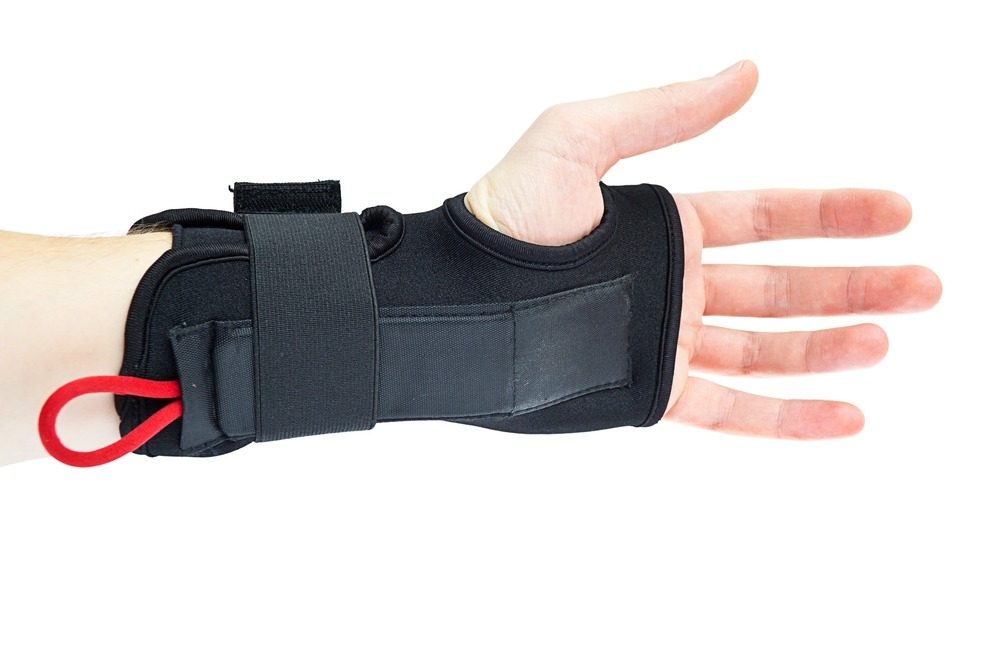 The most common snowboarding injury (25% of all injuries) is a wrist fracture. It happens mainly to less experienced riders who land badly when falling, using the heel of their hand. So wear good wrist protection and learn to fall safely (ideally with closed fists).
- Always wear a helmet (click here) to protect yourself from head injuries in collisions and falls. For children, it's best to wait until they're 8 years old before starting snowboarding.
Wearing a helmet is mandatory for children in a large number of countries, on the slopes and/or in ski schools. Every year, medical assistance interventions on the slopes prove just how useful (not to say necessary) wearing a helmet is. It reduces the number of head injuries by a third! We therefore recommend that children and teenagers always wear one.
- Another injury specific to snowboarding involves the ankle (a fracture of the lateral process of the talus, which often requires a fairly long recovery period).
Preparing for snowboarding
- Before heading off for winter sports, do your physical preparation(click here) (ideally 1 or 2 months before you leave) by walking, swimming, cycling, rollerblading, ice skating, etc. These sports will help build the stamina you need for snowboarding. Also check the health rules and restrictions in place.
- Warm up before hitting slopes or modules that are easy for you: start off gently. Riding "cold" increases the risk of muscle injuries.
- Ask professionals for advice about your equipment. Properly adjusted bindings help prevent sprains in the event of a fall. Choose your snowboard carefully and make sure it's good quality.
- Beginners should get guidance from professional instructors for their first few hours, and learn to fall with closed fists to protect their wrists. Start off on gentle slopes for your first runs.
Prevention
- Many accidents are linked to fatigue, so don't hesitate to rest regularly and don't push yourself too hard, especially later in the day. Also read: "2pm: the riskiest time on the ski slopes"
- Apply sunscreen (click here) with a high protection factor (don't forget the back of your neck), remember your lip balm, and finally, protect your eyes by wearing a mask or ski goggles (snow reflects the sun's UV rays).
- Use good-quality ski goggles (click here).
- For your clothing, go for the "three-layer system" (click here): one layer to manage sweat, one layer for thermal protection, and one layer to protect you from the elements (and falls). You'll also need trousers and gloves suited to snowboarding.
- While riding, look around you and remember that the skier downhill has right of way. If you're not confident in your ability to stop, stick to a clear, open slope.
- Don't try to impress the people you're with at all costs by attempting technical tricks you haven't mastered.
- Off-piste snowboarding (freeriding) carries a high risk of accidents, and should only be considered if you have enough experience and are accompanied by professionals who know the area and the mountain risks well. Read our article "Skiing off the marked slopes" (click here). Don't forget to bring the essential safety equipment in case of an avalanche.
Also read: "Winter sports: equipment and physical preparation" and our "Winter Sports" file
Download our eBook "Worry-free winter sports"
First published: 11.2014 - Updated 12.2021