At a glance
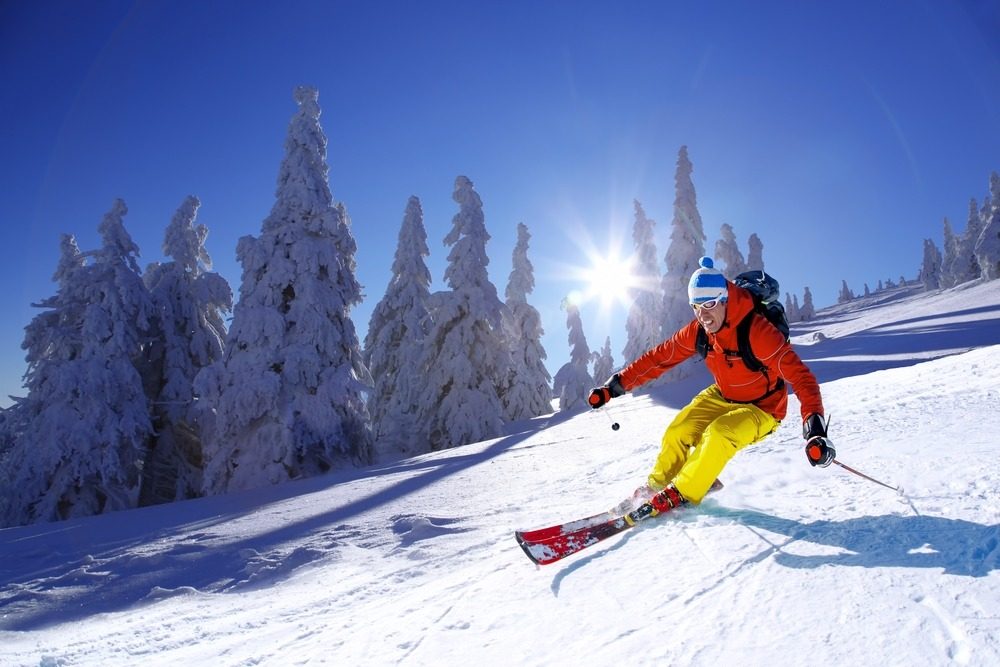
Skiing or snowboarding isn't without risk. What should you watch out for on the slopes?
Every year, tens of thousands of skiers and snowboarders hit the slopes.
However, these winter sports aren't without risk, as Redion's figures and statistics show.
Skiing and snowboarding: good to know…
Others aren't always to blame!
According to a Swiss study, while the majority of accidents are caused by a fall, and only 6.8% of skiing accidents and 4.3% of snowboarding accidents are caused by a collision with a third party, this means most accidents happen without any outside influence. In these cases, the skier or snowboarder injures themselves on their own!
However, when the accident is due to a collision, the consequences can be more serious, given the speed at which many skiers hurtle down the slopes.
Snowboarding
The growing popularity of snowboarding has changed the types of injuries seen on the slopes. Snowboarders, who often go in for big tricks, tend to suffer more upper-body injuries than skiers. Today, one accident in three involves a snowboarder.
Off-piste skiing
The most serious problems are usually found among skiers who go off-piste. They're often not sufficiently prepared for this kind of activity, and if they have an accident, they're not easy to locate, which makes rescuing them much harder.
Rescue operations
Fortunately, not every serious accident on the slopes leads to a large-scale evacuation involving a helicopter. On average, this type of intervention is only needed in 10 to 15% of cases. 55% of evacuations are carried out using a rescue toboggan, and more than 16% by snowmobile.
The "riskiest" days
Accident peaks are usually seen mid-week during the holidays, as skiers and snowboarders start to feel more comfortable on the slopes than in the first few days and take more risks. Slope occupancy and changing slope conditions also play a role in the number of accidents. Physical and muscular fatigue sets in after a few days of practice, and mainly affects those who are poorly or insufficiently prepared.
Also read: "2pm: the most dangerous time on the ski slopes"
Are GoPro cameras dangerous?
According to the Swiss BPA (Accident Prevention Office), wearing a camera attached to your skiing/snowboarding gear increases risky behaviour on the slopes for some people: on the one hand, skiers are often distracted by the fact that their camera is recording, and on the other, there's a strong temptation to attempt stunts or things you wouldn't normally do, in order to share your "exploits" on social media afterwards. So be careful if you use this kind of gear!
Also, don't try to copy the stunts other people post on social media. You risk exposing yourself (and other skiers) to serious danger, especially if you're not a professional.
Accident statistics
"Snowboarding is mainly practised by younger people, while skiing is mainly practised from your thirties onwards."
Redion's intervention statistics during the Carnival holidays have shown for several years now that nearly one victim in two is under 20 years old.
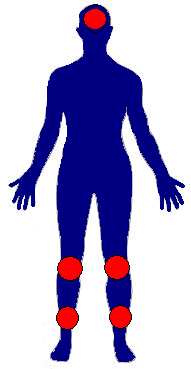
Children under 10 are mainly victims of injuries to the knees, legs and head. More and more children are starting to ski or snowboard at a very young age. In the event of a fall or a collision with an adult, these young children are at greater risk of being hit on the head. Their visual perception and their ability to anticipate risk are not comparable to those of an adult.
Wearing a helmet is essential. It is also mandatory in many countries and in ski schools.
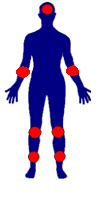 11-20 year-olds and 21-30 year-olds most often suffer wrist, shoulder, head and knee injuries, a consequence of the widespread popularity of snowboarding. Wearing a helmet is therefore more than essential for snowboarders.
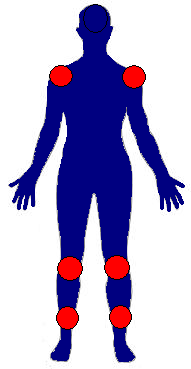 31-40 year-olds and 41-50 year-olds are more prone to skiing-related accidents. The injuries they suffer mainly involve the knees, shoulders and legs.
Most accidents are generally caused by skiers' inattention, inappropriate speed and insufficient physical preparation.
Also read our "Winter sports" feature
First published 10.2014 - Updated 01.2023