At a glance
Many skiing or snowboarding accidents happen around 2pm. What safety distance should you keep to react in time?
When do most skiing or snowboarding accidents happen on the slopes?
What causes them?
What safety distance should you keep to be able to react in time?
Below, we cover 4 key points worth remembering.
How often accidents happen, by time of day and day of the week
Over the course of a day:
Did you know that most slope accidents happen in the early afternoon, around 2pm - 2:30pm, i.e. when the slopes are at their busiest (sometimes after a well-lubricated lunch)? Mountain rescue posts record more than a quarter of their interventions at this time of day!
The second most "dangerous" time of day is late morning (between 10:30am and midday), during which around 20% of skiing and snowboarding accidents occur.
Before and after these two "peaks", the accident rate is lower (between 5 and 10%) depending on the time slot.
Over the course of a week:
During a week-long ski trip, assistance companies also note certain days that are riskier in terms of accident frequency: the very first day (lack of experience and unfamiliarity with the slope), mid-stay (skiers feel more confident and take more risks) and the end of the stay (partly due to muscle fatigue).
Most of the time, beginner skiers are fairly cautious, while experienced skiers are more likely to take risks, which also exposes them to more serious accidents.
What causes most accidents?
- How crowded the slopes are (more people = higher risk of collisions)
- Fatigue among skiers or snowboarders (physical or muscular fatigue)
- Recklessness on the slopes or in snowparks (including excessive speed or daring by the skier/snowboarder)
- Failure to follow the rules of skiing (traffic rules, respecting signage, respecting other skiers, etc.)
- The state of the slope (lack of snow, icy conditions, snow quality, etc.)
- Inexperience or lack of preparation
- Drinking alcohol and/or taking medication ("Drink or ski, you have to choose!")
- Wanting to impress or show off (to other people around, or while filming themselves) sometimes also leads to reckless risk-taking...
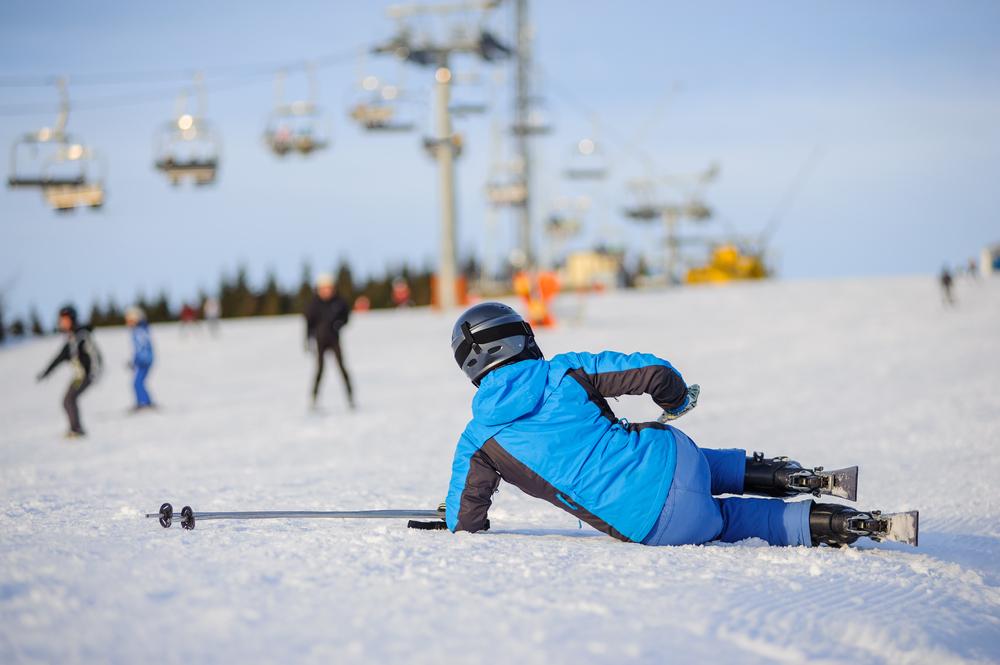
Accidents aren't always caused by other skiers or snowboarders. Often, they're caused by the victims themselves, who underestimate the risks, ski at excessive speed, don't have sufficient mastery of the sport, are in poor physical condition, don't have adequate equipment, or don't use it effectively (poorly adjusted bindings).
What's more, more and more skiers are drawn to off-piste skiing, which exposes them to greater risk, including the dangers of avalanches.
What is a skier's reaction time when facing an obstacle?
Everyone knows that a moving vehicle needs a braking distance calculated based on its speed in order to stop. The same applies to skiers.
Do you know the reaction time you need when speeding down a slope in order to avoid a sudden obstacle?
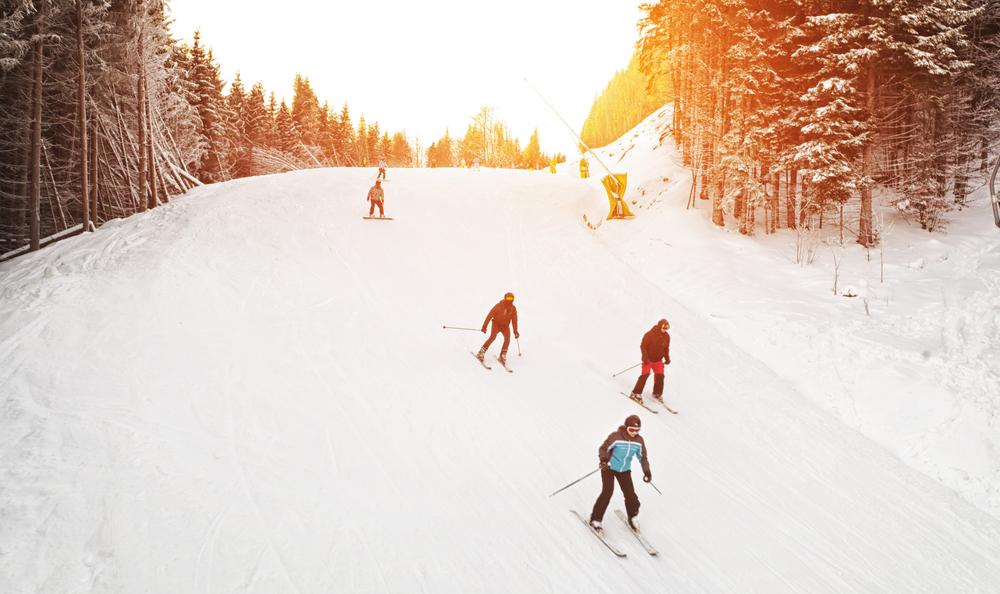
The figures below give you an approximate distance (you still need to be able to judge your own speed):
For a descent [](/upload/blog/2017/12/Descente-de-piste.jpg)at 80 km/h -> ±20 metres
at 70 km/h -> ±17 metres
at 60 km/h -> ±15 metres
at 50 km/h -> ±12 metres
at 40 km/h -> ±10 metres
at 30 km/h -> ±7 metres
at 20 km/h -> ±5 metres
Many experienced skiers average 40 to 60 km/h, and therefore need to allow for a safety distance of at least 10 to 15 metres!
How should you prepare your equipment?
- Have your equipment checked by a specialist (or a specialist shop) before the season, especially the bindings. Have any necessary replacements made.
- Get wrist guards if you snowboard.
- Wear an approved helmet (EN1077) that fits your head properly.
- On site: pay close attention to the bindings on skis and snowboards. Snowboard bindings can come loose fairly easily. Don't forget to wax your snowboard or ski soles regularly.
- Don't just think about your equipment, think about yourself too: warm up before heading out onto the slope!
One last tip: Falls don't always happen on the slopes! Be careful if you're wearing ski boots on slippery or icy surfaces such as car parks, paths leading to the slopes, or outdoor stairs of buildings. Many people take very bad falls there, and skiing has nothing to do with it!
Also read:
- The 4 things to do in the event of a skiing accident
- Accidents on the ski slopes
- [Snowboarding: physical preparation and prevention](/en/blog/snowboarding-preparation-and-safety)- Winter sports: equipment and physical preparation
- Winter sports and young children
- [Snow holidays with your dog](/en/blog/snow-holidays-with-your-dog)- The rules of skiing
First published: 01/2018 - Updated: 02/2022