At a glance
How do you visit Pico, Stromboli, Teide, Eyjafjallajökull or Ol Donyo Lengai? Tom de Dorlodot gives us some great tips.
Sportsman and adventurer Tom de Dorlodot has already visited a multitude of volcanoes himself, whether hiking or flying over them by paraglider. Drawing on his experience, he shares some great tips below for anyone who wants to make the same unforgettable journey.
Volcanoes: an eruption of emotions
 What would a trip be without a hint of adventure, a pinch of mystery and an encounter with the raw power of nature? Fans of exploration and trekking will find their happiness at the heart of volcano tourism, a unique experience where fire and rock meet to create breathtaking landscapes and unforgettable memories.
Volcanoes, these dormant or active giants, are much more than smoking mountains. They are the silent guardians of our planet's history, witnesses to the transformation of the earth. When you decide to venture onto the slopes of these majestic colossi, you enter a world where the earth itself seems to breathe. These mountains seem alive, and I find that makes them a little magical.
Volcano tourism offers breathtaking diversity, each destination revealing its own geological personality. From the Atlantic to the Mediterranean, from the Canaries or Tanzania to Iceland, I invite you to explore five exceptional volcanoes with me, each carrying its own story and charm. I've had the chance to climb several of them and would like to share my experience with you.
1. Pico Volcano in the Azores: the peak of the world
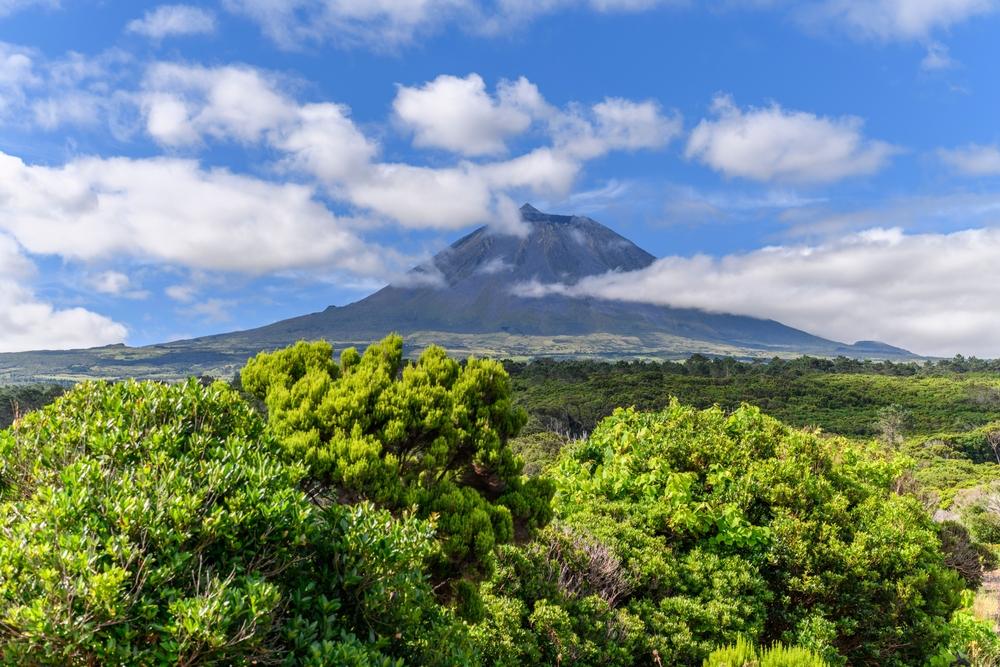 Pico Volcano in the Azores reigns supreme, emerging from the depths of the Atlantic Ocean. At 2,351 metres in altitude, it offers a breathtaking view of the surrounding seascapes, making it the third-largest volcano in the Atlantic Ocean. This geological marvel promises an unforgettable climb.
The hike presents challenges, with changing ground, slippery areas and a slope rated medium to difficult. You don't need to be a seasoned athlete, but good physical fitness is essential. The adventure begins at the Mountain House, perched at 1,230 metres, where every participant is checked in. Equipped with GPS, hikers follow an 8 km trail, discovering incredible geological formations and unique wildlife.
I recommend choosing summer for this climb, when the weather is perfect, and contacting the Atipico team — Mónica, Nuno and Daniel — guides who know their job. The ascent, which takes about 6 hours (round trip), will reward you at the summit with an incredible view of the neighbouring islands. If you go in winter, bring crampons, as the summit can be covered in ice.
2. Stromboli Volcano in Italy: the dance of fire in the Mediterranean
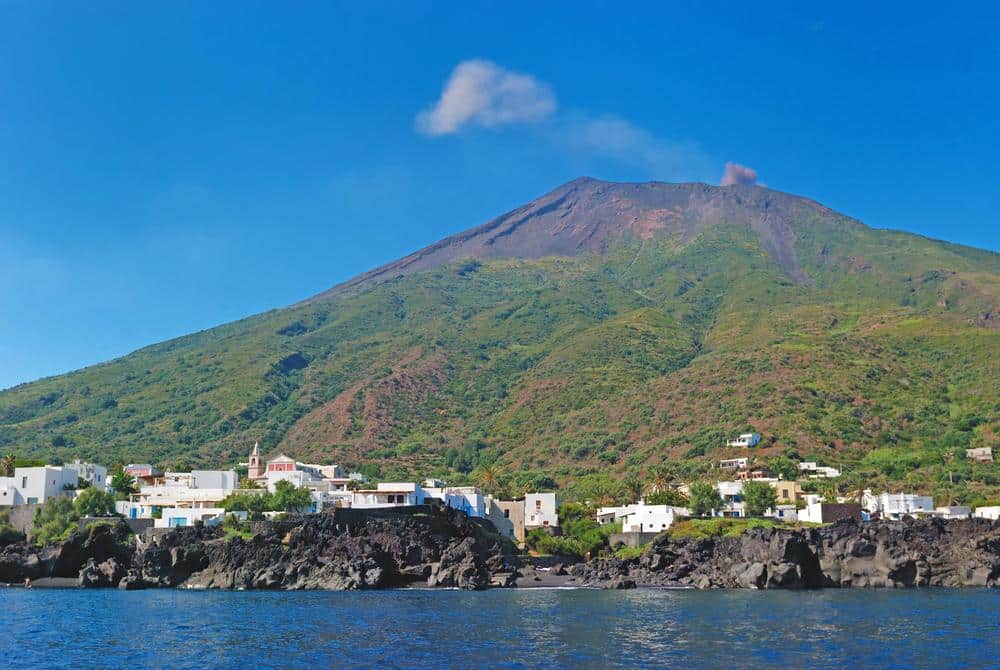 Head to Italy, where the Stromboli volcano, nicknamed the "Lighthouse of the Mediterranean", invites you to a hypnotic dance of fire…
At 926 metres in altitude, this volcano offers a unique spectacle of constant eruptions. To experience this, you should aim for the months of April to October, and I invite you to entrust your journey to the experienced Etna3340 team.
Stromboli is a volcano that doesn't do things by halves. Its summit explosions are like a symphony, occurring at regular intervals. Every 10 to 20 minutes, fragments of magma and gas are propelled into the air, reaching dizzying heights, sometimes up to 100 to 200 metres. A spectacle so impressive that it once served as a lighthouse, guiding sailors with its eruptive glow.
Etna3340 offers a private tour of Stromboli, with a guide, from their excursion centre in Stromboli (departure about 2 hours before dusk). If you prefer the dynamics of a group, other agencies offer more affordable options, but be aware that the island of Stromboli isn't huge, there aren't many trails, and in summer, trekking enthusiasts flock there.
Like any active volcano, Stromboli is subject to possible excursion restrictions, depending on the alert level and geodynamic and weather conditions. This hike in an active volcanic zone requires excellent physical fitness and is not recommended for pregnant women.
3. Teide Volcano in the Canaries: above the clouds
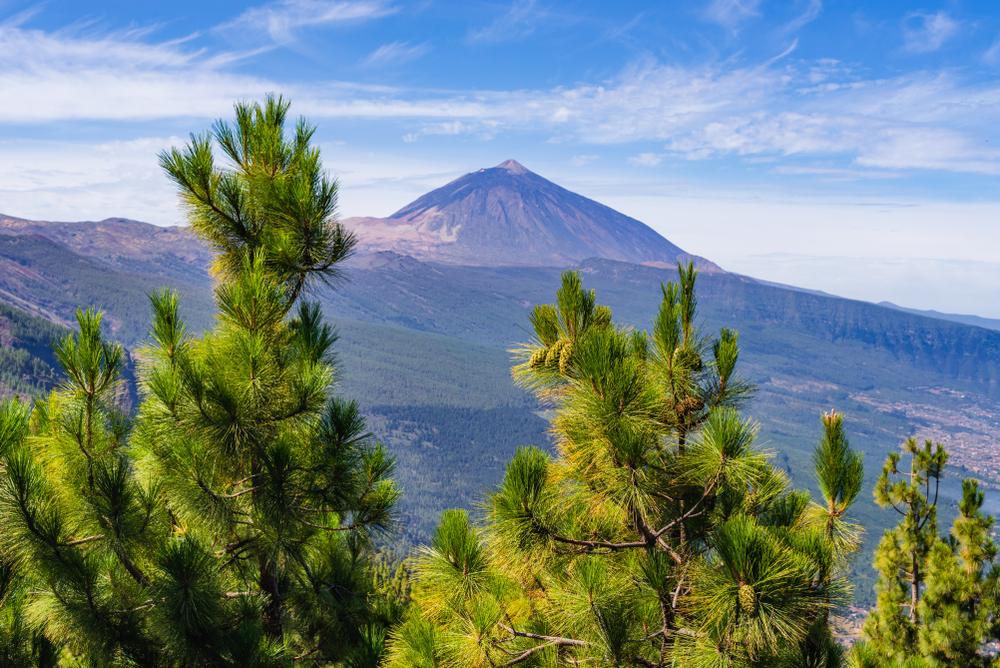 The Canaries reveal their volcanic treasure with the majestic Teide volcano, which reigns supreme over the island of Tenerife, rising to 3,718 metres in altitude. Summer is the ideal time to climb its slopes and take in a landscape that seems to float above the clouds. Let yourself be guided by the unrivalled experience of the Volcano Teide team on these volcanic hiking trails. Several routes exist, each offering spectacular views and its own level of difficulty. It's important to book your spot in advance. The number of people allowed to climb each day is limited.
Climbing Spain's highest peak, Teide, is a captivating sporting challenge. The trails, although intermediate level, present altitude as the main challenge, which can slow your progress. Preventing altitude sickness is essential. It can affect any hiker, even the most experienced. Symptoms such as breathlessness and nausea should not be taken lightly. Stay well hydrated in the days leading up to the climb, avoid long hikes the day before, get a good night's sleep beforehand and avoid alcohol. On the day of the hike, make sure you drink enough water.
4. Eyjafjallajökull Volcano in Iceland: the power of the north
**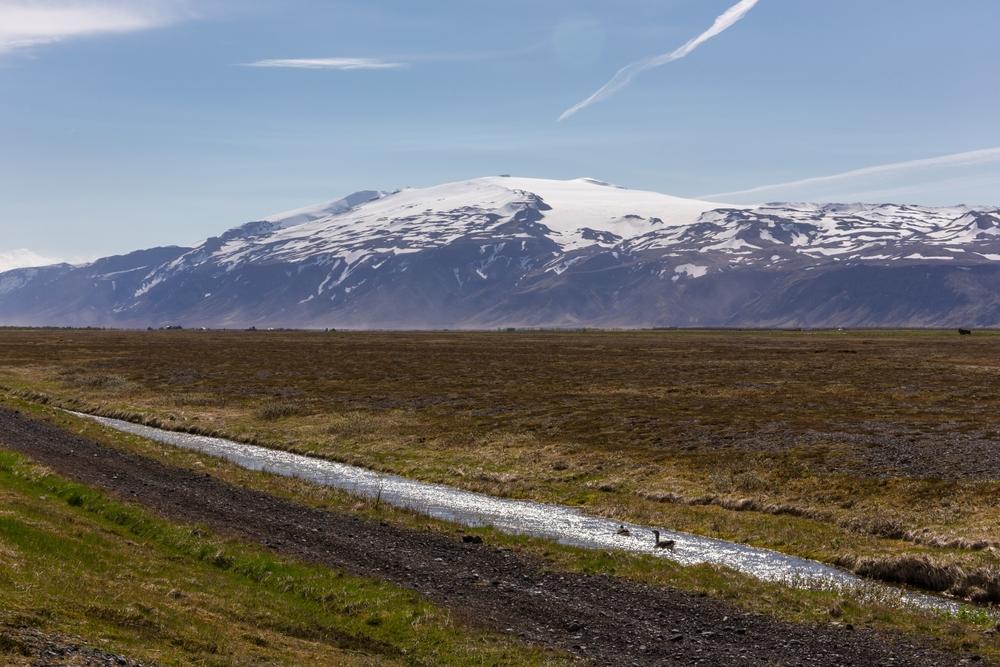 **In the heart of Iceland's land of ice and fire, the formidable Eyjafjallajökull volcano rises majestically to 1,666 metres in altitude. A climb that promises a memorable experience, particularly worth booking for the summer season. Accompanied by the experienced Icelandic Mountain Guides team, get ready for an intense climb through breathtaking panoramas, crowned by a stunning view of Iceland.
You've probably heard of this volcano following its eruption in April 2010, which caused chaos in air travel across Northern Europe.
The volcano is entirely covered by an ice cap, known as the Eyjafjallajökull Glacier. This hike, lasting 8 to 10 hours, is only suitable for people with very good physical fitness. You don't need any technical skills if you're accompanied by a guide, but please note that the upper section has numerous crevasses.
5. Ol Donyo Lengai Volcano: the mountain of the gods
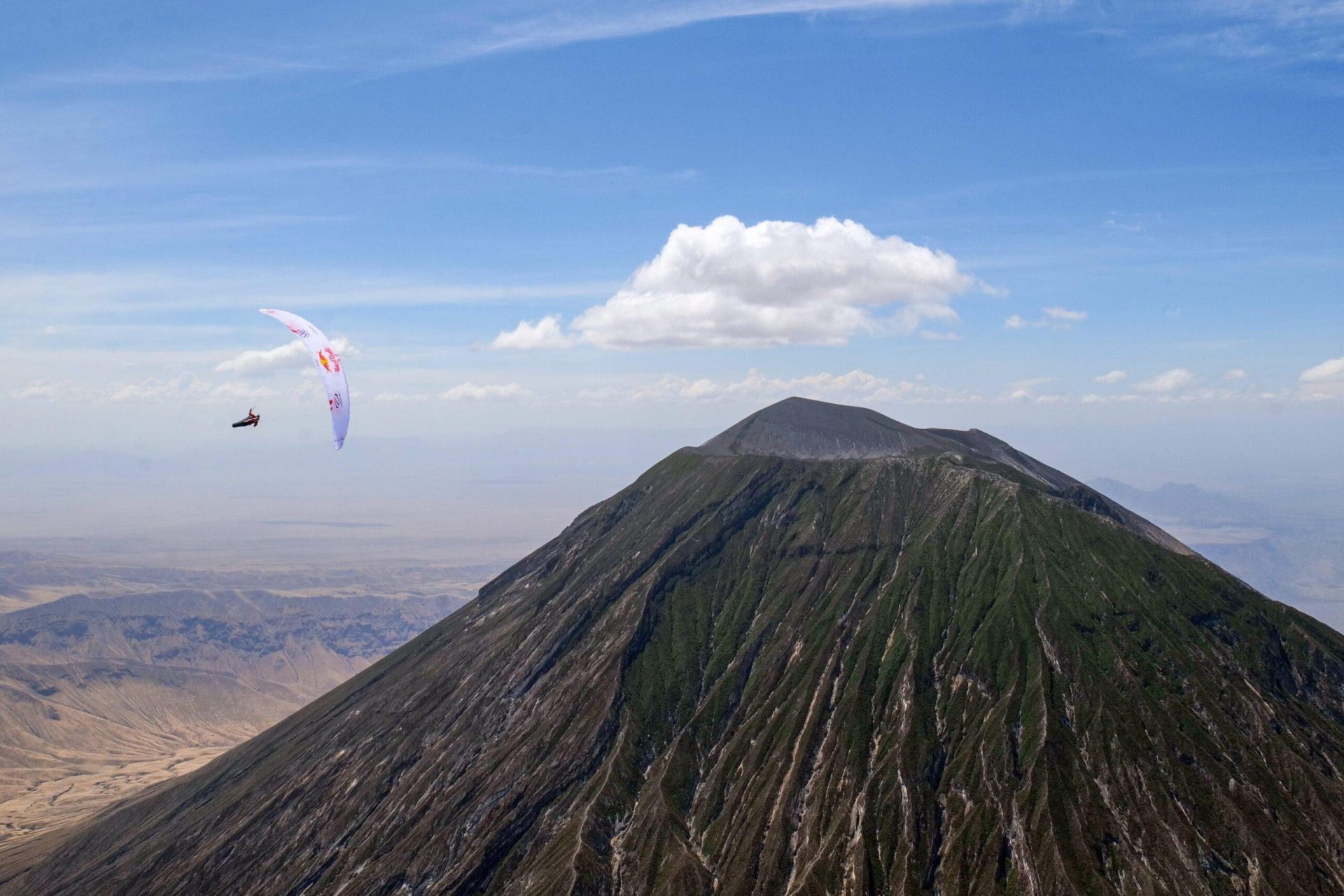
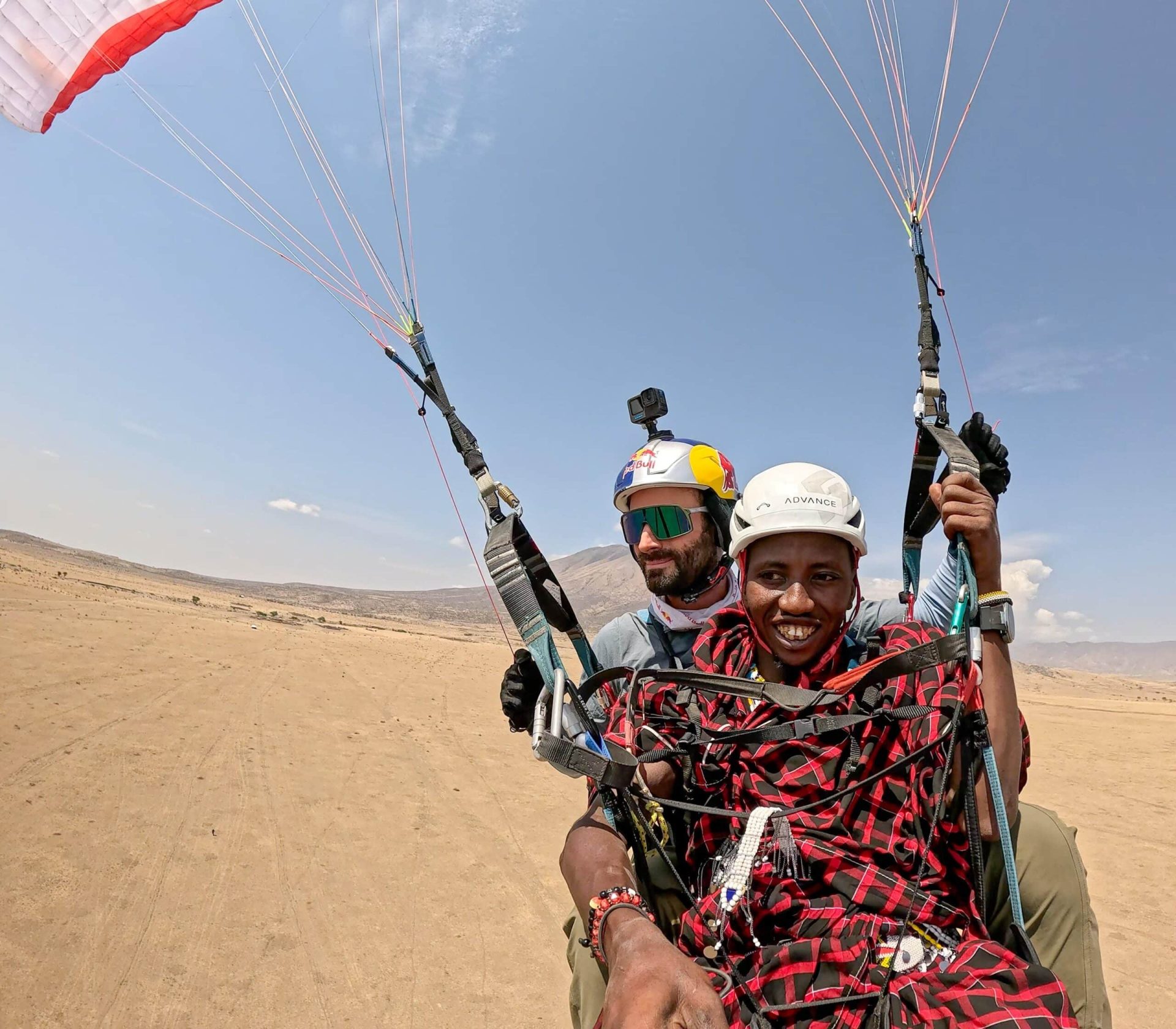
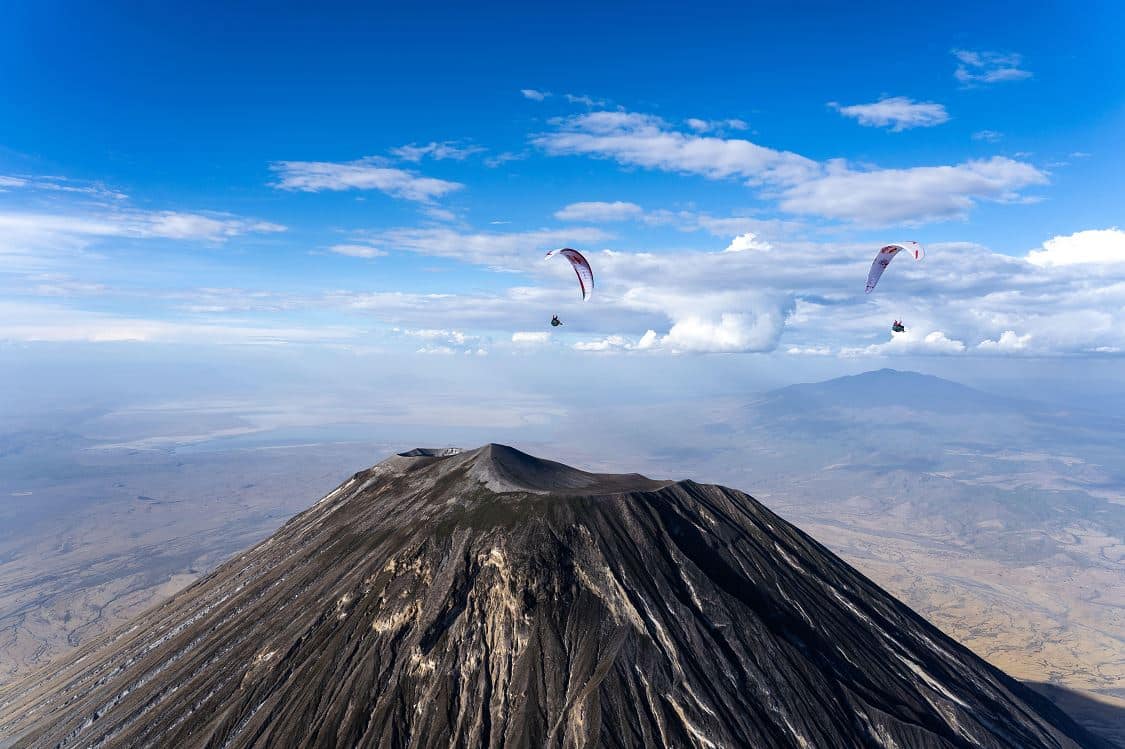 This Lengai is the sacred mountain of the Maasai tribes who live in the Ngorongoro region. It is the only active volcano in Tanzania, and I find it particularly impressive. I was lucky enough to fly over it and even land by paraglider at the summit (which rises to 2,962 m) during my last expedition in September. The climb on foot is very physical and sometimes dizzying. I recommend starting the climb in the late evening to reach the summit at sunrise. You can then head back down before the crushing heat sets in. Bring plenty of water and warm clothing for the summit, because while it's hot at the bottom of the valley, the wind at the top can be very cool.
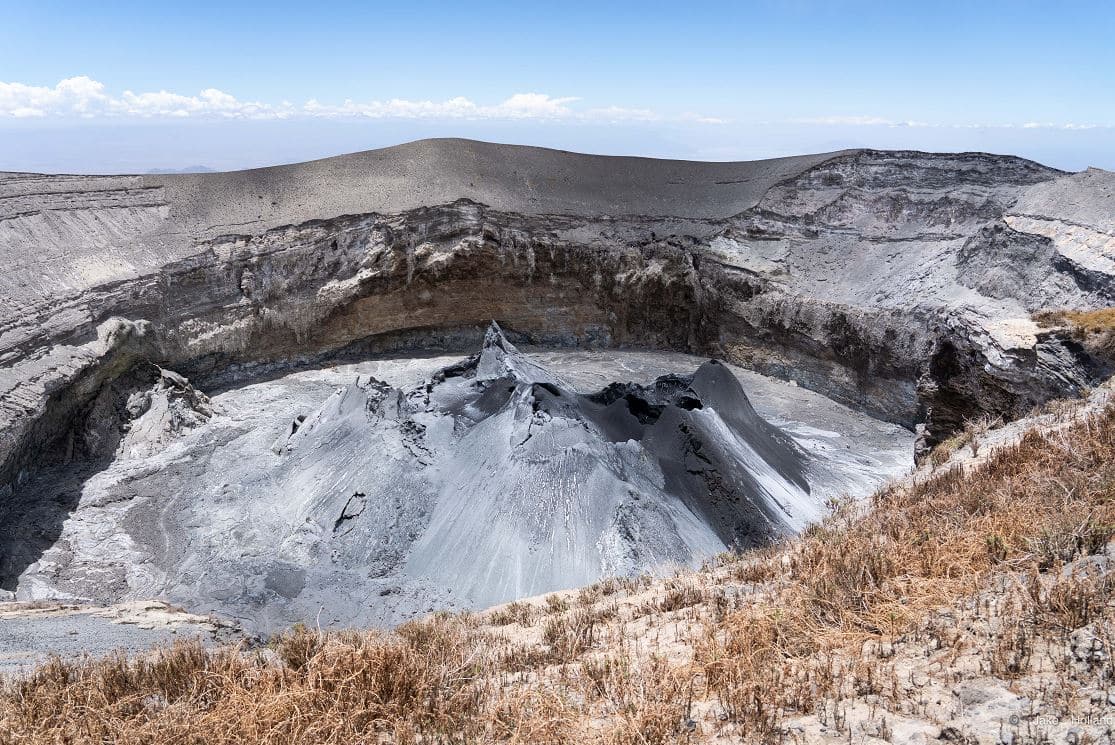 It's a unique experience to reach the summit and hear the crater rumbling. From time to time, a lava explosion adds to the spectacle. It's simply sublime. If you're looking for a guide, ask for Leio in the village of Engare Sero. He's great and knows the mountain like the back of his hand.
A few tips for visiting a volcano safely
Book a good, experienced guide: Before setting off on your journey to these giants, safety must be the priority. Each of these volcanoes offers a unique experience, but careful preparation is essential. Use experienced guides, like the ones recommended above, who know the routes, the changing weather conditions and the safety protocols. They'll tell you what equipment is needed and sometimes even provide it for you. Some volcanoes can be accessed without a guide, but I strongly recommend taking one. You'll avoid getting lost, you'll climb safely, and above all you'll be able to learn a lot about the volcanoes, the region and the local culture. It's really worth it. In some cases, taking a guide is mandatory. Find out beforehand.
Whether your journey takes you to the summit of Pico, the edge of Stromboli's crater, the skies of Teide or the far reaches of Eyjafjallajökull, explore the world's volcanoes with boldness and caution. Put safety first, and every climb will become a rewarding adventure.
Bring good equipment: Remember to equip yourself with hiking boots, hiking trousers, a jumper/fleece, a warm waterproof windbreaker with a hood, gloves, a beanie, walking poles, sunscreen, sunglasses… Bring plenty of food and water, remember to charge your phones, and in winter, bring crampons, an ice axe and warm clothing. And finally: don't set off without good travel insurance!
Enjoy! Volcano tourism transcends adventure. Every step towards the summit is a personal victory, rewarded with a stunning panoramic view. Whether you're a seasoned explorer or a novice seeking new experiences, let yourself be swept away by the magic of volcanoes.
Discover Tom's other adventures and tips in the "Travel and Adventures" feature
Ol Donyo photos © Tom de Dorlodot and Jake Holland. Other photos © Shutterstock