At a glance
Some things aren't allowed with an electric vehicle even though they are with combustion-engine cars. Which ones?
Are you the proud owner of an electric vehicle? That's great!
But have you read the vehicle's user manual carefully? Probably not...
Even so, we recommend taking the time to do it, because some things you can't do with an electric vehicle are perfectly possible with combustion-engine cars.
Below, our blogger Alain Dierckx gives us some examples of what is allowed, as well as what you should (absolutely) never do!
Dos and don'ts with an electric vehicle
Don't: leave the vehicle in a gear other than P while charging
A common mistake, especially among new electric car drivers, is not putting the car into park mode while charging (only possible on certain models). This should be avoided, as it blocks the charge and creates an error message that you need to deal with before you can continue.
Don't: push the car in the event of a breakdown
In the event of a breakdown or a flat battery, a four-wheel-drive electric vehicle should not be pushed over a long distance, as you might do with a petrol or diesel car.
Indeed, turning the wheels generates energy, and if you do this with an electric vehicle that is stationary due to a technical problem, in exceptional cases you risk damaging the electronics. Not all electric cars have a neutral gear (N), but if they do, it's possible to move the car a few metres to load it onto a tow truck, for example.
Some brands, such as Tesla, have a "transport mode" designed solely for loading the car onto a tow truck. The maximum speed to be observed in this mode is 5 km/h, and the maximum distance that can be covered is around ten metres.
Don't: touch the bodywork after a serious accident
After a violent collision, your electric car's chassis can be seriously damaged. This can be dangerous, as a deformed chassis can carry current from your battery to the bodywork. It's therefore best not to touch your car's bodywork after a serious collision. Keep the car key as far away from the vehicle as possible to avoid accidentally activating its systems.
Don't: fit an unsuitable tyre
The tyres of an electric vehicle are put under more strain than those of a fossil-fuel vehicle. The main reasons for this are the higher weight of the car they need to support (up to 700 kg) and the high pulling force mentioned above. If you need to replace a tyre, it's best to fit a type of tyre specifically designed for electric cars.
To avoid: using an extension cord for charging
An extension cord can disrupt the electric vehicle's power supply, cause overheating and lead to damage, or even a fire. If an extension cord is used regardless, it should be fully unwound.
To avoid: jump-starting with another electric vehicle
Using an electric car to jump-start another electric car isn't recommended, as it can damage the electronic system. Some brands explicitly mention this in their manual. It's better to leave the jump-start to breakdown services, who have specialised equipment.
Conversely, a combustion-engine car can help an electric vehicle if the latter's 12V battery (and not the lithium-ion battery!) is flat.
Whatever the case, if your vehicle is stranded due to a battery issue, we advise you to contact your assistance provider.
To do: how should you react in the event of an electric vehicle fire?
The lithium-ion batteries in electric (and hybrid) cars have built-in protection that shuts down the battery when it exceeds a certain temperature or is damaged.
Despite this safety system, it can happen – in very exceptional cases – that the battery catches fire when the safety system has been damaged in an impact.
A fire in an electric vehicle is very dangerous and shouldn't be put out in a single go. The fire can flare back up as long as the battery is hot. Currently, firefighters have few resources available for putting out this type of fire.
A fire coming from an electric vehicle is very dangerous. It can't be put out like any other fire, as it can flare back up as long as the battery is hot. Currently, firefighters have few resources available for putting out this type of fire. Immersion in a container is a complex operation and is no longer used frequently. Nowadays, the vehicle is generally covered with special fire blankets. Only firefighters and highly specialised towing and breakdown services can do this.
What to do in the event of an electric vehicle fire:
- Of course, avoid putting yourself or the vehicle's occupants in danger.
- If possible, park the vehicle as far away as possible from other vehicles, buildings, trees or vegetation, as the fire must not be allowed to spread.
- Turn off the engine immediately, apply the handbrake and put the gearbox into neutral. Leave the car, making sure to take the key that allows the doors to be opened and the car to be started remotely.
- Get everyone to safety (don't forget your high-visibility vests), call the fire brigade (112) and warn oncoming traffic.
- Also notify your assistance provider as soon as possible.
To do: activate "winter mode"
Electric cars have an enormous amount of pulling power available right from the start. As a result, driving on a snowy or icy road requires an adapted driving style. So be careful in the event of snow, ice or a slippery road.
Make sure you fit your winter tyres before the cold season, activate winter mode if it's available on your vehicle, and... avoid having a heavy foot.
To do: charge in the rain
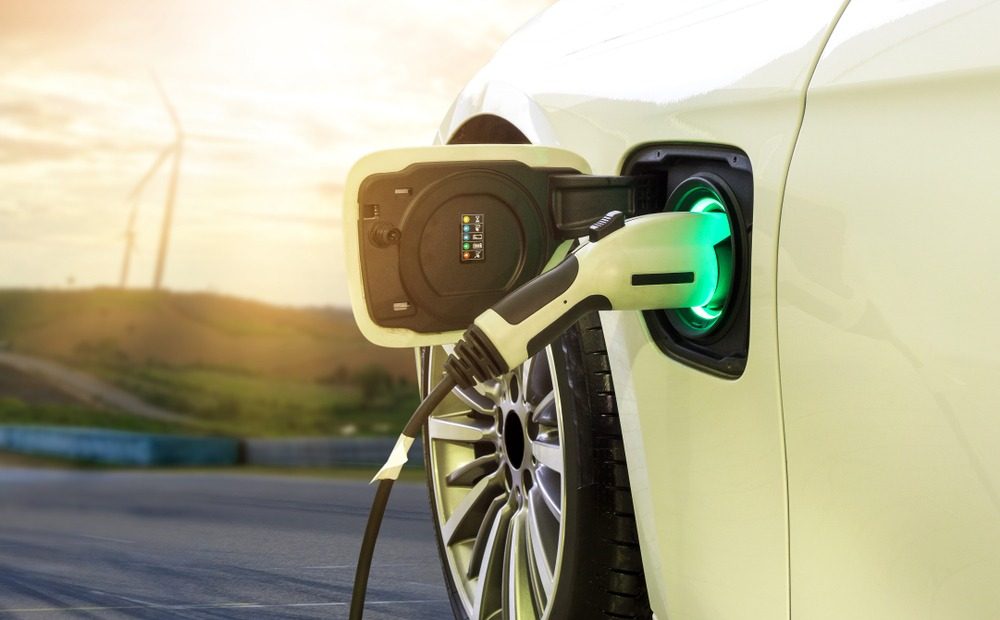
As the electrical plug is completely locked and secured onto your car's socket while charging, charging in the rain is completely safe.
Read our other articles on electric vehicles by clicking here.
First published: 07/2023 - Updated: 10/2023