At a glance
Driving a vehicle in the snow isn't easy, especially if you're not used to it. We give you about fifteen useful tips.
Driving a vehicle on a snow-covered road isn't easy, especially if you're not used to it. We give you about fifteen useful tips.
Driving on snowy roads in Belgium or abroad
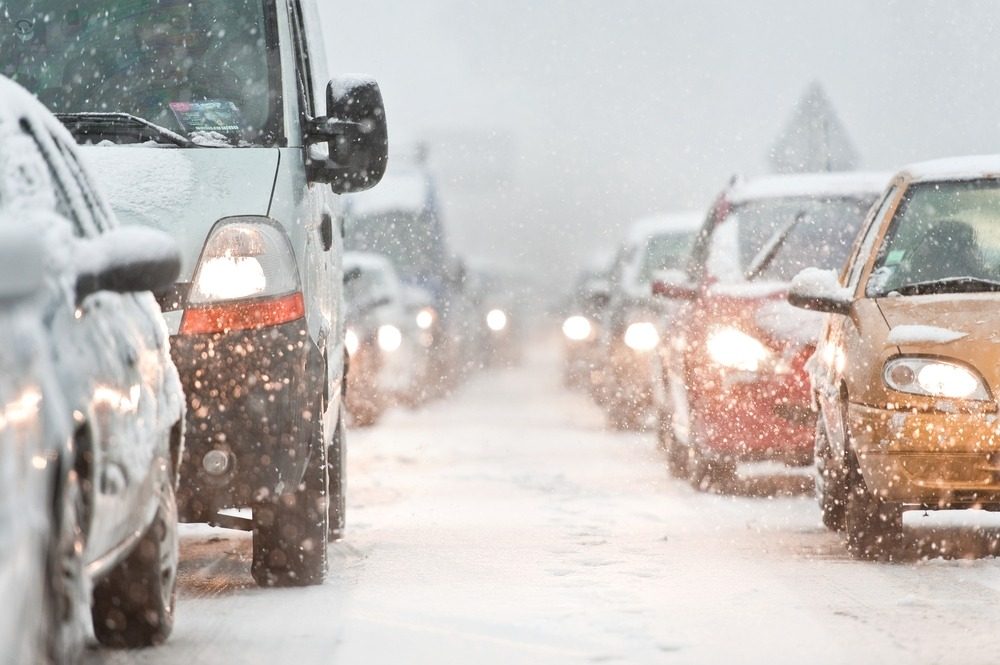
Every year, we face winter road conditions for a shorter or longer period, sometimes forcing road users to drive on snowy roads, whether in Belgium or abroad.
So what should you watch out for when driving in the snow?
15 useful tips for driving in snow
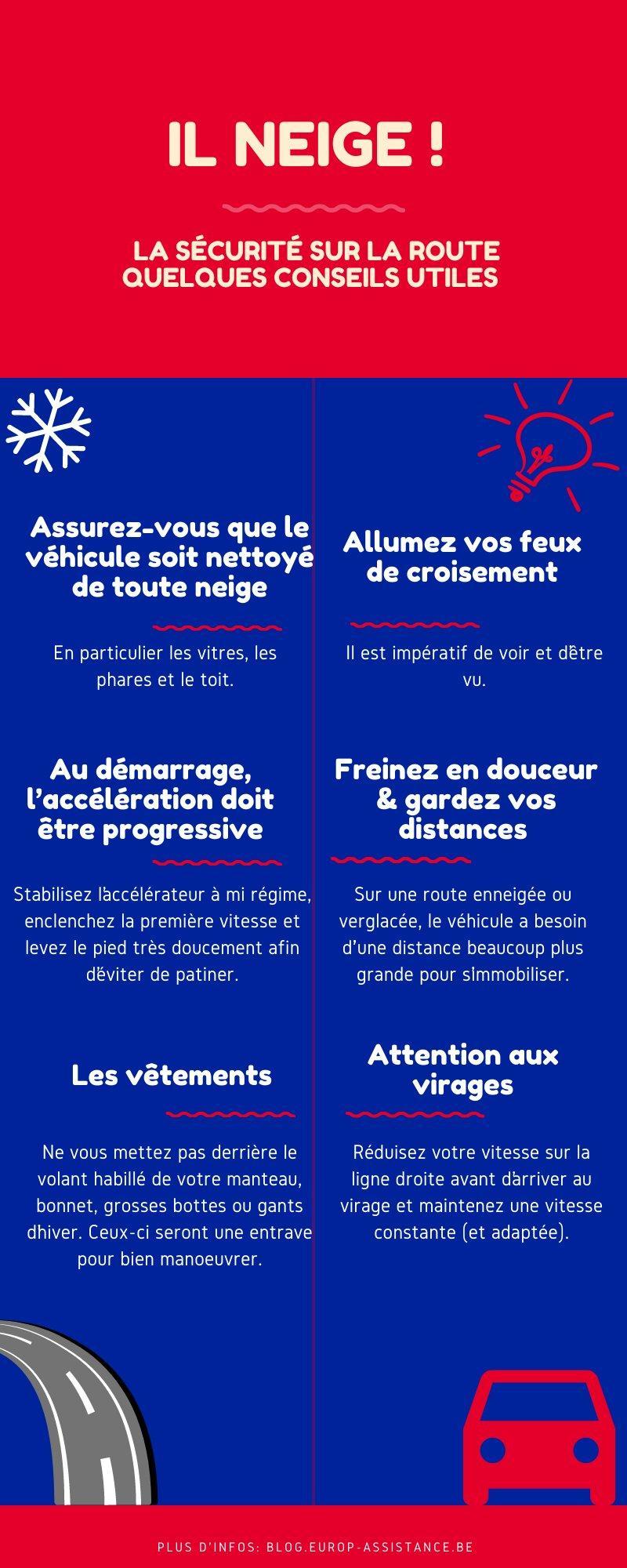
- Clothing: don't get behind the wheel wearing your coat, hat, thick boots or winter gloves. These will get in the way of manoeuvring properly and you won't feel comfortable. On top of that, you risk getting too warm once the cabin starts to heat up.
- Bear in mind that the safety systems found in most vehicles, such as ABS, ESP and other anti-slip systems, certainly offer greater safety to the driver under normal conditions, but don't guarantee safe driving or road handling suited to extreme conditions, such as snow or ice.
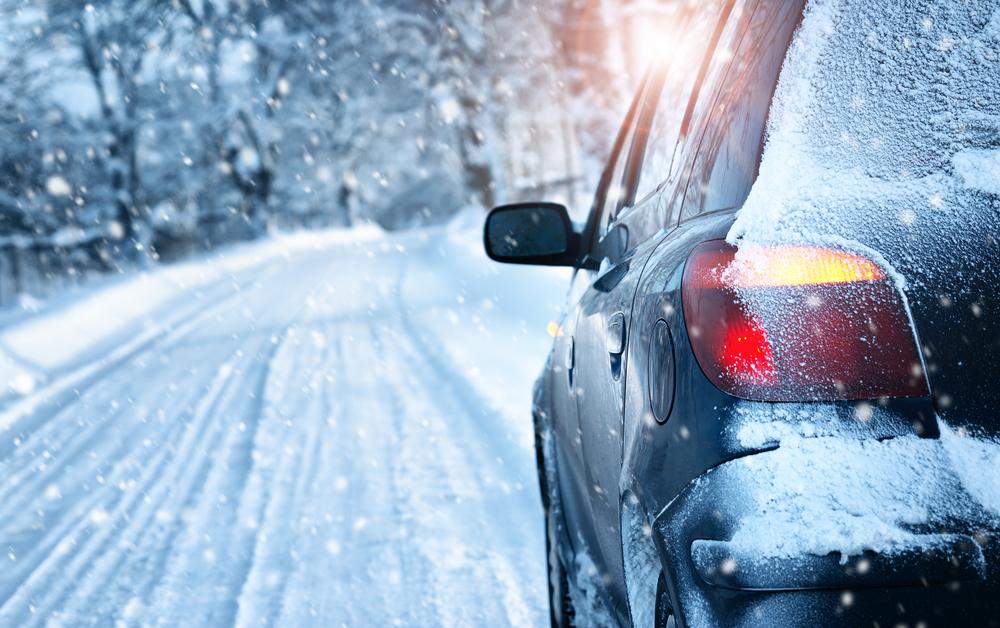 Before setting off, make sure the vehicle is cleared of all snow, particularly the windows, headlights and roof. Some people find it nice or spectacular to drive with a snow-covered roof, but the snow can slide onto the windscreen at the slightest braking and risks blocking the wipers. You can imagine the consequences…
- Turn on your dipped headlights: it's essential to see and be seen. Only set off once the windows are fully defrosted and demisted.
- When setting off, acceleration must be gradual. Stabilise the accelerator at mid-range, engage first gear (or second gear, if applicable) and lift your foot very gently to avoid wheelspin. Keep the wheels aligned with the car when setting off.
- Driving on a snowy road requires a lot of gentleness. The slightest sudden movement at the wheel, when braking or downshifting, can unbalance the vehicle.
- Keep your distance! Don't forget that on a snowy or icy road (even with winter tyres!) the vehicle needs a much greater distance to come to a stop.
- Brake gently, preferably using engine braking (by downshifting). In case of sudden braking, avoid staring at the obstacle; instead, look further ahead at a clear point on the road.
- While driving, shift up to a higher gear more quickly than you would on a dry road. For example, shift from second to third gear more quickly: your vehicle will spin its wheels less when accelerating.
- Never overtake someone slower than you if safety conditions don't allow it. Many collisions, skids and accidents happen when overtaking gritting/salting vehicles! Only overtake this type of vehicle if conditions allow (ideally when the road is neither icy nor snow-covered).
- Watch out for bends: reduce your speed on the straight before reaching the bend and maintain a constant (and suitable) speed while in the bend.
- You're not alone on the road, and you don't know how other road users will react. It's therefore essential to anticipate others' unexpected reactions and behaviour.
- If road conditions become too dangerous, for example during a heavy snowstorm preventing or limiting visibility, it's better to pull over onto the hard shoulder and turn on your hazard lights.
- Keep your mobile phone (charged) and your insurer's phone number close at hand. Stay calm, even if conditions become difficult.
- Follow the advice on preparing your vehicle for the winter season: bring the right equipment (scrapers, de-icer, etc.) and a blanket or warm clothing. See our article on "How to protect your car in winter" and our article on winter tyres and snow chains on this topic.
Also read the feature "On the roads in winter"