At a glance
Why drive on winter tyres? Is it mandatory in Belgium? What about other European countries?
Why drive on winter tyres?
Is it mandatory in Belgium?
What about other European countries?
Tyres are essential for guaranteeing your safety and that of other road users while driving.
So an under-inflated or over-inflated tyre can put your safety at risk. It will also affect your fuel consumption.
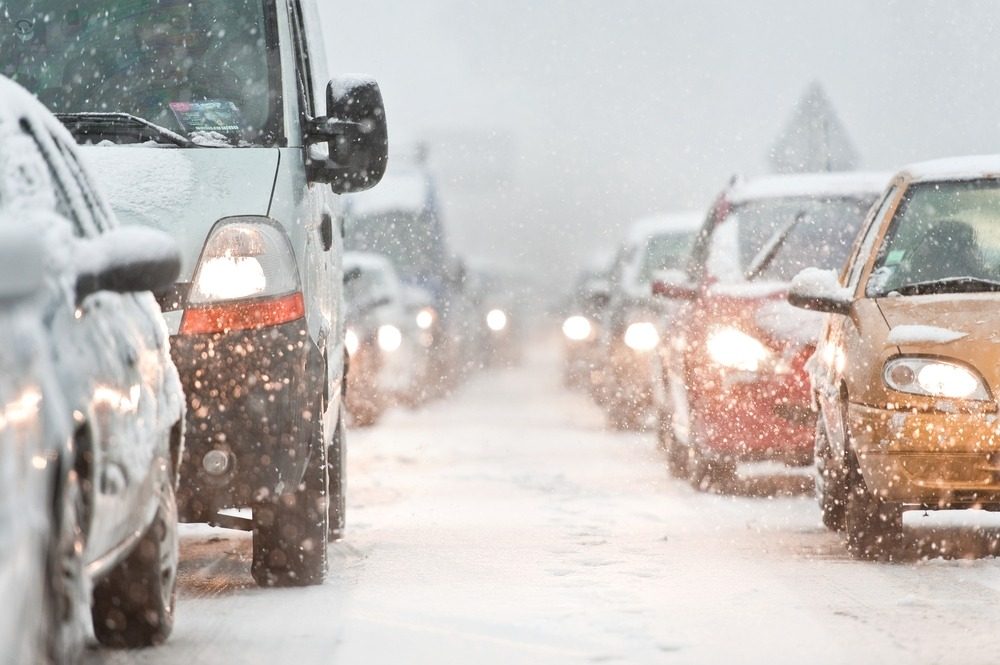
Winter conditions can also have a very negative effect on your vehicle's road handling, especially if you're driving on summer tyres.
Why use winter tyres?
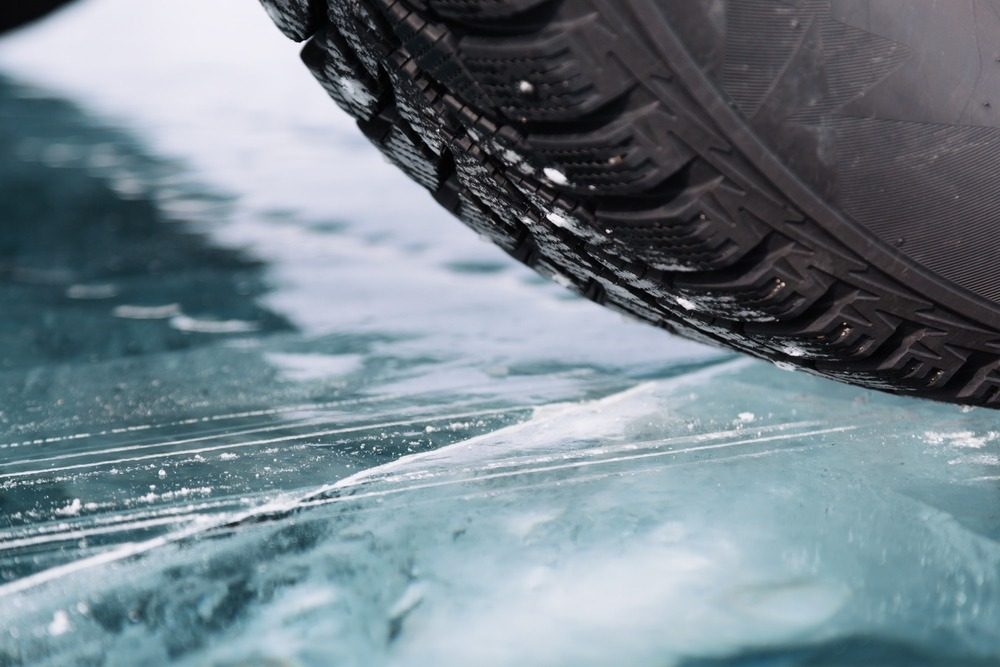
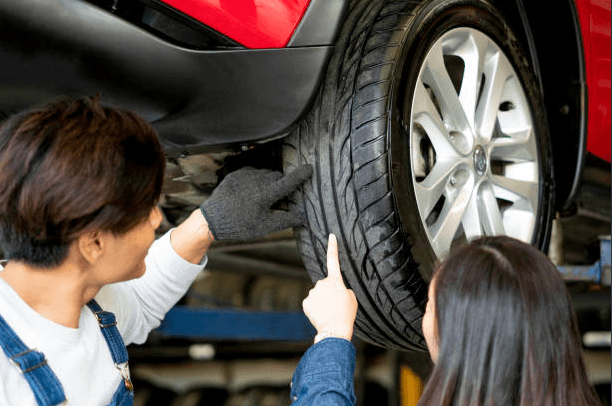 Below a temperature of 7°C, summer tyres lose their physical properties and no longer offer the same grip on the road. During the cold season, it's therefore best to swap your summer tyres for winter tyres (marked with a snowflake symbol on a mountain outline). These provide better road handling in winter driving conditions and considerably reduce braking distance, both on wet surfaces and snow-covered ones. Make sure your winter tyres have sufficient tread depth (4 mm) and aren't worn.
There are also "all-season" tyres. This type of tyre is becoming increasingly popular. However, according to tests carried out by regulatory bodies and consumer protection organisations such as Test Achats, this type of tyre performs less well than genuine winter tyres. "All-season" tyres are mainly recommended for year-round travel in urban areas, and less so on roads exposed to extreme weather conditions.
Please note:
- Don't forget to order your winter tyres in time. It's not uncommon for the first snowflakes to trigger a rush on retailers and, as a result, stock shortages.
- Don't confuse winter tyres with snow tyres. Snow tyres, as used in Scandinavian countries, are specifically designed for driving on snow-covered roads at very low temperatures.
- From October 2024, winter tyres on vehicles driving in Germany will need to carry the Alpine symbol (a symbol depicting a mountain). Having the M+S symbol on the tyres will no longer be enough.
In which countries are winter tyres mandatory?
- In Belgium, there is no obligation (yet) regarding the use of winter tyres. Winter tyres (with a lower speed rating than summer tyres) are permitted there from 1 October to 30 April. In the Netherlands, there is likewise no obligation.
- In Germany and the Grand Duchy of Luxembourg, winter tyres are mandatory in winter weather conditions (snow, slush, freezing rain, ice, frost, etc.), regardless of the calendar date. In Germany, from October 2024, winter tyres must carry a symbol depicting a mountain. Failing to comply with this rule can expose you to fines, or even the immediate immobilisation of your vehicle. What's more, you could be held liable in the event of an accident. These provisions also apply in Austria from 1 November to 15 April (use may be made mandatory outside this period in mountain areas by a road sign), in Norway (from 1 November to 1 May), in Sweden (from 1 December to 1 April), in the Czech Republic (from 1 November to 31 March).
- In France, in Italy, in Croatia and in Switzerland, tyres must be "suited to driving conditions." This means that in these countries too, you could be held liable in the event of an accident. What's more, winter tyres may be made mandatory on certain roads (mainly in mountain areas) by a road sign. Read the article "Snow chains", by clicking here. In Italy, the Aosta Valley requires winter tyres from 15 October to 30 April. The same applies to certain provinces in northern Italy, including Milan, from 15 November to 31 March.
- Winter tyres are mandatory (regardless of weather conditions) in Bosnia and Herzegovina (15/11 to Easter), Bulgaria (01/11 to 01/03), Estonia (01/12 to 01/03), Finland (01/12 to 28/02), Iceland (01/11 to 15/04), Latvia (01/12 to 15/03), Lithuania (10/11 to 01/04), North Macedonia (15/11 to 15/03), Montenegro (15/11 to 31/03), Romania (01/11 to 31/03), Serbia (01/11 to 01/04), Slovenia (15/11 to 15/03). Please note: outside these periods, it's often forbidden to drive on winter tyres, as they don't perform as well as summer tyres in high temperatures, particularly when it comes to braking distance.
Also read:
- Where and how to store your tyres?
- Under-inflated or over-inflated tyres: what are the risks?
- Snow chains
First published: 10/2014 - Updated: 11/2021