At a glance
How can you use less petrol or diesel? Our tips on speed, maintenance and tyres, driving in the city or on the motorway.
With the right habits, using less petrol is possible without changing your car. The savings can be substantial, which matters, especially when fuel prices are (very) high.
Whether you drive on petrol or diesel, in a car or on a motorbike, in the city or on the motorway, this guide presents the 15 most effective actions to reduce your fuel consumption.
15 tips to remember to reduce fuel consumption
- Drive smoothly. Anticipate slowdowns and avoid sudden acceleration and braking: in the city, aggressive driving can lead to up to 20% extra fuel use;
- Drive between 50 and 80 km/h when possible and allowed. This is the optimal efficiency range for most vehicles;
- Reduce your speed on the motorway. A 10 km/h reduction saves 1 to 3 litres over 500 km;
- Keep an eye on engine RPM: around 2,500 rpm for petrol engines and 2,000 rpm for diesel engines;
- Switch off the engine as soon as you stop for 30 seconds. If your vehicle isn't equipped with Stop & Start, get into the habit of doing it manually. Indeed, an engine left running even while stationary uses around 0.8 L per hour!
- Check tyre pressure every month. A tyre underinflated by 0.5 bar can cause 2.4% extra fuel use. Read our article on this topic on overinflated or underinflated tyres;
- Stick to the service schedule. A poorly maintained engine can also lead to higher consumption;
- Anticipate traffic lights and obstacles. Easing off the accelerator in time avoids a complete stop followed by pulling away again, two fuel-hungry operations;
- Avoid short cold trips. Over the first two kilometres, a cold engine uses 30 to 35% more fuel.
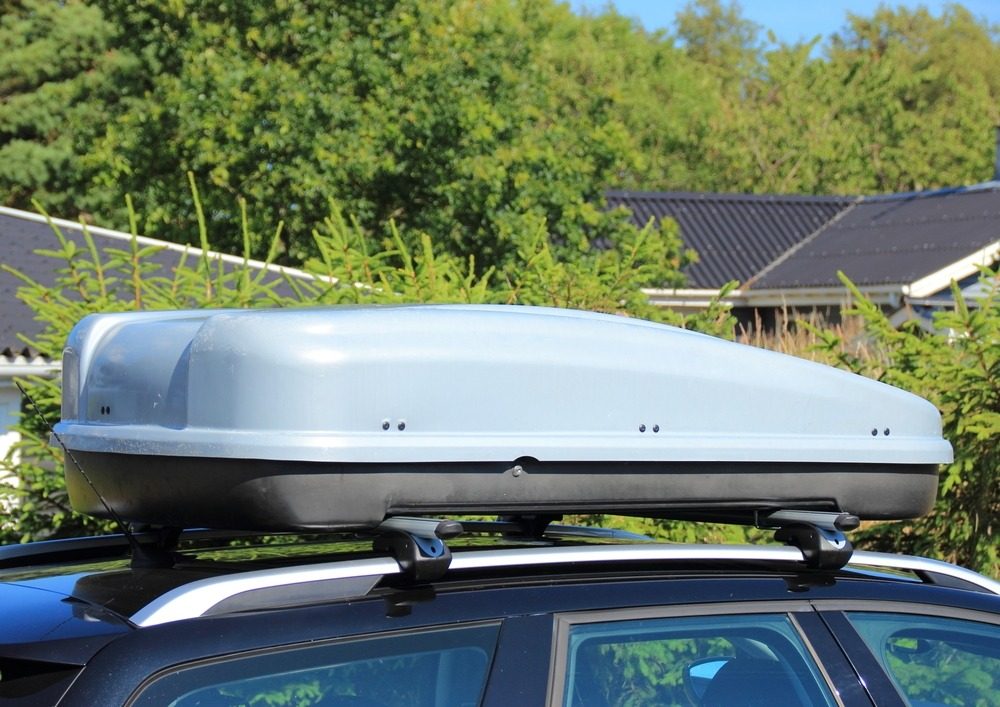
- Remove the roof box and bike rack when not in use. These accessories can cause 10 to 20% extra fuel use, even when empty.
- Lighten your boot. Only carry what you need, since every extra kilogram weighs on your journeys;
- Manage air conditioning. It increases consumption by 1 to 7%: air out the cabin before switching it on;
- Use cruise control on the motorway. It maintains a steady pace and avoids the small speed variations that drain the tank;
- Check the real-time consumption display. It's a concrete tool for constantly adjusting your driving;
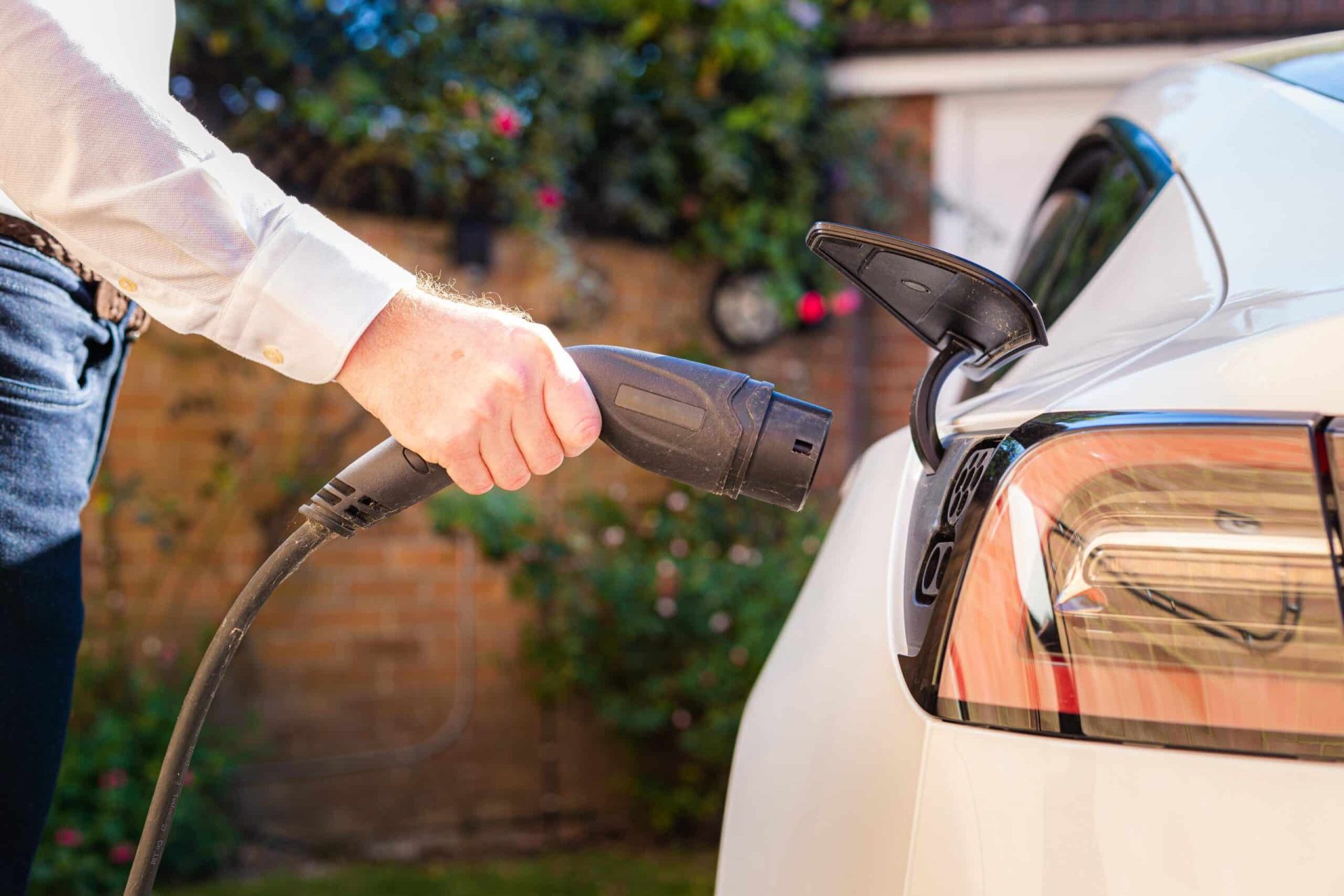
- Consider LPG, E85 or electric if you're changing vehicles or want to switch to dual-fuel: the long-term savings are significant.
Driving differently, the fastest way to use less petrol
The way you drive can, on its own, make a very significant difference to your fuel consumption depending on the situation. It's the most accessible lever because it can be put into practice immediately, at no cost. It's also one of the main pillars of eco-driving, which has benefits well beyond the pump.
Anticipate to avoid braking and drive smoothly
Sudden acceleration and braking are the main culprits behind excess fuel use. Braking abruptly means "burning fuel" to reach a speed that you then dissipate as heat. The goal is to keep as steady a speed as possible by:
- looking far ahead;
- anticipating slowdowns;
- letting the car decelerate using engine braking rather than slamming on the brakes at the last moment.
In the city, aggressive driving can increase fuel consumption by up to 20% compared to smooth driving: keep that in mind!
What speed uses the least petrol?
The optimal range for most vehicles is between 50 and 80 km/h. Beyond that, aerodynamic drag increases rapidly with speed.
On the motorway, reducing your speed by 10 km/h saves between 1 and 3 litres over a 500 km trip depending on the engine, for a time loss of just a few minutes. And in built-up areas, the temptation to drive fast between two traffic lights should be resisted: the energy spent accelerating is lost at the next braking point, with no real time saved.
Keep the engine speed low in RPM
For manual gearboxes, shift up as soon as you reach 2,500 rpm for petrol engines and 2,000 rpm for diesel engines. An engine running at high revs uses more fuel than the same engine at low revs in a higher gear.
Switch off the engine as soon as you stop for 30 seconds
An idling engine uses fuel unnecessarily.
The practical rule is therefore to switch off the engine as soon as a stop lasts more than 30 seconds, if the car isn't equipped with a Stop & Start system that does it automatically. In a traffic jam, a queue, or while loading, this habit is easy to pick up. In fact, beyond 10 seconds of stopping, it's more economical to switch the engine off and on again than to leave it running continuously.
Reduce your fuel consumption through good maintenance
A poorly maintained vehicle can use up to 25% more fuel. This is often the most underestimated source of savings, because the deterioration is gradual and invisible. Regularly checking a few key points is fortunately enough to avoid it, especially if you prepare your car for winter.
Check tyre pressure every month
A tyre underinflated by 0.5 bar can lead to 2.4% extra fuel use. A tyre that's losing air actually needs more energy to get moving, wears out faster, and can lead to a blowout.
The risks linked to poorly inflated tyres therefore go well beyond fuel consumption, as they directly affect your safety. The recommended pressure is shown on a label inside the driver's door or in the vehicle's manual. Always check when the tyres are cold (less than 5 km driven), and for long, loaded trips, apply the pressure specified by the manufacturer for that specific case.
Remember regular servicing of the air filter, spark plugs and oil
The components most closely linked to fuel consumption are:
- The air filter. When clogged, it deprives the engine of oxygen and degrades combustion. A clogged air filter alone accounts for 3% extra fuel use;
- Spark plugs. When worn, they cause misfires and a measurable increase in consumption;
- Engine oil. When degraded, it increases internal friction and the load on the engine.
In this context, stick to the service intervals recommended by the manufacturer, even if your car seems to be running normally.
How to use less petrol in the city?
To put it simply: anticipate traffic lights and avoid cold starts. Urban driving uses the most petrol per kilometre travelled, for two reasons: over the first two kilometres, a vehicle uses 30 to 35% more fuel because the engine is running cold, and repeated stopping and starting wastes kinetic energy.
To reduce your fuel consumption in built-up areas:
- Anticipate traffic lights. Watching lights from a distance and easing off early avoids a complete stop followed by pulling away again. This is the most cost-effective habit in the city;
- Avoid rush hour. Traffic jams multiply stop-start phases, which are particularly costly. Shifting your departure time slightly can therefore make a difference, if you're able to;
- Replace short trips. For journeys under 2-3 km, cycling or walking avoids the cold warm-up phases and preserves the engine as much as the tank.
How to use less petrol on the motorway?
On the motorway, three factors affect your consumption: speed, aerodynamics and air conditioning. Here are a few levers to master to look after your wallet:
- A 10 km/h reduction saves 1 to 3 l over 500 km. Tip: reduce your speed, use cruise control;
- A roof box or roof rack causes 10 to 20% extra fuel use. Tip: remove it as soon as it's not in use;
- Using air conditioning can cause 1 to 7% extra fuel use. Tip: air out the cabin first and limit temperature differences;
- Overloading the vehicle creates extra fuel use proportional to the weight. Tip: only bring what's necessary.
Cruise control or the speed limiter, when the vehicle has one, are also valuable allies. They prevent you from unintentionally exceeding the limit and keep a genuinely steady pace, which is good for avoiding both excess fuel use and fines.
Using less diesel: what's different compared to petrol
For diesel engines, the same principles apply, but the gear-change threshold is lower and short cold trips are more costly.
Diesel particulate filters need high temperatures to work and regenerate properly. Repeated short trips in the city therefore clog them prematurely, increase consumption and can lead to significant repair costs.
That said, be aware that some premium diesel fuels contain detergent additives that limit injector fouling, a factor that shouldn't be overlooked for reducing excess fuel use in the long run. Your fill-up will probably cost a little more, but it will space out much higher maintenance bills.
Summary: 15 ways to use less fuel
Driving:
• Smooth driving, anticipating traffic lights and slowdowns
• Speed reduced by 10 km/h on the motorway
• Gear changes at the right RPM
• Switching off the engine as soon as you stop for 30 seconds
Maintenance:
• Tyre pressure checked every month
• Regular servicing (air filter, spark plugs, engine oil)
• Premium fuel for diesel to protect the injectors
Lightening the load:
• Removing unused roof accessories
• Boot cleared of unnecessary items
Route:
• Avoiding rush hour in the city
• Short trips replaced by cycling or walking
• Departure time shifted to avoid traffic jams
Equipment:
• Air conditioning managed (air out before switching on)
• Cruise control on the motorway
• Real-time consumption display
LPG, E85, electric and hydrogen: alternatives if you're considering changing vehicles
This guide focuses on the savings achievable with an existing combustion vehicle. But if you're considering a change, several alternatives are worth looking into:
- LPG (liquefied petroleum gas) is significantly cheaper at the pump than petrol. Some petrol vehicles can even sometimes be converted using an approved kit;
- E85 bioethanol is compatible with many recent petrol engines, either natively or via a flex-fuel kit. Consumption by volume is slightly higher, but the cost per litre is much lower;
- Hybrids and electric vehicles are the natural next step in a sustainable fuel-reduction approach;
- Hydrogen is also developing fast. Our article hydrogen cars, the future of mobility? looks at this emerging technology.
Drive better, drive with more peace of mind
Using less petrol means driving differently, with more anticipation, more consistency, and rigorous maintenance. And yes, the savings added up over a year can amount to a nice sum!
But on the road, beyond the financial question, your safety is also something to take into account. A breakdown, an accident or a health problem during a trip can turn an ordinary journey into a crisis situation. Whether you're in a car or on a motorbike, checking that your car insurance is suited to your use is also a form of good management.
Redion is available 24/7 in the event of a breakdown, accident or medical emergency.
FAQ: your questions on reducing fuel consumption
The three most effective levers are smooth driving, tyre pressure and lightening the vehicle. By adopting fluid driving that anticipates slowdowns, checking tyre pressure every month and removing unnecessary accessories (roof box, heavy items in the boot), you can significantly reduce your consumption with no other investment.
First published: 10/2014 - Updated: 05/2026