At a glance
Discover 7 useful tips and checks to prepare your car for winter: suitable tyres, battery, headlights, anti-freeze windscreen wash and more.
In autumn, it's a good idea to carry out a few essential checks so you can get through winter safely and without a hitch. Do this before the first big cold snap.
In this article, we give you 7 useful tips and checks to prepare your car for winter: winter tyres, battery check, headlight adjustment, cold-weather starting, anti-freeze windscreen wash, protecting seals, and checking your wipers.
7 things to check so you can drive with confidence
1. Drive on winter tyres
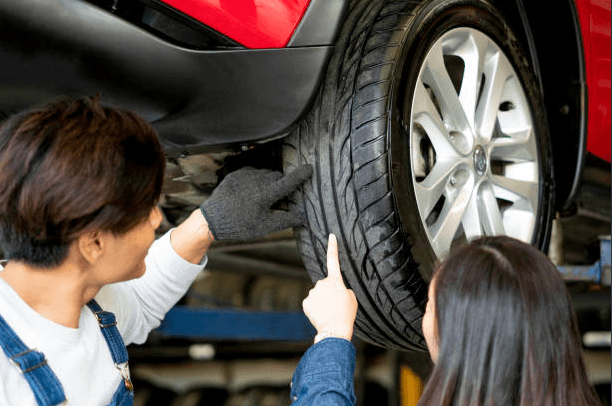
As soon as temperatures drop, it's advisable to fit winter tyres. Indeed, their grip on the road in winter conditions is optimal, giving you greater safety.
A winter tyre has tread patterns specially designed to grip better in snow. If this tread is clogged or worn, the tyre will have poorer road-holding.
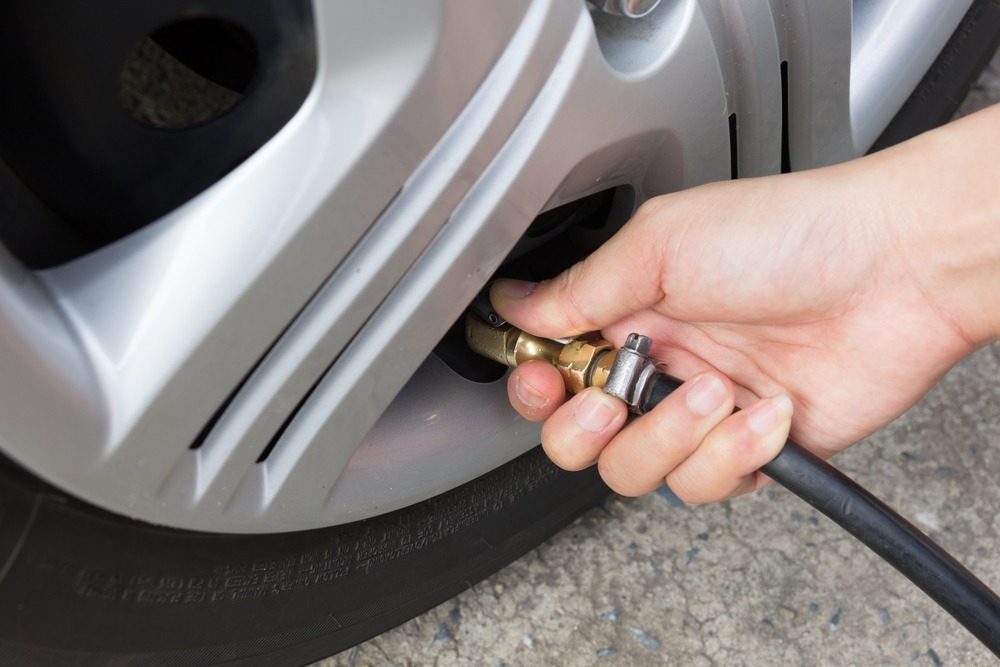
A small tip: check your tyre pressure at least once a month, when the tyres are cold. A warm tyre contains warm air. It can therefore be more "expanded", which can throw off the pressure reading. For more information on tyres, read our article: "Underinflated or overinflated tyres. What are the risks?"
Did you know? When fitting second-hand tyres, it's important to check a few key details, such as their production date. This might seem tricky to read, but it's actually very simple. Professionals recommend that a tyre shouldn't be used for more than 6 years, although this can vary depending on how it was stored. Read the article that explains in more detail the ideal way to store tyres: "Where and how should you store your tyres?"
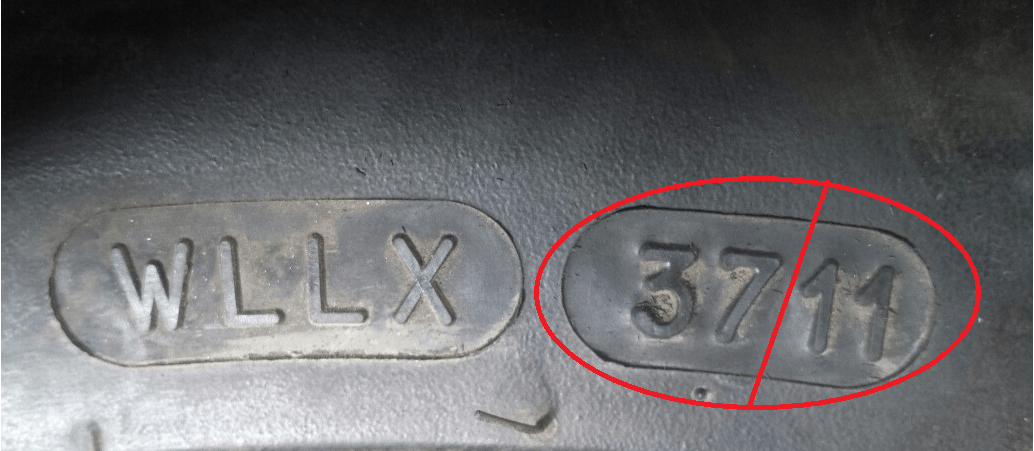
For example: 3711 -> This tyre was made in the 37th week of 2011
2. Check your battery
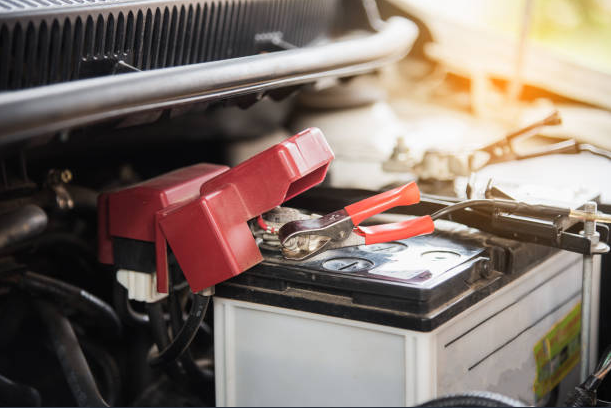 If you have a low-voltage battery (a traditional battery), ask your garage to test whether it's in good enough condition to get through winter. Read the article "How can you avoid a flat car battery?"[](/upload/blog/2019/10/Batterie.png)
More and more vehicles are fitted with technological tools that can be plugged directly into the battery. Mishandling could create a short circuit in these components. So avoid recharging the battery yourself and call on your assistance provider instead.
Tip: To make it easier to start your car after a cold night, it's a good idea to switch off all electrical components (radio, sidelights, heating, headlights, etc.) when you start the engine. That said, to help with the first start, and if the car hasn't already done it automatically, turn your headlights on for a few seconds and then off again. This will "wake up" the battery.
One last tip: start the engine with the clutch pedal pressed down. This will disconnect the engine from the gearbox, making it easier to start.
If your car won't start after a few attempts, don't force it! Wait a moment and try again after a few minutes.
The battery can be thought of as the heart of the car. With a weak battery or a dead one (flat), the vehicle won't start! The battery is affected by sub-zero temperatures just as much as the engine. When it's cold, the engine needs a lot of energy from the battery in order to start.
A simple way to tell if your battery is coming to the end of its life is to use a small device that plugs into the cigarette lighter socket and measures the battery's voltage. Note that a healthy battery reads around 12.4 volts at rest and 14 volts with the engine running.
3. Check your car's headlights
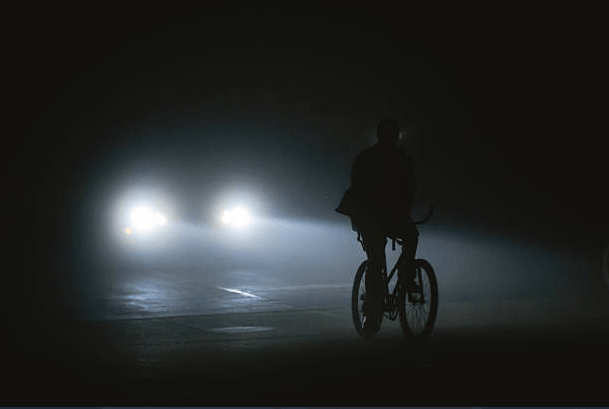 The switch to winter time means darkness falls earlier. As a result, it's essential to have your headlights in good working order so you can see, and be seen, properly. Regularly check the condition of your headlights by walking around your vehicle.
At the same time, check the positioning and adjustment of your headlights. It's better to light up the road than to dazzle the driver coming towards you!
For cyclists, pedestrians and other vulnerable road users: increase your visibility too. Check the lighting on your mode of transport and equip yourself with small lights, reflective strips, a hi-vis vest, etc., so you can be seen and avoid the risk of an accident.
Also read the article Dipped headlights: the rules
4. Start your car properly
In cold weather, there's no need to let your engine idle for several minutes. On the one hand, it's not good for the engine, and on the other, it only increases your fuel consumption and the vehicle's pollution. In fact, leaving the engine running for a long time while stationary is against the law and can result in a fine.
The best way to quickly warm up your engine (and the vehicle) is simply to drive. That said, before setting off, take the time to clear your windows of any ice or condensation.
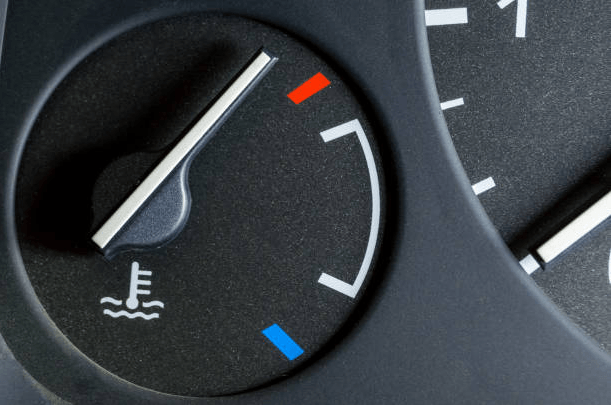
Drive the first few kilometres gently: a cold engine doesn't like to be pushed hard. A warm engine shouldn't exceed a temperature of 90°C to run at its best. This temperature is shown on the dashboard via the temperature gauge. On some cars, there's no temperature gauge display. In that case, allow around ten minutes on average for your engine to warm up.
5. Use anti-freeze windscreen wash
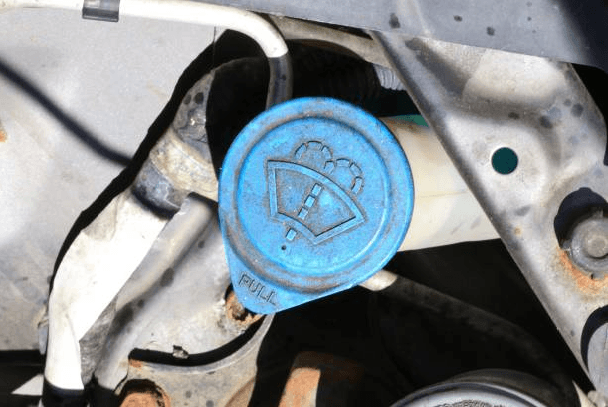 To avoid unnecessary costs, if your vehicle is topped up with windscreen wash that has no anti-freeze in it before the first frosts hit, start using it up by using it every day. This will empty the reservoir, and clean your windscreen at the same time. Once it's empty, refill it with fluid suited to winter.
Supermarkets, petrol stations and specialist shops sell ready-to-use fluid in large bottles, or a concentrate "to be diluted". The latter comes in smaller, more convenient bottles. If you go for these, be sure to follow the instructions for use and don't use it undiluted.
6. Protect your doors from the first frosts
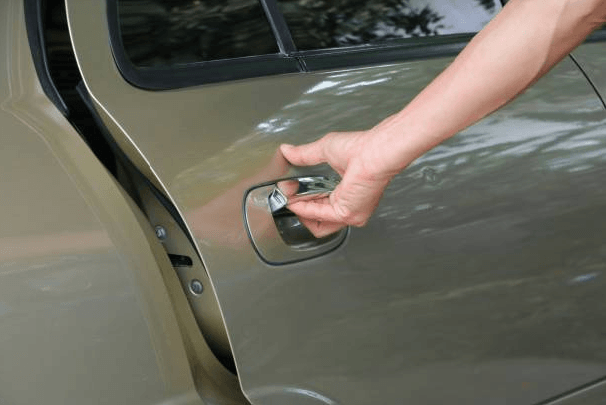 To avoid frozen doors, it's a good idea to grease the rubber seals on the doors and boot. Use balms or silicone grease sprays designed for this purpose. A very thin layer is enough to keep you covered all winter long, and saves you extra cost and hassle.
7. Take care of your wipers
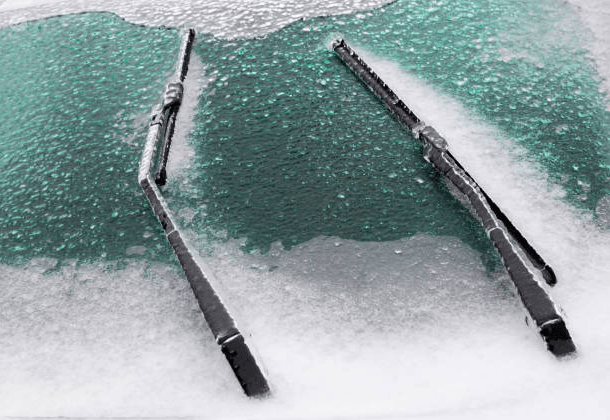
Are your wipers starting to clear water poorly, or leaving streaks on the windscreen?
Don't panic: clean them using a cloth and by running the windscreen wash. If the result is still disappointing, don't hesitate to replace them.
Wipers in good condition ensure good visibility, and are therefore a matter of safety.
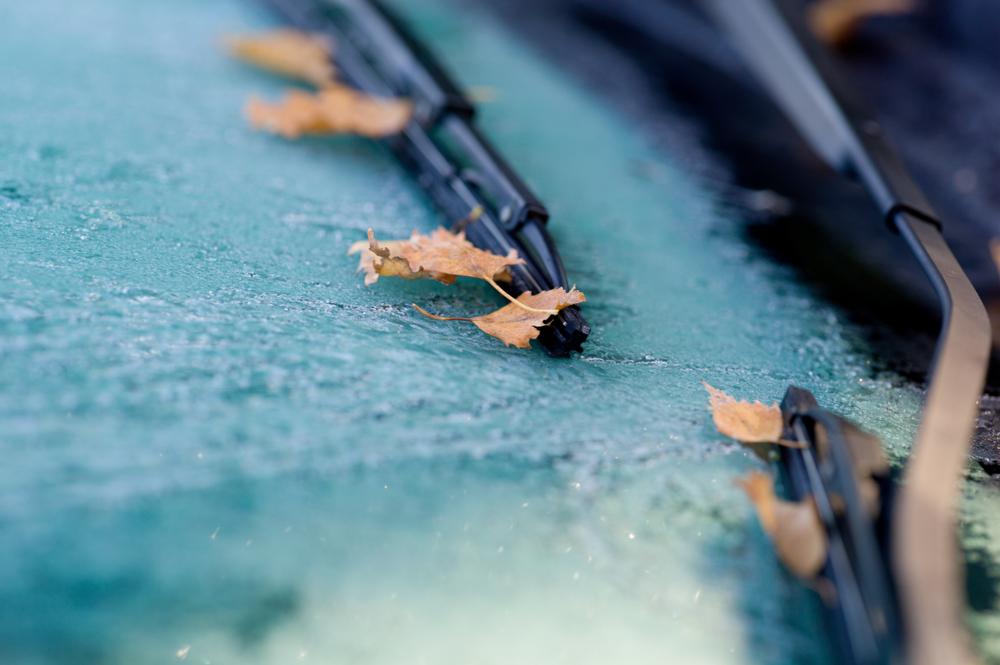
To protect them, avoid letting them come into direct contact with the windscreen during frosty spells. Place an object, such as one or more corks, between the two surfaces to prevent the glass and the blade's rubber from touching.
Above all, never use your wipers to remove frost or snow from your windscreen! The weight of the snow could bend the blades. Instead, go for the good old scraping method.
And finally...
Unfortunately, a small problem or breakdown is never entirely out of the question. So make sure you're properly covered by choosing good insurance for you and your vehicle.
Safe travels!
Also read:
-Driving on winter tyres
-How can you protect your car in winter?
First published: 10/2019 - Updated: 11/2025