At a glance
How do you choose what to eat when travelling off the beaten track in a faraway country? Tom de Dorlodot shares his tips.
How do you choose what to eat when travelling in a faraway country?
What about when you go off the beaten track?
Tom de Dorlodot shares his best tips with us.
© John Stapels
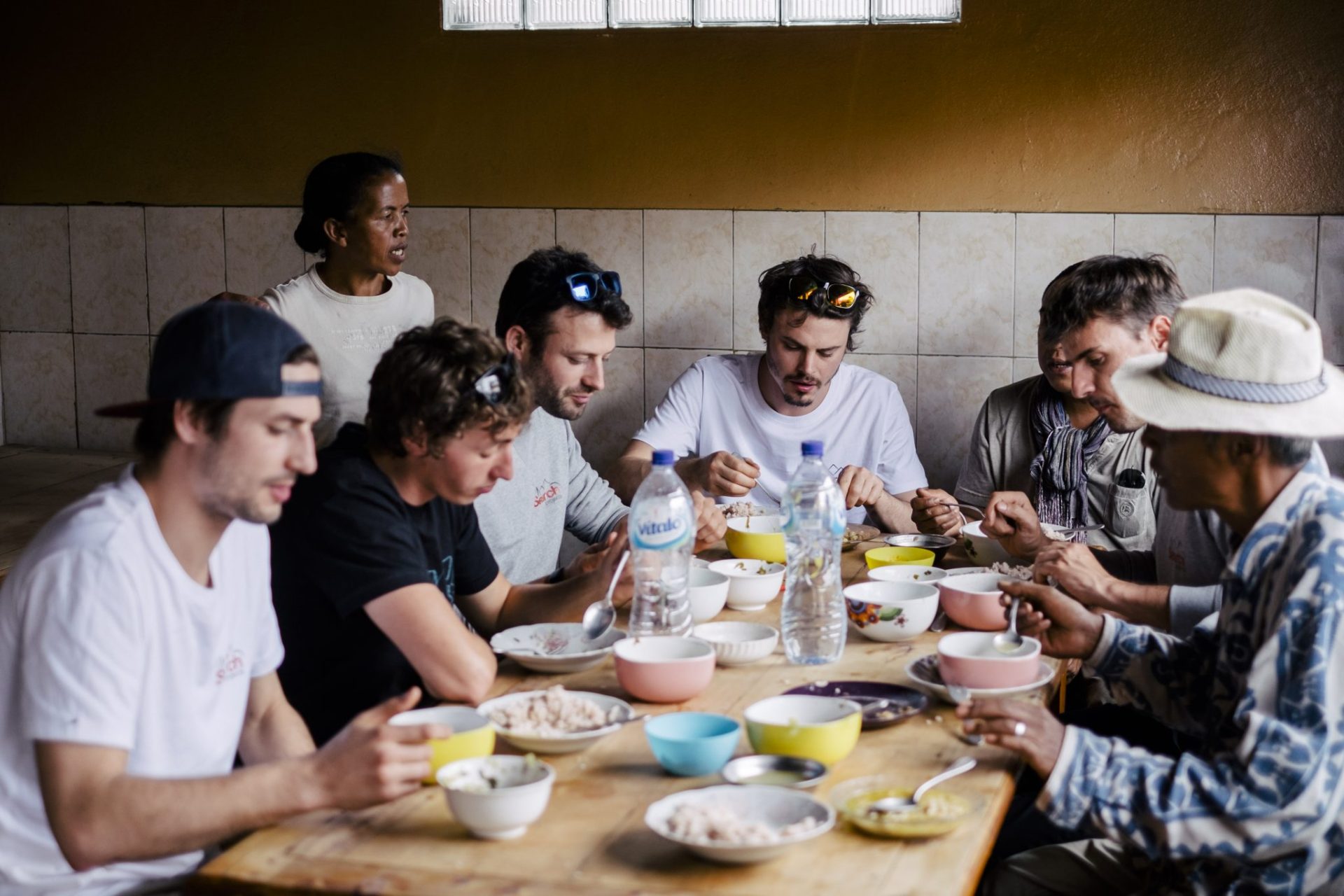
I regularly hear friends say about their trip: "I was unlucky, I got sick right in the middle of our trip… I probably ate something dodgy?!"
And when you dig a little deeper, you quickly realise that this bad experience could probably have been easily avoided.
From sheep's eyes to goat tripe
When it comes to "caution", I'm not exactly a good example, since I've tried almost everything: sheep's eyes in Pakistan (which I strongly advise against, by the way), yak butter in Nepal, goat tripe in Kenya, moray eel in the Marquesas Islands, saltwater crocodile in Malaysia, guinea pig in Peru, and so on… I've followed hunters through many of the world's forests and have had the chance to fish just about everywhere on my various trips. As I write these few lines, I'm on our sailboat Searchprojects in the Canary Islands, and I've just finished a sea bream cooked on the plancha, speared with a harpoon a few hours earlier. Nothing beats fresh fish… ;-)
Upset stomachs and traveller's diarrhoea
I love eating "local" and I often drink water from streams or springs when I don't have any other option. Like everyone else, unfortunately, I've been sick a few times. During an expedition in the Himalayas, I lost 11kg in 8 days, stuck in a tent at the foot of a high mountain pass, after eating spoiled chicken. Still, I've learned from my mistakes and would like to share some good tips with you. It's such a shame to ruin a great trip because of a meal that goes down (very) badly…
Basic tips for any traveller
© John Stapels
- Water: The number one "source" of trouble is water… Abroad, you should avoid drinking tap water. Also be careful with ice cubes, which are usually made with questionable water, and ice lollies, which carry a similar risk. If in doubt, there are filters that work well, or tablets (such as "micropur") that can disinfect water. If you don't have any other option, I'd recommend tea, since it's less risky once the water has been boiled… and it's delicious! Drink bottled water (and check that it's properly sealed when you buy it), or make sure the tap water is treated and even filtered or boiled.
- Raw food: You should avoid eating risky raw foods such as fish, shellfish, fruit salads, diluted fruit juices, or even rare meat… The cold chain isn't always respected! It's often a matter of common sense. To put it bluntly: "Avoid eating a plate of mussels in the middle of the Mongolian plains, or beef tartare in the heart of the Sahara…"
- Dairy products: Also avoid unpasteurised dairy products and ice cream. Of course, it's very tempting, but it's also fairly risky.
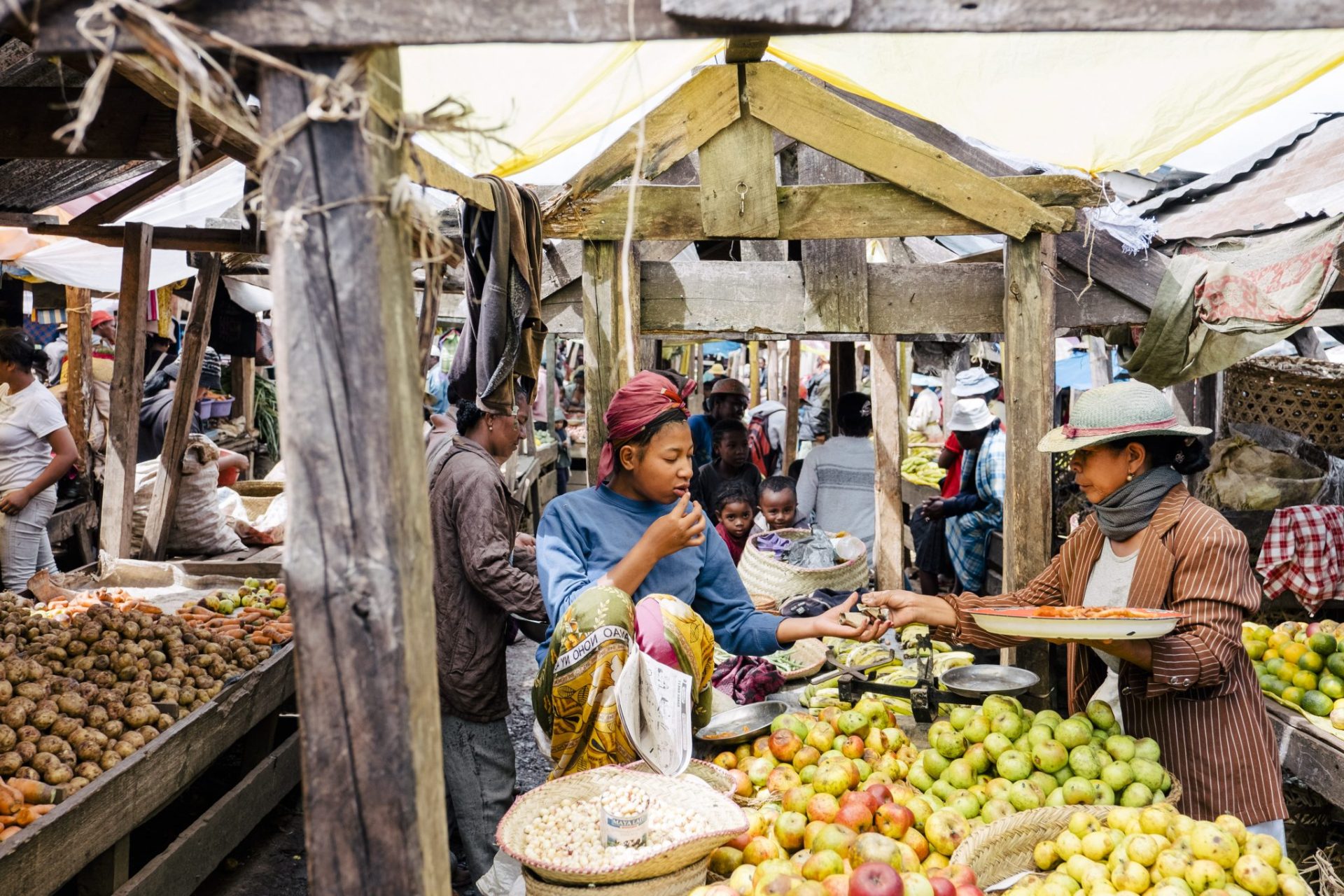
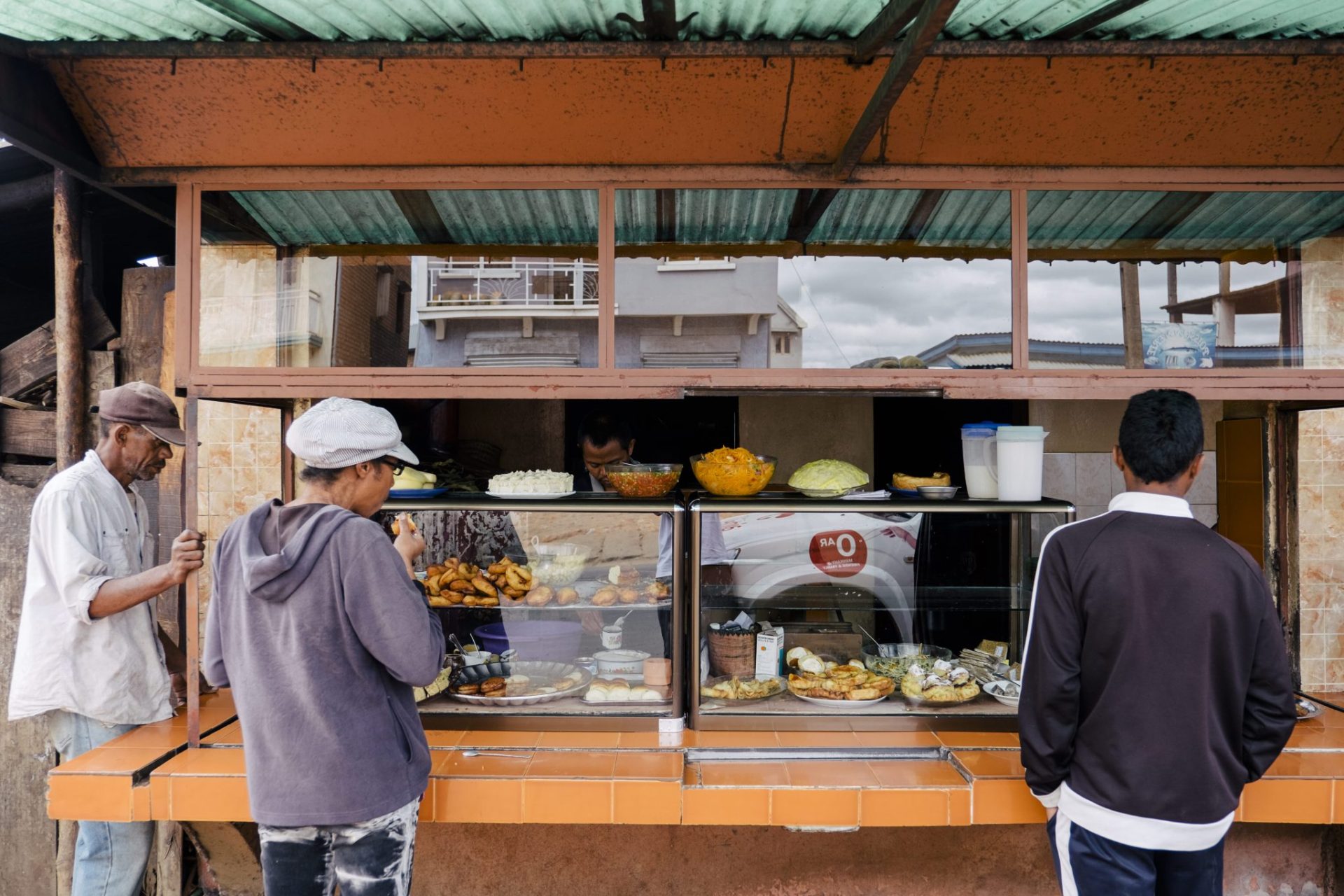
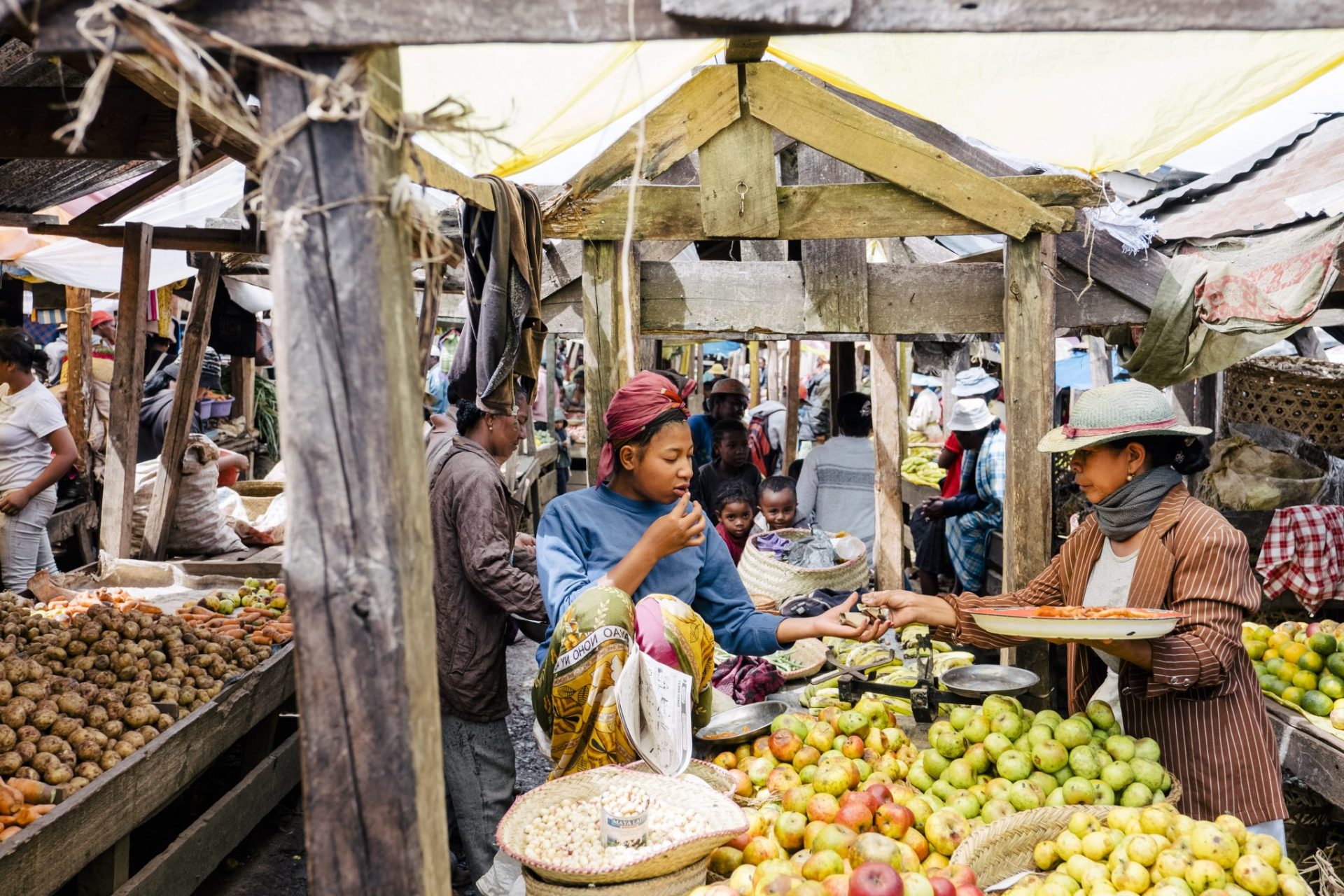
- Street food: Street food can sometimes be a dream, but it can also be a nightmare. The food is displayed on an open-air stall, exposed to heat, flies and other insects. If you can't resist, choose your stall carefully. Often, going for the one with the most visitors turns out to be the best option!
- Also read the article "Travelling without traveller's diarrhoea"
A few good tips and tricks
- Wash your hands before eating! That goes for home, and even more so abroad. It's the best precaution against quite a few problems. Whether with good soap or hand sanitiser, it's a really good habit to have. Here's how to wash your hands effectively.
© John Stapels
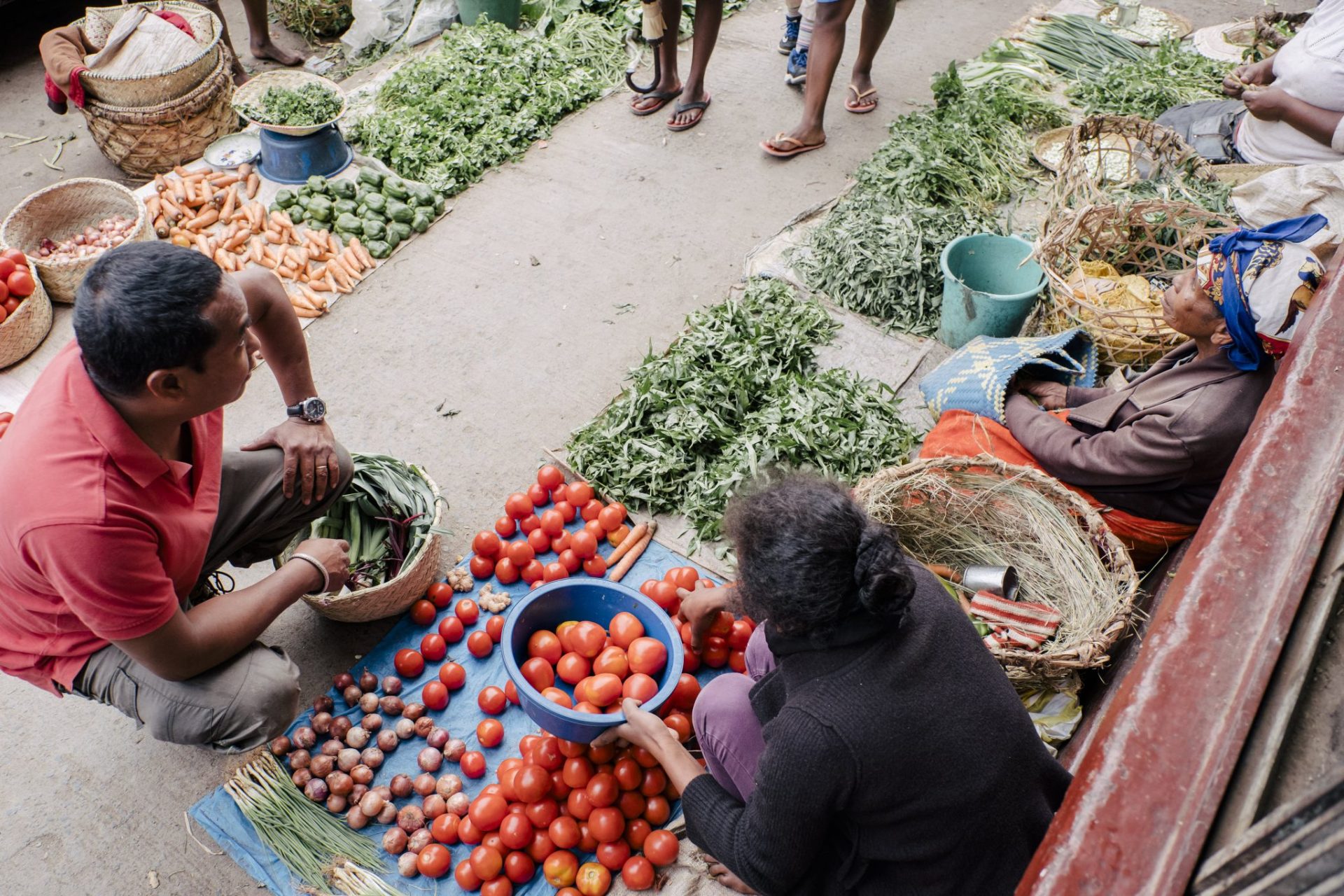
- Eat well-washed fresh fruit (and ideally even peeled).
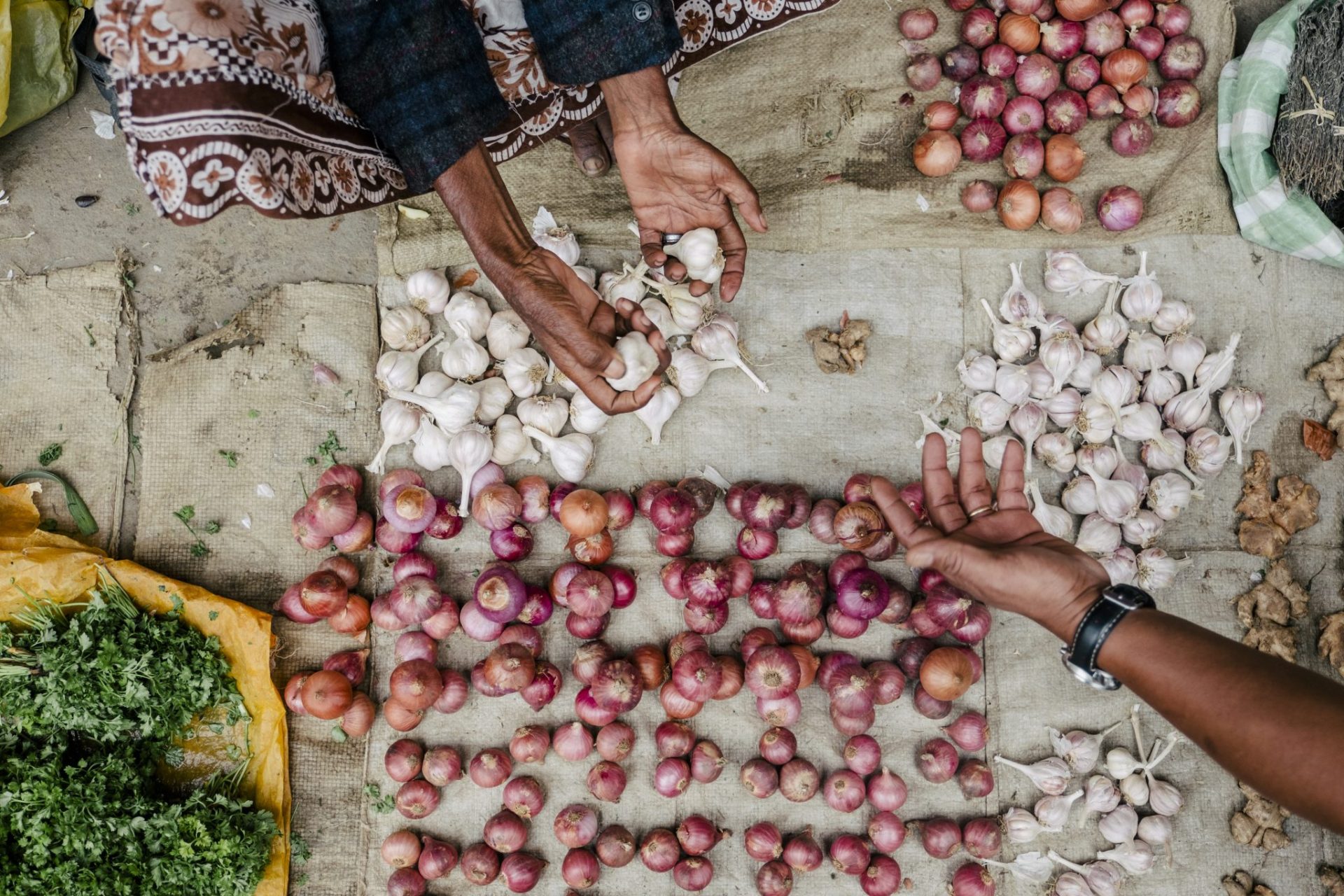
- Eat cooked, hot vegetables or well-washed raw vegetables (rinsed in clean water) that you've prepared yourself. Avoid "fresh" salads.
- Check that food is properly cooked and try to keep an eye on the level of hygiene in the kitchen. I often pretend to lose my way in restaurants so I can peek at the state of the kitchens. Sometimes it's quite an eye-opener!
- Preferably eat unprocessed food. Cook for yourself if you can. Personally, I use a "jetboil" (gas stove) to make myself pasta, rice, quinoa, and so on.
- Some foods really work well while travelling: dried fruit, which is packed with energy, and cereal bars containing nuts (walnuts, cashews, sesame, hazelnuts, etc.), which are full of vitamins and minerals. Tins of tuna, mackerel or sardines are also very useful for their content of good fats (polyunsaturated fatty acids), vitamins and minerals. It's an excellent source of protein. Do check the expiry dates. You can also easily find eggs almost everywhere. Watch out: if they float on the surface of water, they've gone bad! Finally, a non-perishable food that's found almost everywhere and gives you plenty of energy is honey. I always buy some along the way. It goes really well with fresh bread, or even with chapatis, tortillas, and so on.
- Lastly, avoid touching or playing with animals (stray dogs, street cats, monkeys (temples in Asia), etc.). Some are very cute, but sometimes they carry diseases and are often hosts to parasites.
What to eat off the beaten track?
Are you trekking through remote areas, far from any supply points?
Here are some valuable tips:
What basic food should you pack in your backpack?
- For breakfast, and for an optimal weight-to-energy ratio, porridge works really well. I bring powdered milk and a small stove, gas or petrol. A tea bag weighs nothing and is always nice, as is a bit of cocoa. You can find water pretty much everywhere.
- Muesli is also packed with energy. Dried fruit (apples, bananas, kiwis, mangoes, etc.) is also great, being fairly light and full of vitamins.
- You can find dehydrators on the market. I particularly like the Excalibur (it works really well). I even dehydrate meat with my Excalibur dehydrator.
- Freeze-dried meals are also very handy. The brand LYO (organic too!) offers really good food. You can order it online. Just add boiling water, wait 10 minutes, and it's ready. Their vegetarian dishes are delicious.
- For smaller budgets, Chinese noodles are also great and cook very quickly.
How much food should you plan per day?
- You need to eat until you're full, and even increase your portions if you're very active. A great day of trekking requires far more calories than a day at the office. I have a little trick if I'm heading off for a long time: I take a tape measure with me (the Ikea one is very light…) and measure myself every 4 days. This lets me check my waist and thigh measurements and quickly see if I'm losing muscle mass or drawing too much on my reserves.
© John Stapels
How can you make up for a lack of vitamin C in places where fruit is scarce or non-existent?
- Dried fruit is a good solution. You could also consider taking a box of vitamins as a supplement. If you know the mountains a little, you can find plenty of good things there: berries, wild berries, wild strawberries… Be sure to clean them well before eating and be certain of what you're eating. If you pass by an orchard, don't hesitate to ask the farmer for a piece of fruit. They're usually very friendly.
What's the minimum amount of water to carry?
- A 2-3 litre camel pack with a wide opening (easier to refill), and ideally a filter.
How should you split up liquid and dry food?
- For water, I recommend a good 2 or 3 litre camel pack. It's very handy to always have the tube within reach. When you're exerting yourself, you need to drink a lot. The best indicator is the colour of your urine: if it's dark, you're not hydrated enough; if it's clear, you're fine. Personally, I get rid of as much packaging as possible before I leave. I dehydrate my own fruit and put it in small paper bags. Tins are a bit bulky, but the protein you get from a good tin of tuna is not to be underestimated.
How do you manage your daily intake of fats, carbohydrates and protein?
- Cereal bars (as natural as possible) are great, as are dried fruit mixes, dehydrated fruit, pasta, rice, couscous, lentils, mashed potato… Dried (dehydrated) meat is packed with protein. I slice thin strips myself and soak them in soy sauce before dehydrating them in my machine. It's delicious! It's easy to find eggs almost everywhere in the world (in villages). Eggs are a very good source of protein. Hard-boiled, they're easy to carry. You can also often find cheese, yoghurt, and so on. Fish is also a source of protein not to be overlooked. With a bit of experience, you can quite easily catch a trout in a river. The best option is to use a Tenkara fly rod — it's super light and works really well. During my crossing of New Zealand, I was able to eat fish regularly thanks to this.
- Powdered soups are generally very salty, which is great when you're exerting yourself, since you need to consume salt to recover. Plus, they don't weigh much.
What utensils are essential?
- A Swiss army knife, which can be used for many things, two lighters (no fire, no cooking), and a gas stove with a small pot and lid (titanium is best for weight) or a jetboil (which uses less gas and also doubles as a bowl).
- There are also small wood-burning stoves that work well with twigs.
- You can also eat straight from the foil pouch of a freeze-dried meal. For that, a spoon works best.
- I always carry a bit of salt and pepper with me. They really improve meals… ;-)
© John Stapels
How do you heat or cook food?
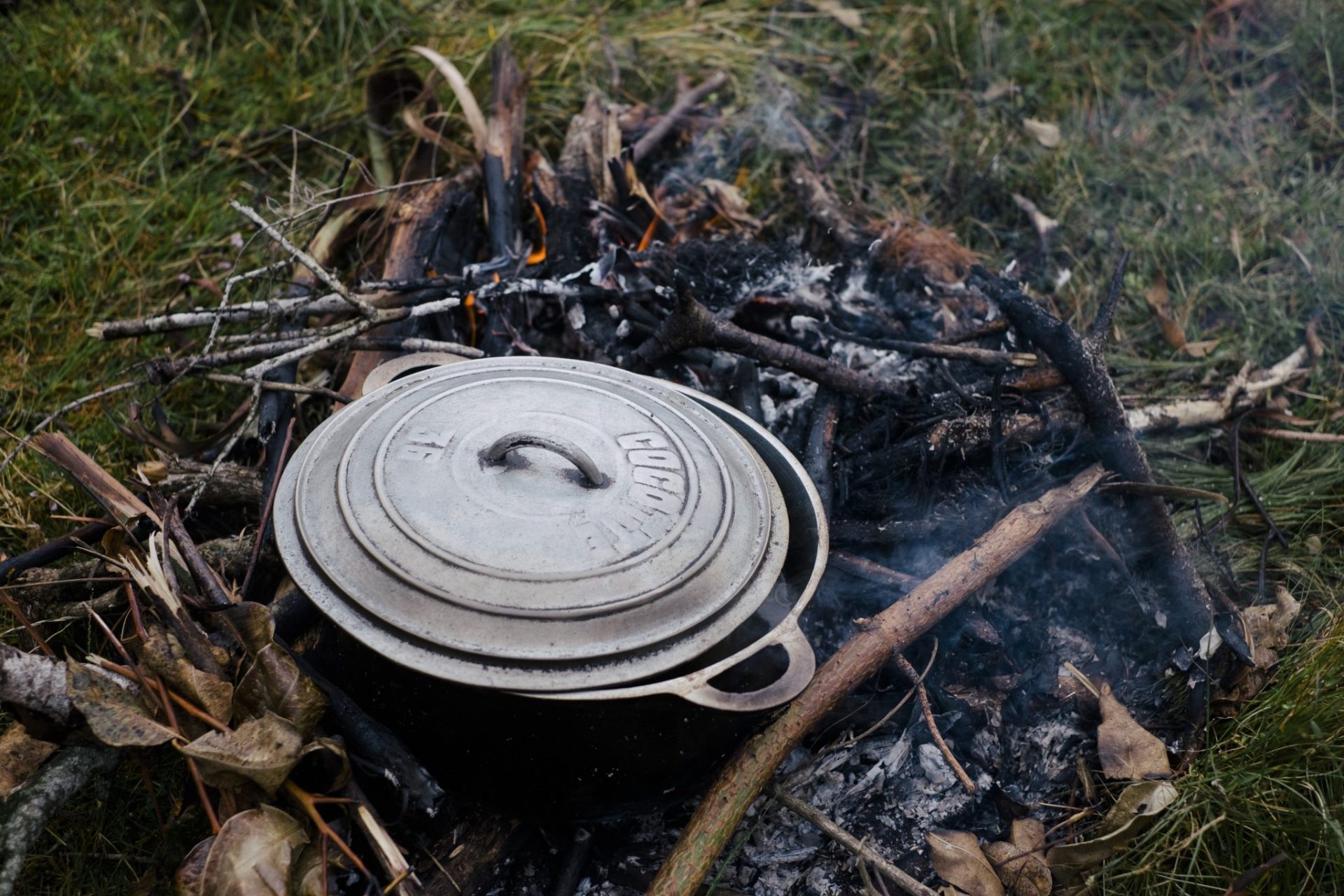
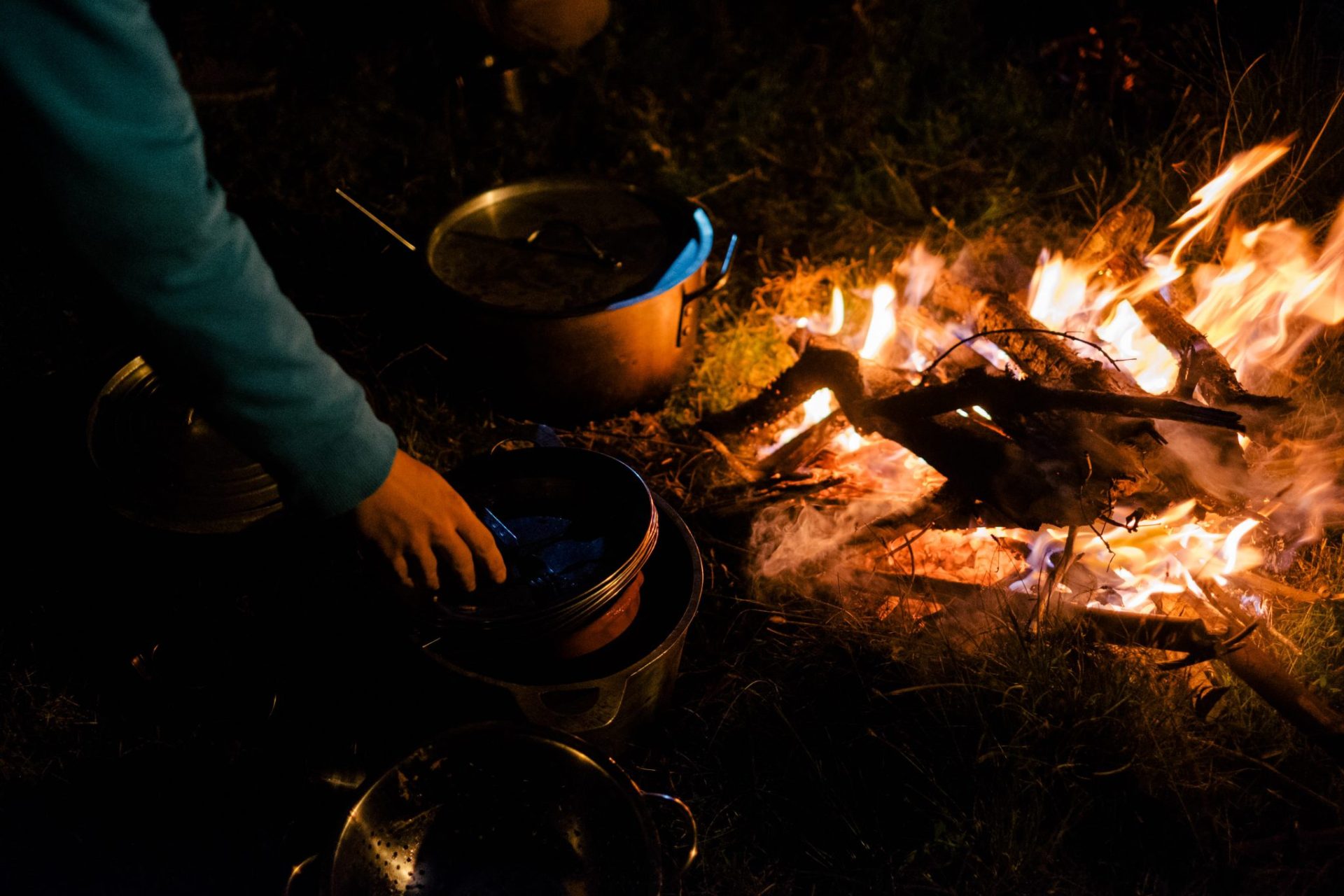
- A good old-fashioned fire or a gas stove. Remember to bring food that can be eaten cold in case you can't find shelter to cook in. There are very small barbecue grills that work really well and are very light. Be careful of local regulations if you light a fire, and be very cautious. If you make a wood fire, make sure it's completely out before you leave the area.
What should you do with waste?
- Ideally, recycle as much packaging as possible by removing it before you leave. After that, there's no question of leaving waste out in nature. Get a good ziplock bag and compress everything into it. You can burn cardboard or paper to light a fire, but it's always better to recycle it.
A few last useful tips?
- If you burn yourself slightly while cooking and don't have a first-aid kit, put a little toothpaste on the burn — it helps!
- If you want to keep food or a drink cool, put it in your sleeping bag. It's a great insulator.
- Treat yourself: a small piece of chocolate feels great at the end of a long day!
Safe travels to all, bon appétit, stay careful, and above all enjoy!
Blue skies,
Tom.
Discover more of Tom's articles in the "Travel and adventures" series