At a glance
Have you heard of the electric unicycle? It's an eco-friendly way of getting around that's gaining more and more fans!
Have you heard of the electric unicycle?
It's a way of getting around that's gaining more and more fans, especially in cities, so much so that there's talk of soon updating the highway code because of it!
The electric unicycle: what is it?
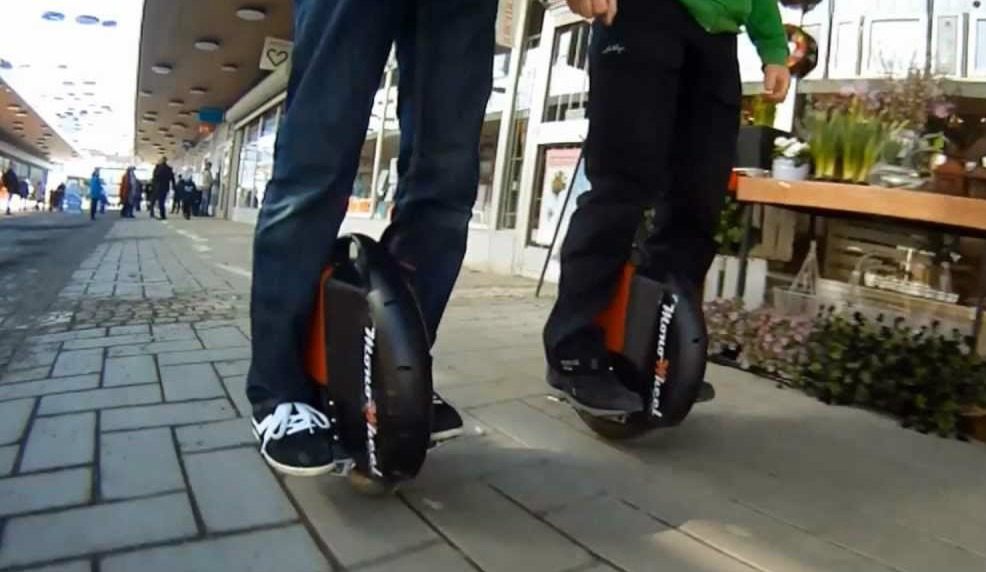
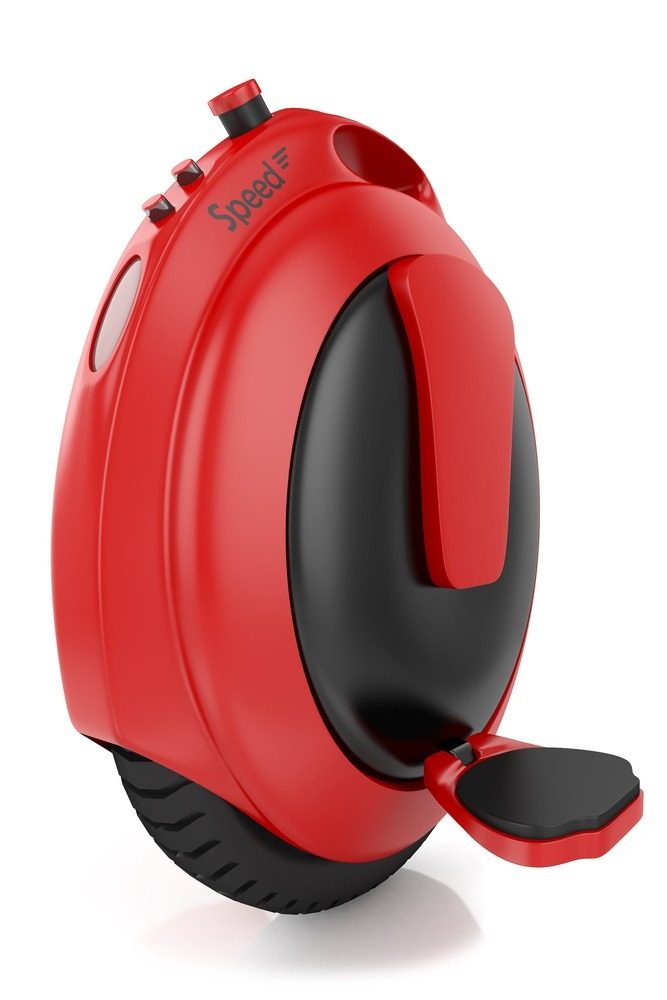 The electric unicycle (also called a "gyrowheel" or "monowheel") is a device with a stabilised gyroscopic wheel fitted with sensors, an electric motor and a battery. It's ridden using the same principles as the Segway ®: it moves forward when you lean forward, brakes or moves backward when you lean back, and turns left or right when you lean in that direction.
It can reach a speed of 18 km/h! Some models even reach higher speeds, but in that case they're not allowed on public roads.
The electric wheel has a circumference of 40 cm and weighs, depending on the model, between 9 and 15 kg. The battery has a range of 15 to 30 km: ideal for getting around in the city.
According to enthusiasts, learning to ride an electric unicycle takes a bit of practice and perseverance, but once you've mastered it, using it very quickly becomes a lot of fun.
While it's currently mainly possible to buy this kind of device online, more and more specialist shops are also starting to offer them to customers.
Its main advantages
- its speed
- its weight
- how easy it is to carry
- the ability to charge the battery anywhere (at home, at work, etc.)
- its "modest" price (a few hundred euros) compared to a Segway ® or an electric bike
- it's "eco-friendly"
- it "tones" its user's muscles
- it's fun and modern...
The electric unicycle and the highway code
The only major drawback of this type of device right now is the rules for using it on public roads: can you ride an electric unicycle on the pavement, or must you use cycle paths and the road (like cyclists)?
Under current legislation, the electric unicycle (which reaches a maximum speed of "only" 18 km/h) is considered a motorised personal mobility device (like electric wheelchairs, segways, electric scooters, etc.).
If the electric unicycle doesn't go faster than walking pace, its user must follow the rules that apply to pedestrians. If the user of the device rides faster than walking pace, they must follow the rules that apply to cyclists (see the highway code and the definition of personal mobility devices).
Warning: between dusk and dawn, and in any situation where it's no longer possible to see clearly up to a distance of around 200 metres, users of personal mobility devices travelling on parts of the public road other than those reserved for pedestrians must use the following lights: at the front, a white or yellow light / at the back, a red light. These lights may be produced by a single device placed or worn on the left.
Whatever the case, it's essential to have good control of your wheel, to be visible (wear fluorescent clothing) and to be very alert and respectful of other road or pavement users.
Here's a short (Swedish) film to convince you (you'll find others online):
One can bet that in a few years, many people will be crossing cities on electric unicycles to run errands, go for a walk, or head to school or work!
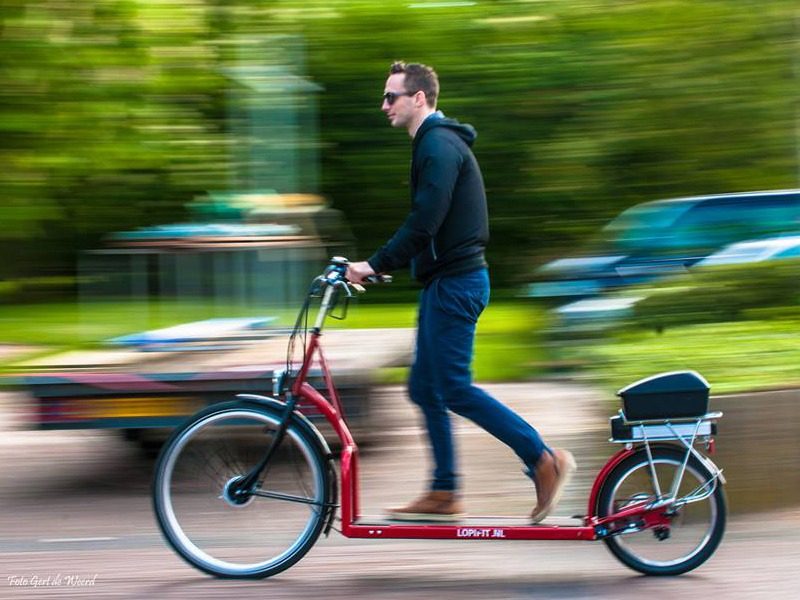
Also read: The Lopifit: cycling while walking