At a glance
What passport and vaccinations does your pet (dog or cat) need if it's coming on holiday with you?
What passport and vaccinations does your pet (dog or cat) need if it's coming on holiday with you?
Identifying pets
In Belgium, all dogs must have an electronic identification microchip. Since 29 December 2014, tattooing is no longer allowed as an identification method.
This rule has been extended in Belgium to cats born from 01/11/2017 onwards, and applies to cats travelling outside our national borders.
The European passport for dogs and cats
Since 1 October 2004, European rules require that anyone travelling abroad with a pet (dog, cat) must have a European passport for their animal.
This passport is obtained as follows:
- For dogs: All dogs have automatically received a European passport when identified by the vet, and this has been the case since 2004. The vet registers the dog via DogID, the Belgian association that manages the registration database and issues a European passport recording the dog's identification along with any information on its health status.
- For cats: since 1/11/2017, registration is mandatory for cats born from that date onwards. Registration is done through the vet, who can issue a European passport at the same time. The data is recorded in the national CatID database.
If you move or change your contact details, remember to update your information by contacting DogID or CatID, either yourself or through your vet.
If you're travelling outside the European Union
For trips to a country outside the EU, that country's rules apply alongside the rules in force in Belgium or your home country, which apply when you return. Check with the consulate of the country you're travelling to before you leave. The European Union website also provides information for any outbound or return trip to the EU with an animal, from a foreign country.
How much does a pet passport cost?
Only vets are authorised to register your animal and issue its passport. The price will therefore depend on the cost of the visit to the vet.
Vaccinating pets
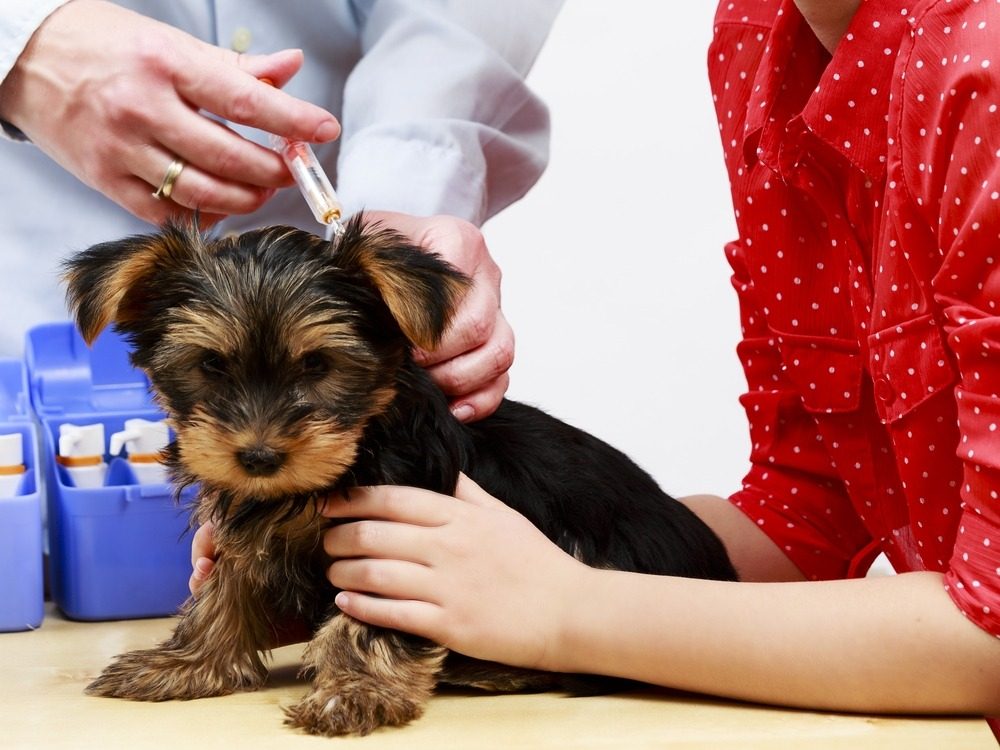
 If you're planning to travel with your pet, it's strongly recommended, if not essential, to arrange a preliminary vet visit before going on holiday with your animal. Ask your vet what precautions are needed (deworming, flea and tick treatments, suitable food, travel sickness, etc.) and go over the recommended and/or mandatory vaccinations.
The essential vaccine for any trip abroad with a dog or cat is the rabies vaccination.
This must be given no more than 30 days before departure, on an animal at least 12 weeks old. Note that the vaccine only becomes valid 3 weeks after it's given, and its period of validity depends on the vaccine manufacturer.
Precautions to take when travelling with your pet
- In addition to vaccination, some European countries such as Sweden, the United Kingdom, Ireland, Malta and Finland require additional health conditions. Check with their consulate well before departure. The United Kingdom, for example, requires among other things the signing of a non-commercial movement declaration for your pet, as well as a mandatory Echinococcus multilocularis treatment before arrival in the country.
- Trips to countries outside the European Union often involve even stricter health or quarantine rules. Find out well in advance from the consulate of the country you want to visit.
- For any trip abroad, you'll also be asked for a recent certificate of good health for the animal. This certificate is obtained from the vet. Note: for some countries, this certificate cannot be issued more than 10 days before departure.
- Feel free to check the travelling with animals section of the Ministry of Foreign Affairs.
- Consider taking out travel assistance. Some travel assistance plans include financial cover for any veterinary costs for your pet abroad. Assistance will also cover the repatriation of your pet if you yourself need to be repatriated.
- Properly preparing your holiday abroad isn't only necessary for travellers, but also for the pets travelling with them. Be aware of health rules, but also of the stress that a trip (by plane or by car) can cause your animal. Also make sure your pet has the comfort and care it needs during your stay.
Also read our other articles on travelling with pets in our Dogs, cats & Co. section.
First published: 10/2017 - Updated: 06/2024