At a glance
Discover Tom de Dorlodot's tips if you want to combine adventure travel with discovering the wild world.
Tom de Dorlodot, a renowned paraglider and adventurer, has had the chance during his many adventures to be regularly in contact with wildlife.
He shares his impressions and advice for anyone who wants to combine adventure travel with discovering the wild world.
Adventure travel and discovering nature: a balance to respect
Given the planet's ecological situation, animal conservation and protection are increasingly important topics. Many travellers devote part, or even all, of their journey to contact with local wildlife.
On every expedition, my encounters with wild animals, whether intentional or not, have always been special and magical. From the smallest insect to the most majestic whale, it is essential to respect their environment and let them come to us. Here I give you some good advice based on my experiences, so you can protect yourself and the animals, and keep an unforgettable memory of your trip.
An encounter with sharks
SEARCH Islands
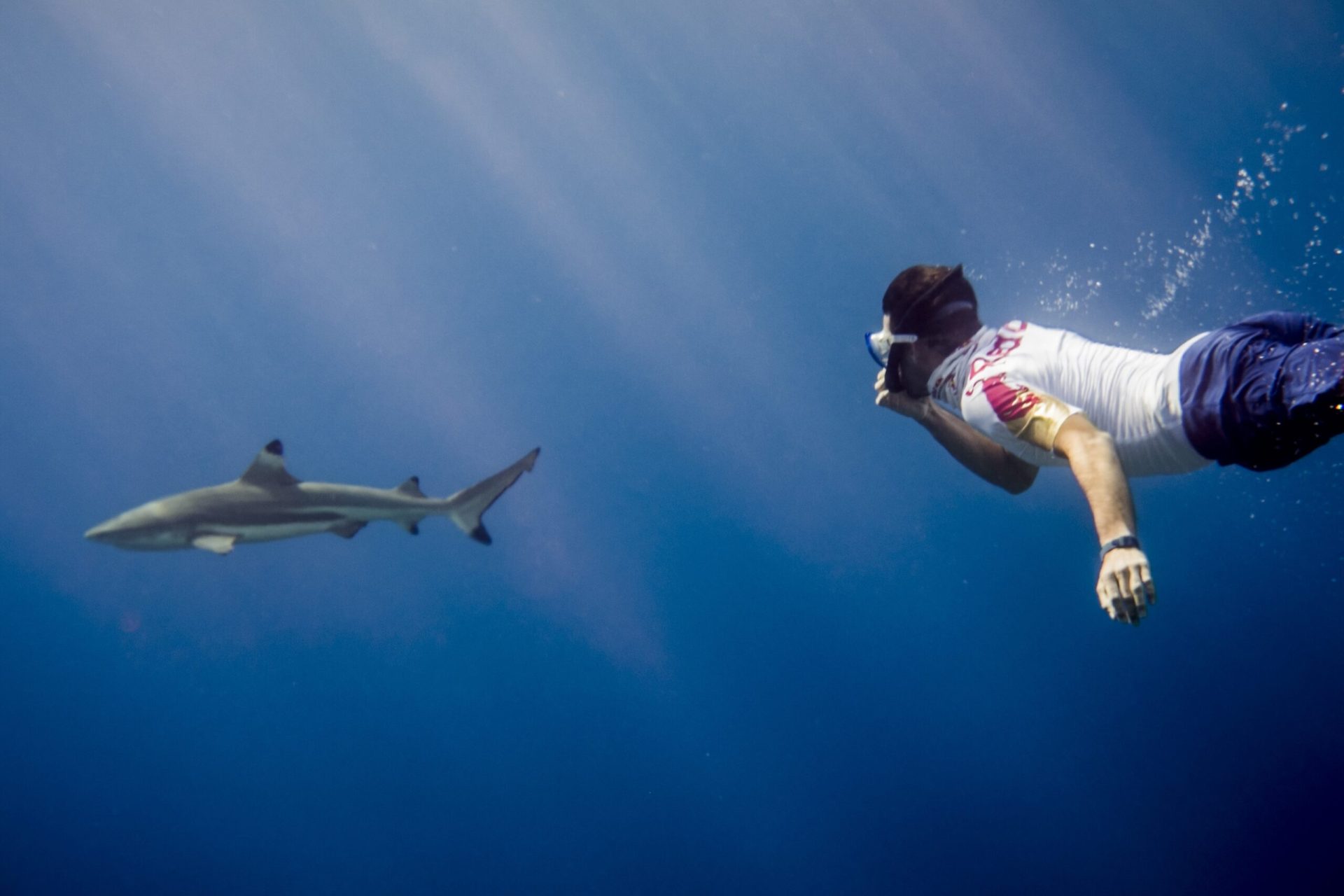
During a dive off the Tuamotu archipelago, I had the scare of my life. Two blacktip sharks almost caught my hand, in which I was holding the parrotfish we planned to share with the crew. I later learned that sharks were common in that area and that, used to the presence of fishermen, they rush in as soon as they hear the sound of the harpoon to grab the freshly caught fish.
I would have done better to find out more before venturing into that area, to avoid this mishap while exploring Polynesia's magnificent coral reefs.
The fragility of coral reefs
Moreover, the fragility of coral, which takes several years to develop, is also something to keep in mind during a dive like this one.
Human activity, such as snorkelling or boating, can severely damage this underwater treasure that we must preserve. Always avoid touching any coral or its inhabitants, and of course avoid stepping on them. This will also help you avoid a sea urchin sting or that of another tough little creature that would certainly ruin your stay.
How to protect yourself?
 You also need to think about protecting yourself while travelling.
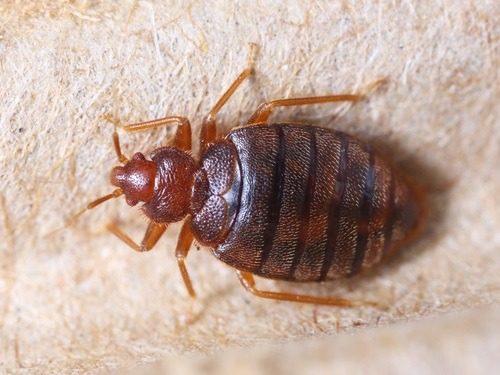
- Bring a natural repellent against insects (e.g. the Puressentiel range contains no neurotoxic insect repellent. Its effectiveness comes from its main active ingredient: lemon eucalyptus essential oil) and protect yourself from stings or bites by checking your bed or sleeping bag before spending the night. Also read the article: Bed bugs are making a "comeback"
- To avoid any trouble, always avoid carrying food on you and above all do not feed the animals during your journey — this could make them dangerously dependent on humans or make them sick.
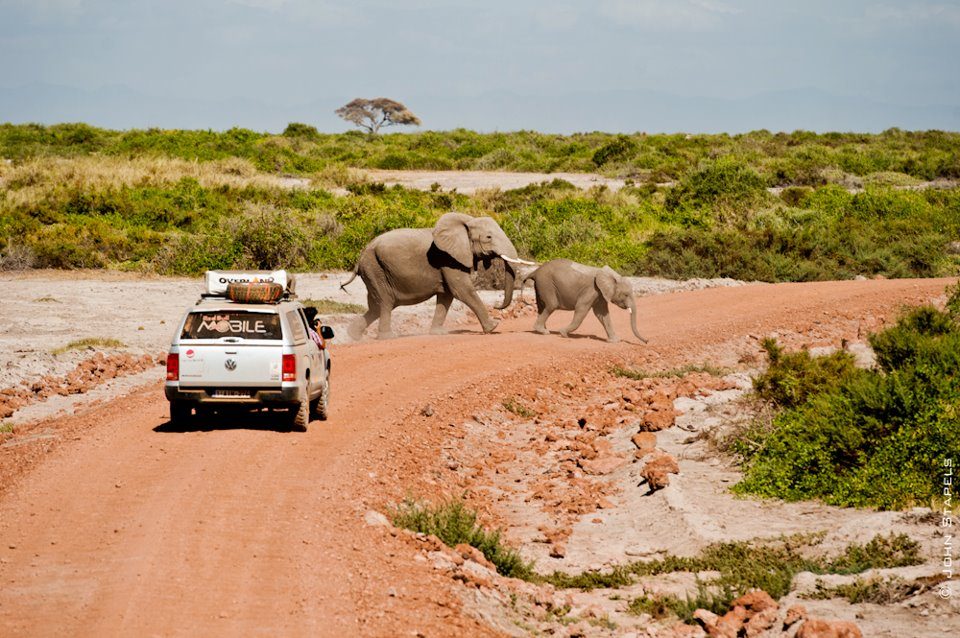
- The stress caused to animals disrupts their feeding and breeding cycles, so it is recommended to adapt your behaviour and keep a certain distance, whether on foot, underwater, in a vehicle or even on a boat, to speak quietly without making big movements while observing them, and to stay on the trails so as not to damage the vegetation.
- Do not throw waste into nature or the sea. On the contrary, help pick up litter left by others that you come across during your expeditions.
- One last piece of advice on how to behave: if you meet the gaze of an unknown and potentially dangerous animal, do not look it in the eyes — it might feel threatened or take that look as a challenge and attack.
A real-life case: attacked by a monkey
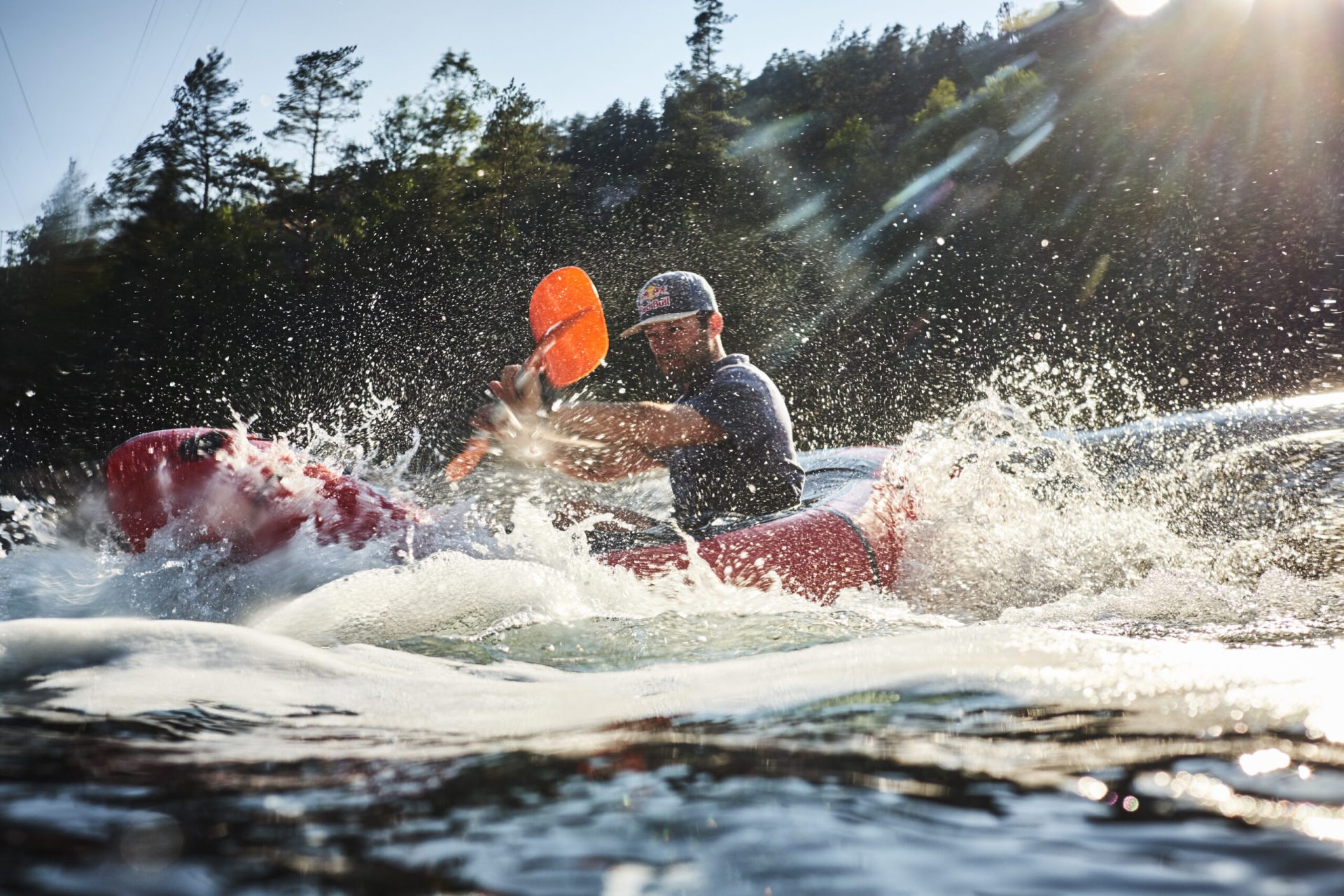
I experienced this myself several years ago during an expedition on Lake Nicaragua. I was paddling from island to island in my kayak and came face to face with a pair of monkeys, seemingly harmless at first. I got a little too close, trying to get a nice shot of the female resting on a branch. Startled by our closeness, she let out an alarming cry. Her mate, taking advantage of the branch above my head, jumped onto my boat and knocked us both into the water. I could have avoided this scare (as well as the purchase of a new camera...!) by keeping my distance and respecting the peace of these primates in their habitat.
Choose professional organisations to observe wildlife
On long-distance trips (or not), for certain activities such as a few hours of observation or a multi-day trek to discover animals in their natural habitat, you will certainly turn to an organisation to make the most of your experience. Here too, you need to be careful and check that the organisation is not dubious and that it respects the animals in how it allows them to be observed.
Discovering the lion
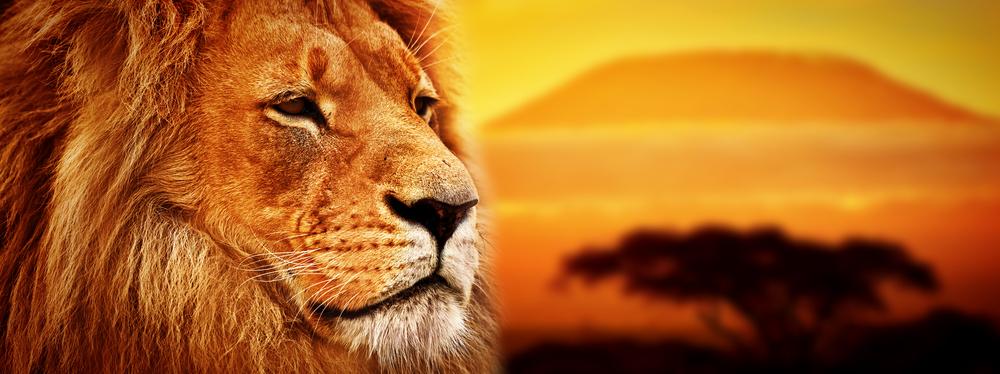 Who hasn't dreamed of one day going to South Africa to observe the king of the animals in the wild? This is of course possible, but local operators unfortunately do not all share the same view of ethical tourism and respect for endangered species. To this day, there are reportedly 10,000 lions kept in captivity in facilities catering to tourists in that country. The cats are exploited from birth (bottle-fed cubs, selfies while petting them, walks with the largest specimens...) and will sadly end their lives on a breeding ranch before falling victim to trophy hunting, a sadly famous but equally lucrative activity. We can refuse to support this kind of practice by carefully choosing the best way to observe these animals in their natural habitat.
If you're looking for ideas for your next trips, some major institutions such as National Geographic hold an annual awards ceremony recognising responsible tourism initiatives developed by local companies and organisations. These initiatives aim to promote a transition towards sustainable development in the tourism sector, while sharing best practices for the good of nature, its inhabitants and the people who protect them.
For a wildlife and habitat protection effort to succeed, good cooperation with local communities is essential.
Discovering primates
Some people want to go there to physically contribute to the well-being of these endangered species. Eco-volunteering is booming and is certainly the nicest way to meet the most iconic animals, such as endangered great apes, while doing volunteer work.
The Democratic Republic of Congo is the country with the greatest number of different great ape species, such as the bonobo.
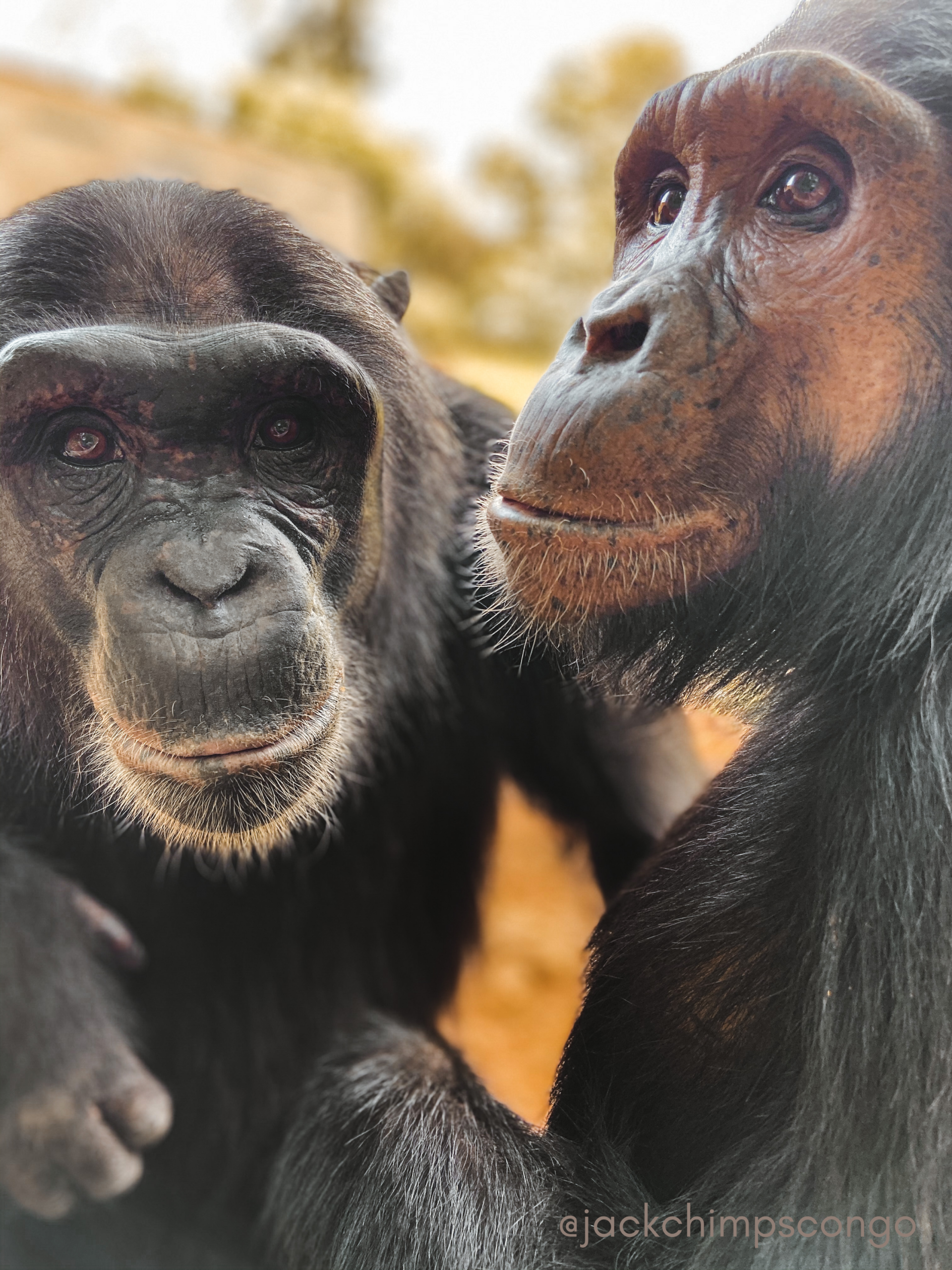
To protect and reintroduce orphans of this species, which is endemic to the DRC, into the wild, Belgian Claudine André founded the "Lola ya Bonobo" sanctuary several years ago.
This unique place is the only place in the world where you can meet these animals, which are so close to humans. Here you can stay, contribute and learn to observe bonobos in their semi-natural environment, an essential step before reintroduction into the wild.
Bear in mind, however, that not all sanctuaries run on eco-volunteering and some can only carry on their cause through donations. This is the case, among others, of the Congolese association "JACK", created and run by a French-Belgian couple, which fights daily against the bushmeat trade and works to reintroduce chimpanzees who are victims of this scourge in the Democratic Republic of Congo.
On the Asian continent, organisations such as Kalaweit fight for the protection of biodiversity in Indonesia by buying plots of virgin forest to protect them from destruction for intensive agriculture, and by protecting the animals that live there, including gibbons.
Also read: Travel and wild animals: how to behave?
** \
\
Photos © Fred Buyle, John Stapels, Shutterstock\