At a glance
What should you do if you find a stray dog abroad, or come across an injured deer by the roadside? We give you tips and useful contact numbers.
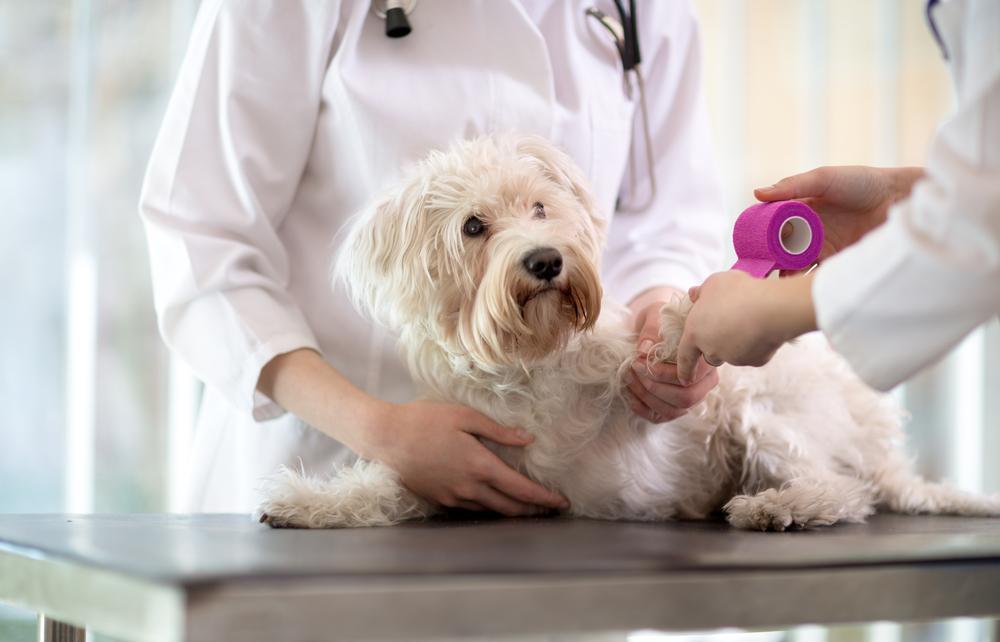 Do you know what to do if you find a stray dog abroad?
Or if you come across an injured deer by the roadside?
In our previous article "What should you do if you find an injured animal?", we gave some useful tips in case you're faced with this problem in Belgium. But if the problem arises abroad, each of our neighbouring countries has different local contact numbers for reporting animals in distress. That's why our blogger Lisa put together, for Redion, the useful information, tips and numbers to contact in our neighbouring countries.
Animals in distress: general tips
Pets
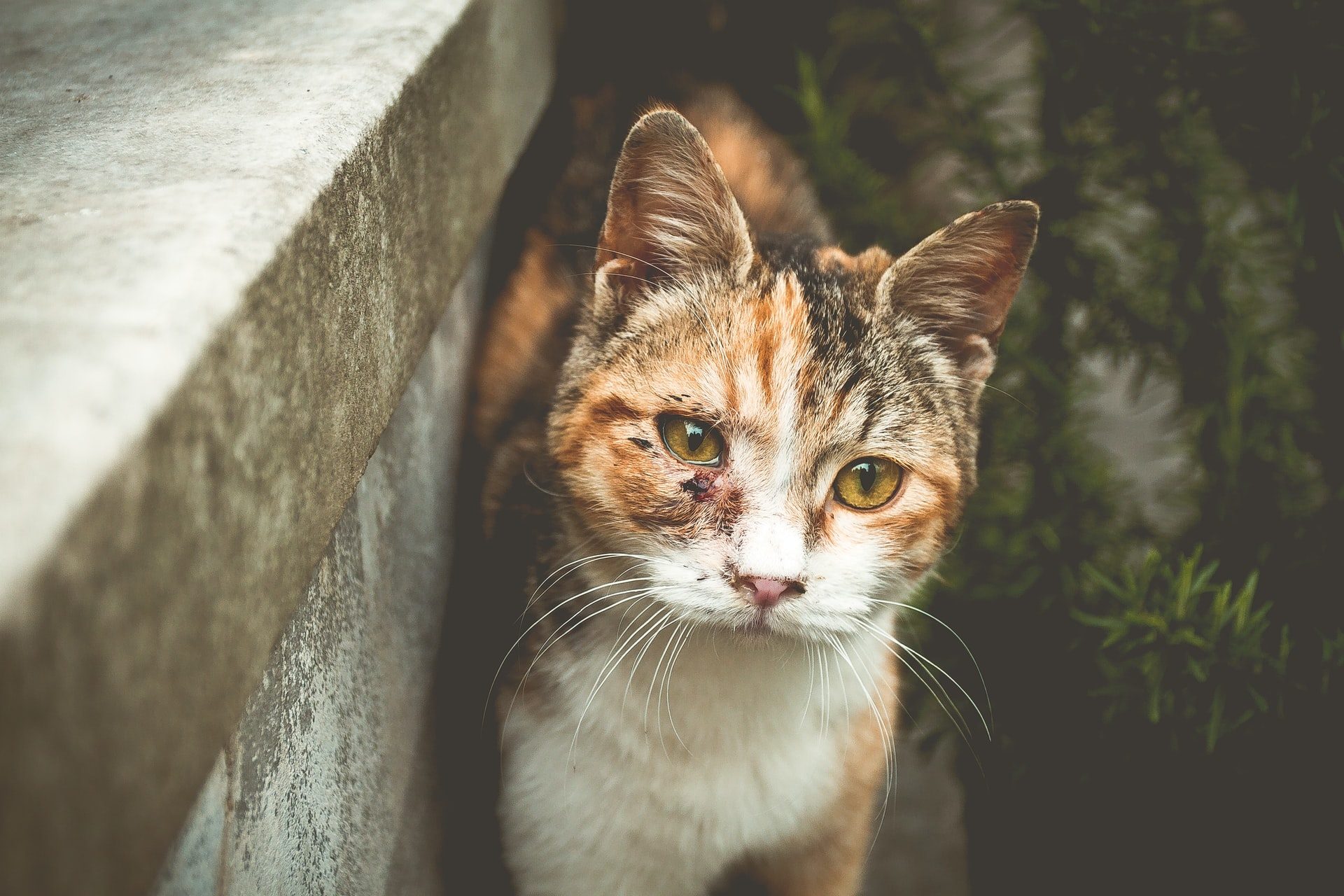
Can you catch a stray animal and take it to a vet or a shelter?
It largely depends on the animal's body language and behaviour. You should always approach a lost dog or cat with the utmost caution.
● Think about your own safety. Is the animal at a distance, too aggressive or too anxious to be caught? Take photos that clearly show the animal, so you can show them to the police, an animal shelter or a vet.
● Managed to catch the pet? Check whether it's wearing an identification collar and contact its owner.
● Lost Cat is an international website where people who find a cat can try to find its owner. There's a dedicated listings page for each of our neighbouring countries.
● Bringing a pet found abroad back to Belgium isn't easy, or always advisable. You first need to make sure it has no owner, the animal must be examined on the spot by a vet and get an identification certificate, then strict quarantine and vaccination rules must be followed, and the animal must be examined and registered again by a vet on arrival in Belgium. Some animal species or breeds are subject to an import ban.
Wild animals
Can you touch or approach an injured wild animal to help it?
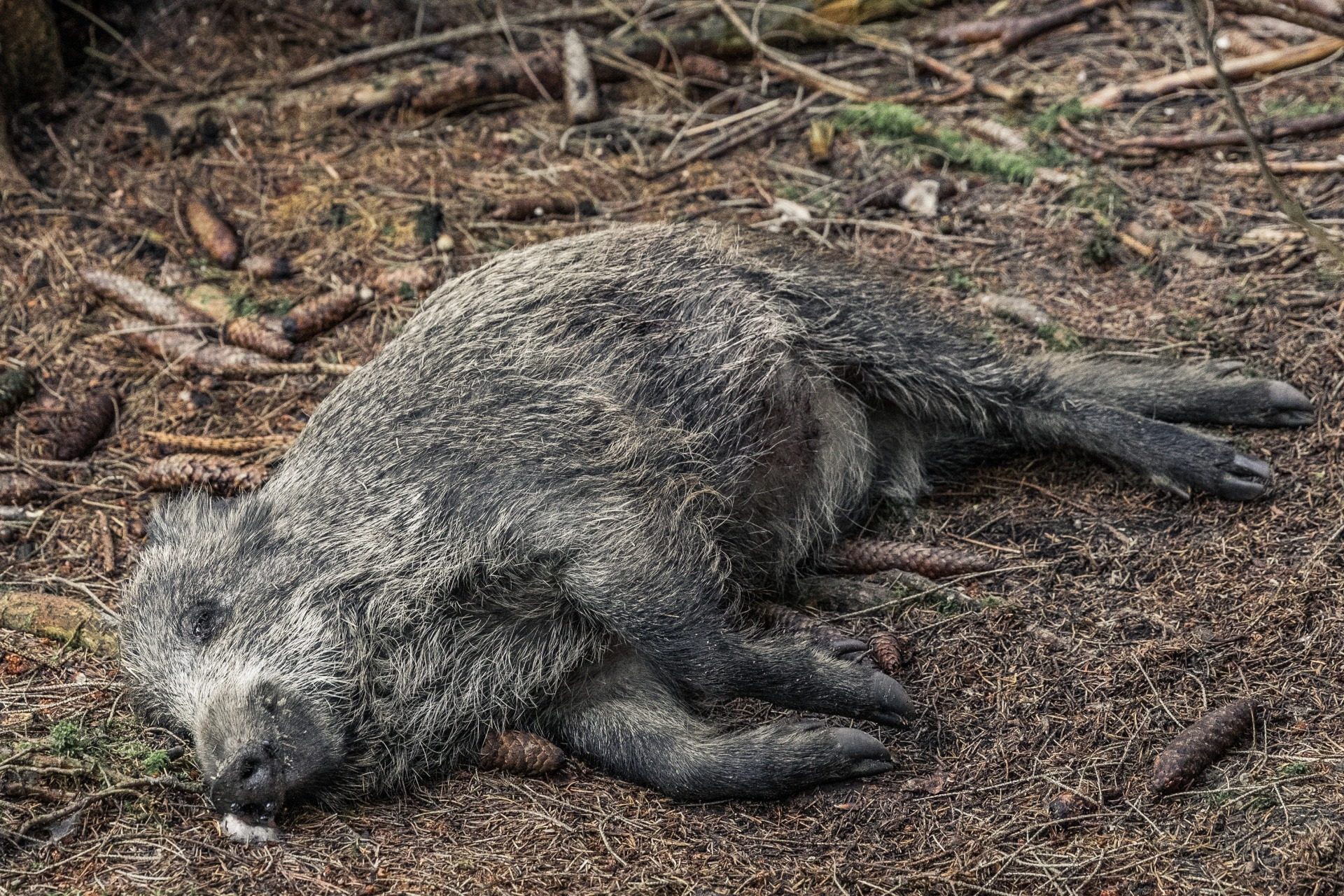 ● Only handle small wild animals such as hedgehogs, rodents or birds. For larger animals like foxes, birds of prey, deer, wild boar… always call in a professional. Not only could the injured animal hurt you, but wild boar and foxes, for example, can carry diseases or parasites that can be transmitted to humans.
● When rescuing the animal, always use a towel or item of clothing and preferably place the animal in a closed cardboard box (with air holes) so it doesn't hurt itself and stays calm. Move calmly, don't rush it and don't put pressure on it.
● Don't try to look after the animal yourself — ask for professional help straight away. Find the animal at night and can't reach a vet or a shelter? Let the animal rest in a closed cardboard box and get help the next morning.
Think you've found an abandoned young animal? The RSPCA, the British animal welfare organisation, advises against touching it straight away — keep your distance, as one of its parents is probably nearby. The organisation also provides advice by species to help tell an abandoned young animal apart from a healthy one waiting for its parents.
How can you avoid causing an accident or collision with a wild animal yourself? Avoid driving at night through wooded areas. If you do, keep to the 60 km/h speed limit. That's an approach speed that gives most wild animals enough time to flee.
Travelling abroad
Heading abroad? Find out about the wildlife of the country you're visiting and the wild animals living there that you might encounter. For example, there are many accidents involving elk or reindeer in Scandinavian countries.
Also be wary of wild animals. Read the article "Travel and wild animals: how should you behave?" on this topic.
A lost or injured animal in our neighbouring countries
France
 Found a stray animal in France? The association 30 Millions d'Amis recommends contacting the local town hall. It will hand the animal over to a vet or a shelter. You can also post a listing on the 30 Millions d'Amis website or via the government initiative I-CAD (Identification des Carnivores Domestiques) to find the owner.
Inform the local town hall if the animal is injured. They will call in a vet. You can also take the animal to the vet yourself. The town hall often covers the basic costs, but you can also personally contribute towards the cost of the vet's examination and treatment.
If you've found an injured wild animal, it's best to contact the OFB (Office Français de la Biodiversité) at the phone number for your nearest location. They'll explain what to do.
The OCF's online guide provides information on what to do in specific situations such as car accidents or poisoning.
The OFB distinguishes between protected and non-protected wild species. Protected species can only be helped or moved by the organisation. So contact them first, without approaching the animal. If the species isn't protected, you can take the animal to a shelter yourself.
Netherlands
You're in the Netherlands and have found a cat, dog or other pet that seems to be lost but in good health? Check the website of the Dutch Society for the Protection of Animals to find out whether there's a nearby shelter that can take care of the animal. Also post a listing to look for the owner on Help! Mijn dier is zoek (Help! My pet is lost).
If you've found a pet or a small wild animal (such as a hedgehog or a bird), call (0031) 114. This is the general number for animal ambulances. For larger wildlife, it's best to call the police.
Have you collided with a (wild) animal on the road? Driving on afterwards is a punishable offence in the Netherlands. After the collision, park your car safely and call the police on (0032) 900-8844, even if the animal ran off. Give your location and wait for the police or a game warden to arrive.
Germany
Germany also has a website that helps reunite a pet with its owner. Findefix lets you report a found animal and browse listings of lost animals by location. Call (0049) 228 6049635.
Found a small injured wild animal? Click this page to find a local shelter you can take the animal to. This list has a specialised centre for each species.
What should you do if you find a large injured wild animal? According to the animal welfare organisation Deutscher Tierschutzbund, as a driver you're required to help an injured animal by the roadside, even if you weren't the one who caused the accident. The most important thing is to secure the area and make sure other drivers avoid the animal. Put out a warning triangle or leave your car's hazard lights on. Then call the police and wait. Always keep a safe distance from the animal.
Luxembourg
If you find a lost dog, its owner can often be found easily. In Luxembourg (and in most other European countries), it's mandatory to register every dog with a microchip. For found dogs and other animals, it's always recommended to contact a vet.
The Luxembourg government gives a few important contact numbers in its online brochure about looking for injured wild animals. The government advises calling (00352) 113 in the event of a car accident involving a wild animal. In all other cases, you can call the general wildlife assistance number: (00352) 26 51 39 90.
In the online guide, you'll also find the contact details of four shelters open 24 hours a day to take in injured wild animals.
United Kingdom
To find the owner of a lost animal, it's best to call the British animal welfare organisation RSPCA on (0044) 300 1234 999. You can also post a listing on the PetsReunited website.
Found a small injured wild animal? The RSPCA advises taking it yourself to a local nature reserve. According to them, this is faster than waiting for a game warden or the police to arrive. Using this link from the British Wildlife Rehabilitation Council, you can find a shelter nearby.
The RSPCA also provides a list of large wild animals that shouldn't be approached if injured. Call their emergency number if it's a fox, deer, badger or wild boar.
You're on a British beach and see an injured marine animal, such as a whale, dolphin, shark or sea turtle stranded with a broken shell? Call the specific emergency number of the BDMLR (British Divers Marine Life Rescue): (0044) 1825 765546.
If you injure large pets or farm animals such as a large dog, a horse or a cow, you must call the police on (0044) 20 7230 1212. In all other cases, it's best to contact the RSPCA.
 Our blogger Lisa:
Lisa is a freelance blogger who has just spent a year exploring Australia alone, in a Jeep. When she's not travelling, you'll often find her at home, on her sofa with her rabbit Nelson on her lap and a language course in hand. You can find her articles on Greek mythology and Bali on her website lisasvividwriting.com.