At a glance
Have you heard of "petsitting" or pet sitting? It's an original travel goal and a way to stay somewhere affordably...
Would you rather stay in a homely environment than in a hotel when you travel? Could a dog or a cat keep you company? If so, pet sitting combined with house sitting could well be right up your street. Our blogger Lisa explains it all:
How does pet sitting work?
Pet sitting is a great alternative for animal-loving travellers who would rather stay in a cosy, homely environment than in a busy tourist accommodation. This increasingly popular concept is ideal for travellers who are flexible enough and want to keep costs down.
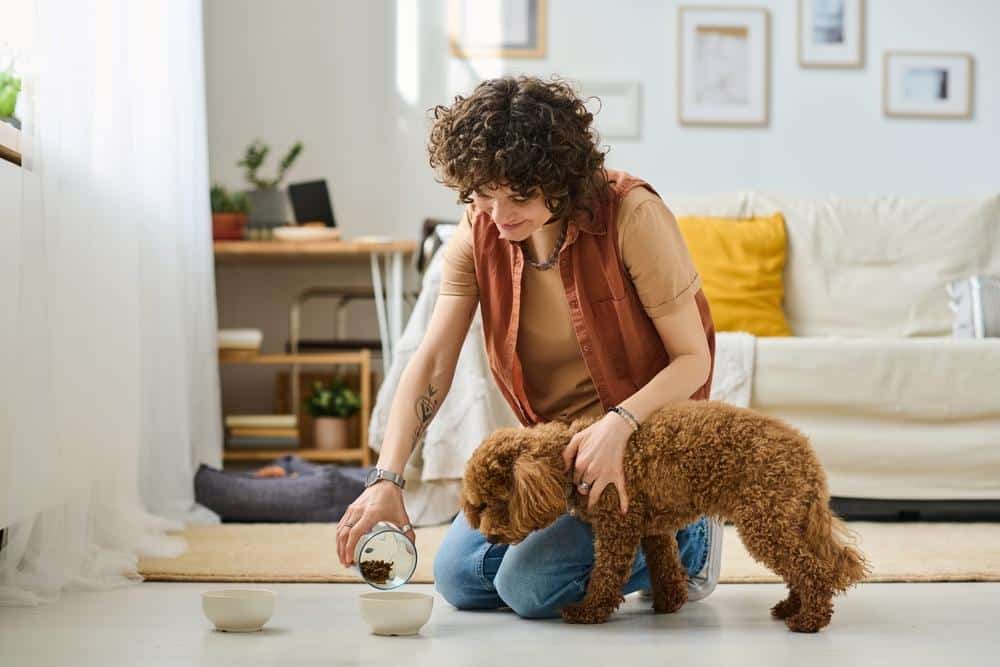
While pet sitting, you look after the pets in the owners' absence while staying in the pet owner's home. This means you're also doing house sitting at the same time.
Some advantages of pet sitting
- Your nights are free.
- Living in a local resident's home makes you feel less like a tourist.
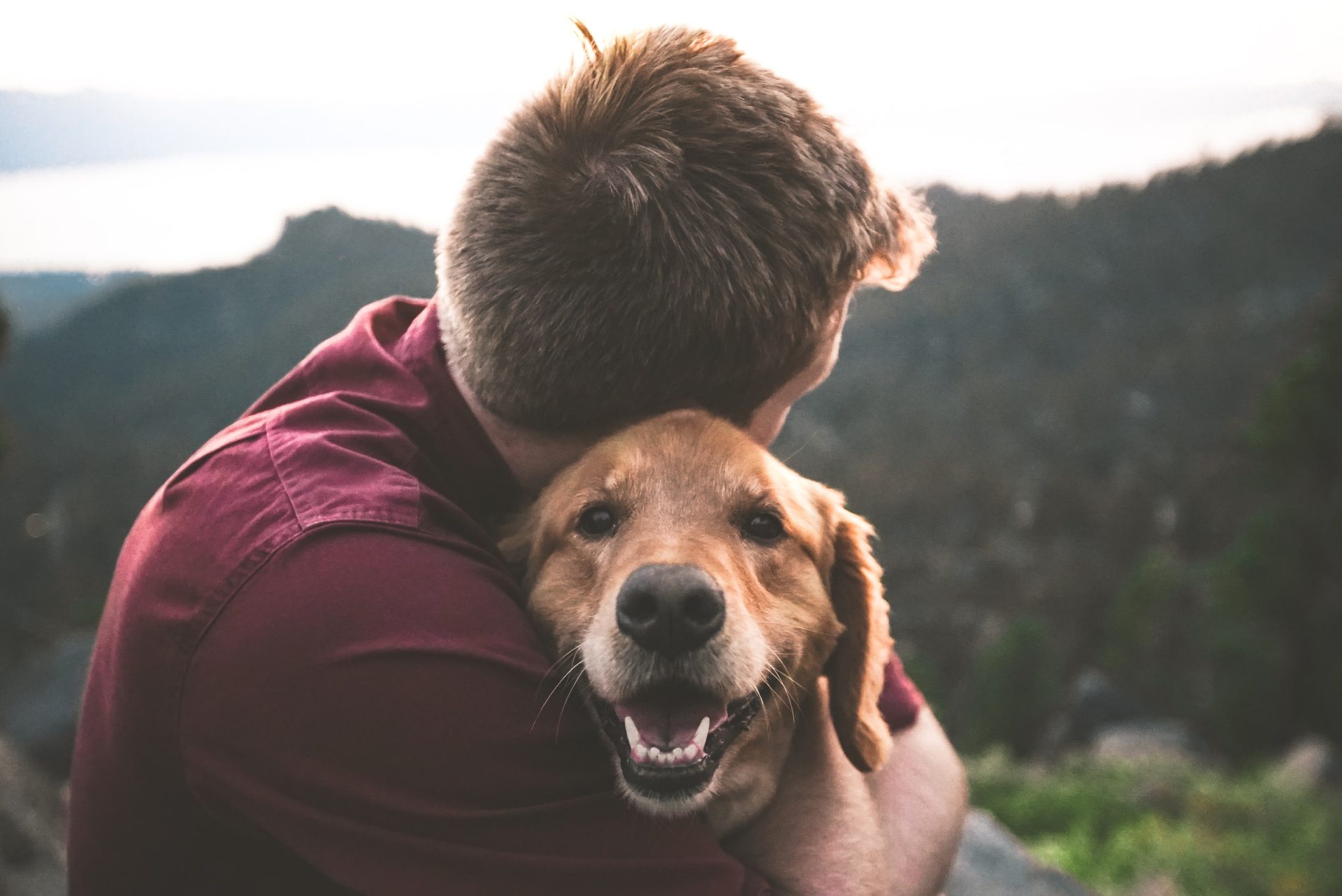
- You're surrounded by one or more pets.
- You build a bond with the pet's family and may be invited back for a future stay.
- The owners can leave with peace of mind.
Some drawbacks of pet sitting
- Since the animals depend on you, you have less freedom to do whatever you want.
- Pet sitting isn't an official booking. It's therefore always possible for the stay to be cancelled at the last minute.
- You stay in the same place. Spontaneously changing your travel plans during the pet-sitting period isn't really an option. In some cases, even a day trip isn't possible.
- Normally, you don't earn anything. You cover your own expenses (unless the owner gives you a tip or provides your meals).
The simplest way to find a pet-sitting opportunity is through a specialised website. Such sites work with listings from both sides: pet sitters looking for pet owners, and vice versa. Although finding the ideal match can sometimes take a while, the experience is definitely worth it.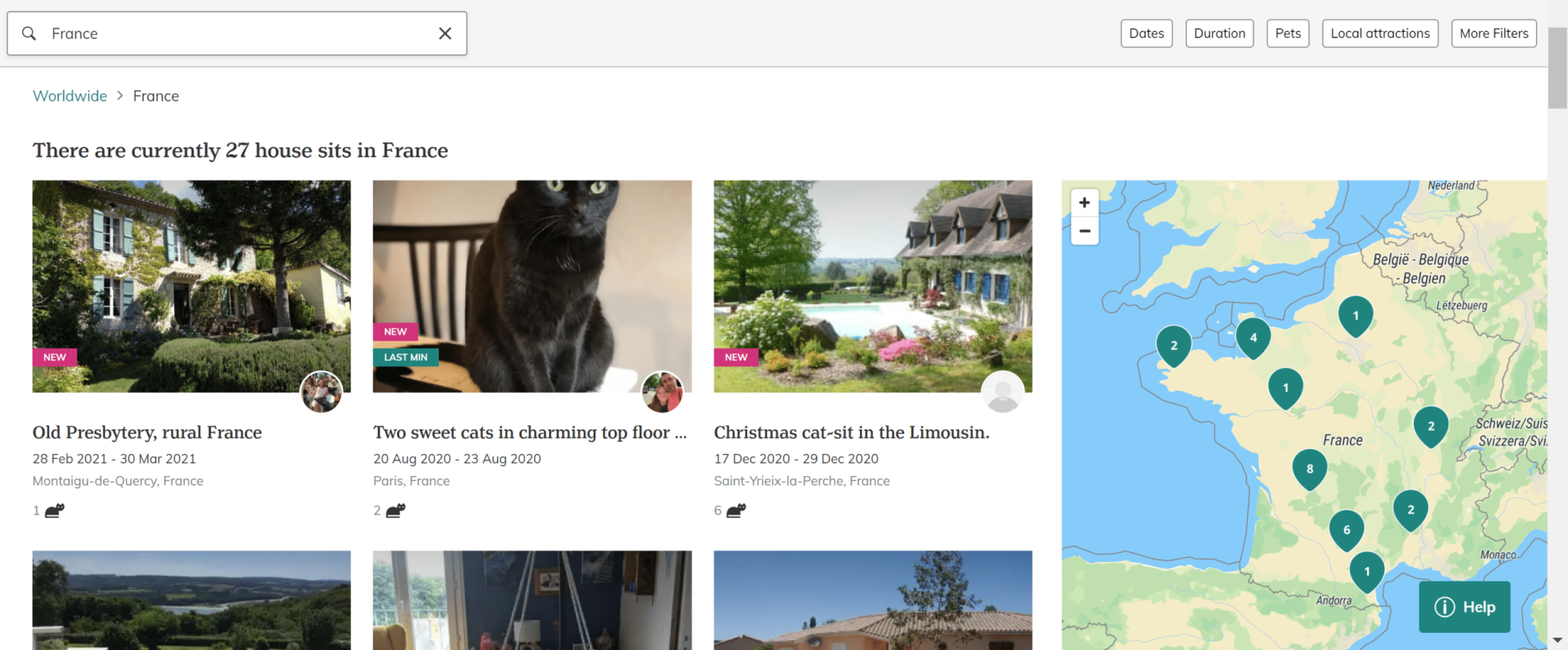
How much does pet sitting cost?
There are many websites around the world that connect owners with prospective pet sitters. Most of them charge a fee and require identity verification, such as a copy of your ID card.
Here are some well-known international sites offering pet-sitting opportunities in Europe:
- Trusted Housesitters (from €99 per year)
- Nomador (from €5.41 per month)
- Housecarers (from €45 per year)
- Workaway (from €39 per year)
- Mindmyhouse (from €17 per year)
As a general rule, the more expensive the membership and the more listings a website has, the more reliable its pet owners tend to be.
Do you find the membership fee expensive?
That's possible, but don't forget that booking a few nights as a pet sitter is always cheaper than booking a hotel room for the same period. What's more, if you often do pet sitting, you won't need to register again and will save on a new membership fee.
Are there any unexpected costs?
In principle, no. All the websites have a support line to check and act against fraudulent listings. In addition, as long as you don't transfer money directly to an individual, you're financially protected.
How do you become a "pet sitter"?
After paying for your membership, you create your profile. You describe who you are, your experience with pets and what kind of pet-sitting you're looking for.
You can also filter listings based on the animals you'd like to look after. Dogs, cats and rodents are the most common. But sometimes you'll also find unusual listings, such as for horses, iguanas or parrots!
To make your profile as appealing as possible, it's a good idea to add photos of yourself with animals. Some sites also let you add references. You could ask your employer, family or friends who have pets to write you a recommendation. Another tip: mention that you're available for a phone call or video call. This inspires confidence.
Owners may contact you based on your profile. But it's always better to actively search yourself. Choose the period you're free and where you'd like to go. If you fall in love with a pet listed on the site, you can contact its owner directly. Start with owners who haven't yet received many offers.
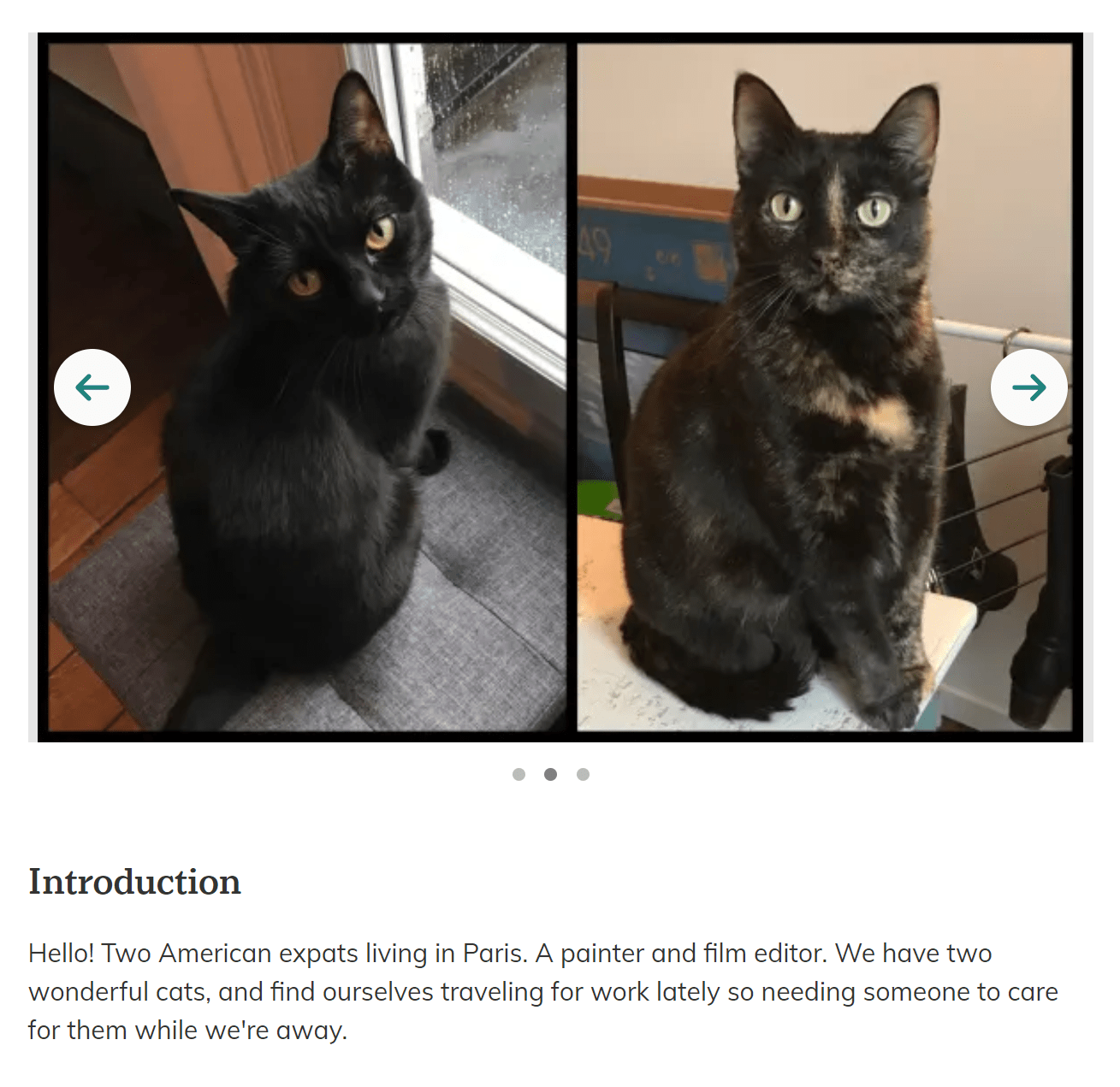
Sometimes an owner will mention specific requirements for sitters. It's common for the person to need to be able to drive and have their own (rental) car, or to be of a certain age. Sometimes only couples will be considered.
The most important reason for these requirements is, of course, to guarantee the animals' safety. However, many owners also accept young single travellers who don't have their own means of transport.
The first contact with a pet owner is a bit like a job interview. It's important to make a positive first impression. In your message, it's good to mention your experience with the type of animal in question. You could also add a personal touch, such as: "I read that your dog loves long walks. That's perfect for me, since I love staying active too!"
For a good pet-sitting experience, it's best to gather as much information as possible in advance. If the owner doesn't have photos of their home and animals, or if the photos aren't clear, ask to see more. Also make sure you clearly understand your duties and the care the pets need.
It goes without saying that communication needs to flow both ways. Do you feel uncomfortable with an owner because they avoid your questions? Then choose someone else.
Sometimes owners ask for a financial deposit in case you (accidentally) break something. Don't pay anything in advance or remotely. Instead, earn the owner's trust by providing references or your personal details.
Ready for pet sitting?
There's nothing better than the prospect of a trip combined with meeting a pet. But don't forget that your pet-sitting stay can always be cancelled at the last minute. Even though some websites provide compensation if the owner or the pet sitter cancels, nothing guarantees 100% that your stay will actually happen. If you're the one who cancels (at the last minute), you can often expect a negative review from the owner.
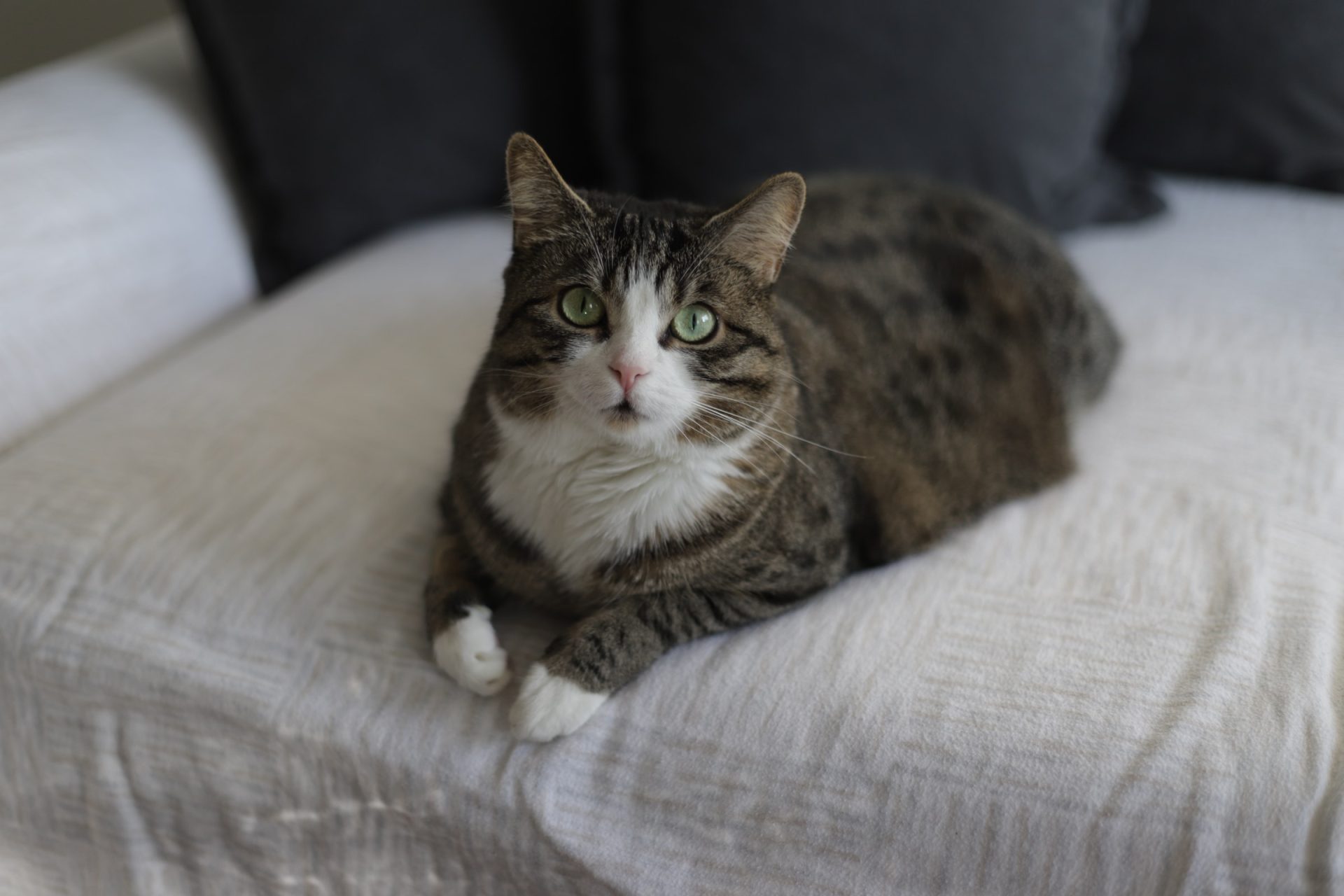
To avoid disappointment in the event of a cancellation, it's best to have a "plan B", such as another place to stay. Don't book your flights too far in advance, and check the travel advice on the Ministry of Foreign Affairs website regularly if your trip takes you to a far-flung country.
Allow yourself a few free days before the pet-sitting period begins so you can explore the area. You can use this time to meet the owner beforehand, visit the house and get to know the pets. It'll also be the perfect time to ask any extra questions.
Once all the formalities are sorted, your trip can officially begin!
At the end of the pet-sitting period, most websites let both the owner and the pet sitter leave a review. This helps you build up references for your next pet-sitting stay.
One last tip: make sure you have good temporary travel insurance or annual travel insurance, like Redion's!
 Our blogger Lisa:
Lisa is a freelance blogger who has just spent a year exploring Australia alone, in a Jeep. When she's not travelling, you'll often find her at home, on her sofa with her rabbit Nelson on her lap and a language course in hand. You'll find her articles on Greek mythology and Bali on her website lisasvividwriting.com.
Also read our other articles about animals by clicking here.