At a glance
You may sometimes come across a lost, injured or dead animal at home or on the road. What's the best way to react in that case?
You may sometimes come across a lost, injured or dead animal in your garden or on the road.
What's the best way to react in that case?
1. You find a lost pet (dog, cat)
- Check whether the animal has some form of identification (a small tube with the owner's address, an ID tag on the collar or the animal's tag, …). If so, you can contact the owner directly.
- If you can't identify the animal, contact your local council or the police. They will do what's needed to try to find the owner, possibly with the help of a vet (who will have a microchip reader).
- You can also check specialised websites where owners can report their missing pet. For dogs, also check the DogID website.
Good to know
- Some animals 'in heat' may have wandered considerably far from home.
2. You find an injured or distressed wild animal
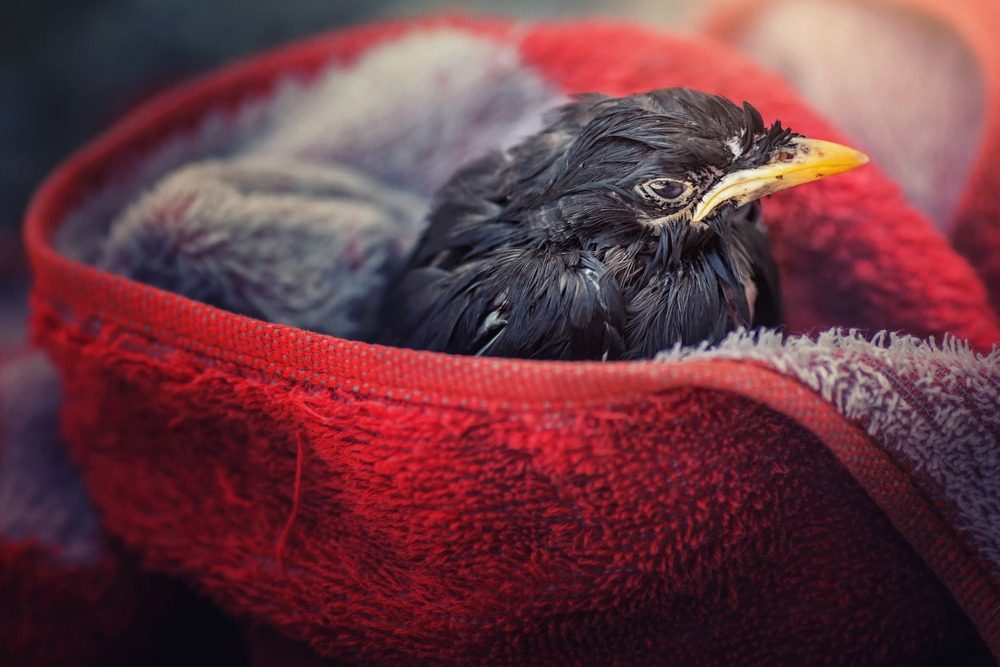
Examples: an injured bird or squirrel, abandoned chicks or hedgehogs, injured game, a captured wild animal, …
What to do
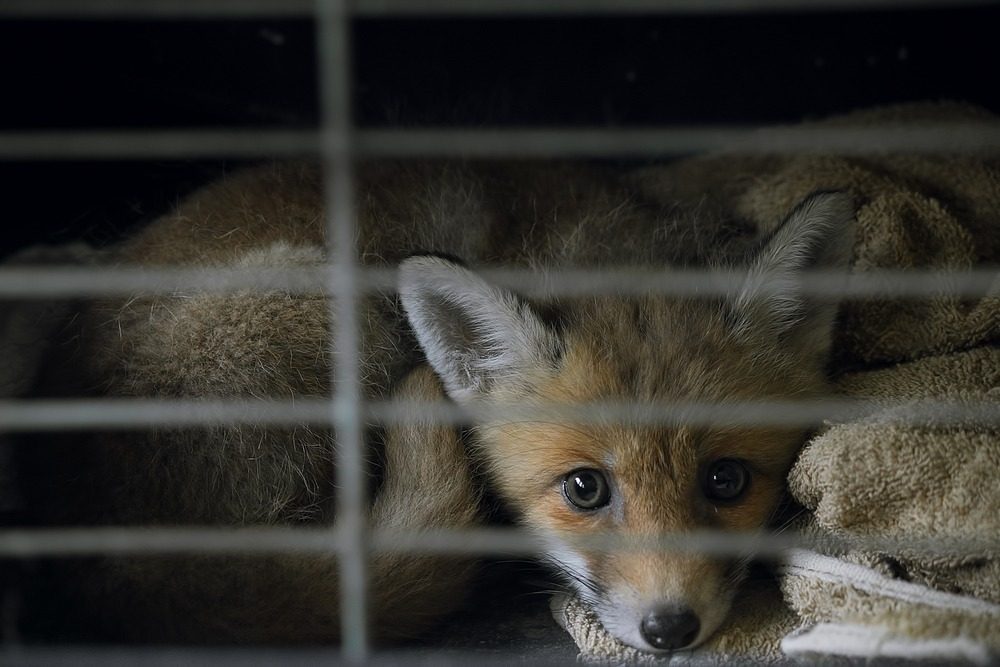
- If the animal is small and can be carried, put it in a cardboard box that you've poked a few holes in (avoid putting it in a metal cage so it doesn't hurt itself) and keep it in a dark place at a moderate temperature.
- Contact the nearest rehabilitation centre to your home as quickly as possible. They will advise you and send someone to collect the animal (possibly by veterinary ambulance) and take it to a centre where it will receive the care it needs. For small wild mammals you've found, contact the Creaves centre. (https://www.creaves.be or 069/35.24.83)
What not to do
- Don't force the animal to drink or eat. An animal under stress may refuse any food.
- Don't try to treat the animal with medication. Some medicines given to humans are harmful to animals.
- Don't needlessly stress the animal by exposing it to others, handling it, trying to take photos or videos with flash, making noise, etc.
Good to know
- Practically all rehabilitation centres are looking for volunteers or people willing to help transport sick or injured animals.
- Be careful when handling the animal: protect yourself (gloves) and watch out for its reactions (it could escape, bite or scratch). Covering its head often results in a calmer reaction from the captured animal.
- Many wild animals are protected. It is therefore illegal for private individuals to keep them in captivity (or, even more so, to kill them).
- If you find a bird in distress, follow the recommendations of the Bird Protection League.
3. You find a dead animal
Have you found a dead animal that could pose a danger or risk to the environment or to road users? Contact the local police, who will have the carcass removed.
Useful links
- Rehabilitation centres in Belgium
- [My pet has run away. What should I do?](/en/blog/pet-run-away-or-lost-what-to-do)\