At a glance
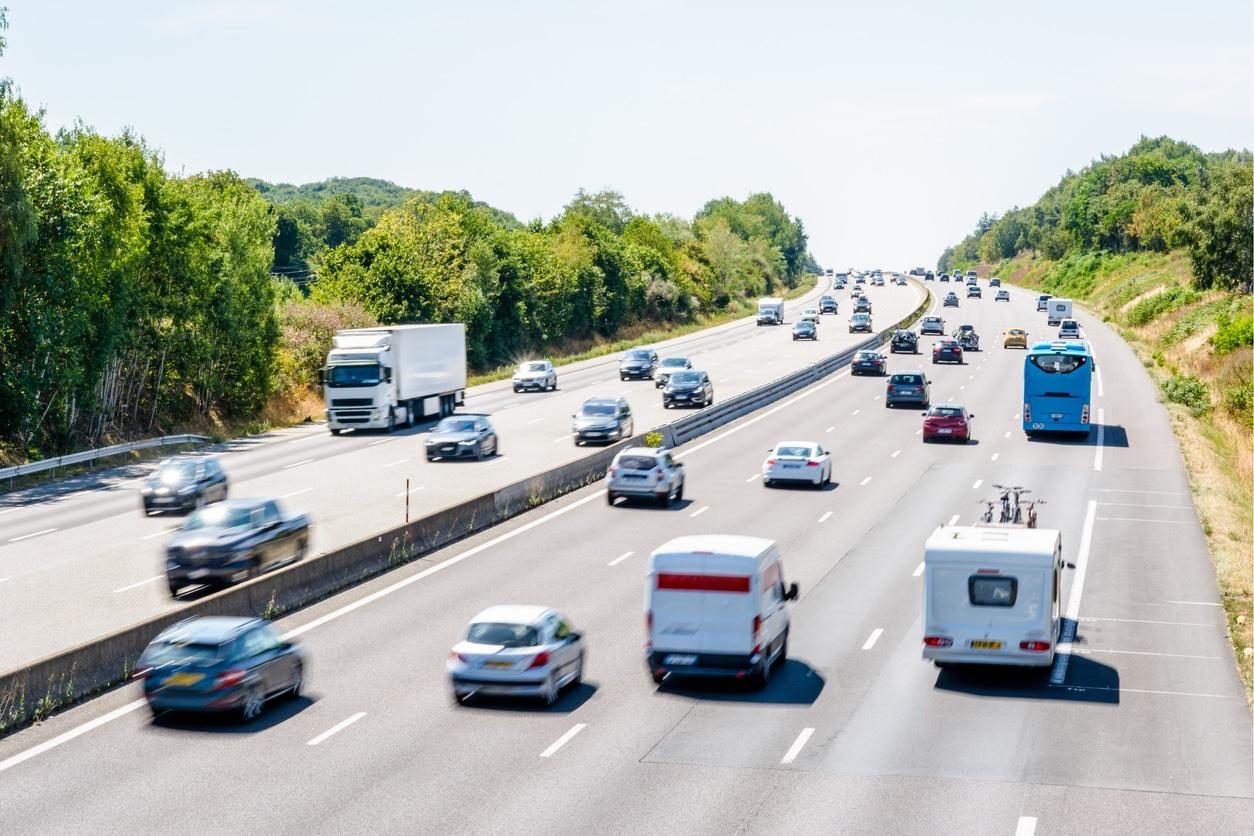
Lane reductions are often synonymous with slowdowns. To avoid traffic jams, zipper merging has now been made mandatory.
Lane reductions are often synonymous with slowdowns. To avoid traffic jams, zipper merging has now been made mandatory.
Zipper merging: now an obligation
In Belgium, zipper merging was made mandatory by Royal Decree on 1 March 2014. Drivers travelling in a lane that is narrowing are now required to merge just before the lane ends. Drivers in the lane that continues must, for their part, give way alternately.
A fine of (at least) 55 euros applies in the event of an offence. This offence falls into the first category of offences, alongside forgetting to indicate or not wearing a seatbelt.
What are the benefits of zipper merging?
This technique helps keep traffic flowing smoothly, as shown by the results in Germany, Austria and the Netherlands, which introduced this rule several years ago already. The Grand Duchy of Luxembourg also introduced zipper merging in June 2012, but imposes a higher fine for non-compliance: 74 euros. In France, zipper merging has not yet been included in the highway code.
How to apply zipper merging effectively
- If you're driving in the lane that's narrowing: 300 metres before the lane ends, match your speed to that of the free-flowing lane. This will let you merge more easily, without having to slow down or force your way in.
- If you're driving in the free-flowing lane: leave enough space between you and the vehicle ahead so that drivers in the other lane can merge without having to force their way in.
In conclusion
We recommend applying this principle in order to reduce queues when approaching a lane narrowing. It helps maintain a courteous attitude behind the wheel in all situations.