At a glance
Be careful if you drive after having one or more alcoholic drinks - some countries apply zero tolerance!
Be careful if you drive after having one or more alcoholic drinks - some countries apply zero tolerance!
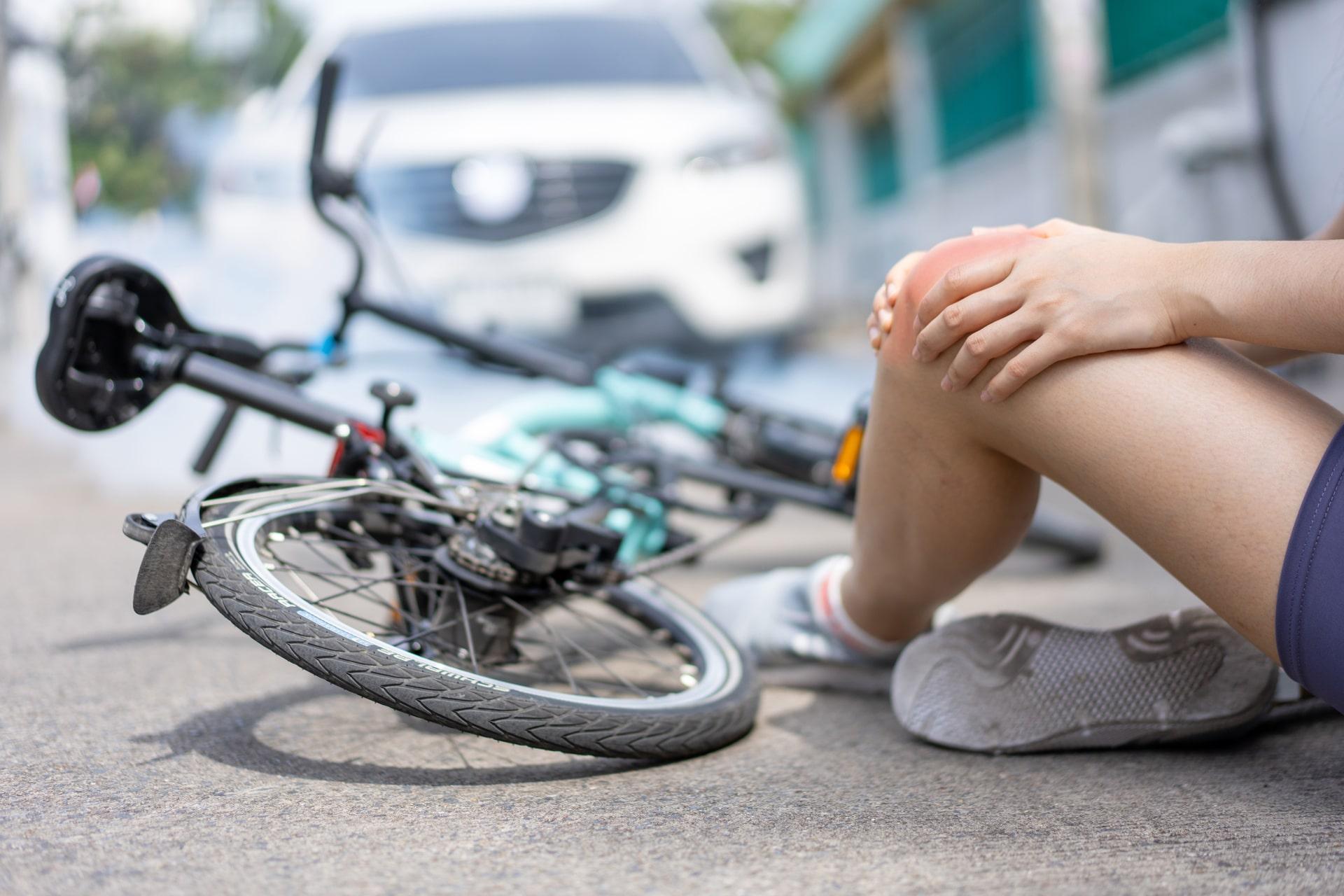
Driving under the influence of alcohol is a frequent cause of accidents (sometimes fatal) and depends entirely on the driver's behaviour and risk-taking. It's therefore no surprise that tolerance rules are very strict. Eastern European countries are the strictest. It's not uncommon for them to apply zero tolerance.
A driver who has been drinking no longer has the same reflexes
Everyone knows that drinking alcohol has a negative influence on driving: the driver becomes more impulsive and takes more risks, their vision is reduced or impaired (so they see obstacles less well), they risk falling asleep, their reflexes are slower, they make errors of judgement (e.g. the distance separating them from an obstacle or another vehicle), and alcohol also affects emotional state (they'll be more talkative, more likely to "joke around" or get irritated at the situation more easily!).
The consequences are therefore predictable!
Moreover, many drivers are occasional drinkers. They easily take the risk of getting behind the wheel of their vehicle, despite what they consider to be "low alcohol consumption" and "a low-risk route" for "a short trip".
What's more, they often find it very difficult to accurately assess their blood alcohol level. In other words, it's not uncommon to believe you're in "perfect condition" to drive, when that's not the case!
Sometimes this level even remains high the day after a heavy night out!
Different regulations by country
Below you'll find a map with the maximum blood alcohol level tolerated in European countries, expressed in permille. (2019 data)
(Click on the map to enlarge it)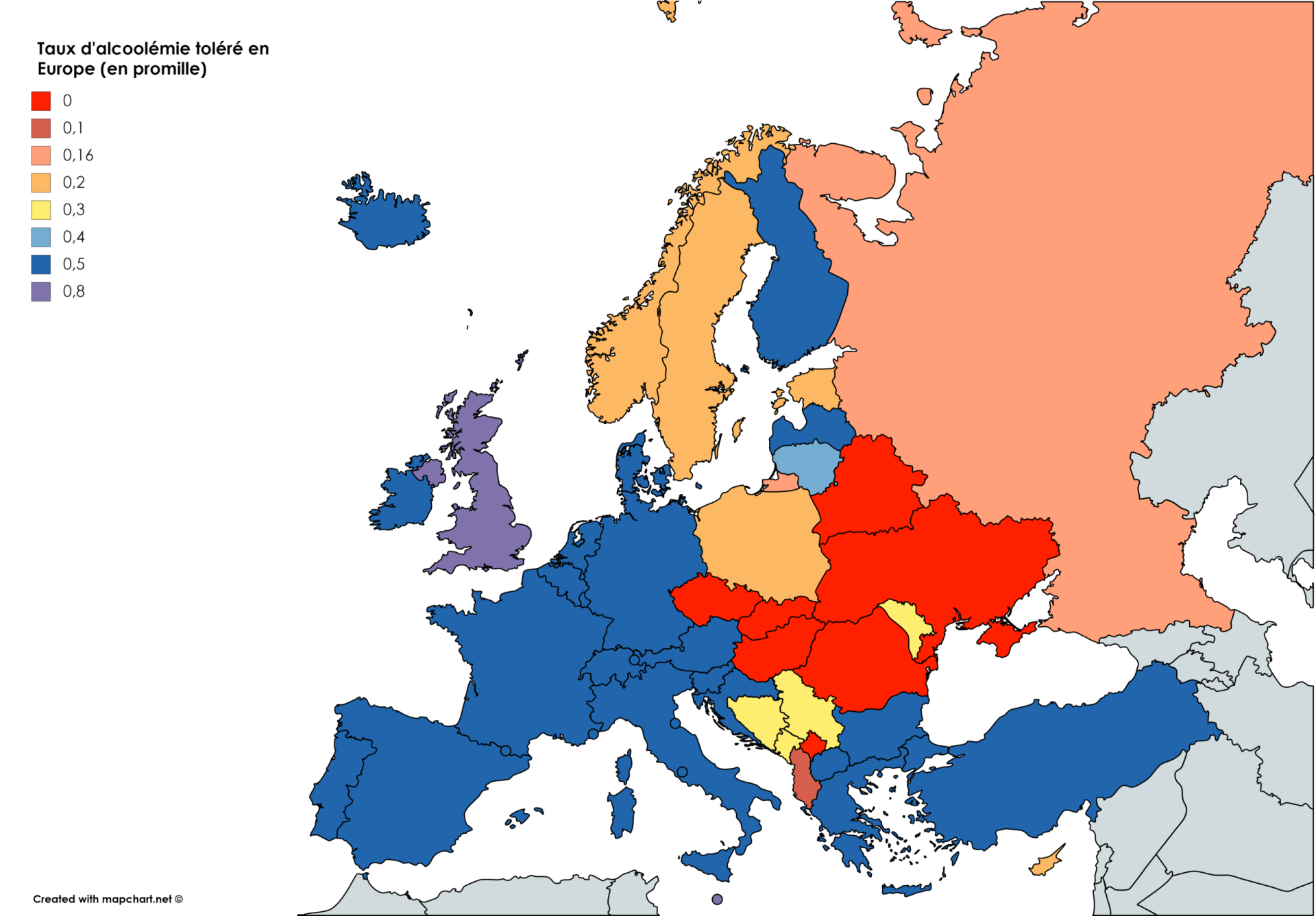
Important to know
- Note that in many countries, there is a specific rule for "novice" drivers (less than 2 or 3 years of driving experience) and/or for truck drivers and professional drivers. Very often, for these drivers, the tolerance threshold is lower than the rates shown on the map above, or even zero (as in France and Germany)!
- Are you driving in a non-European country? Find out beforehand about the tolerance for blood alcohol levels by contacting the consulate or tourist office of the country concerned. In some countries, failure to comply with these regulations can lead to very severe penalties and sometimes even imprisonment! This is even more true for drug use.
- Sometimes, simply carrying alcohol in your vehicle or having it within reach can be penalised, as is the case in the United States.
How is blood alcohol level calculated?
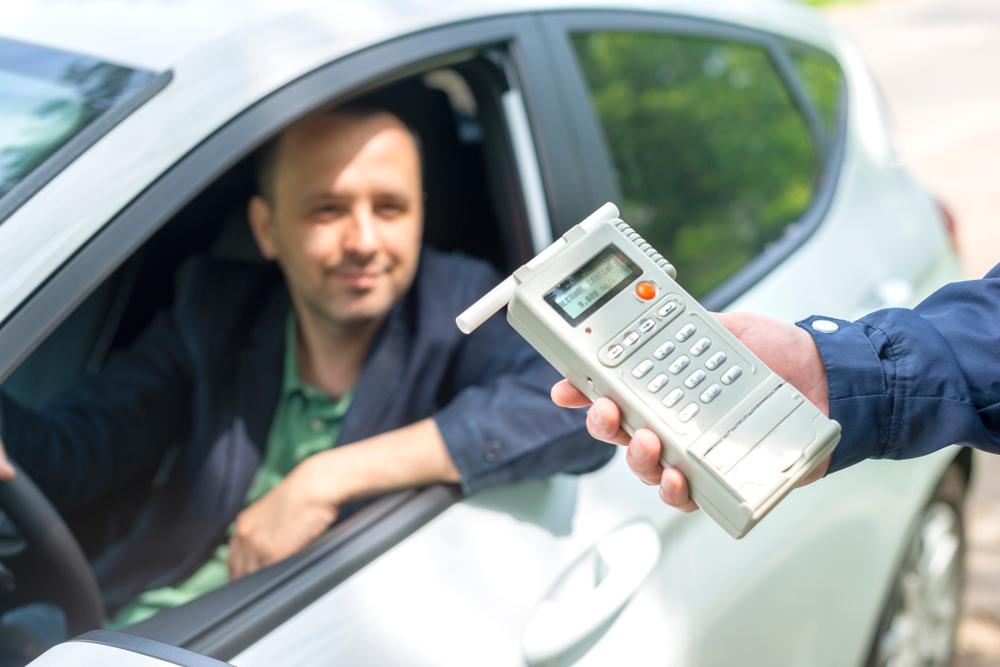
Want to calculate your blood alcohol level? Read the article "Alcohol, breathalysers and calculating blood alcohol level".
The golden rule if you're driving: even if there's a slight tolerance in the country where you're driving, the rule is not to drink when you get behind the wheel.
Don't think that a (or several) strong coffee(s) will make the effect of alcohol disappear, and know that the "tricks" sometimes mentioned or found on the internet to reduce or eliminate blood alcohol levels don't work!
 Designated drivers
It can never be said often enough: For your safety, don't drink alcohol before getting behind the wheel.
If you do drink alcohol, make sure you have a driver who has abstained from alcohol (a designated driver) or postpone your journey (possibly by staying over) until the effects of the alcohol have worn off.
For their safety, feel free to exercise social control over the people accompanying you who (because of their alcohol consumption) are not fit to drive their vehicle, by advising them not to drive.
Also read