At a glance
Driving in the United States isn't quite like driving in Europe. Laureen de Bres shares her tips and best tricks.
You've arrived in the United States and want to explore its vast, beautiful landscapes and impressive cities by car or motorhome. But driving in the United States isn't quite like driving in Europe. Laureen de Bres travels to the USA regularly. She is editor-in-chief of Noordernieuws.be and of the blog de2belgen.be, and shares her tips and best tricks with us.
Renting a car in the USA
If you rent a car (or a motorhome) in the United States, first compare prices from the different rental companies and check which types of insurance are included or not. We recommend having an international driving licence.
Watch out for long distances
Filling up
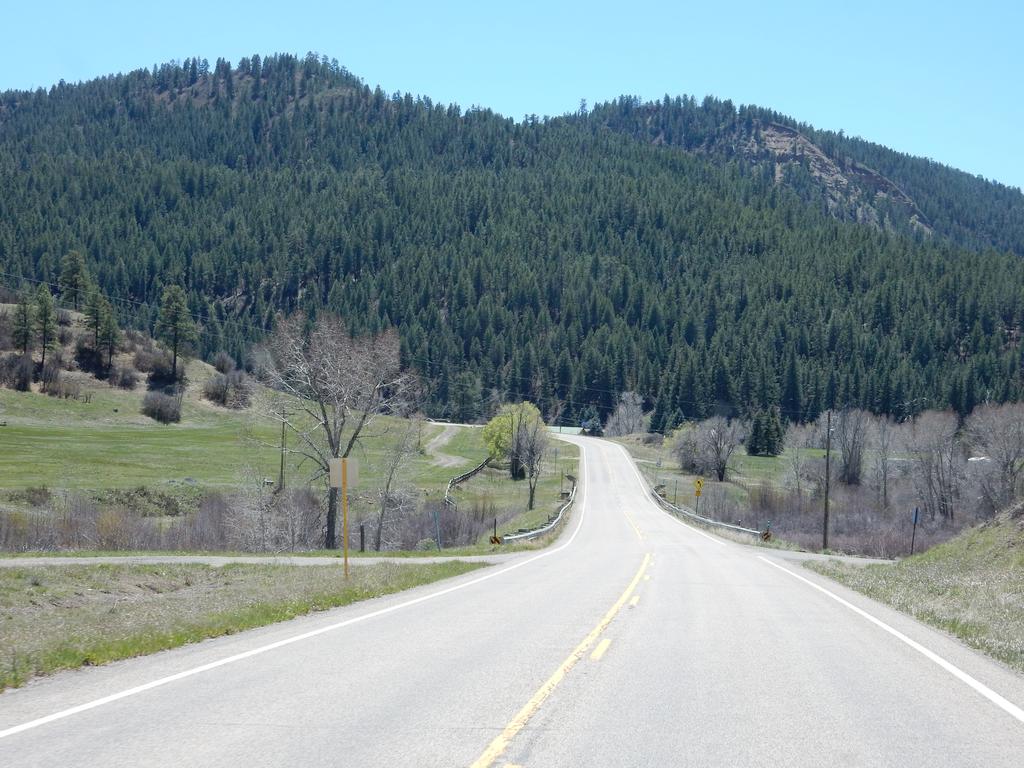
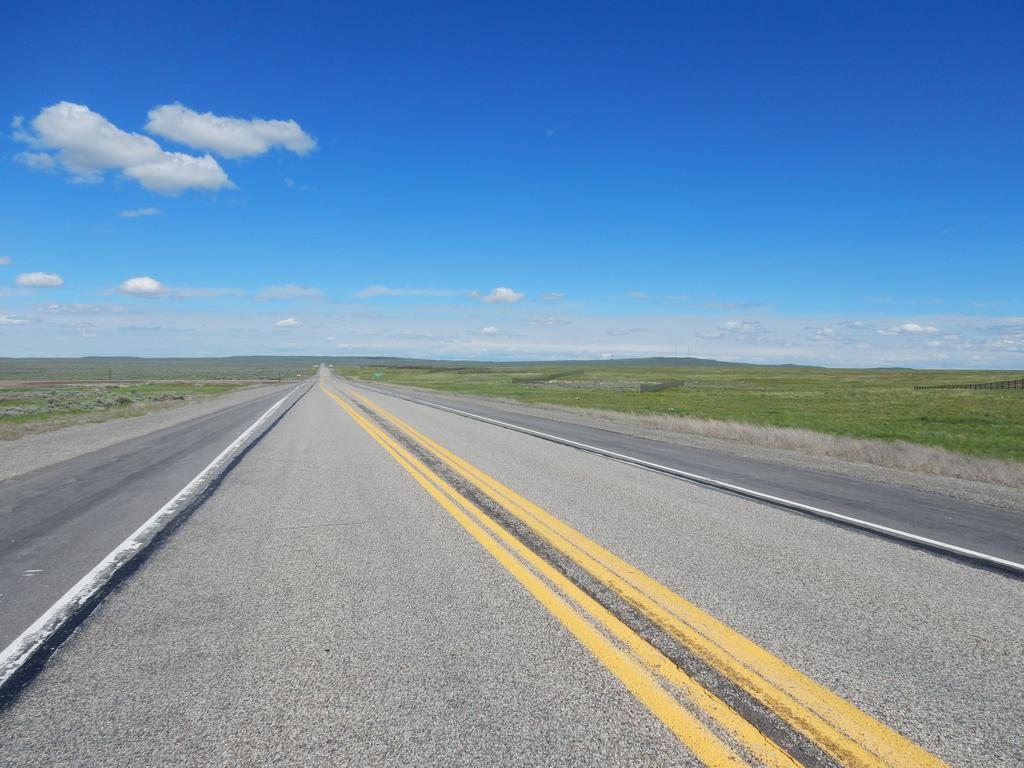
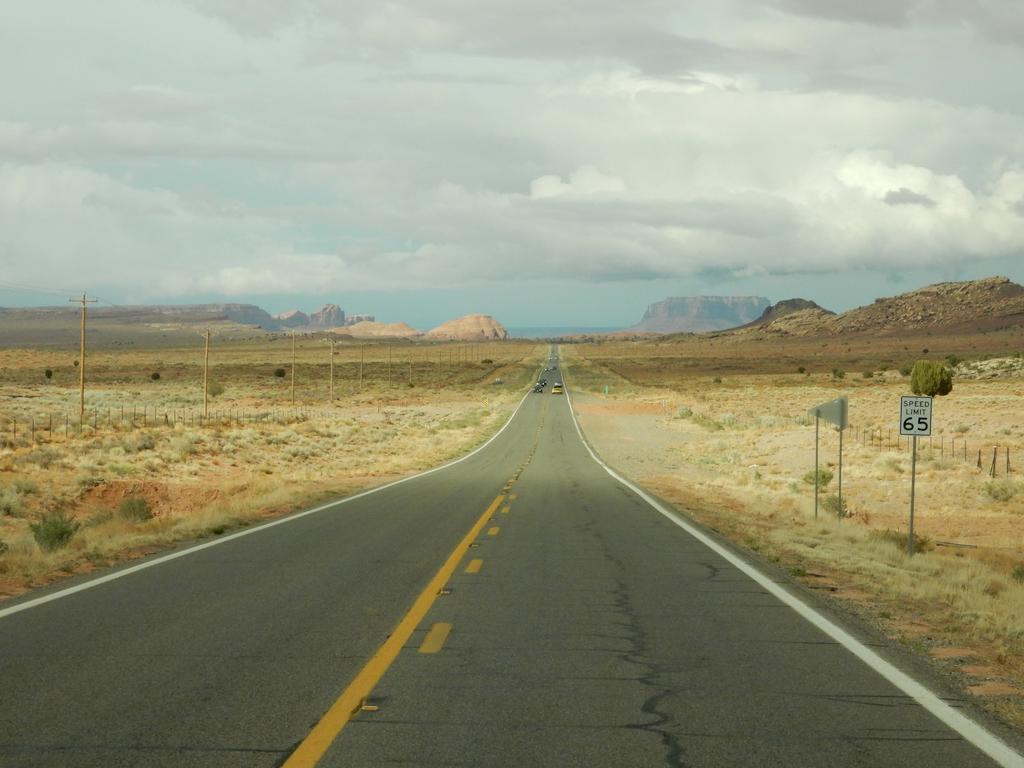 As soon as you leave the cities, you enter a very wide-open and isolated area, sometimes very sparsely populated. It's a wonderful experience for anyone who loves nature and silence. But it also means that petrol stations are far scarcer than back home. It's therefore advisable to check the distance you'll be covering each day and to always start your trip with a full tank. Petrol stations are more expensive along the highway, and the same is true of petrol stations on the outskirts of towns. Avoid them if possible and fill up further on in a denser area — you'll save quite a bit!
Roads where refuelling options are very limited are often marked with a sign reading (for example): "No service next 95 miles". But this warning isn't posted everywhere. So keep an eye on your fuel gauge as well as the distance still to cover, and make sure your tank is full.
Food and drink
Don't just think about your car, but about yourself too. Always bring along some drinks and, if needed, some food. To keep food and drinks cool, you can buy a disposable cooler box at many petrol stations and supermarkets. They're made of polystyrene foam and insulate well. At the end of your trip, you can throw them away, recycle them, or give them to someone else.
During the colder months, or in states with snowy roads, it's best to bring hot drinks and a blanket. Also remember to pack a torch.
If you're travelling from hotel to hotel and, say, have a bottle of wine to enjoy in the evening, don't keep it in the car. Alcoholic drinks must be kept in the boot and must not be easily accessible.
Mobile phone
Using a mobile phone while driving without a hands-free kit is banned in a great many states.
Speed on US roads
Speed is something that is very strictly monitored. Watch out, even in the middle of the desert: I don't know where they come from, but suddenly they're there to fine you! A lot of checks are carried out from flying objects. You don't see them, but they see you.
If the police pull you over, park in a safe spot as soon as possible and above all stay seated in your car or motorhome. Keep your hands on the wheel and don't take anything out of the glove compartment. It sounds more serious than it is, but in fact the same rule applies here in Europe.
It's important to bear in mind that overtaking on the right is allowed in the USA. So pay close attention when merging into the right-hand lane and make sure no one overtakes you on the right!
Speed limits
The average speed on secondary roads in the USA is 65 miles per hour. On highways in some states, it can be 75 miles per hour. These limits can vary from state to state. So pay close attention to road signs and, if possible, use your cruise control set to the maximum speed allowed. You'll find here a list of the speed limits in force in each state.
If you cross the border into Canada, be aware that speeds there are shown in kilometres, not miles.
Traffic rules specific to the USA
Intersections
Of course you already know "Stop" signs, identical to the ones on our roads. But in the USA they're sometimes slightly different. Underneath a "Stop" sign, you'll very often see the sign "4-way crossing" (Xing) or "3-way crossing" or "all-way".
At an intersection marked with such a sign, drivers note who arrived first, second, and so on. You can then set off again in order of arrival at the intersection. So if there's already a car there, a second car arrives from another lane, and you follow as the third vehicle, you can carry on once the second vehicle has left. All Americans stick to this rule, so do the same. If you hesitate too long, the driver behind you will usually let you know…
At an intersection with traffic lights, you can turn right on a red light if the situation allows it. If you're only allowed to turn right on a green light, you'll see the sign: "Turn on green only"
 Emergency services and school buses
If an ambulance or a police car approaches you with flashing lights and a siren, pull over to the side of the road as soon as possible and wait for the emergency vehicle to pass. This also applies if the vehicle is coming from the opposite direction.
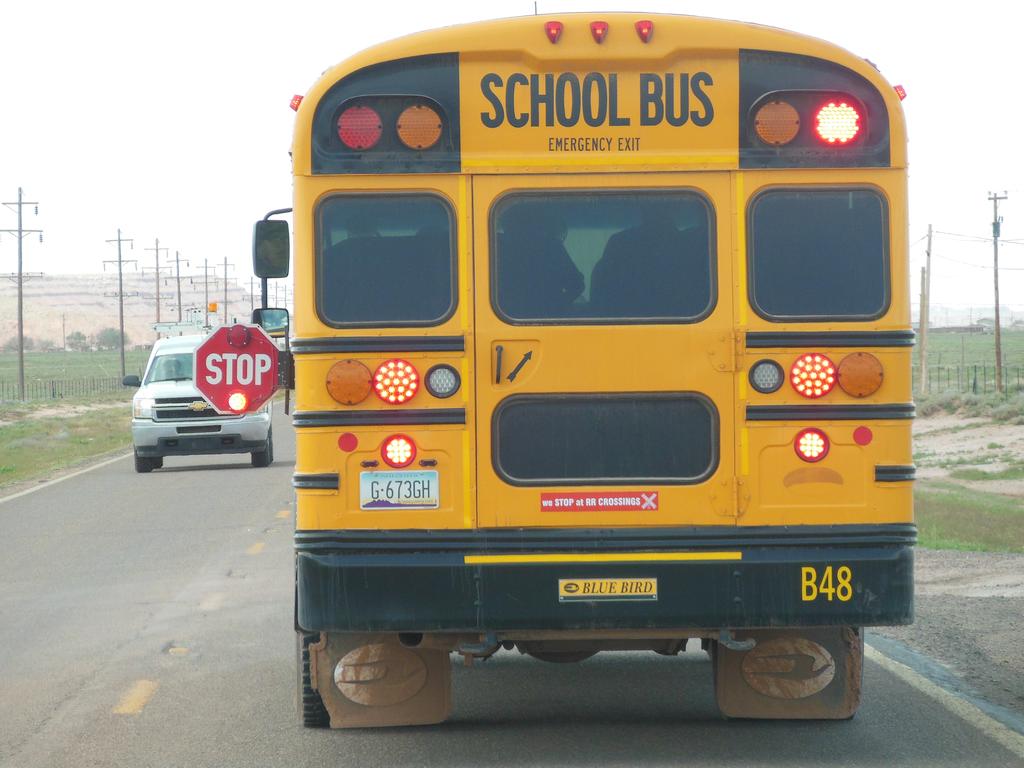
Before and after school hours, you'll very often come across the famous yellow school buses. These buses stop very frequently. School bus stops are often marked with a sign. If you're following a school bus and its red lights come on, never overtake it. A "Stop" sign also appears on the side of the bus. If a school bus stops on the other side of the road to let children on or off, you must also stop. If you set off again before the bus does, you'll be in trouble!
Changing lanes
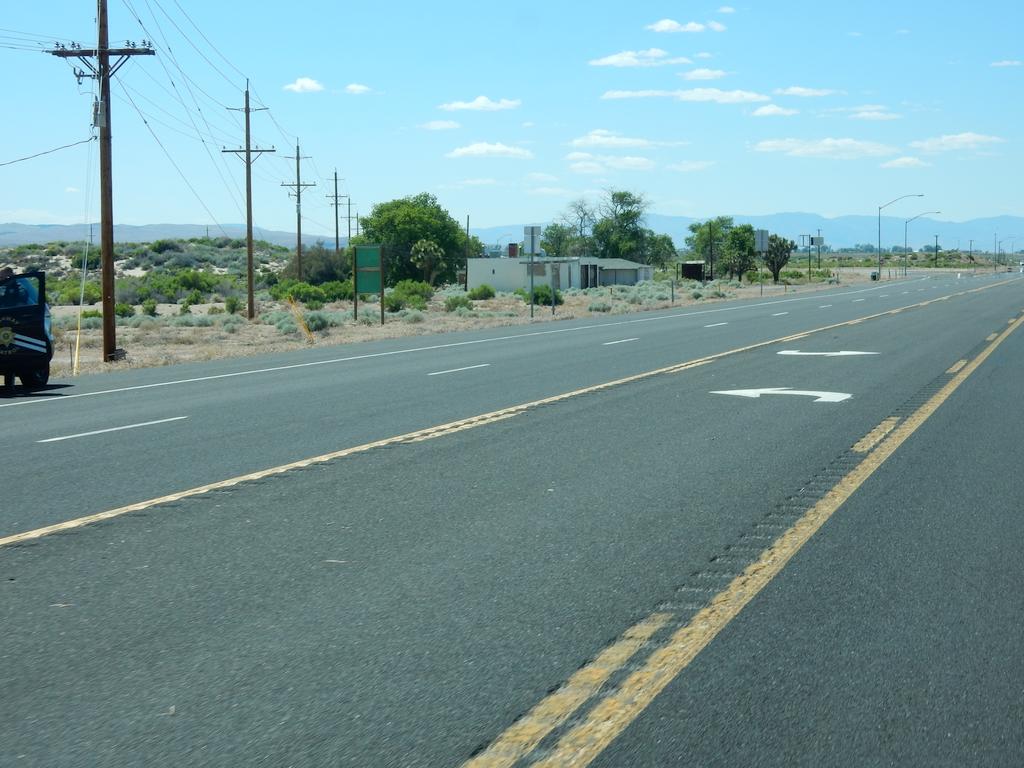
Changing lanes works the same way as back home. But there's one exception: in towns with more traffic, you'll often see a centre lane marked with unbroken lines and broken lines on both inner sides (see the picture in the photo gallery below). These lanes are meant for crossing the road if, for example, you want to reach a shop or restaurant on the other side. But if you're leaving a car park to turn left and traffic is heavy, you can also use this lane if the situation allows it, to cross the traffic lanes from the left and then rejoin the road on the right. This special lane must not be used for normal traffic, only as a turning lane.
Read more useful driving tips here.
Share the road
Cyclists
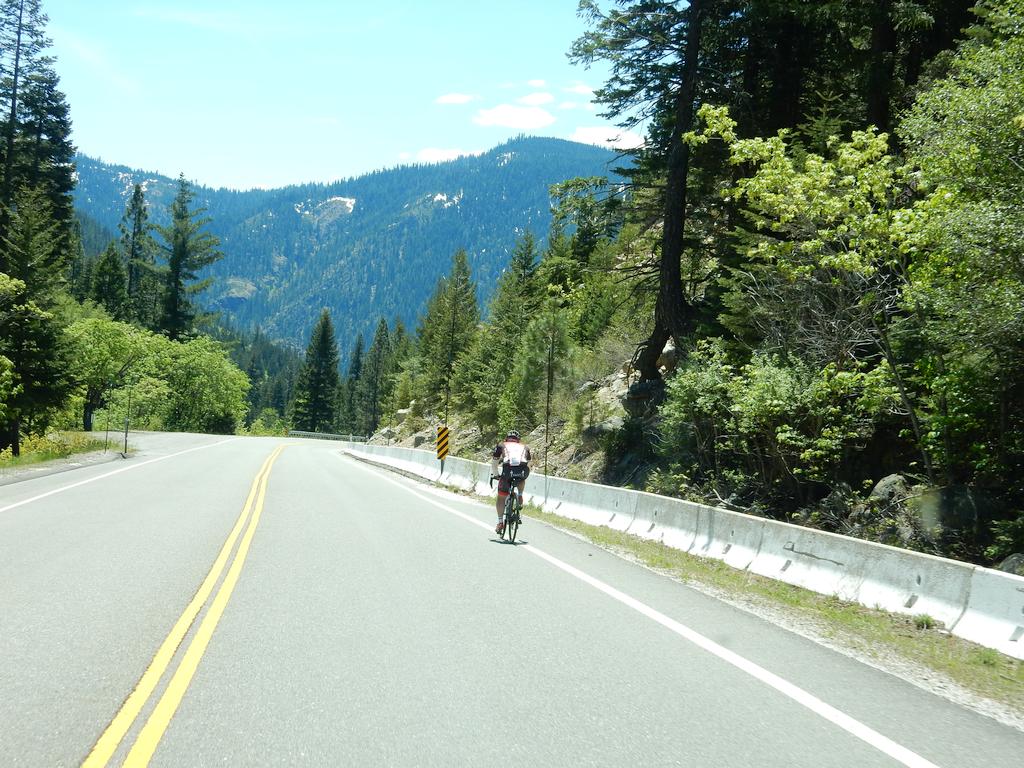
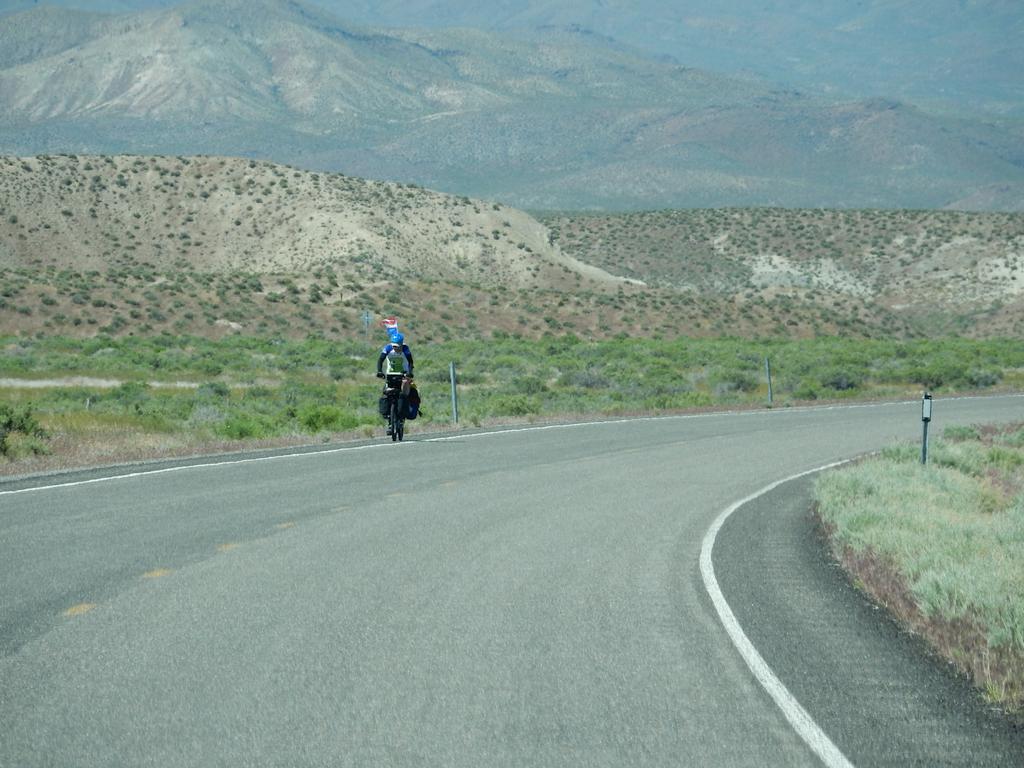
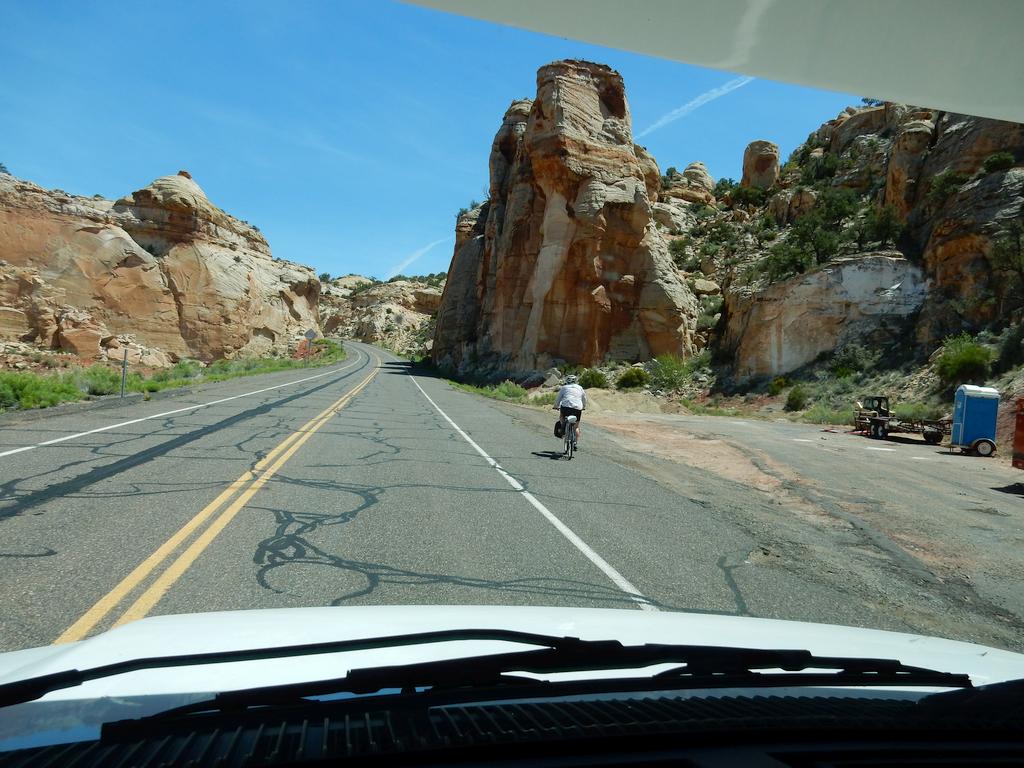
There aren't many of them, but you'll also come across cyclists on isolated roads, far from the big towns. A sign may read: "Share the road". Keep your distance when overtaking.
Animals on the road
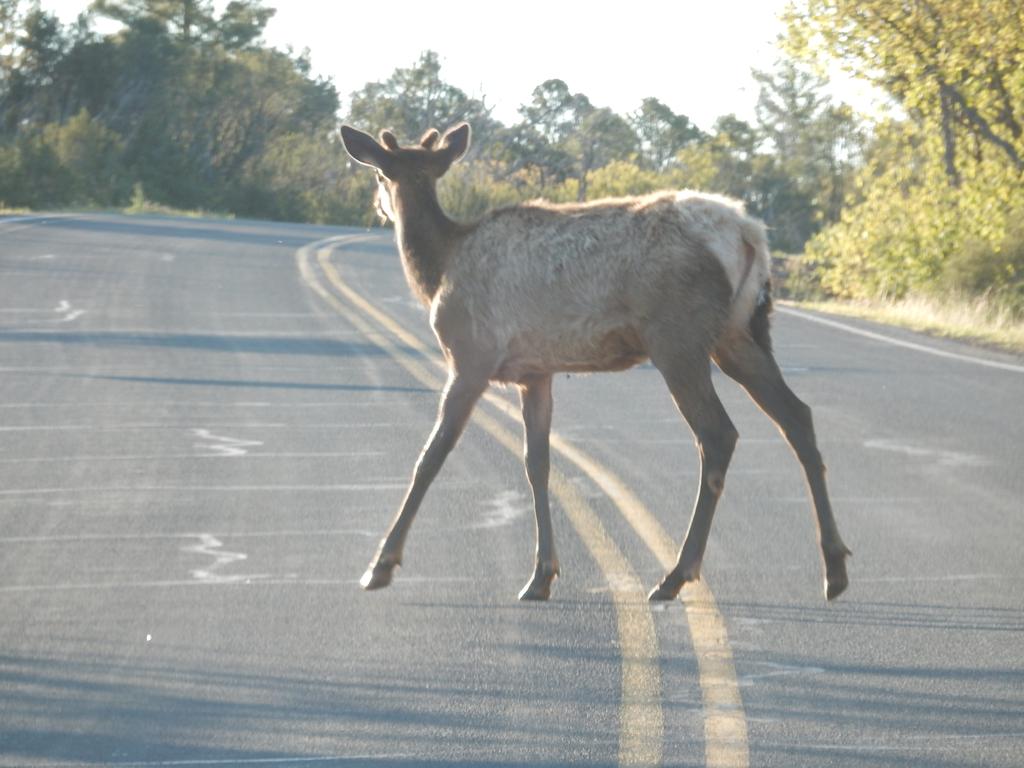
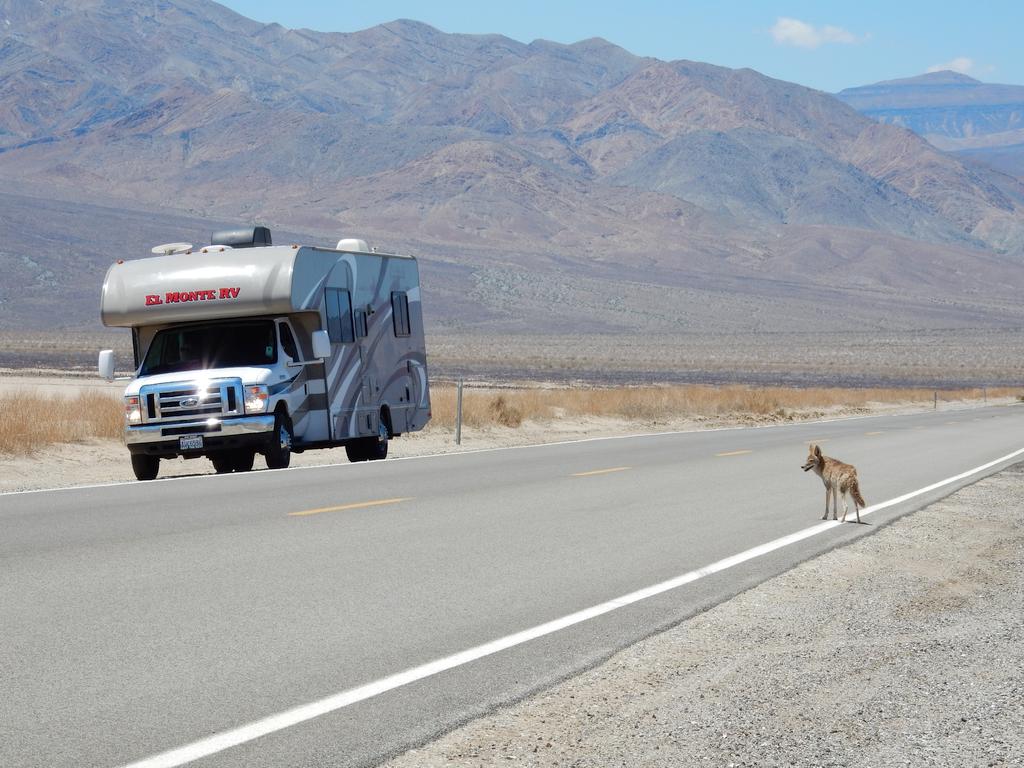
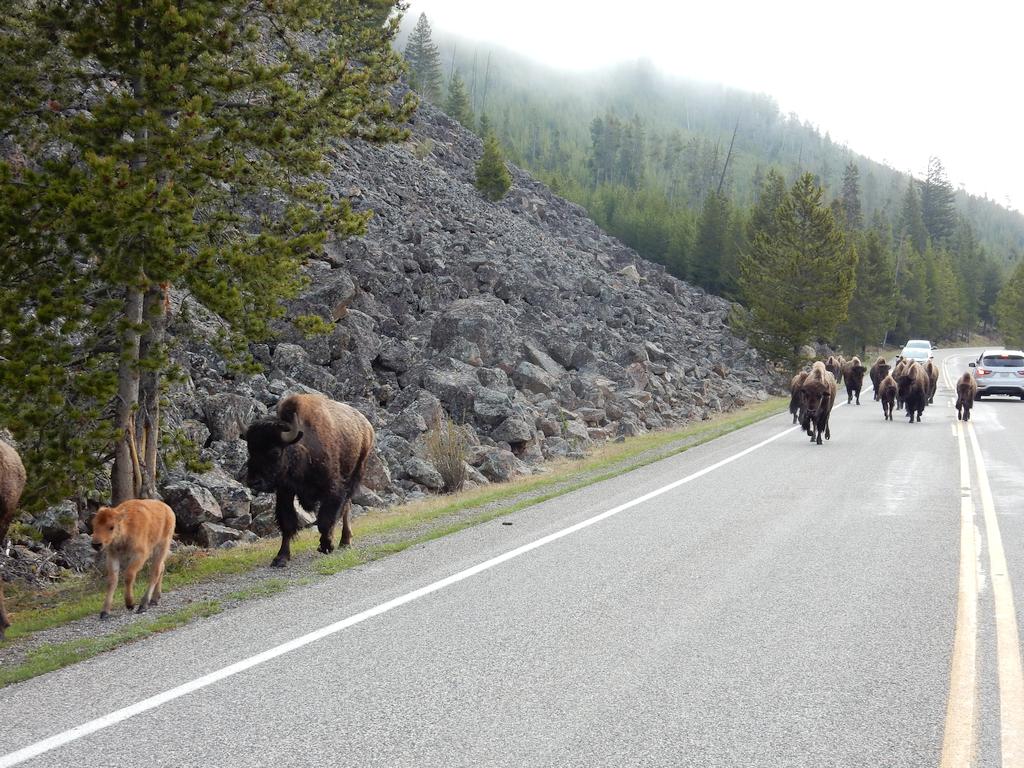
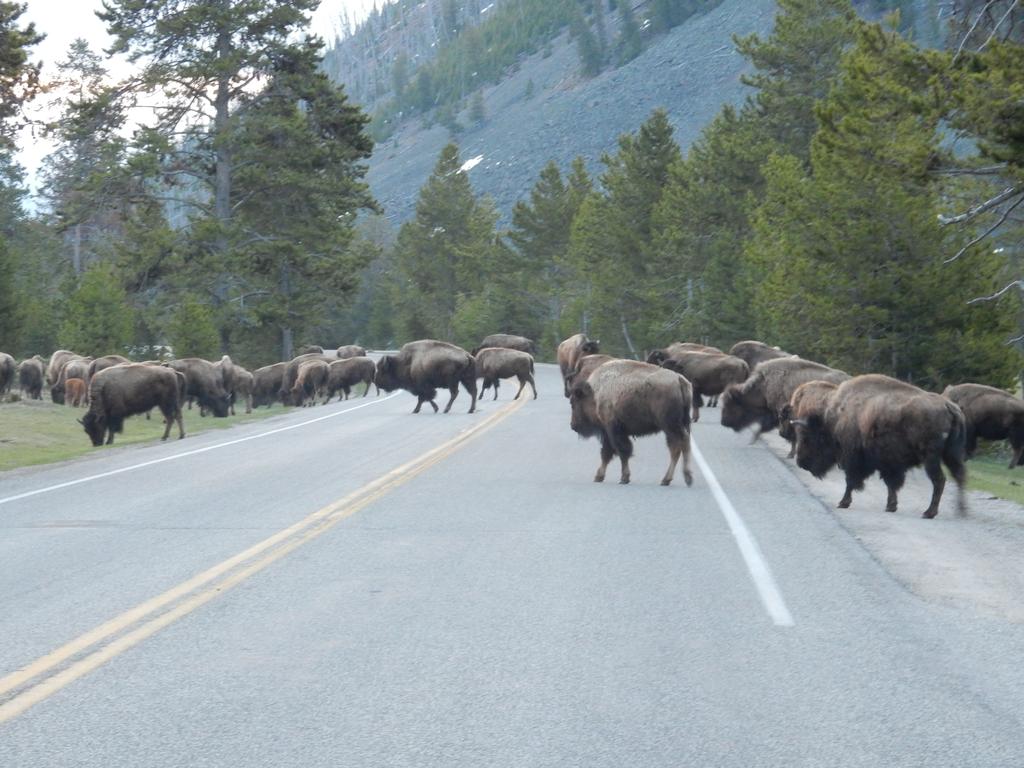
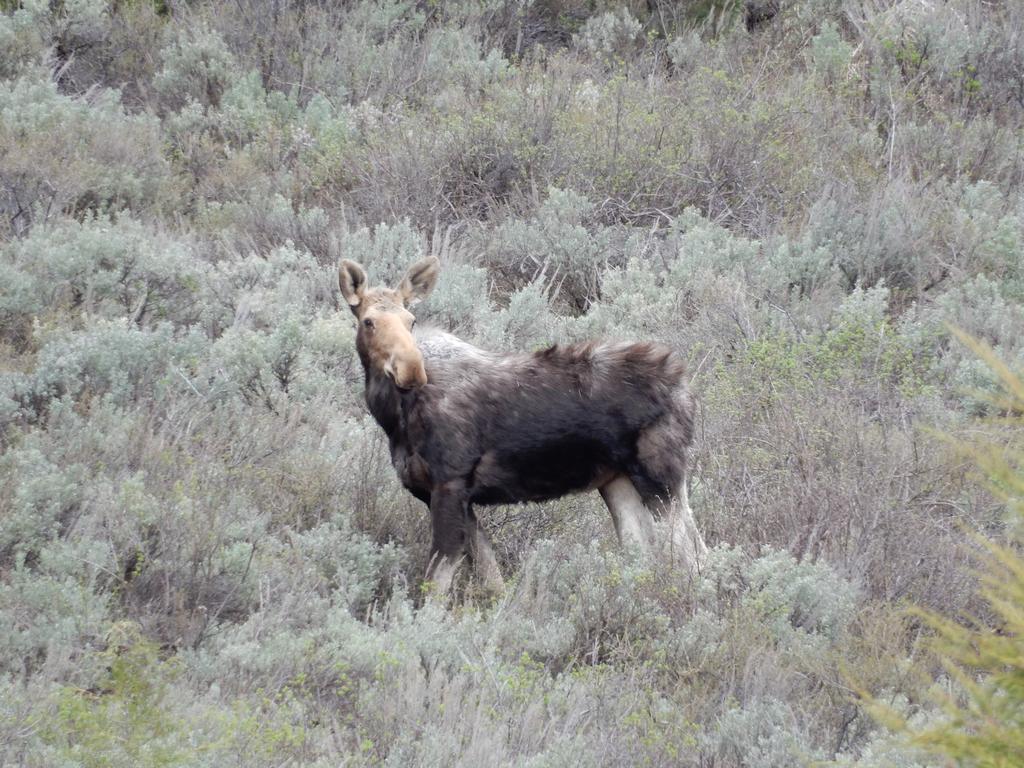
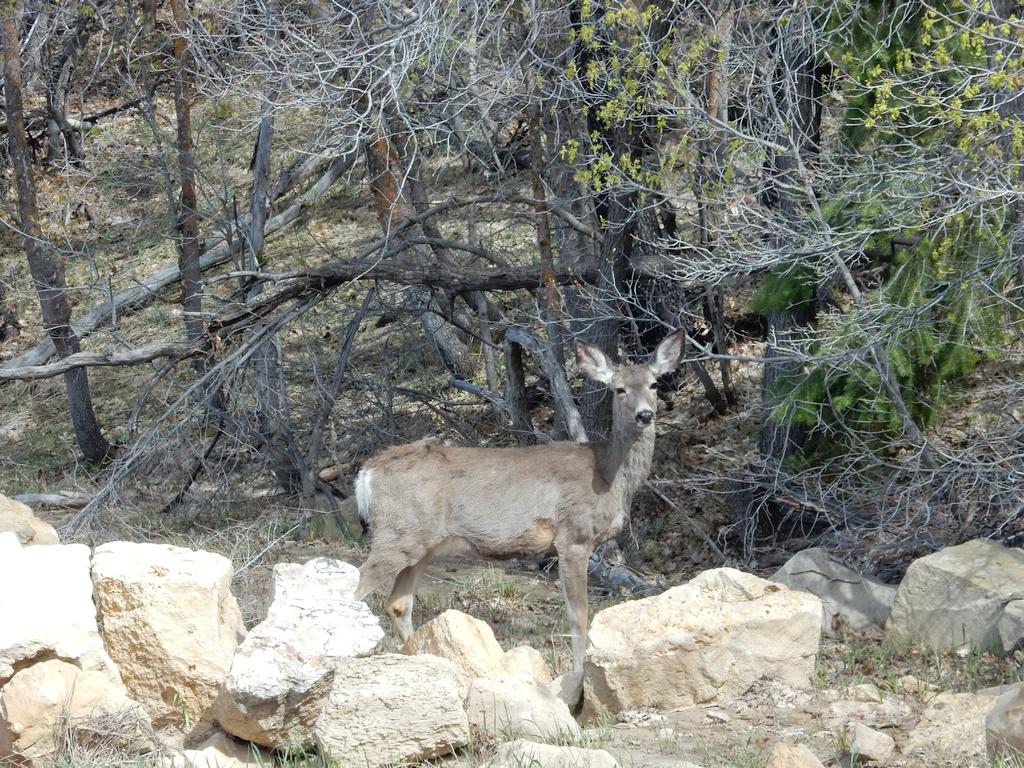
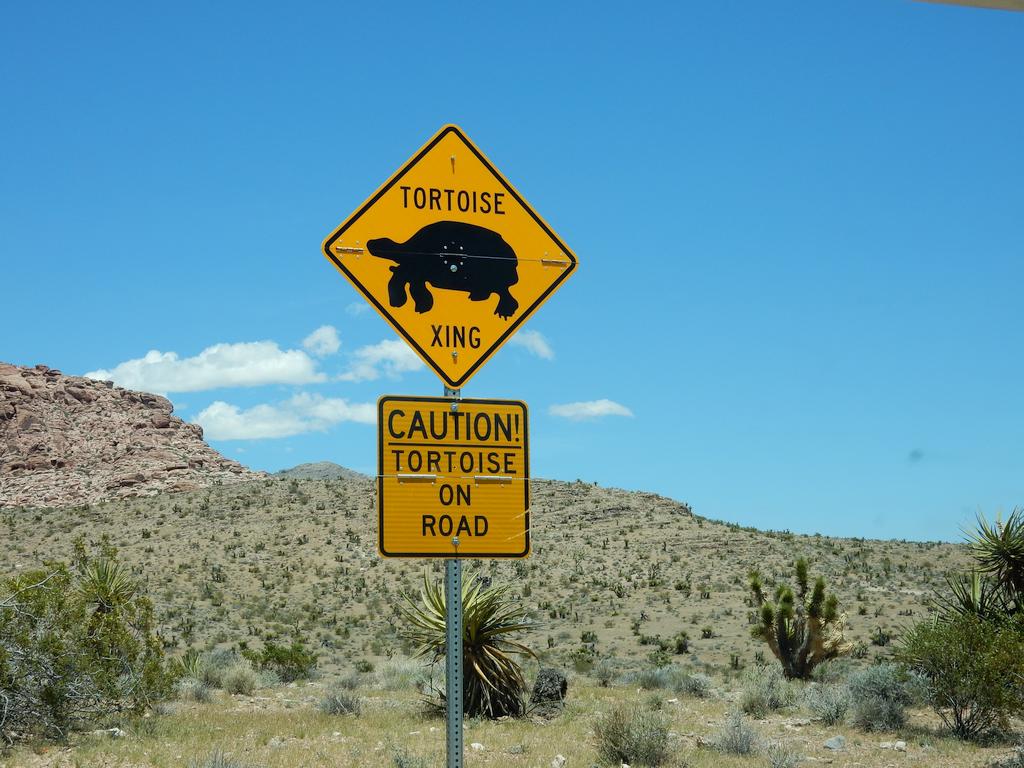
The afternoon is a time when deer and other animals tend to appear. So always watch out for wildlife that might cross the road, especially on bends and in wooded areas. If you don't see well in the dark, it's best to stop before sunset. Outside towns there's no lighting, and believe me, the roads are very dark. In many areas, you'll also see signs reading "free range" or "open range". This means that livestock roam freely there and may cross the road. The label "deer emerging area" means that deer from different herds gather in that area and may also be found on the road.
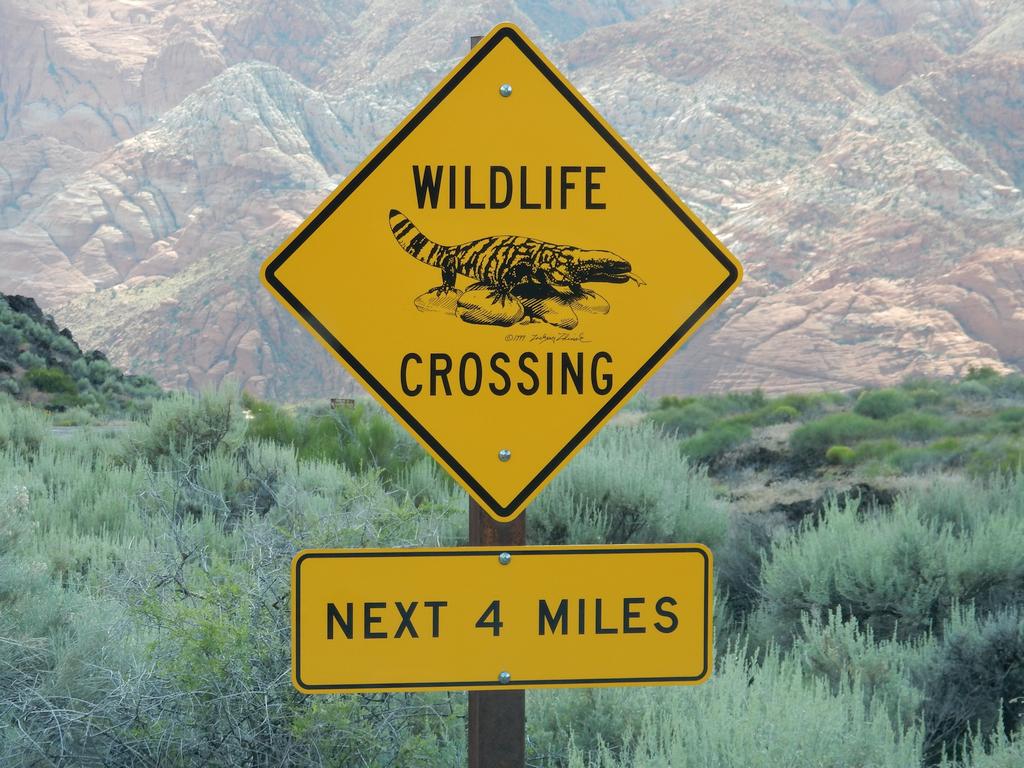
Roads are sometimes winding, which affects visibility. All the more reason to stay alert and control your speed, even if it's below the limit. You'll sometimes find signs in certain places where there's a lot of wildlife. Many animals fall victim to cars because they suddenly cross the road, but also because drivers drive too fast. A collision with an animal can cause considerable damage to your vehicle — another good reason to be careful and attentive.
Don't feed wild animals
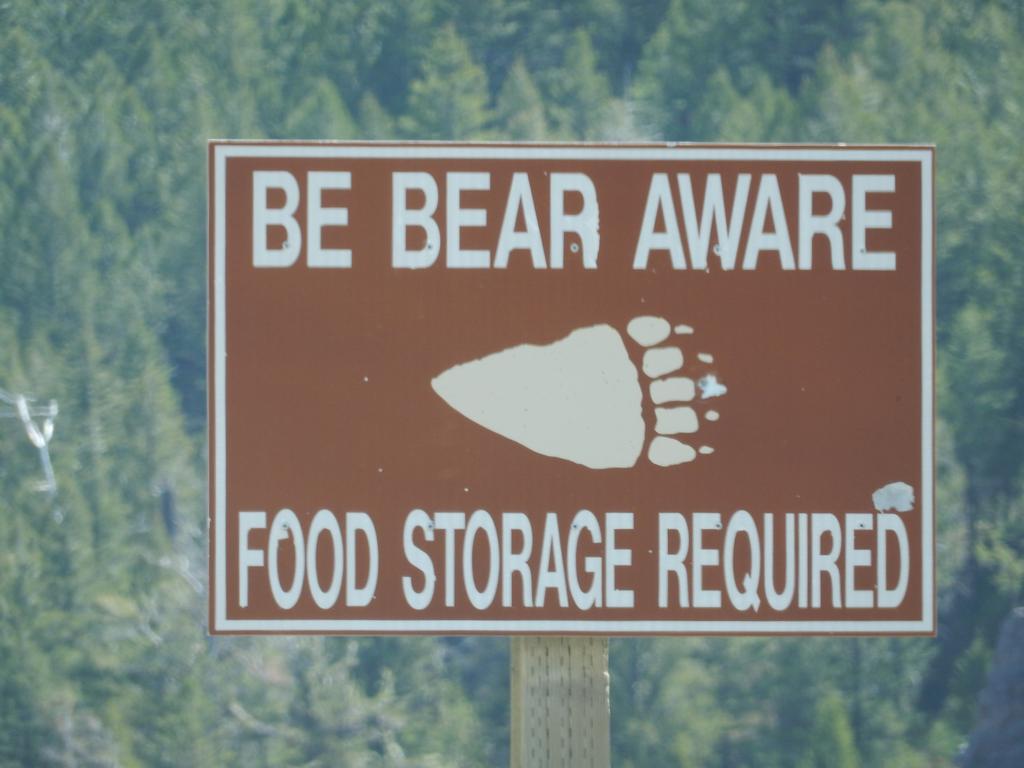 Many places display signs saying not to feed the animals. Unfortunately, many people don't stick to this rule. Wild animals then become used to human food. If they don't get it, they'll come looking for it. Wild animals are, as the name suggests, wild, and can bite, scratch and attack you! They'll try to cross over towards the cars, and nothing is sadder to see than animals run over. What's more, by feeding them, they'll stop hunting for their own food, which means that at times when there are fewer tourists, they will literally starve. Every year, people die from bubonic plague caused by squirrel bites — bitten while being fed or while the squirrel was looking for food. In short, for your safety and that of the animals: don't feed them, even if they look adorable.
Also read: "Travel and wild animals: how should you behave?"
Renting a motorbike in the USA
Crossing America by motorbike is a dream for many people, especially along the famous Route 66. Renting a motorbike is generally quite expensive, and the distances involved mean good preparation is essential. You need to protect yourself from the sun. Desert sun and its effect on the asphalt can be scorching. A sensible choice of clothing is therefore essential. Always make sure you have enough petrol, as the next petrol station may be more than a hundred kilometres away.
Explore the city by bike
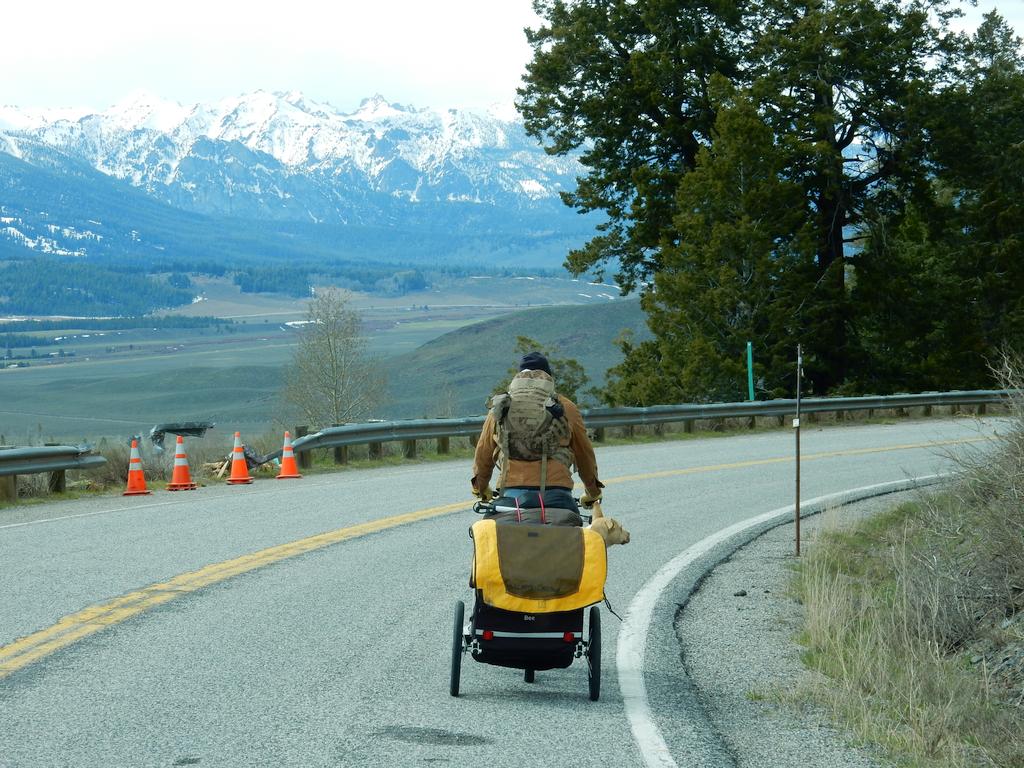
In big cities, you can often rent a bicycle. This is highly recommended. You'll be able to visit places you can't reach by car and experience a completely different atmosphere. Do it in San Francisco or Las Vegas, or in any of those famous spots you've seen so often on TV. Ride across the Golden Gate or along Las Vegas Boulevard, stop wherever you like. Cyclists and pedestrians are almost sacred in the United States. Before setting off, find out about bike rental companies and see if they can deliver the bikes to your hotel and collect them later. There's often a small bag under the saddle with a few tools, for example to adjust the saddle height. If you park your bike somewhere, remember to empty this bag to stop someone else from doing so.
Also read: How to properly prepare a trip to the United States
Photos © Laureen de Bres