At a glance
Many Belgians use connected devices or connected apps. Are these devices regulated?
25% of Belgians use connected devices, and 28% use a health-related mobile app. Will the future of healthcare inevitably become ever more connected?
Remote monitoring, teleconsultation, or dedicated apps such as the CST... All these tools, developed rapidly during the health crisis, are only part of a digital ecosystem that keeps expanding day by day around health issues.
A large part of this ecosystem exists in the form of connected devices. From watches to blood pressure monitors, from scales to pill dispensers and glucose meters: connected devices are increasingly used... and sometimes even required.
What is a connected device?
A connected device is an object capable of communicating with a computer network via Wi-Fi, Bluetooth, or an electronic chip. This connection enables fast, smart data sharing.
You use connected devices every day — you're even reading this article on one right now. If you love home automation, you live surrounded by connected devices (your smart fridge, remote lighting, door opening via an app...). Your electricity or gas meters may also be sending your consumption data directly to your supplier.
Connected device or medical device?
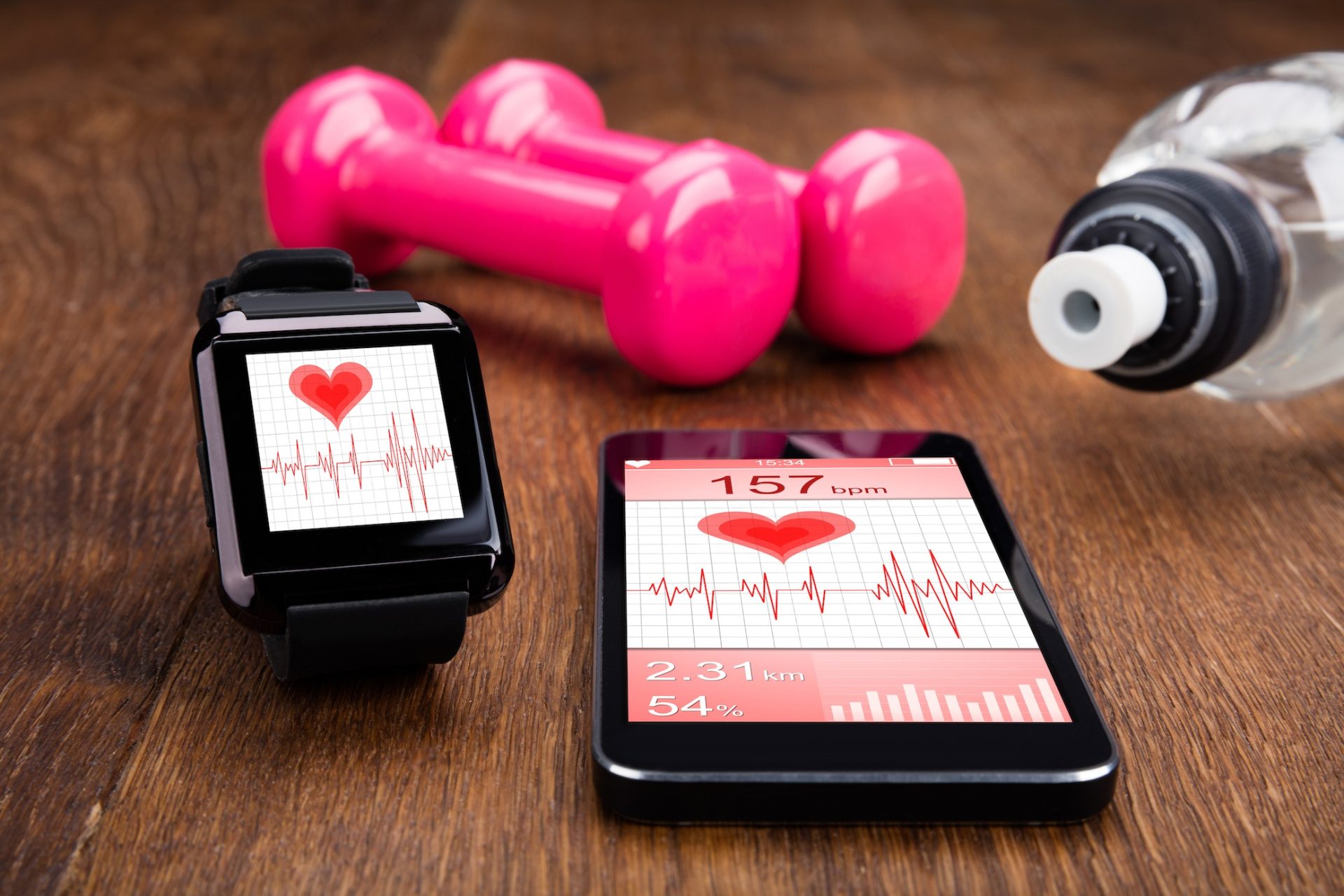
The specific nature of health-related connected devices means they are often equipped with several sensors to measure your parameters. They can track weight, heart rate, physical activity...
While some connected devices (such as a watch) are leisure items, others are genuinely medical devices. These devices, currently intended for patients with chronic illnesses, are designed to help them manage their condition on a daily basis.
Connected devices can be prescribed by your GP or by a specialist. Healthcare professionals may even be able to remotely monitor your vital signs via dedicated apps.
Is it worth investing in a connected health device?
Obviously, everyone's needs are different. Before considering investing in a connected device, ask yourself the right questions:
- What will its use be in your everyday life? Do you really need it?
- What does your doctor think? What do other users say?
- What is your relationship with technology? Will you be able to use the device correctly and understand the results?
- What security guarantees does it offer? How reliable is it?
The data question — an important issue for connected devices
Data means the possible transmission of data (to third parties). A watch that counts your steps sends data from your watch to your phone. But a device directly linked to your doctor means data is transferred to third parties.
Even though connected devices dedicated to health are particularly well secured, don't hesitate to find out how your data is processed and stored. And if you need to log into an app or create an account, check out our tips for creating a secure password.
Regulations on connected health devices
A federal platform for health apps
In Belgium, there is a platform that lists all mobile health apps recognised as medical devices: mHealthBelgium. This platform, launched by the Federal Government, is based on three progressive validation criteria:
- M1: A CE-marked medical device certified by the FAMHP – Federal Agency for Medicines and Health Products
- M2: A certified medical device, connected in a secure way
- M3: a certified, secure medical device that demonstrates socio-economic value and is reimbursed by the NIHDI
For now, the platform lists 34 registered apps. None of these apps currently reach "M3" level, i.e. reimbursed by the NIHDI.
Connected devices and insurance
The data collected by connected devices can be of interest to insurers. But Belgian law was amended in early 2021 regarding life and health insurance.
This law prohibits insurance companies from:
- Segmenting acceptance, pricing and/or the scope of cover based on whether the applicant agrees (or not) to acquire or use a connected device that collects personal health data.
- Refusing insurance or increasing the cost of an insurance product if an applicant refuses to acquire or use a connected device that collects health data.
Health data: sensitive data
The website of the Belgian Data Protection Authority tells us that health data is considered "sensitive" data, in the same category as data relating to ethnicity, genetics or sexual orientation.
This data benefits from much stronger legal protection. In principle, the processing of personal health data is prohibited (Article 9.1 of the GDPR). However, Article 9.2 provides for a few exceptions:
- The data subject has given explicit consent
- Processing is necessary to protect vital interests
- Processing is necessary for reasons of public interest or healthcare provision
Connected devices and the future of healthcare
It's reasonable to assume that, with the acceleration of technology, the ever-faster expansion of digital tools and new standards for networks and secure data sharing, healthcare will become increasingly dependent on the digital world.
Some developments even tend towards integrating the medical device into the human body! One example is microchips, which could be implanted to monitor vital signs during an operation. Another is the use of DNA (synthetic, for now) as a data storage medium, far more efficient than the Cloud or a USB drive.
Connected devices are now part of our daily lives. The same goes for those that measure or regulate our health. While their usefulness and effectiveness are well established, we should nonetheless remain vigilant about how they are used by third parties.
Article written in collaboration with We are the Words.