At a glance
Félix, a Redion staff member, gives some useful information for those who want to visit Bulgaria in an original way
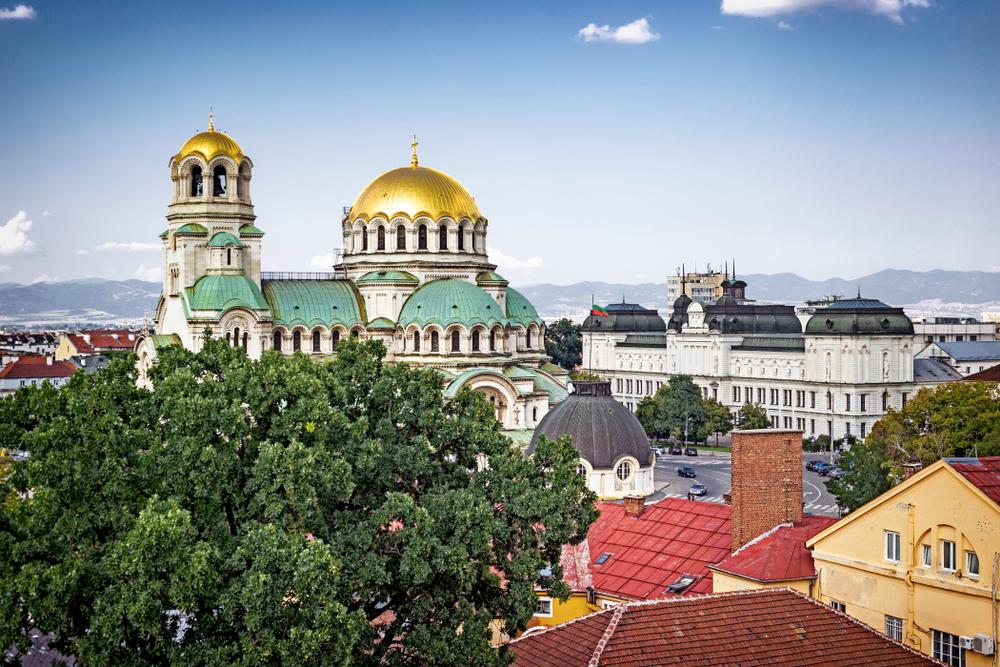
Photo: Sofia - St. Alexander Nevsky Cathedral
Félix, a Redion staff member, loves travelling to little-known or less touristy destinations. In this article, he gives some useful information for those who want to visit Bulgaria in an original way, sharing his love for this European country, which is well worth the detour!
Bulgaria, a little gem at the heart of the Balkans
A member of the European Union since 2007, Bulgaria is increasingly opening up to tourism. It's true that it's still a fairly little-known tourist destination. That said, if you like getting off the beaten track, Bulgaria, the land of the rose (more than 80% of world production) and of yoghurt, will delight you!
A mountainous country in south-eastern Europe
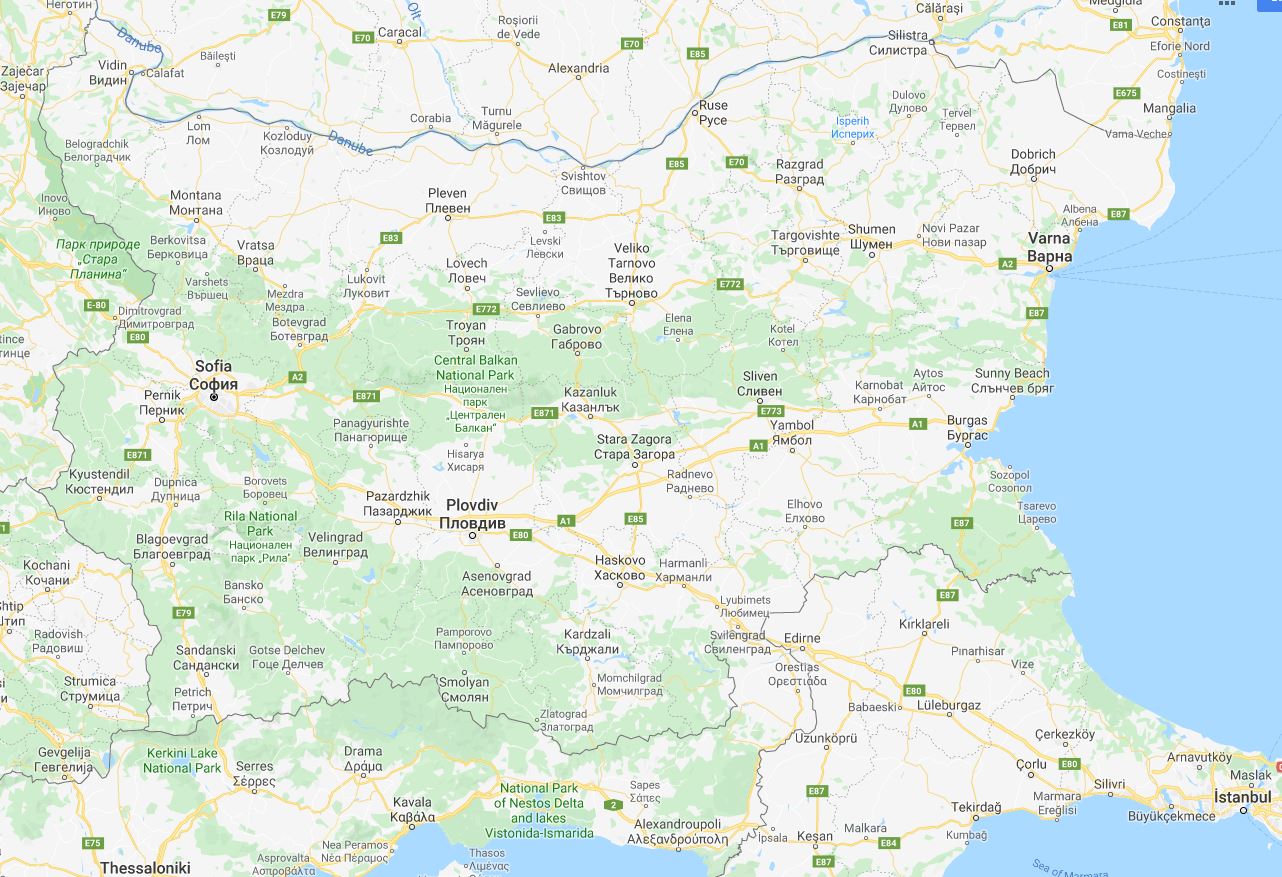
This Balkan republic of around 110,000 km2 and more than 7 million inhabitants in south-eastern Europe is off our traditional itineraries, yet not far from its famous neighbour, Greece. Indeed, Bulgaria is bordered by Greece to the south, Turkey to the south-east and Romania to the north. To the east, you'll have access to the Black Sea, where it's lovely to swim in summer. For hiking enthusiasts, three mountain ranges (the Rila massif, the Balkan range and the Rhodope range) mark the start of an adventure full of breathtaking scenery!
Bulgaria: guaranteed change of scenery
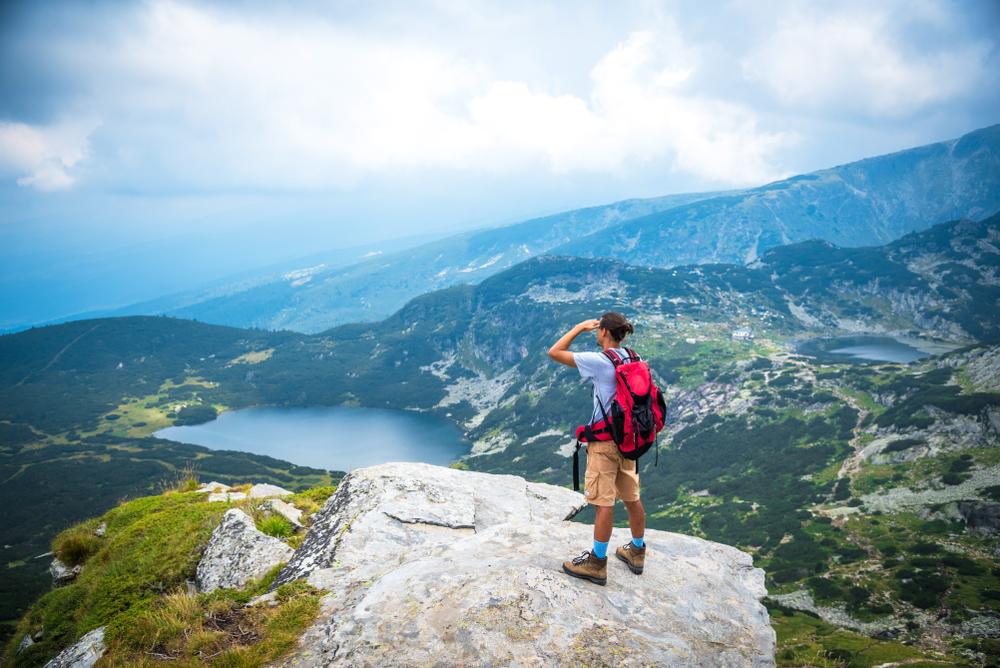
Rila: the Seven Lakes
A country located at the crossroads of East and West, you'll enjoy discovering a mix of Slavic and Balkan culture with Ottoman influences, all at very reasonable prices.
You'll set off to explore a multitude of breathtaking landscapes. I'm thinking in particular of the Seven Rila Lakes located in the mountain range of the same name, sunflower fields as far as the eye can see, marked trails in the Central Balkan Nature Park, the (more touristy) shores of the Black Sea, and more besides.
How to get to Bulgaria?
Nothing could be simpler: direct flights, including those of Wizzair, Ryanair and Bulgaria Air, connect Brussels or Charleroi to Sofia or even to the Black Sea towns (namely Burgas or Varna).
Of course, it's also possible to get there by train or by car, which makes the journey longer.
In terms of formalities, no visa is needed. As the country isn't part of the Schengen area, a valid passport is still required.
Vaccinations or health precautions?
For this continental European country, no vaccination is needed. Most tourist areas have decent hospitals.
During one of my many visits to this part of the Balkans, I got food poisoning. After a visit to the nearest clinic, some injections and a drip, everything went fine. Medical costs are never very high for minor issues.
If you go hiking in the country's natural areas, however, watch out for tick bites.
And of course, don't forget to take out good travel insurance! :-)
How to get around?
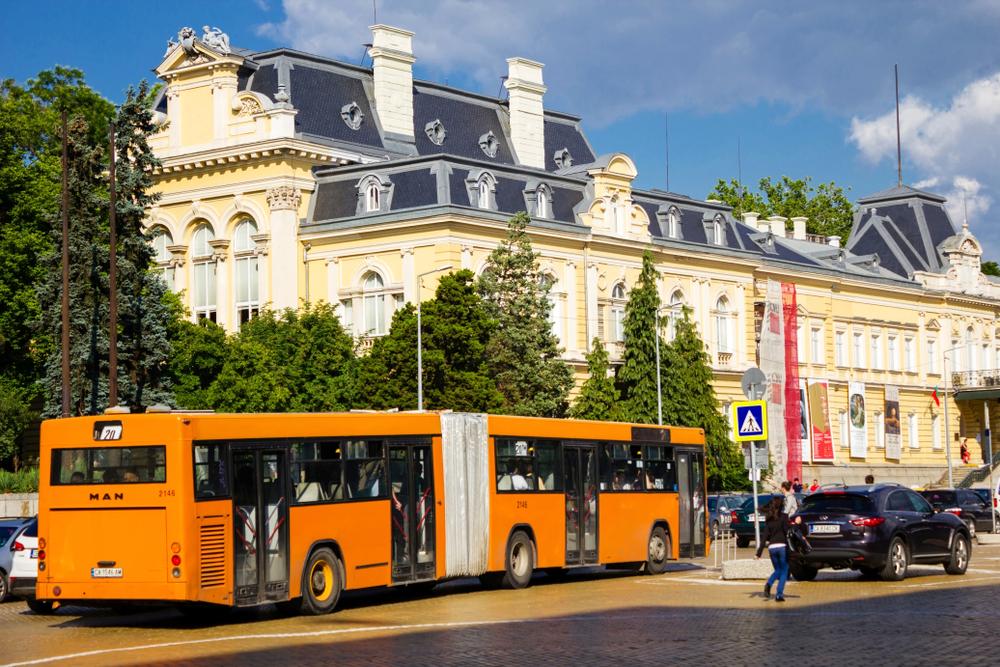
Public transport in Sofia
From any major city where you can land (Sofia, Plovdiv, Varna or Burgas), it's extremely easy to get around by bus to other large or small towns. If you want to go to villages or small towns (for example, the charming town of Melnik, the smallest town in the country, known for its "pyramids", quite surprising rock formations), you'll probably have to take a "mashroutka" at some point (mini-van transport, very popular in communist times).
Avoid taxis hailed in the street or in front of stations, as they may overcharge you and aren't always reliable. Prefer the "Yellow Taxi" services in Sofia. Ask your hotel or restaurant to call you an (official) taxi. A ride from one point to another within the same city shouldn't cost more than 5 to 6 euros.
Another option for getting around within the capital would be to take the tram or the metro, which is extremely clean, convenient and inexpensive (a ticket costs around 0.80 euro).
Although the country has a rail network, trains are fairly slow and often outdated. Prefer intercity buses, which are much more efficient for getting around.
A last option for longer trips is, of course, a rental car.
Methods of payment
Compared to Western European countries, Bulgaria isn't an expensive country. In any major city, you'll easily find currency exchange offices. The exchange rate hovers around 1.95 Bulgarian leva to 1 euro. Most establishments in major cities accept credit cards (including Visa), but remember to carry cash to pay for transport and make transactions easier in the provinces.
Warm-hearted locals
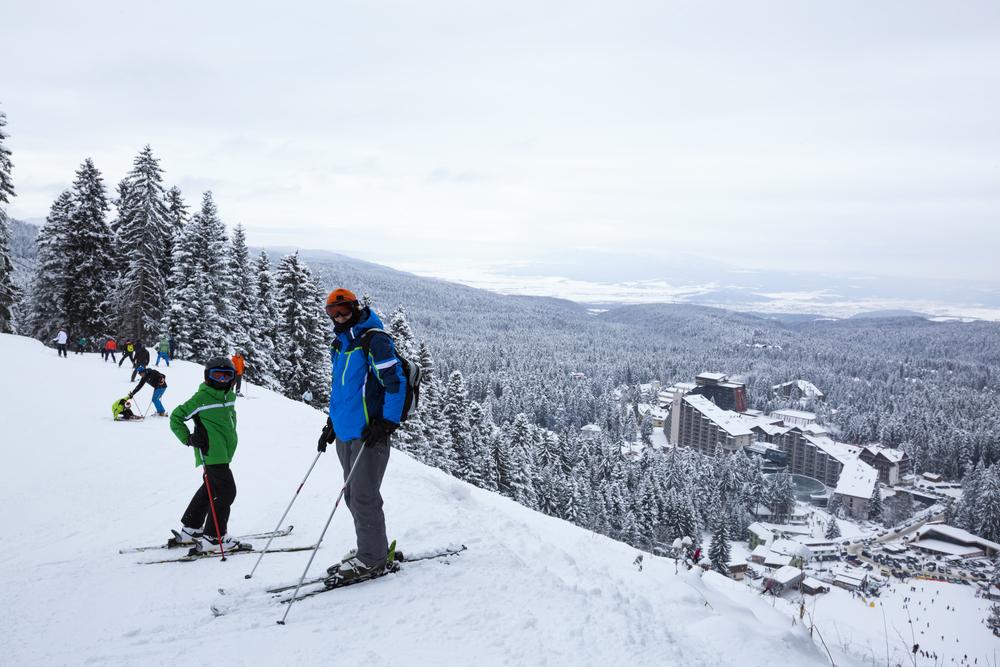
Skiing in Borovets
I've been to Bulgaria more than six times and never felt unsafe, whether in a big city (Sofia), on the beach at Pomorie or in the mountains at Borovets. For safety recommendations, still follow the advice of the Belgian Foreign Affairs Ministry.
At first glance, it can seem difficult to approach the locals, but in reality, if you manage to break the ice (by speaking a few words in Bulgarian or Russian), they're wonderful people who won't hesitate to lend you a hand.
A little anecdote: in Bansko, I met the waitress at a "Mexana", a kind of tavern serving, among other things, typical Bulgarian dishes. After starting a conversation, she promised to show me the surrounding mountains the next day by 4x4 with her cousin. This kind of unexpected little gesture changes your perception of the country. After about half an hour's drive, the view of Mount Vihren was simply unbeatably beautiful!
Finding yourself alone in a country with hospitable locals makes the experience unforgettable!
Feeling a bit hungry? Try the national dishes!
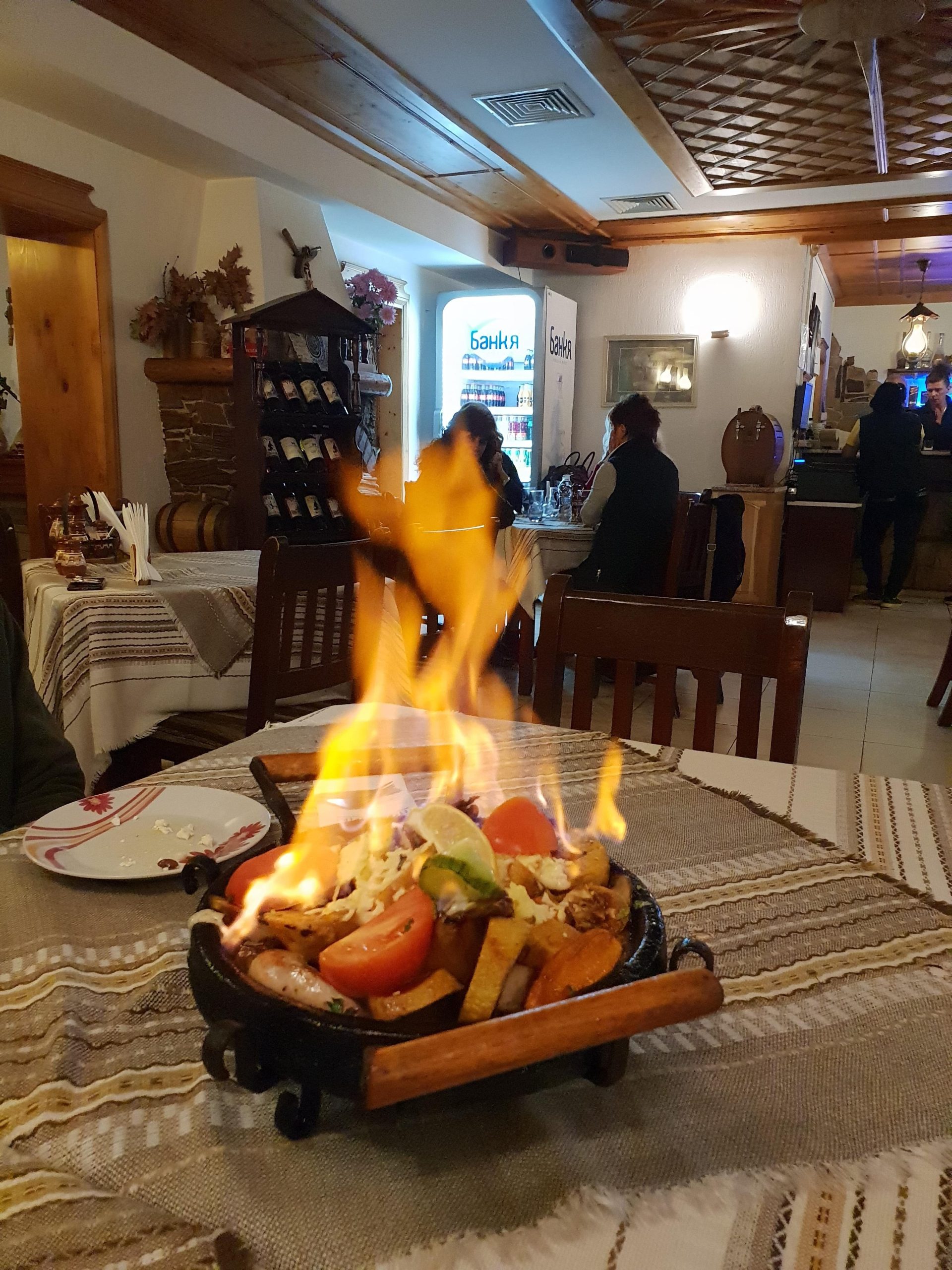
Satch
Shopska salad is a typical dish in Bulgaria and in many other Balkan countries. This refreshing salad is made up of pieces of tomato, cucumber, grilled peppers, Bulgarian cheese and sometimes a drizzle of olive oil.
.
As a main dish, there's Kavarma, or Bulgarian kebab: chicken stewed with fresh vegetables. Sarmas, vine or cabbage leaves stuffed with rice and minced meat, are also delicious!
.
If you go to the Rhodope region, don't miss their famous Satch: a mix of vegetables (onions, peppers, mushrooms) and meat served on a terracotta plate.
Little tips for an unforgettable stay in Bulgaria
Learn the basics of Bulgarian
As soon as you leave Sofia or any major city, all the signs at bus stations and on road signs are in Cyrillic. So I recommend learning to decipher the Cyrillic alphabet. It's not very complicated; within a few hours you're already able to read quite a few words.
If you want to go even further and communicate in the country's language, rest assured the locals will really appreciate it! Indeed, during my visit to a ski resort in Borovets, simply greeting people in Bulgarian was met with a big smile, followed… by an invitation to attend a wedding taking place at my hotel that evening!
Travel according to the seasons
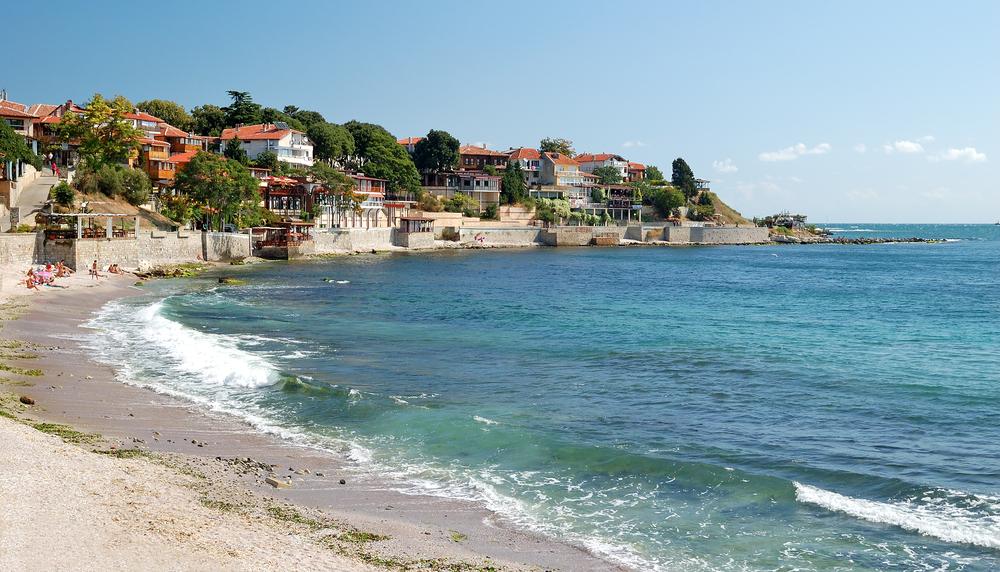
The Black Sea at Nessebar
In spring and summer, the east of the country is the most attractive, with the Black Sea coast and lovely towns such as Burgas, Nessebar, Balchik, etc.
In winter and autumn, head for the mountains instead to admire the finest peaks in the Balkans: Mount Musala, Mount Botev and many others.
Go there without any worries
Bulgaria is (still) a country with little tourism and is fairly little known. So it's no surprise that this country doesn't feature at the top of preferred destination lists. But rest assured, you won't be disappointed if you decide to take the plunge and venture there.
In the countryside, the scenery is magnificent, and you can still come across shepherds out walking with their flocks!
If Bulgaria seems mysterious and hard to reach to you, you'll see that once you're there, this country will surprise you! The limited tourist development within the country will let you experience an authentic, different and sometimes fun trip. The country keeps a great many age-old traditions, such as, for example, a festival during which women in traditional dress walk on embers.
Plan your accommodation as you go
I'm in the habit of only booking my first and last night. Between those two dates, I improvise.
In the big cities, you can use the usual channels for booking accommodation: everything works there (tourist or business hotel sites, Airbnb, etc.)
On the other hand, in the smaller towns, you'll more easily be able to stay with local hosts, who – on top of that – will cook for you! This option is very interesting from a cultural point of view and for the exchanges you can have with the local population.
Discover a very rich history and culture
Take the time to explore communist-era art, Roman remains and Orthodox churches.
Here are a few suggestions:
- Although communist art may seem a bit uniform and dull, it's part of a chapter of history that shaped the Eastern Bloc as well as the former Soviet countries. So if you pass through Sofia, I strongly recommend the Museum of Socialist Art:
Socialist art Museum Музей на социалистическото изкуство Lachezar Stanchev 7, 1756 g.k. Iztok, Sofia
- Also, if you go to Plovdiv, the country's second city, take the time to visit the Roman theatre of Philippopolis, surrounded by its remains.
- Finally, if it's the architecture of religious monuments that interests you, don't hesitate to visit some Orthodox churches with rather distinctive shapes, more rounded ones in fact. Here are two rather interesting churches: the emblematic St. Alexander Nevsky Cathedral in Sofia, and the Church of Christ Pantocrator in the small coastal town of Nessebar.
Enjoy your trip and happy discovering!
A few photos by Félix:
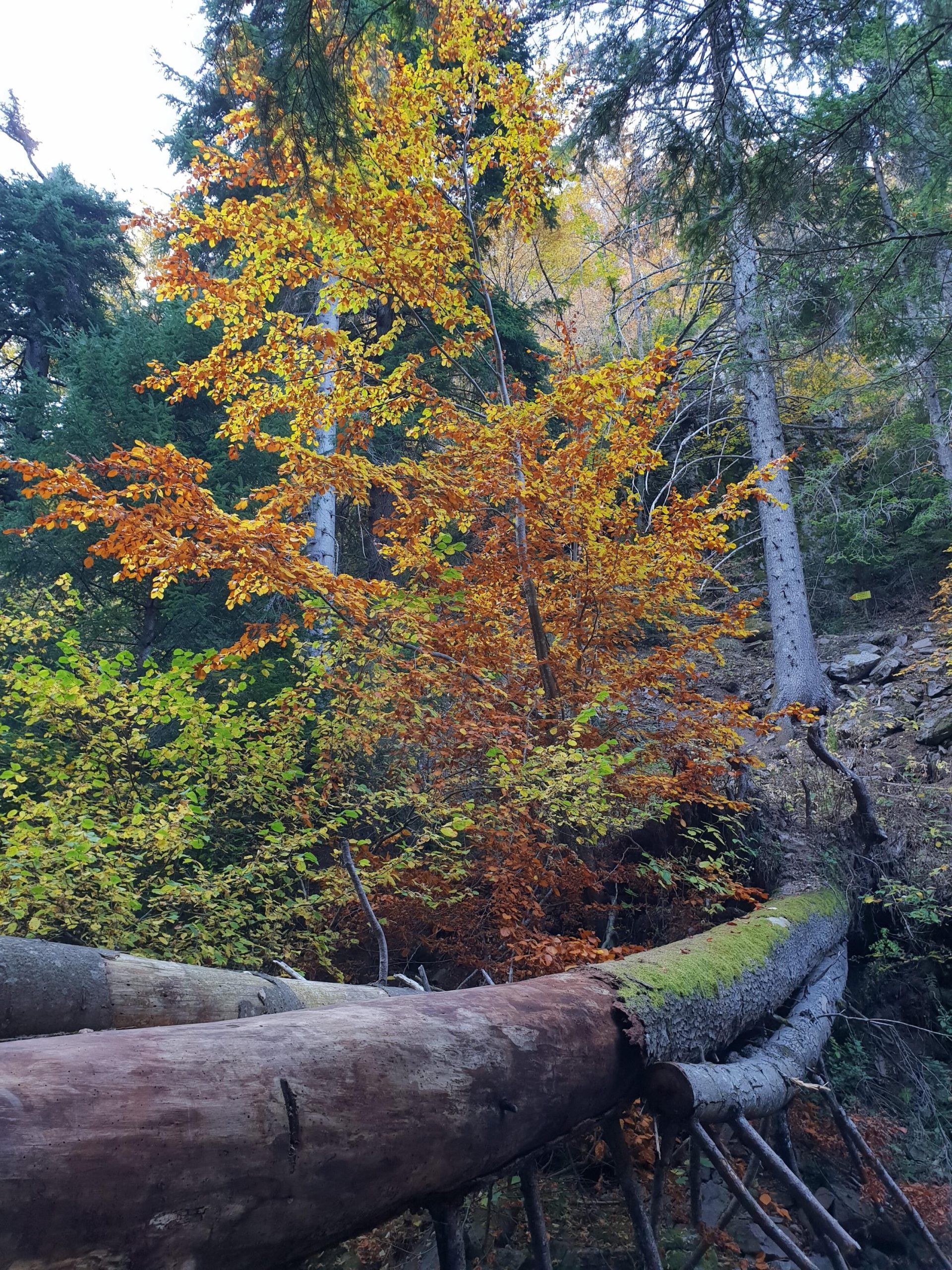
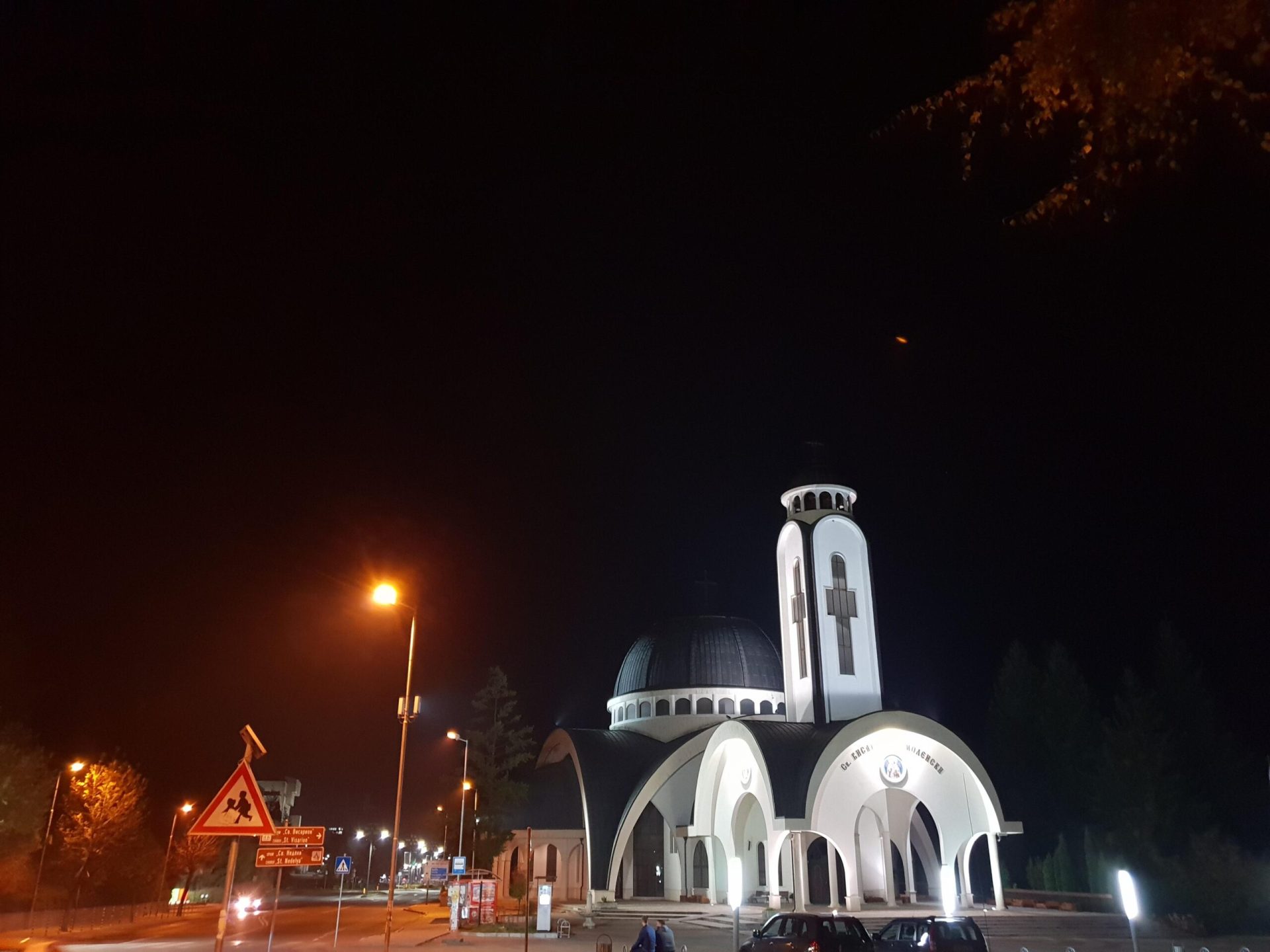
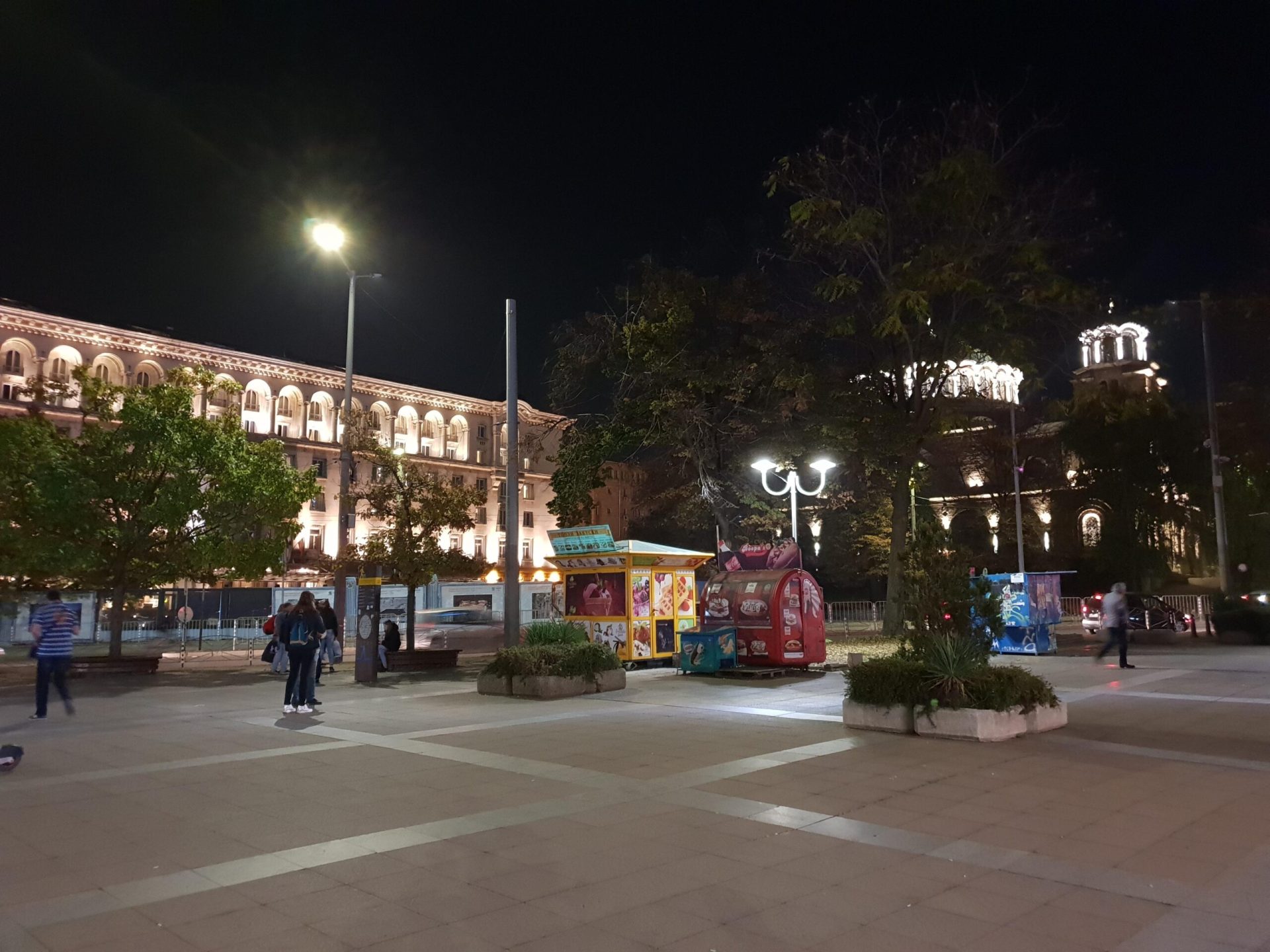
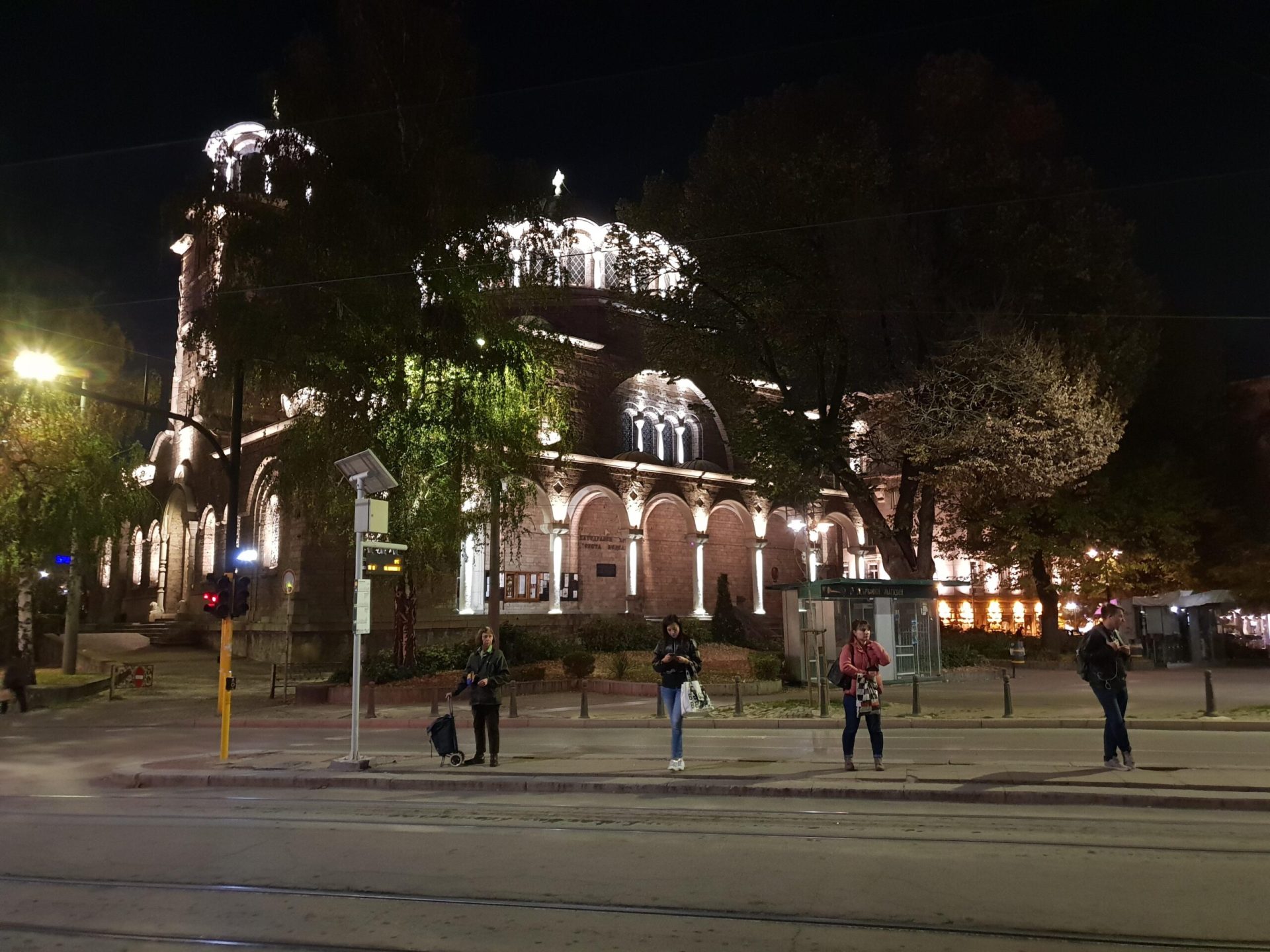
Photos: © Shutterstock & Félix Wang