At a glance
Laureen shares her impressions from her visit to the state of Louisiana in the United States, particularly New Orleans
Laureen has been visiting the United States very regularly for years. She travels through many regions by motorhome. In the article below, she shares her account and a few impressions from her visit to the state of Louisiana, particularly to New Orleans, a city known worldwide for its jazz festivals but also increasingly affected by poverty.
Louisiana: the past glory of a once-prosperous state
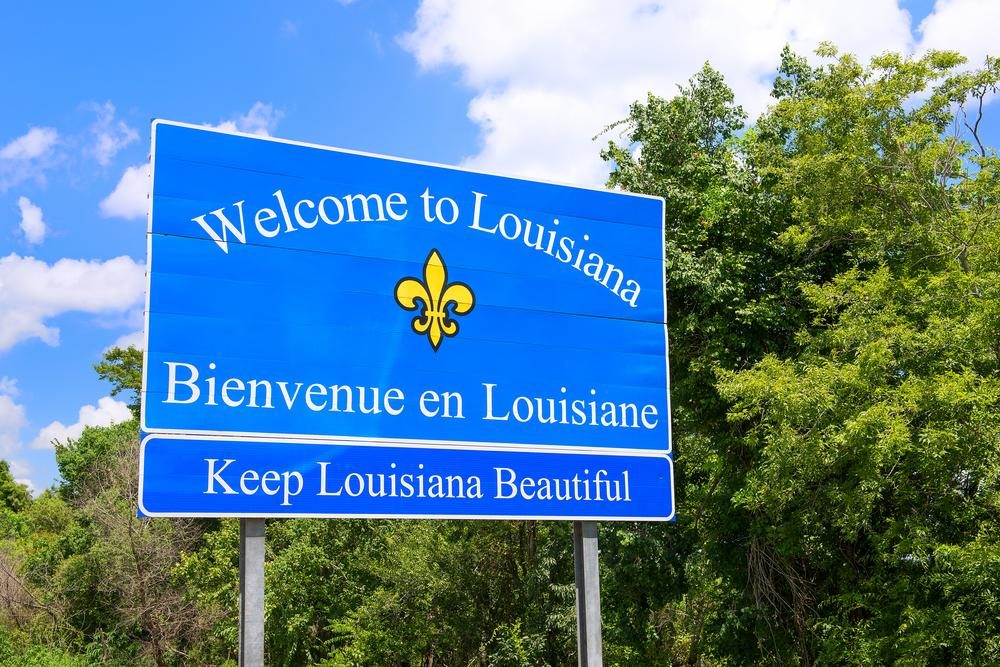
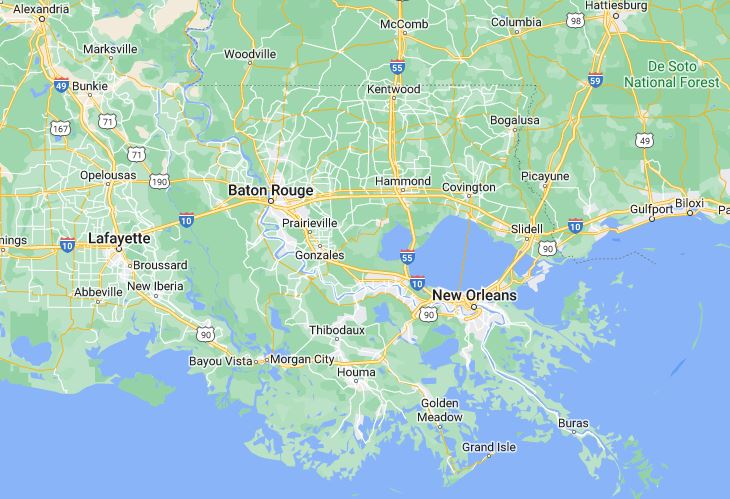
Louisiana, whose capital is Baton Rouge, is the 18th largest state in the United States.
It is located in the south of the country, along the Gulf of Mexico, between Mississippi and Texas.
Louisiana is best known for its music: jazz and blues, but also for voodoo practices.
 The territory was originally inhabited by Native American tribes, like most American states. Its climate is subtropical, which is reflected in sometimes high temperatures (37, 38 degrees Celsius), although the average temperature is around 26 degrees. The high humidity can make the weather feel very sticky. The best seasons to visit are spring and autumn.
Its surface area is 135,658 km², 16% of which is water: swamps, lakes and rivers.
Louisiana's cultural history
Louisiana has a rich cultural history but is no longer a prosperous state. Hurricane Katrina in 2005 certainly played a role. While other affected states recovered economically, Louisiana has continued to lag behind. In terms of poverty, this state ranks second in the USA, and nearly a fifth of its residents live below the poverty line.
The roads are generally poor, especially if you're driving a motorhome. You need to open your cupboards carefully after driving, in case items have fallen out due to the bumps and jolts.
Slavery
Louisiana is the land of Uncle Tom, but also of jazz and blues, not to mention voodoo.
In the past, there were many plantations where slaves were put to work. Many of them can still be visited today and give you a glimpse into this painful past. The tour is led by guides in traditional dress, and you can see what living conditions were like at the time. What struck me is how they tell of slaves with an above-average level of education, for example very skilled in architecture, who could earn money and eventually buy their freedom. What's remarkable is that some of them then bought slaves themselves: a kind of world turned upside down.
Fascinating landscapes and wildlife
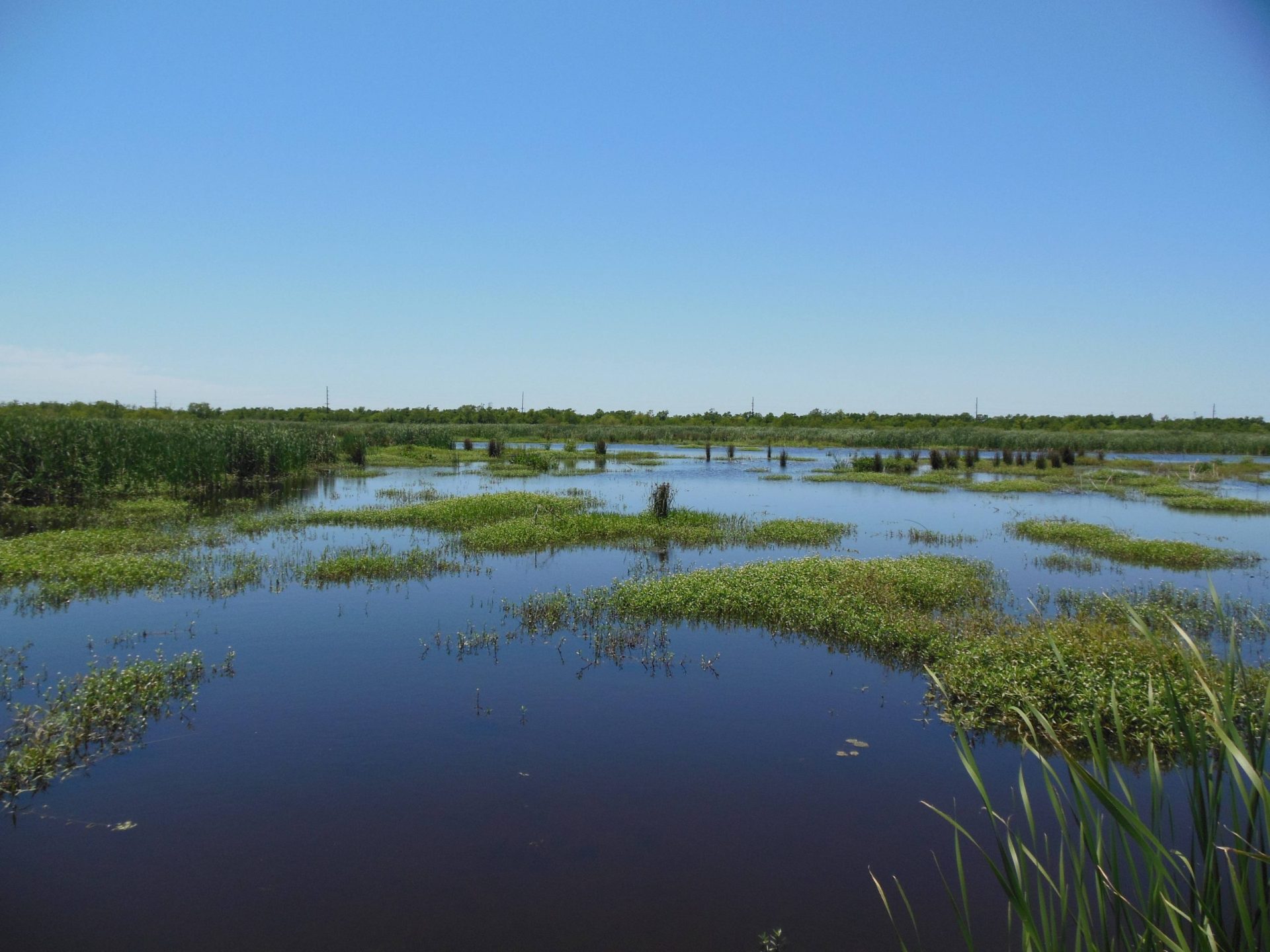
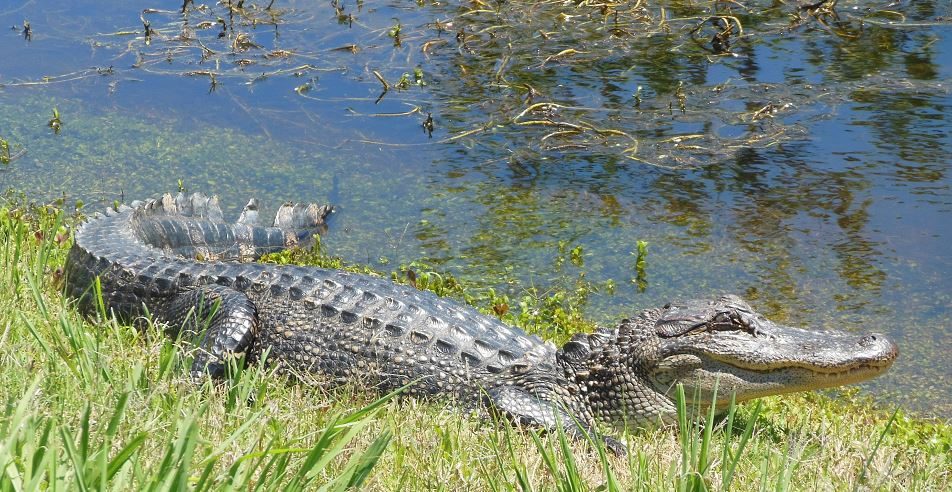 A large part of Louisiana consists of wetlands: swamps (the "bayous"), lakes, bodies of water with dense thickets... Sometimes it seems as if there's nothing but trees along the roads, but wherever there's a gap, you see water. Waters richly populated with alligators, turtles, pelicans, birds, otters and many other animals. Crossing Louisiana, because of all the wetlands, you cross countless bridges, some very modern, others so old that cars can barely pass each other, but which are also very beautiful to see and take you back in time.
New Orleans
The musical city of New Orleans, known for jazz, blues and voodoo, has unfortunately deteriorated over the years, notably because of growing insecurity and crime.
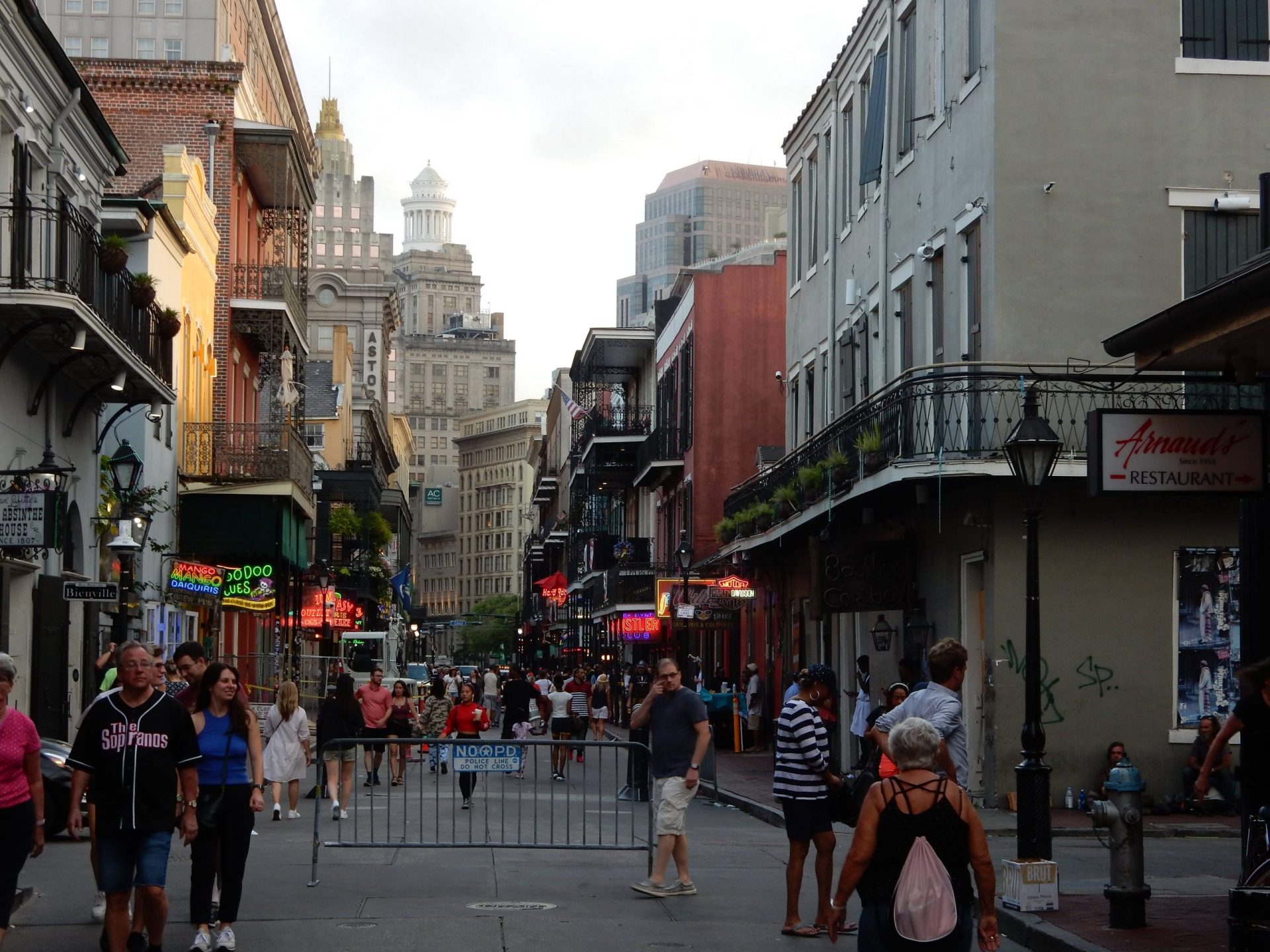 Nine years ago, we visited Frenchman Street; this time we went to Bourbon Street (photo). There was a jazz festival on.
The campground we stayed at last time was already full. From that campground, surrounded by fences and 24/7 security, it was only six blocks to the city centre. Despite this short distance, we were strongly advised to take a taxi because of the high crime rate. We were also warned not to walk out into the busy streets. The campground where we found a spot this time was outside the centre. A taxi to Bourbon Street wasn't immediately available, so we took the bus on the advice of the campground owner. "But," he told us, "make absolutely sure you take a taxi to come back. Under no circumstances take public transport." On the way, we noticed that it wasn't a risk-free area, as the neighbourhoods the bus passed through showed only widespread poverty and a lot of insecurity. Bourbon Street, especially in daylight, looked run-down and quite dirty.
It's a shame to see this decline, because the historic city is colourful, and the architectural styles are often fascinating to look at. New Orleans has a rich history. The house that inspired the song "House of the Rising Sun" by The Animals is located here. It was a brothel that operated for ten years. Then came the forced closure, ordered by a judge at the time. He lived right next to the house of ill repute. So his decision could hardly have been a coincidence!
Music is everywhere in the city centre, in the streets (see video), in the cafés, and if there's no music, there's tap dancing, magic shows and even chess games in the streets. You won't be bored for a single moment (see video), and there are also plenty of restaurants, from the most expensive to the most affordable. However, the street performers you'd like to film or photograph will usually ask you for a hefty tip.
St. Louis Cemetery
The famous St. Louis Cemetery is truly worth a visit. It's a kind of "Père-Lachaise Cemetery" like in Paris, but much more compact and not as well maintained. The cemetery illustrates a different way of burying the dead, since Louisiana lies below sea level and graves can fill with water. Coffins can therefore shift and end up under other tombstones.
Voodoo, everywhere
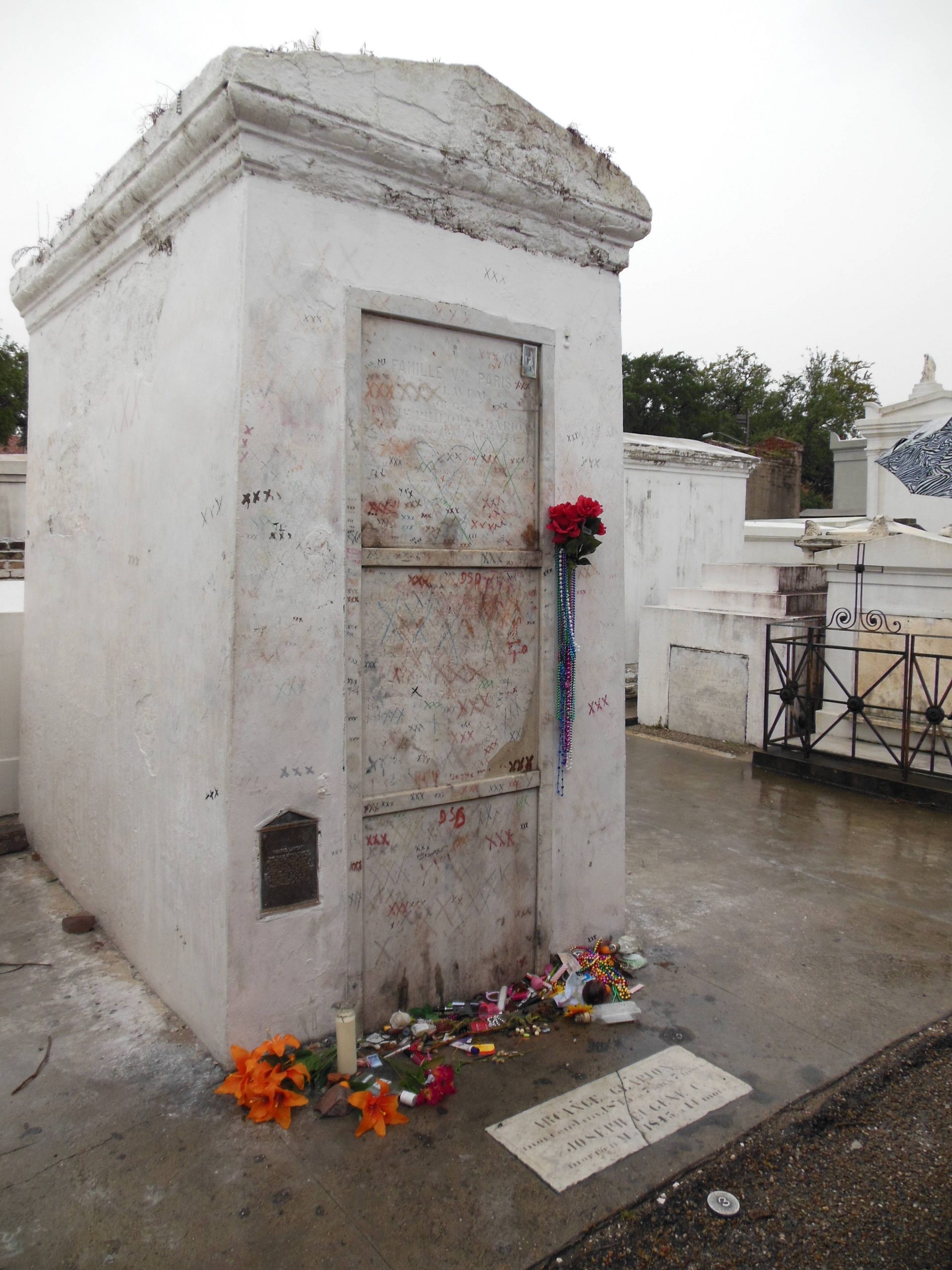 Marie Laveau, the great queen of voodoo, is buried here (photo). There are all sorts of objects in front of the tomb, just as there are in front of the tomb of Doctor John, a voodoo priest. His is covered with crosses in groups of three. If you have a wish you'd like to come true, you knock three times on the tomb, place your hand on the stone and make your wish silently, then leave an offering. You'll find money, make-up, jewellery, even euro coins and much more there.
Voodoo is in fact a religion of slaves. Slaves did not have an easy life, and their lives were often marked by constant pain and hardship. Voodoo requires you to be in balance with your entire environment, which makes your life more bearable. Voodoo is practised all over the world and is not limited to New Orleans and Haiti.
Nicolas Cage's tomb
The future tomb of Nicolas Cage is also very special. When he arrived in New Orleans, he found the city so beautiful that he had his future tomb built there. During the lockdown, St. Louis Cemetery was closed, because there was a lot of theft. Probably by people trying to make up for their lack of income.
Frenchman Street
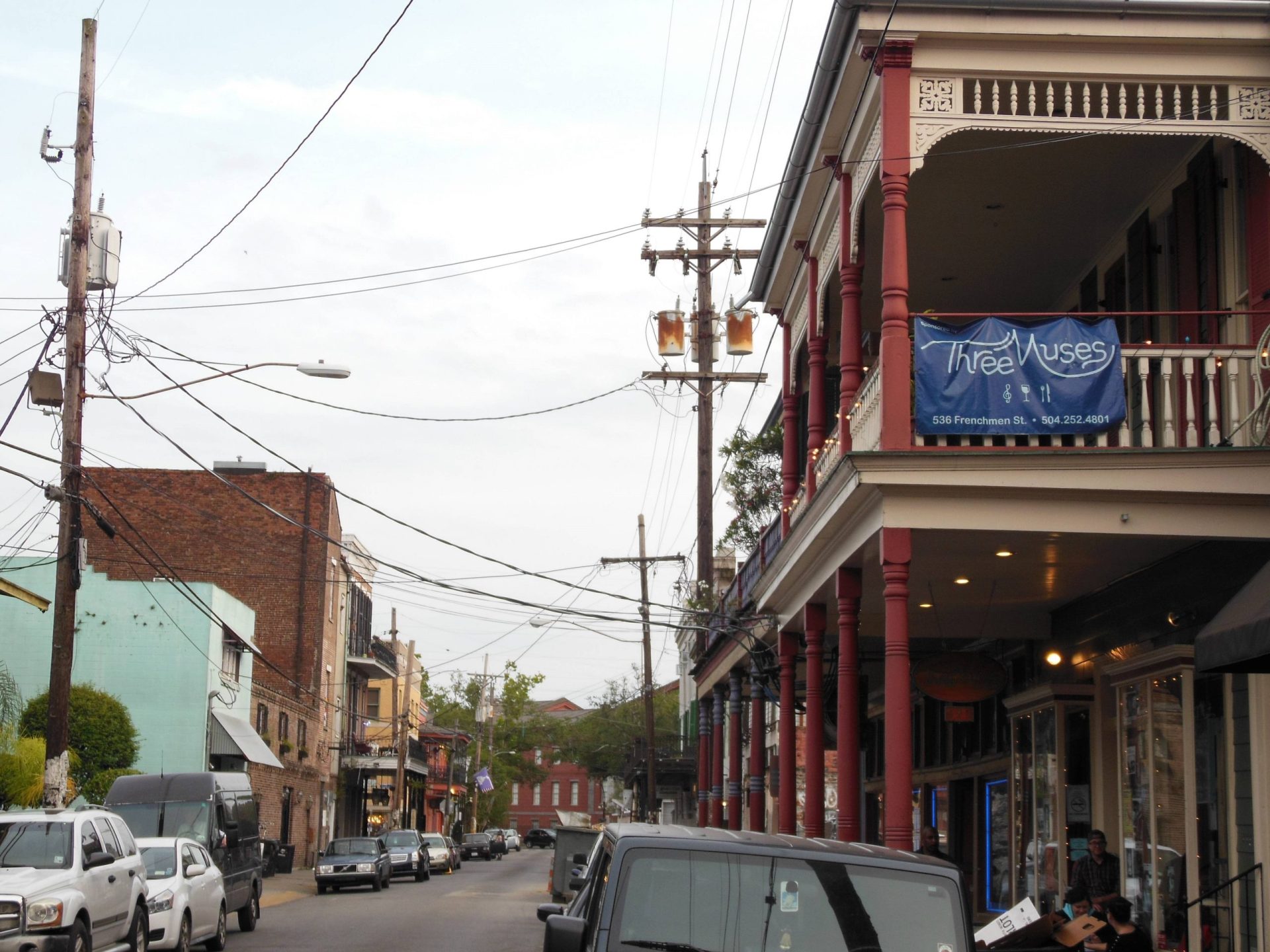 Another interesting tourist area, also located in the French Quarter, just like Bourbon Street, is Frenchman Street (photo), which is generally more welcoming than Bourbon Street. You'll also hear a lot of music there and see bands playing in the street, and the neighbourhood seems better maintained. New Orleans has a particular scent, due to the magnolias and jasmine bushes found everywhere. Narrow houses are very common, because in the past, the bigger your house, the more tax you paid. That's why residents built narrow, but extremely deep, houses.
Creole cuisine
If you visit Louisiana, be sure to try the best dishes of Creole or Cajun cuisine, a blend of West African, Spanish, French and Native American gastronomy: https://www.louisianatravel.com/articles/louisianas-famous-dishes.
Despite its evident poverty, Louisiana is a fascinating state, with beautiful landscapes and a rich, sometimes sad history, that truly deserves a visit.
Discover our other articles on the United States by clicking here.
Photos © Laureen de Bres